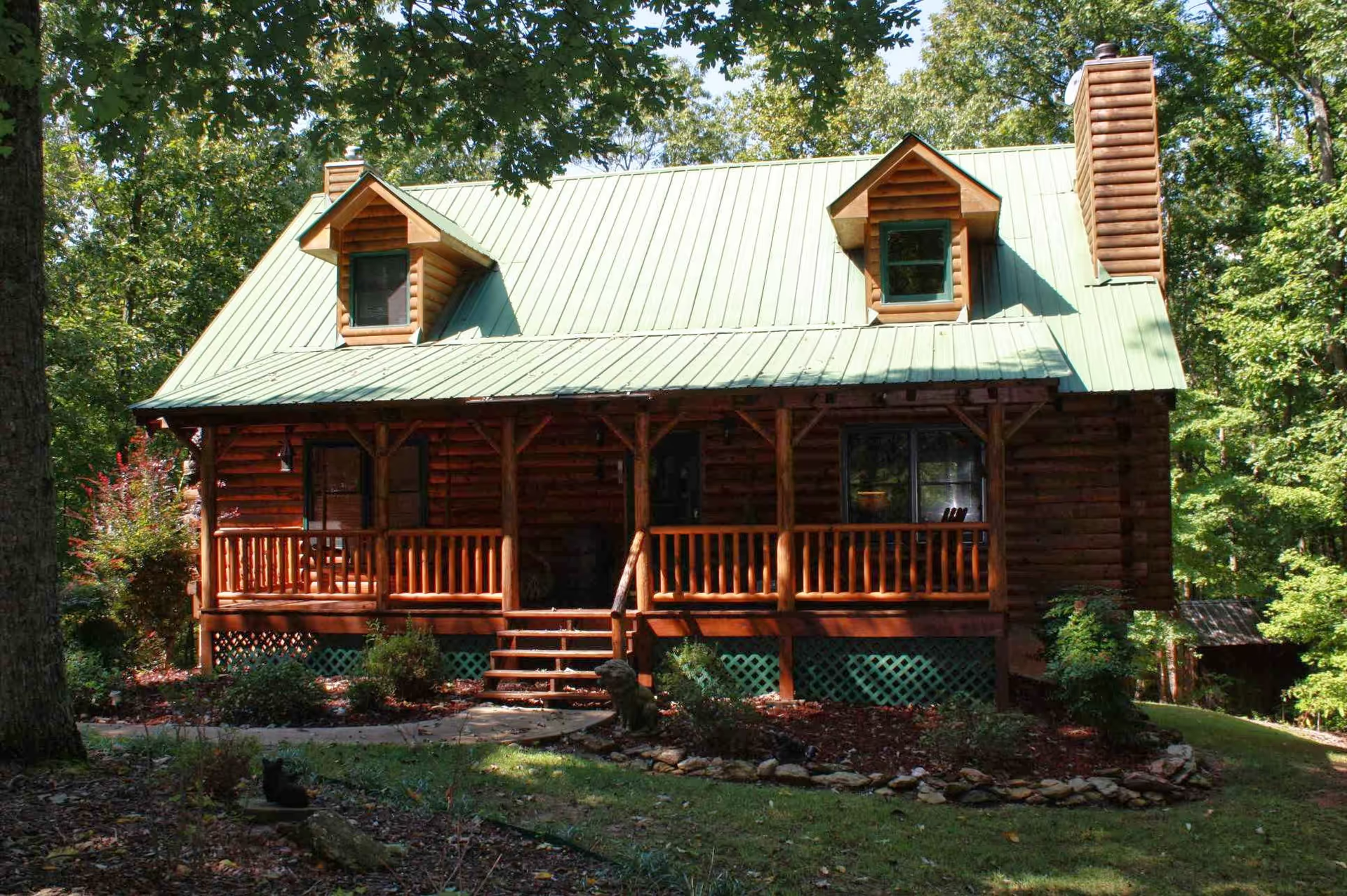
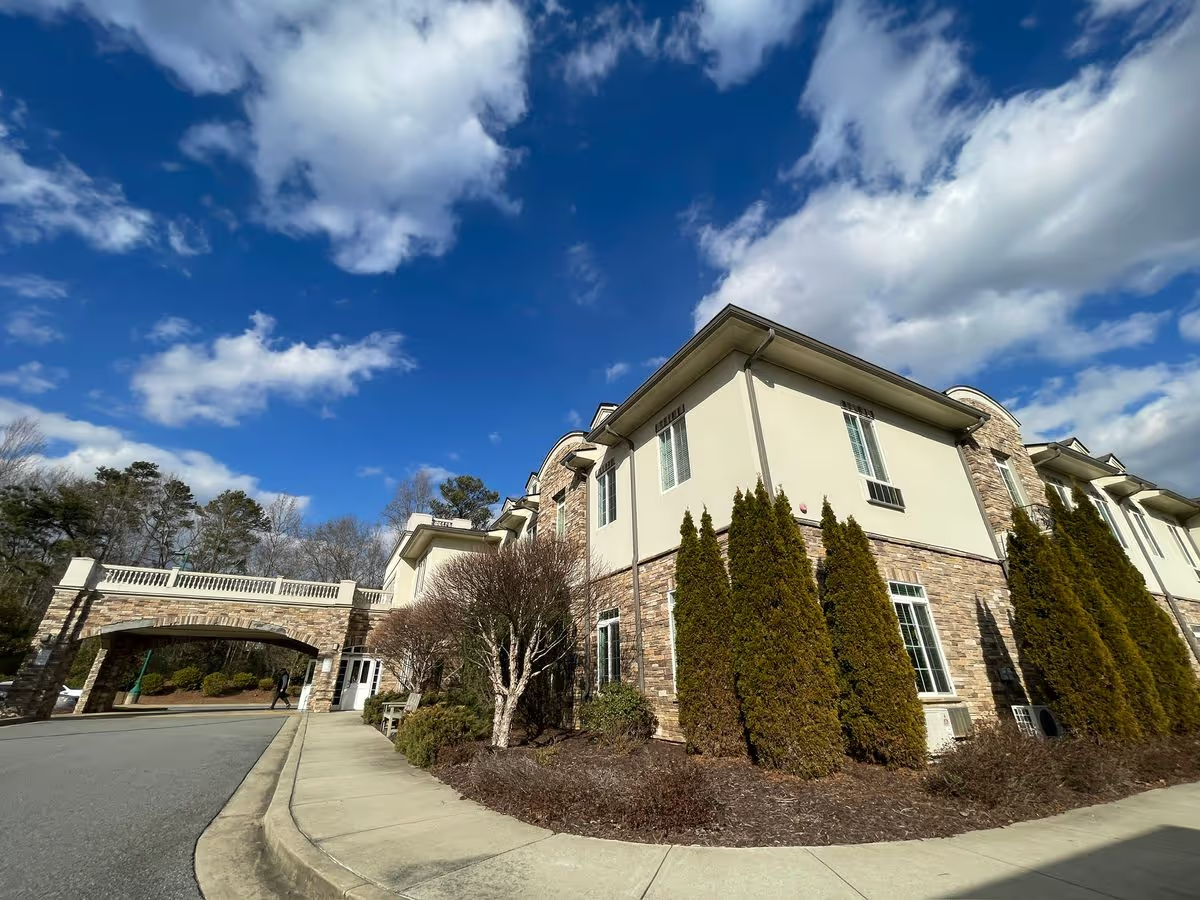
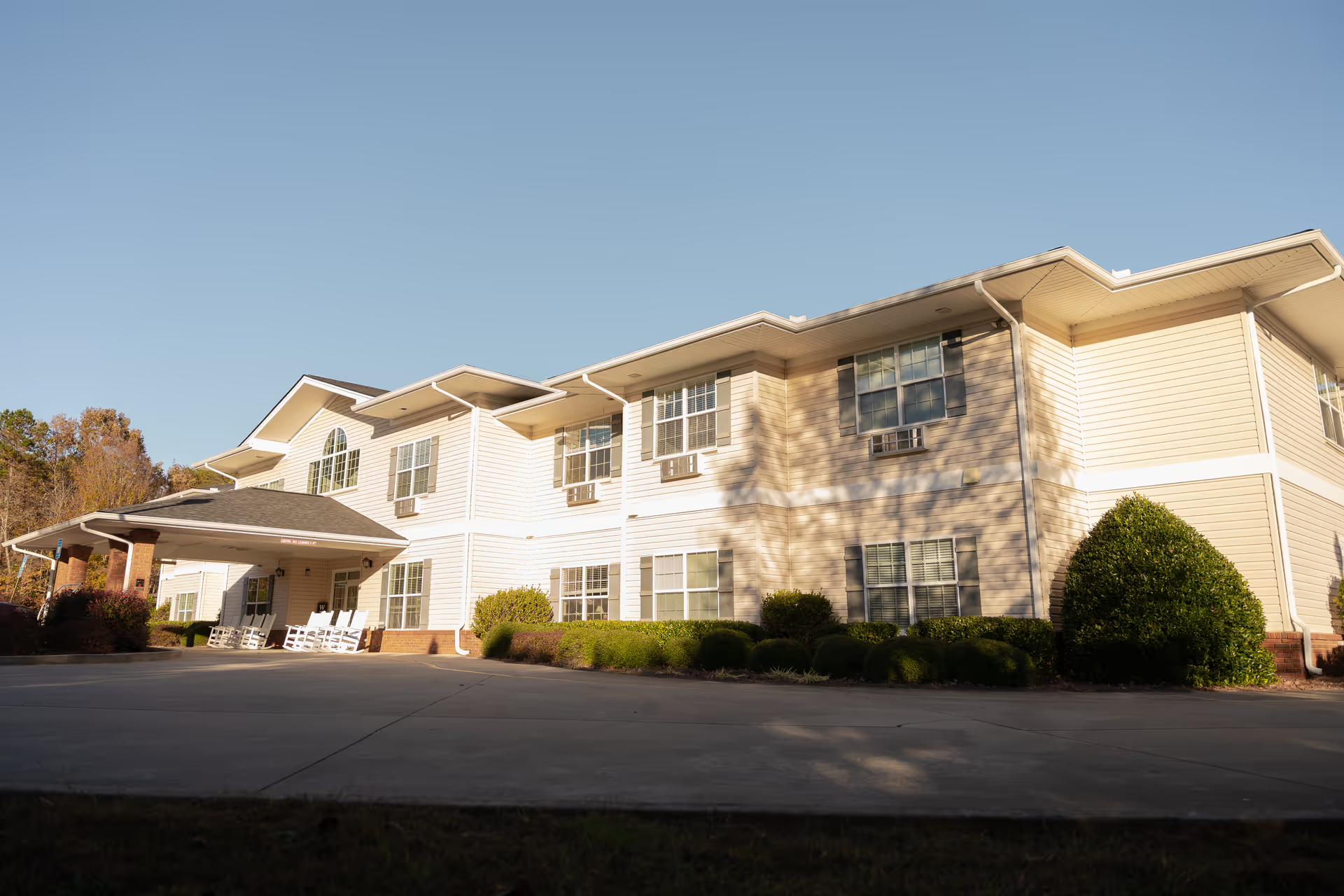
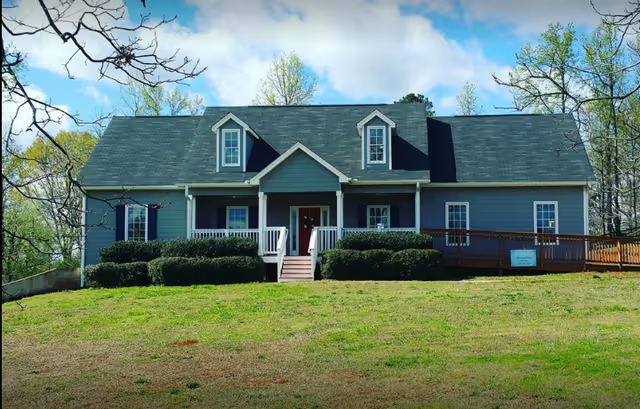
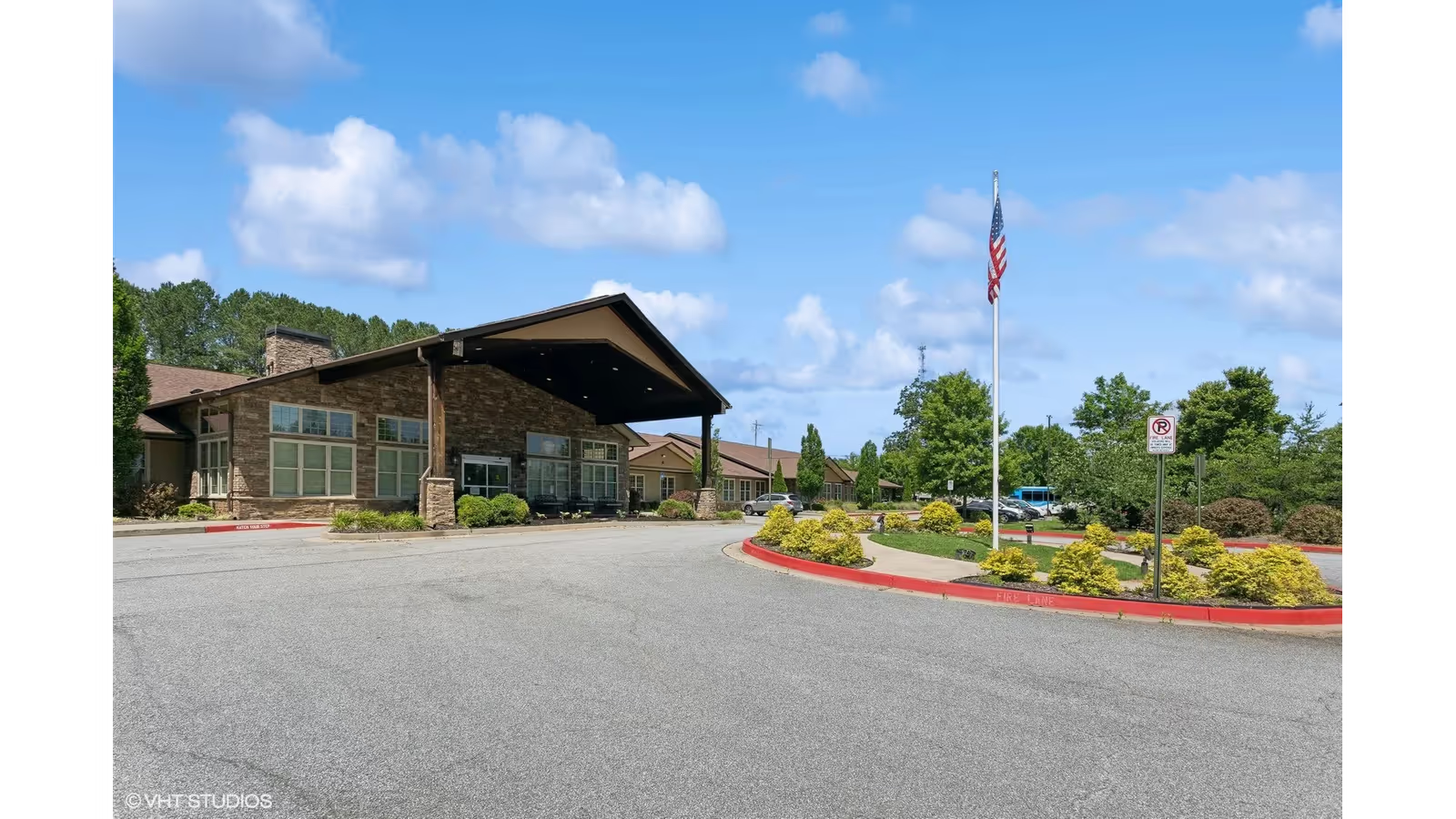
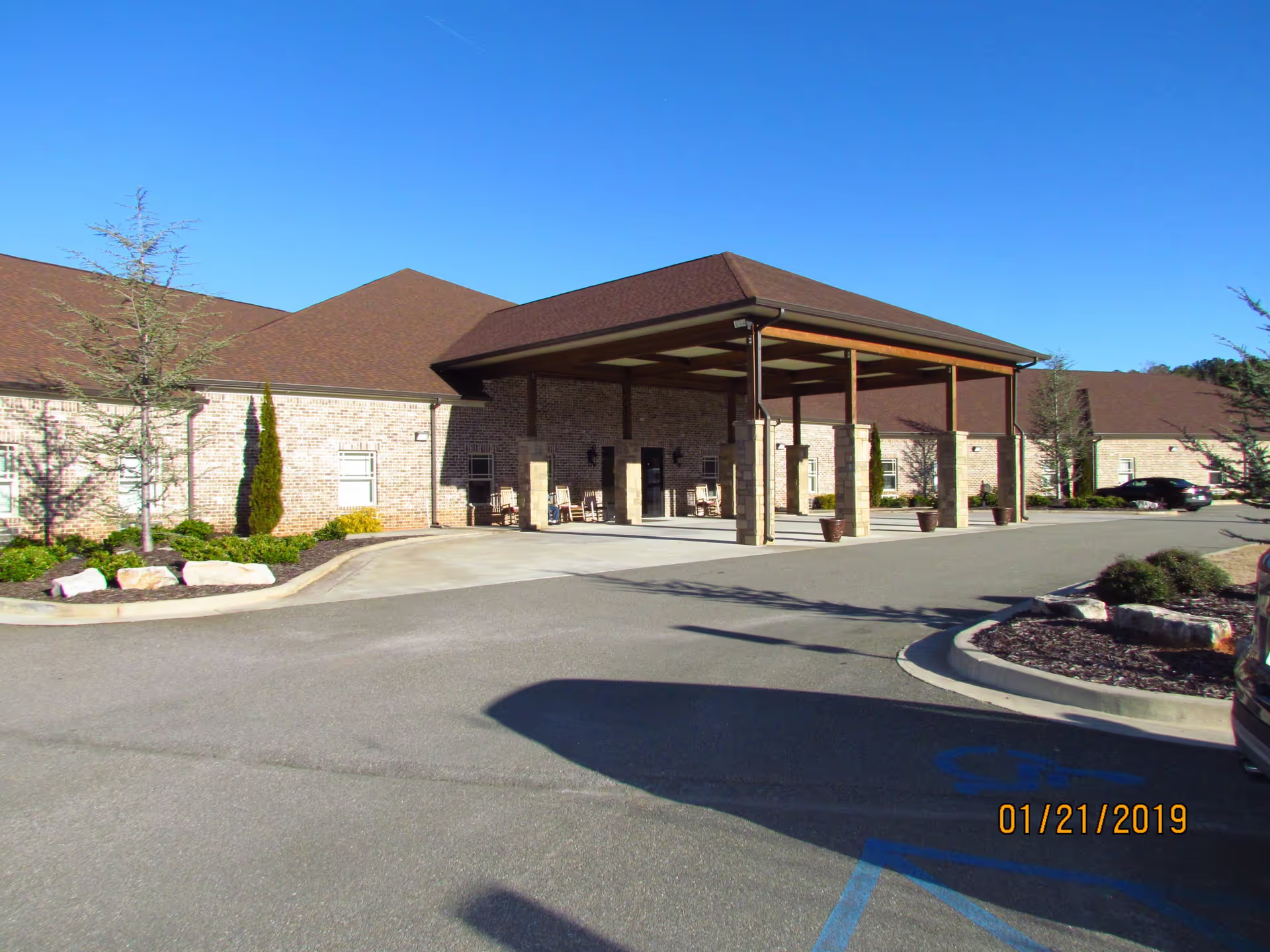
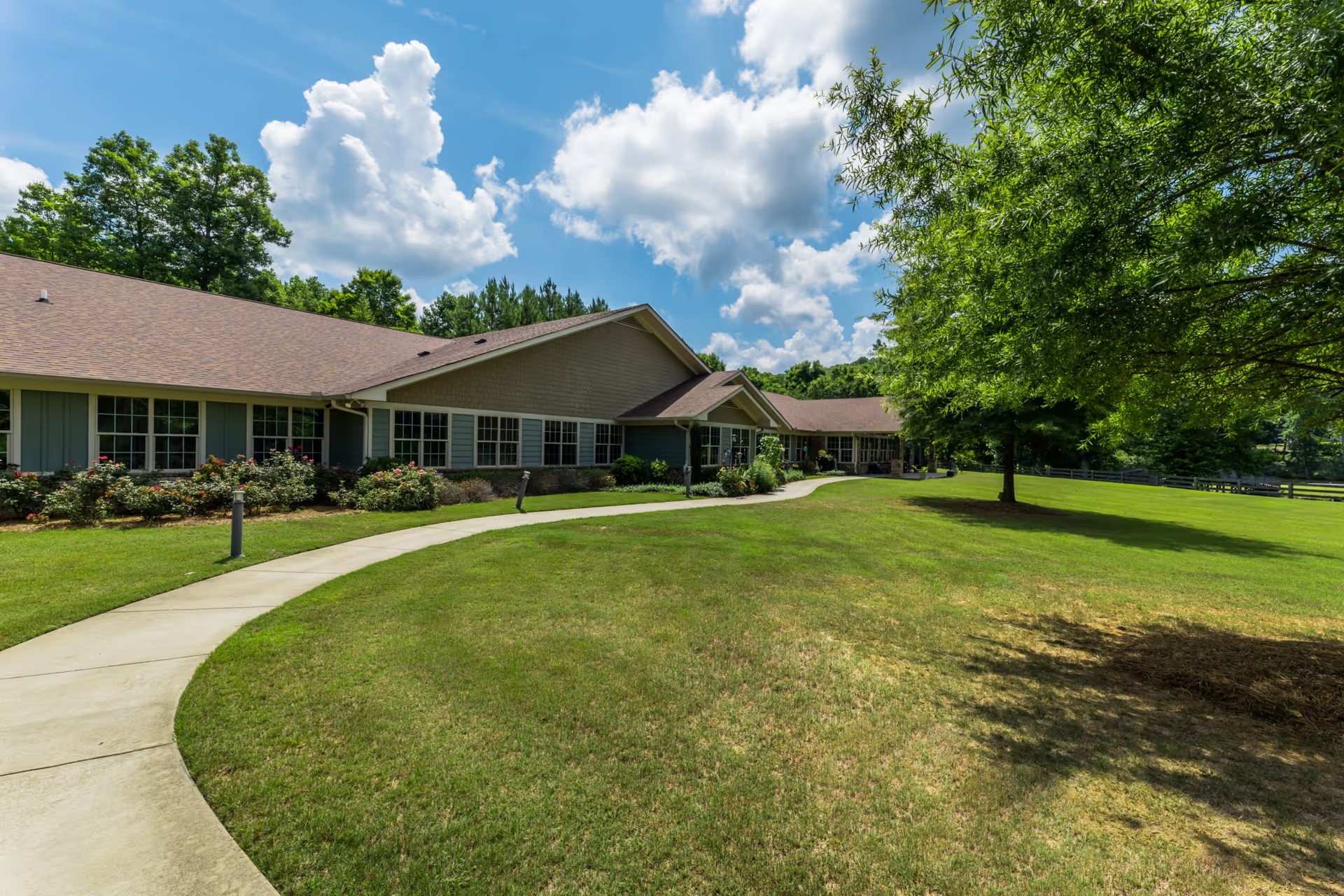
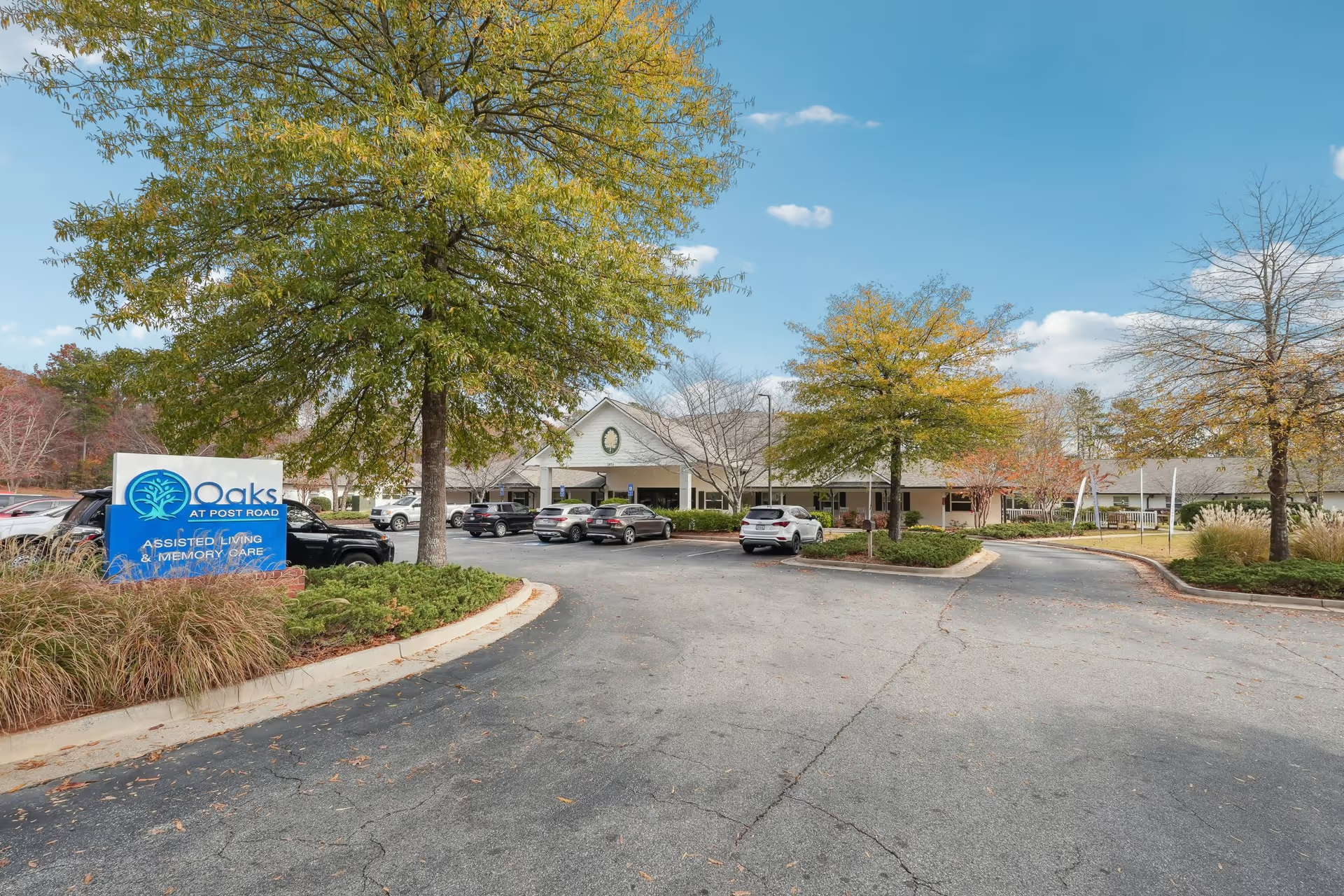
The Retreat at Jasper is described overall as a small, family‑run community with a warm, lodge‑style atmosphere and a strong emphasis on social engagement. Many families praise the staff as compassionate and welcoming, and reviewers commonly note 24/7 assistance and active medication oversight. The facility’s aesthetic — described as clean, bright, and mountain‑lodge themed — and its convenient Jasper location are frequent positives, as are the customizable resident rooms and a ranch‑style layout that reviewers find easy to navigate.
Staff performance and culture are central strengths. Numerous accounts describe staff who go above and beyond, who are attentive at meal and social times, and who involve families in care. The kitchen and activities teams earn particular mention for responsiveness, accommodating dietary preferences, celebrating birthdays, and organizing outings (mountain trips, ice cream stops, garden visits) that include residents with mobility limitations. The community also communicates capability for end‑of‑life care and coordination with outside providers, which several families found reassuring.
However, the reviews reveal several operational areas to verify during a tour. Activity availability is described as uneven: while the activities director and many programs receive high praise, activity frequency and participation appear inconsistent, particularly in the memory‑care unit. Staffing stability and experience vary — reviewers describe both long‑standing, dedicated employees and periods of turnover or departures that noticeably changed the resident experience. There are also notes about intermittent clinical leadership presence (for example, gaps in on‑site wellness/nursing leadership) that prospective families should clarify.
Dining is often described positively — tasty meals, special‑event menus, and a responsive kitchen — but a subset of comments raises concerns about repetition of menus and about meal support for residents with higher needs; some families reported bringing supplemental food when appetite or feeding assistance was an issue. Similarly, while many residents and visitors find the community well maintained and inviting, isolated maintenance and furnishings issues have been reported and suggest prospective residents should inspect room condition and ask about maintenance protocols.
Communication and management style are generally seen as strengths: reviewers describe accessible, family‑oriented ownership and staff who partner with families. Still, isolated concerns about staff communication tone and responsiveness have been raised, and a few families felt the services delivered did not match expectations tied to cost. Prospective residents and families would benefit from asking specific questions about activity schedules (especially in memory care), current clinical leadership on site, staffing ratios and turnover, and what meal and feeding supports are included in fees.
In summary, The Retreat at Jasper appears to offer a warm, activity‑focused environment with many families reporting positive experiences around staff attentiveness, social programming, and facility atmosphere. At the same time, there are recurring operational themes—activity consistency, staffing stability, clinical leadership presence, and meal support for higher‑need residents—that warrant direct inquiry during a visit to ensure the community’s current practices match an individual resident’s needs and expectations.