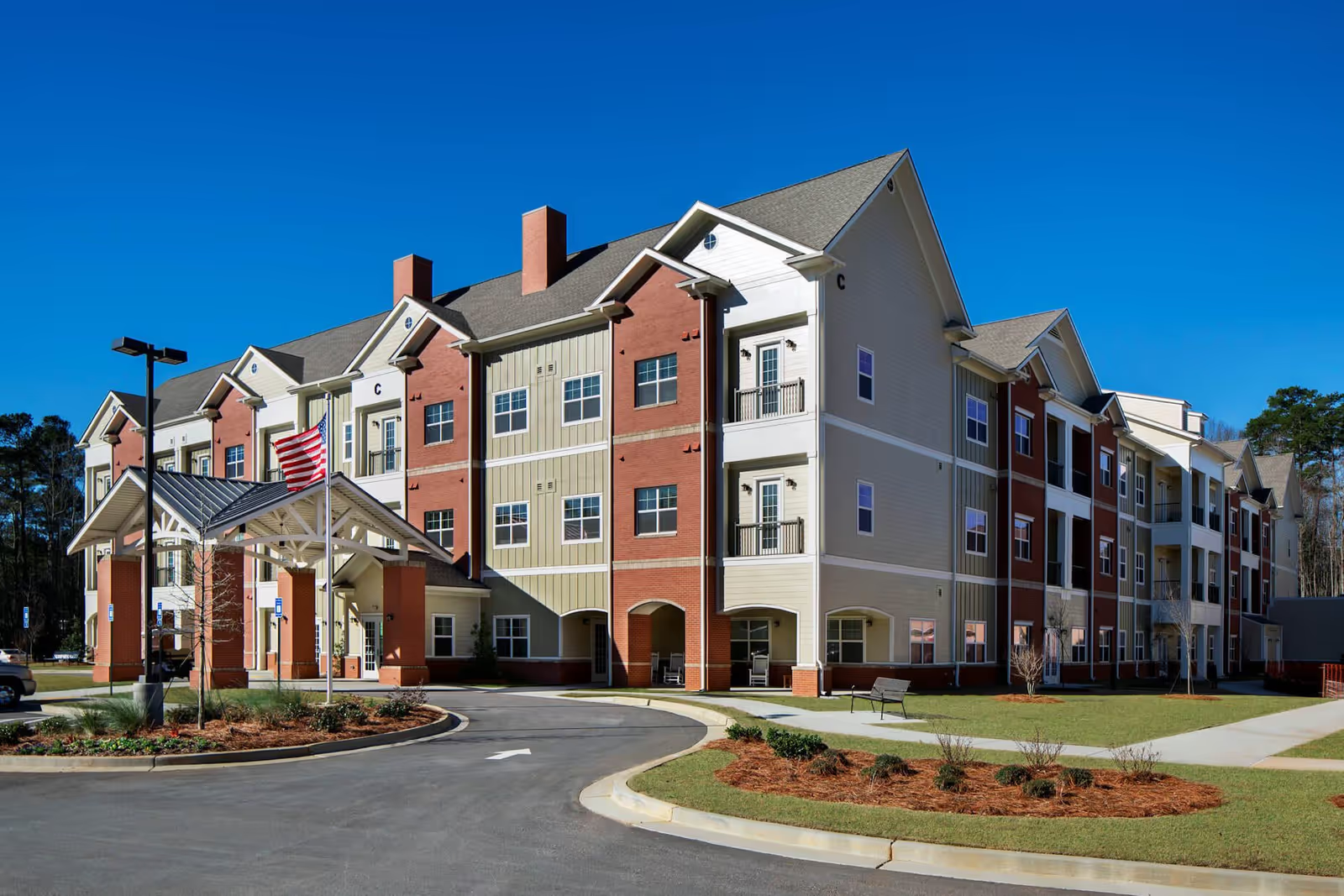
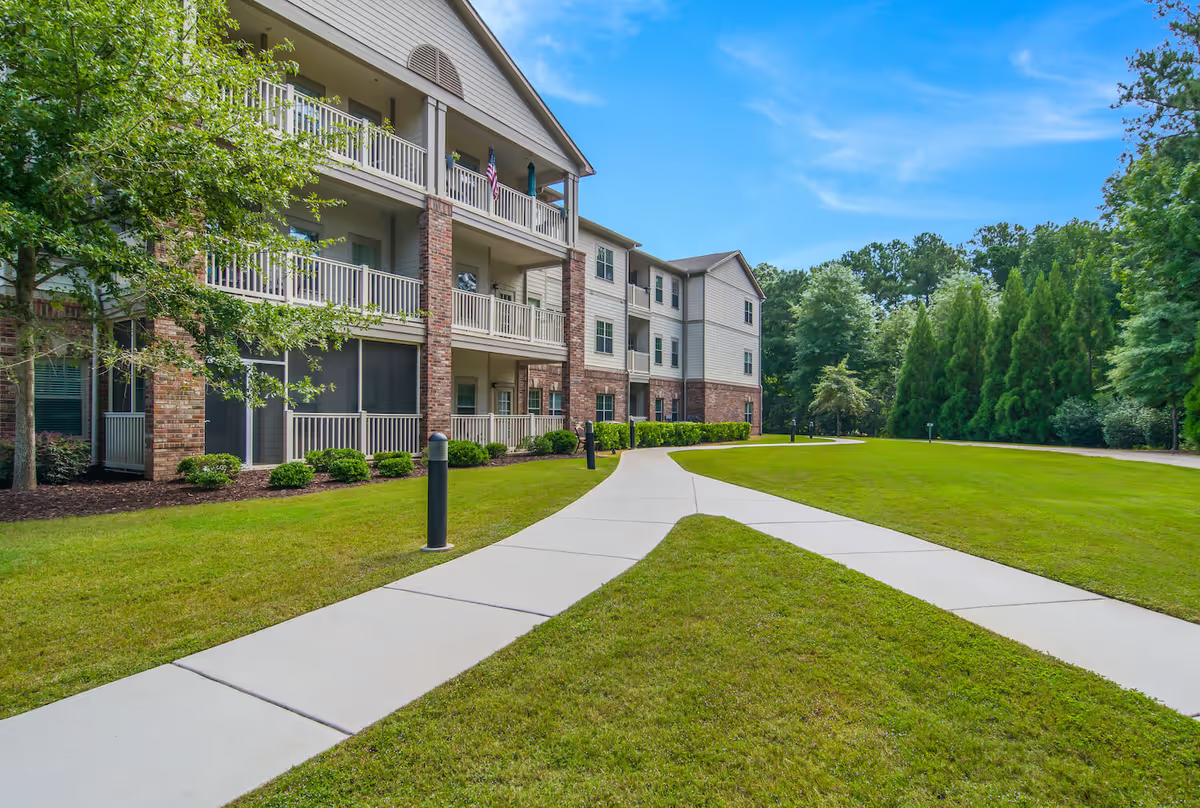
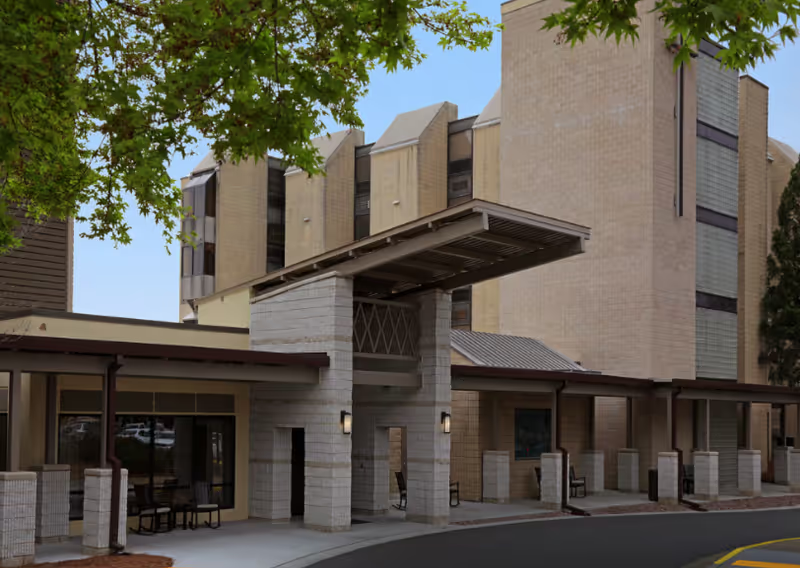
The reviews for Fayetteville Center for Nursing and Healing present a highly mixed picture. Many families praise individual caregivers—particularly CNAs, some nurses, therapists, and front‑desk staff—for compassionate attention, effective rehabilitation, and helpful admissions support. Several administrators and nurse practitioners are singled out for proactive family communication and clinical follow‑through. Physically, the facility includes clean, bright common spaces and some modernized wings and private rooms that families found comfortable.
At the same time, a substantial set of operational weaknesses recurs across reviews. Staffing levels and responsiveness are inconsistent; reviewers describe delays in answering call buttons and limited overnight coverage. Those staffing gaps appear linked to broader clinical risks: missed or delayed medication doses, inconsistent monitoring (including blood‑sugar and catheter oversight), and, in some cases, rehospitalizations. Families also describe delays in incident escalation and in notification after falls or medical changes, indicating process gaps in emergency response and family communication.
Therapy and rehabilitation receive mixed commentary: many reviewers report strong, effective PT/OT services and good progress toward discharge, while others cite short session durations, limited equipment, or therapy plans that were halted prematurely. Dining and nutrition are another area of variability; some residents found meals acceptable, but others described repetitive menus, cold meals, and inconsistent adherence to dietary needs. Activities and amenity offerings exist but were limited at times by infection‑control restrictions or staffing.
Facility upkeep and safety show uneven performance. Several families praised cleanliness and bright common areas, yet other reviews raise sanitation concerns, pest‑control issues in parts of the building, worn room furnishings, and delayed maintenance (leaks, broken phones, flooring). Transfer and mobility practices and certain handling techniques are identified as safety weaknesses, with accounts of falls and transfer‑related injuries prompting calls for stronger protocols and equipment use. Reviews also raise troubling concerns about personal‑property security and financial controls, including allegations of missing belongings and an allegation of fraudulent electronic signature/financial exploitation.
Management and accountability appear inconsistent between unit‑level leaders and upper management. Some administrators receive strong commendation for communication and responsiveness; others are described as difficult to reach or constrained by corporate practices. That variability contributes to a polarized overall picture: the facility can provide effective rehabilitation and caring bedside interactions when staffing and leadership align, but recurring systemic issues—staffing, clinical oversight, communication, sanitation, and maintenance—create reliability risks that families should evaluate closely. Prospective residents and their families would benefit from direct questions about staffing ratios, fall‑prevention protocols, medication‑administration checks, property‑security measures, after‑hours communication processes, and discharge/transition planning during tours or admissions conversations.