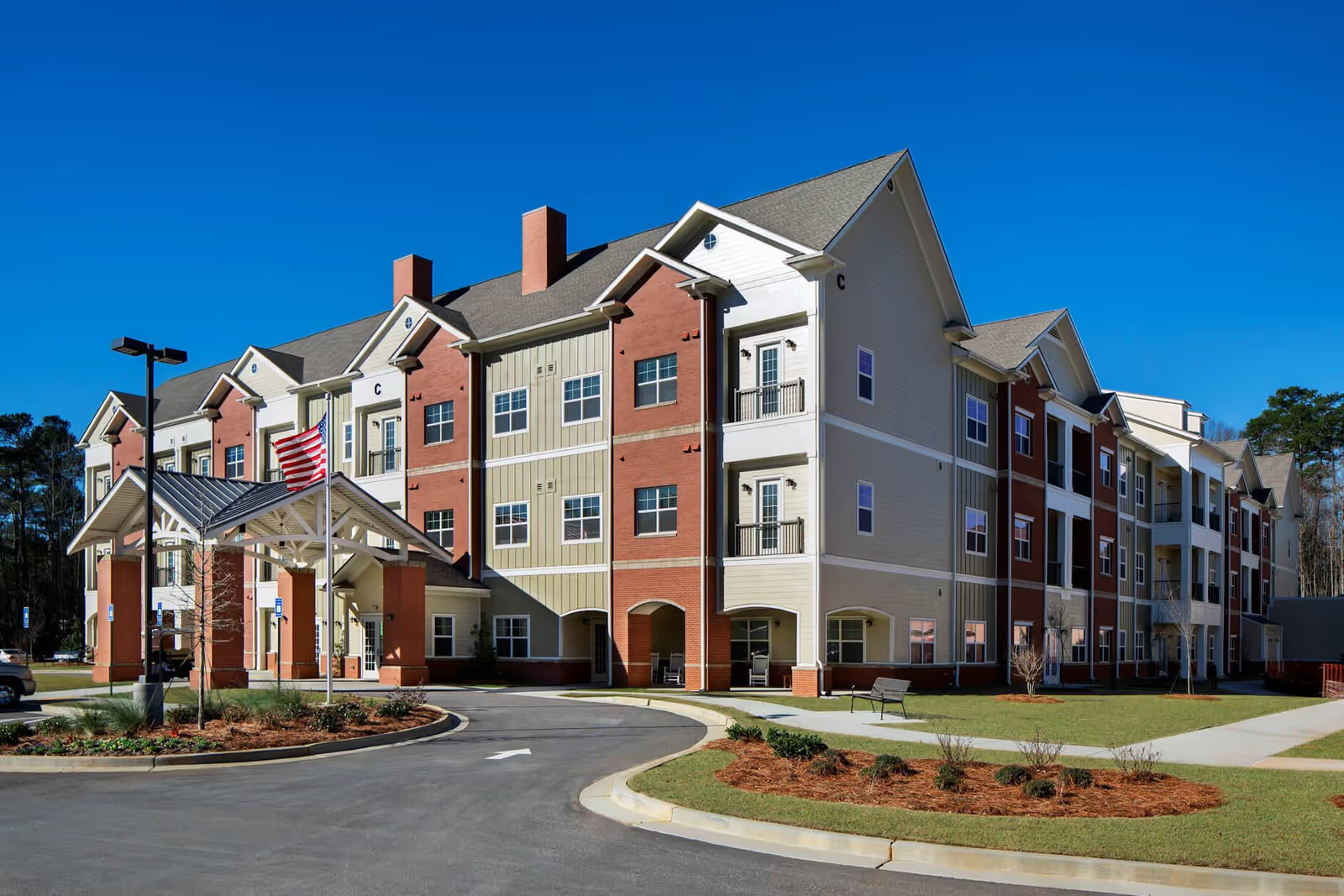
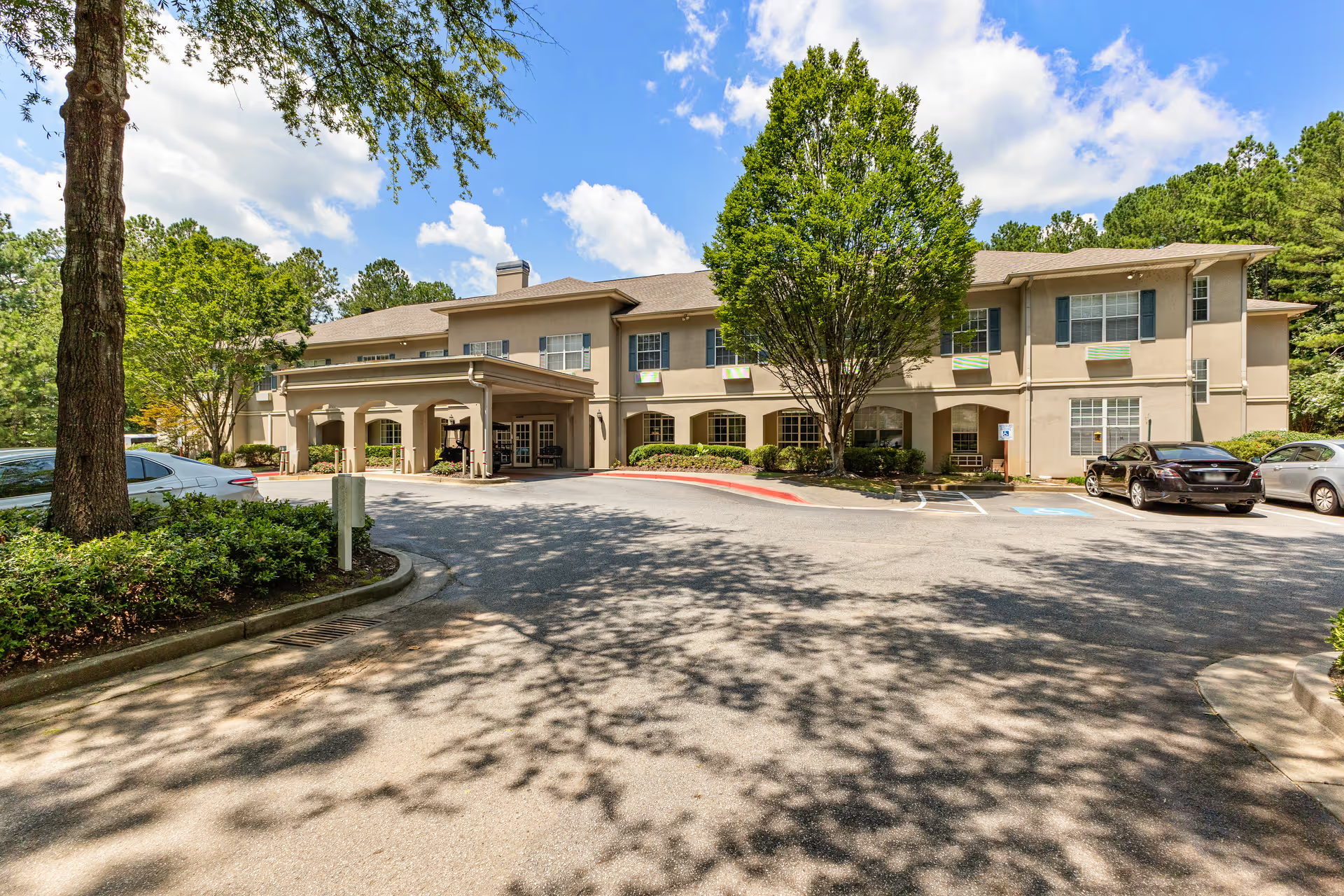
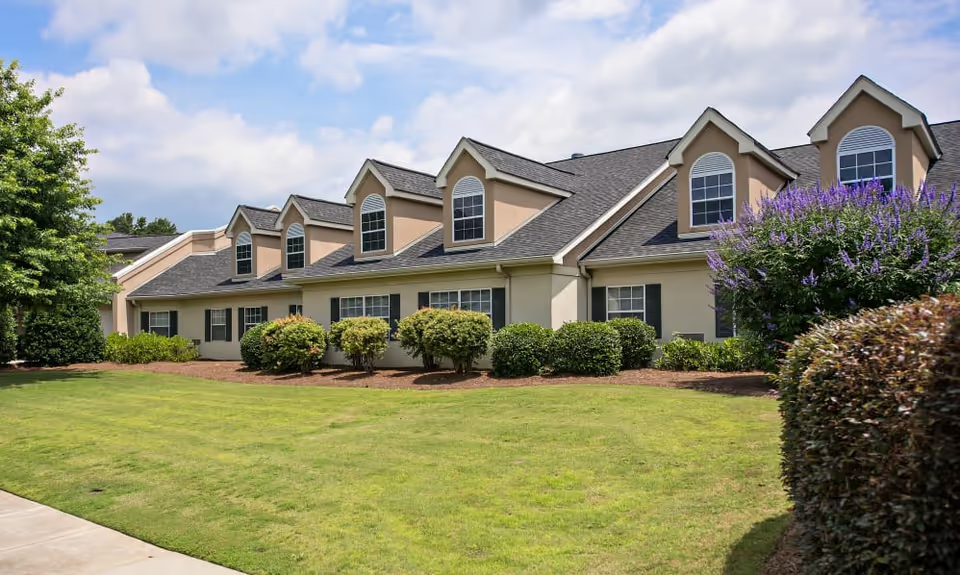
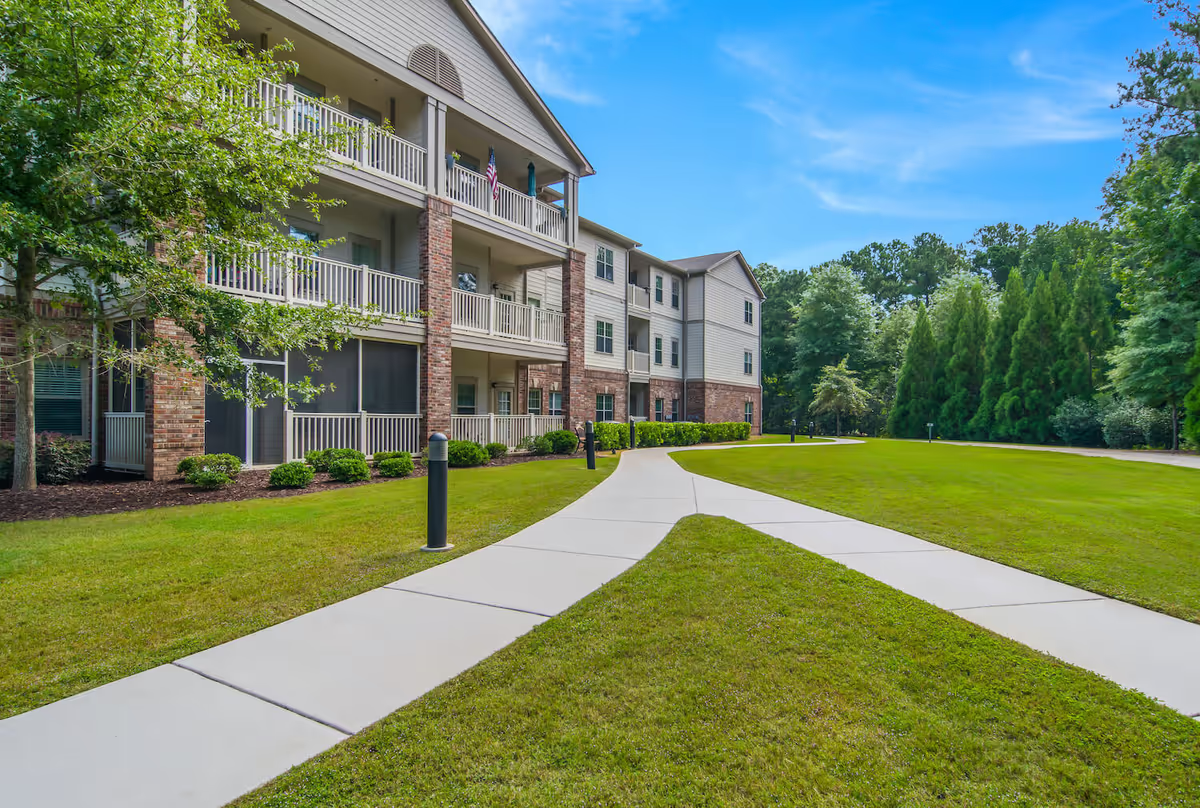
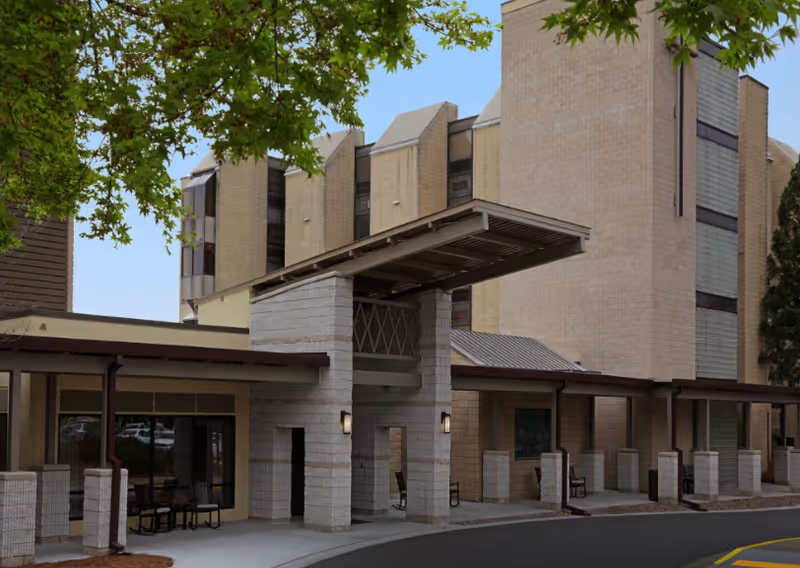
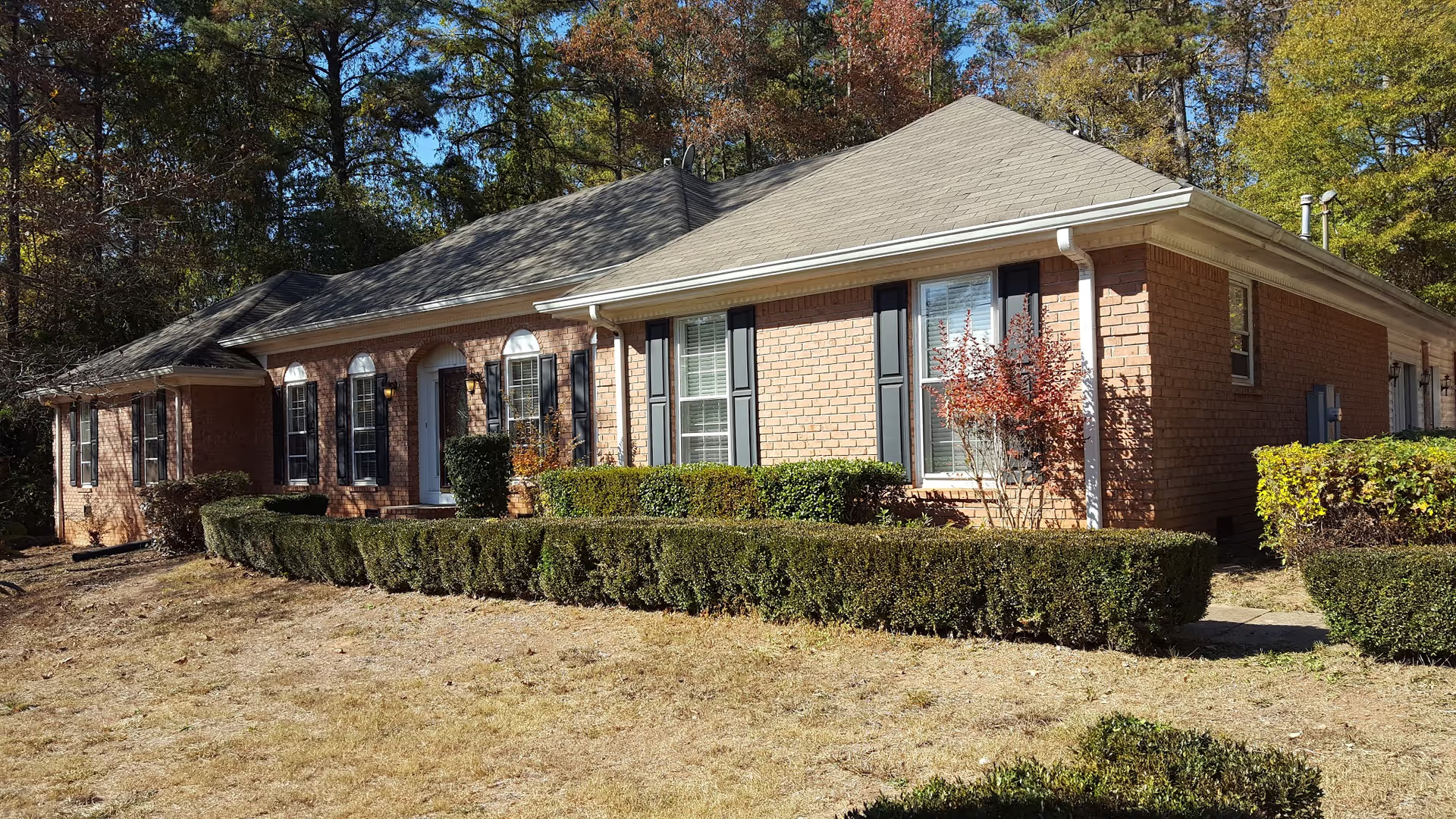
Overall impressions of The Oaks at Fayetteville are mixed but lean positive: many families and visitors describe a clean, well-presented community with warm décor, comfortable common areas and a range of resident amenities such as a courtyard, theater room, salon, on-site therapy, and transportation for outings and medical appointments. Apartment layouts are often noted as spacious for the level of care, with accessible bathrooms and in-unit refrigerators reported in many units. The environment is frequently characterized as homelike and inviting.
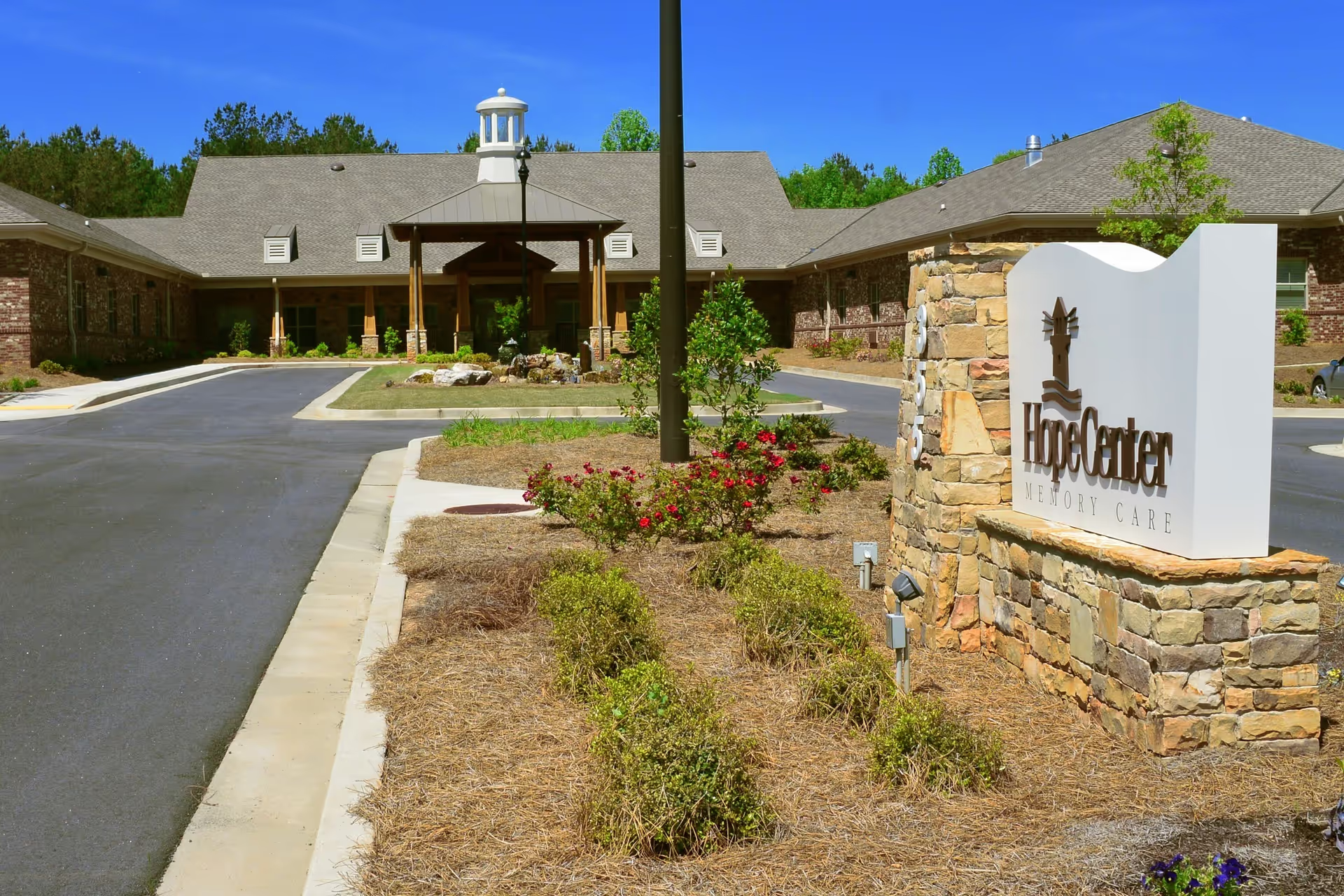
Care and staffing are central strengths for many reviewers: staff are most often described as compassionate, professional and engaged, with specific praise for helpful directors and care managers who maintain open communication with families. The memory-care unit has its own proponents who describe structured supervision, life-story displays, and activities tailored to residents with cognitive impairment. On-site clinical services (OT/PT) and attentive dining staff who offer dietary accommodations and meal customization also contribute to positive experiences.
However, a consistent pattern of operational concerns appears across reviews. Staffing variability and turnover are recurrent themes and are linked to continuity issues in daily care and activities. Several accounts point to inconsistencies in medication administration and pharmacy coordination, and some families reported missed doses or medication supply problems. Communication gaps and responsiveness from management and front-desk staff were also cited, including delayed follow-up and voicemail or phone-handling problems. Financial-administration weaknesses — billing errors, pricing increases, and disputes over pharmacy or billing plans — are another area of concern.
Dining and activities produce mixed feedback: many residents praise the food presentation, generous portions and menu forums, but other families report uneven food quality and limited healthy-snack options. The activities program is varied (music, arts and crafts, bingo, exercise, outings), though some reviewers felt programming was less robust for men or less engaging in the memory-care unit. Facility-level maintenance items were mentioned as well — exterior power-washing, landscaping, and the need for more open outdoor space — along with occasional accessibility frustrations related to building layout and elevator access.
There are a small number of serious individual allegations — including claims about inappropriate financial solicitations within care settings and pest-control concerns — that warrant direct discussion with administration and review of facility corrective actions before making placement decisions. Prospective residents and families should weigh the generally positive reports of staff warmth, cleanliness and amenities against the noted operational patterns: verify current staffing levels, medication-management protocols, billing practices, security procedures, and activity schedules during a visit. Asking for written policies, recent inspection or corrective-action documentation, and references from current families can help clarify whether the facility’s strengths align with a particular resident’s needs.