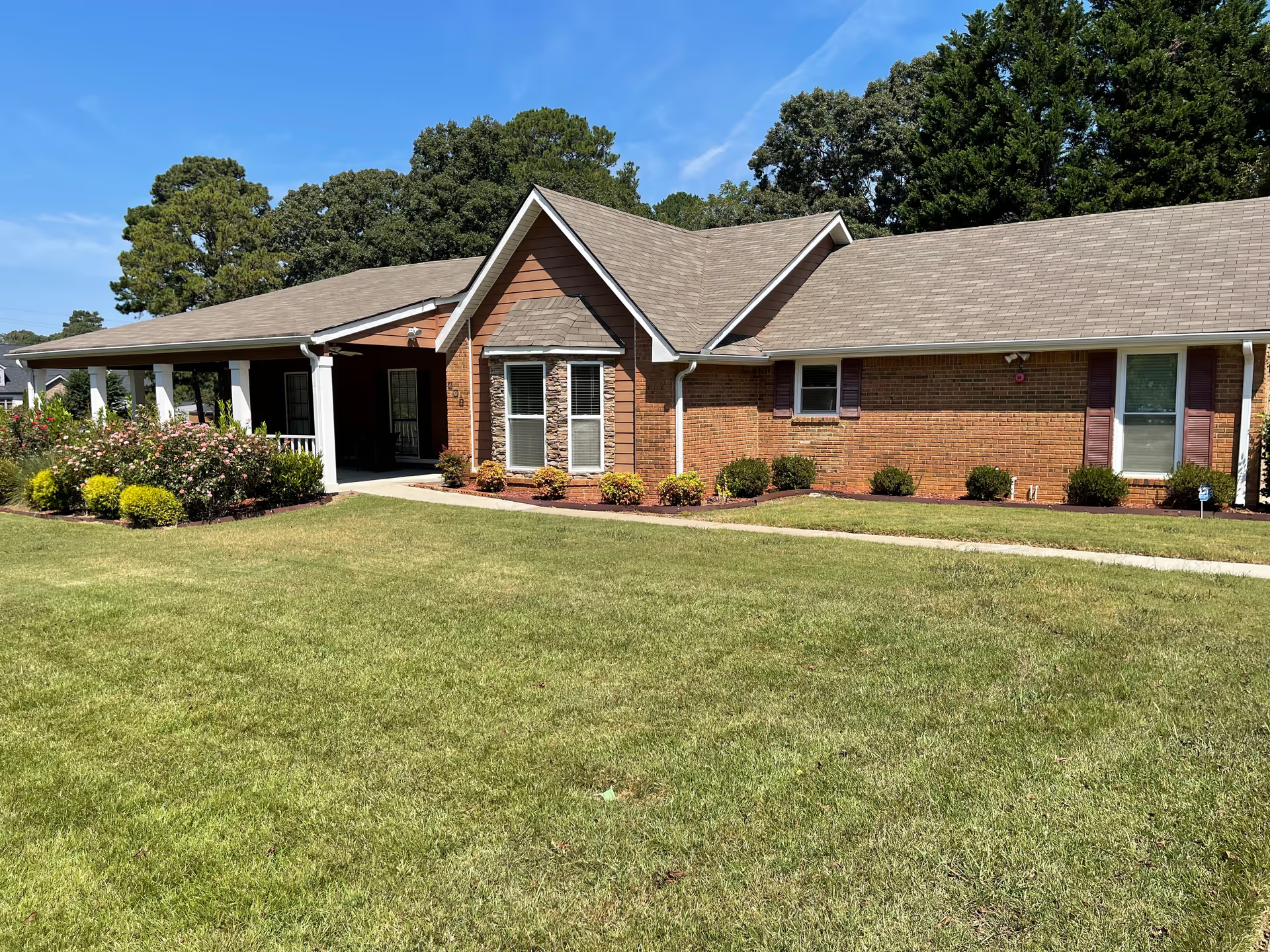
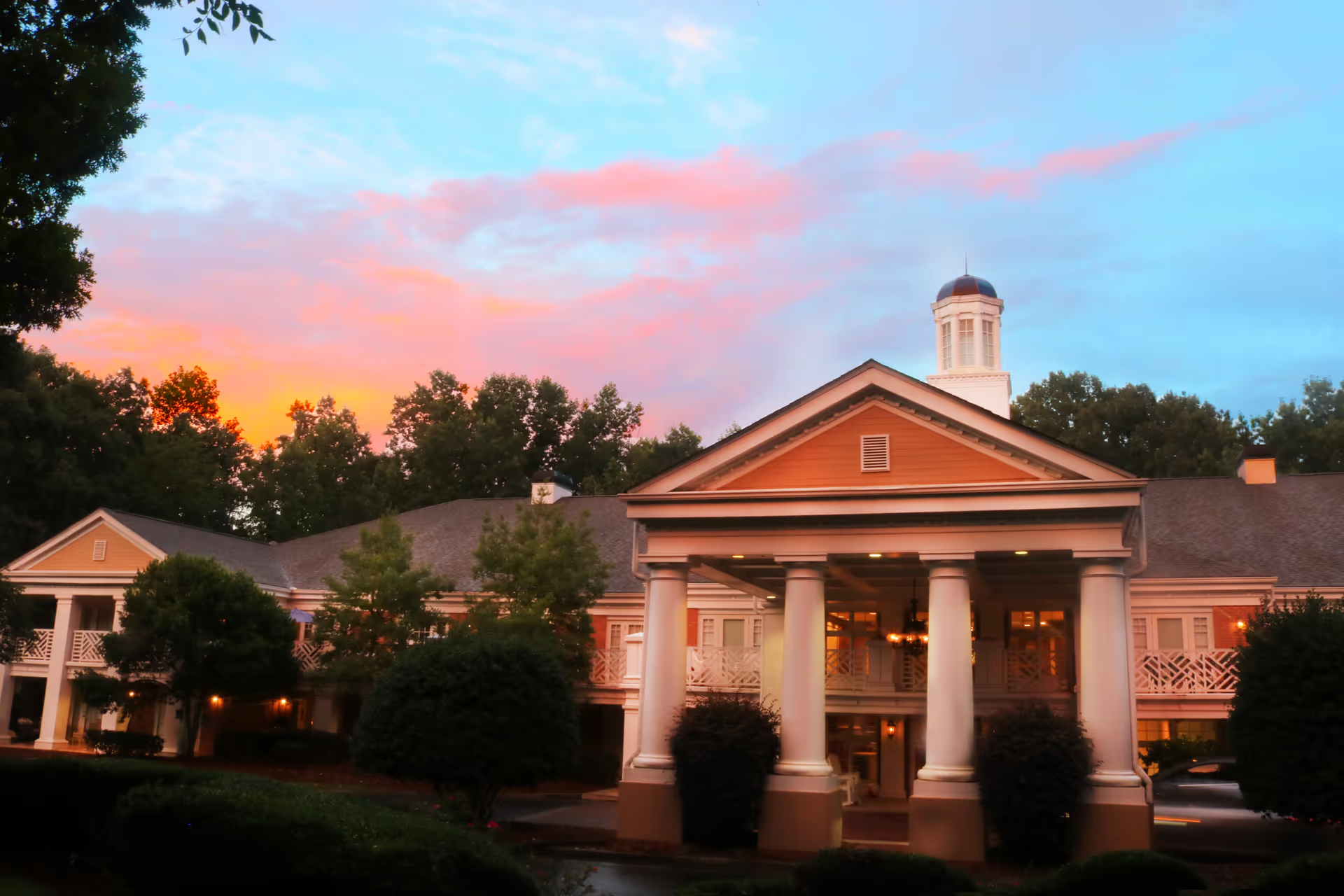
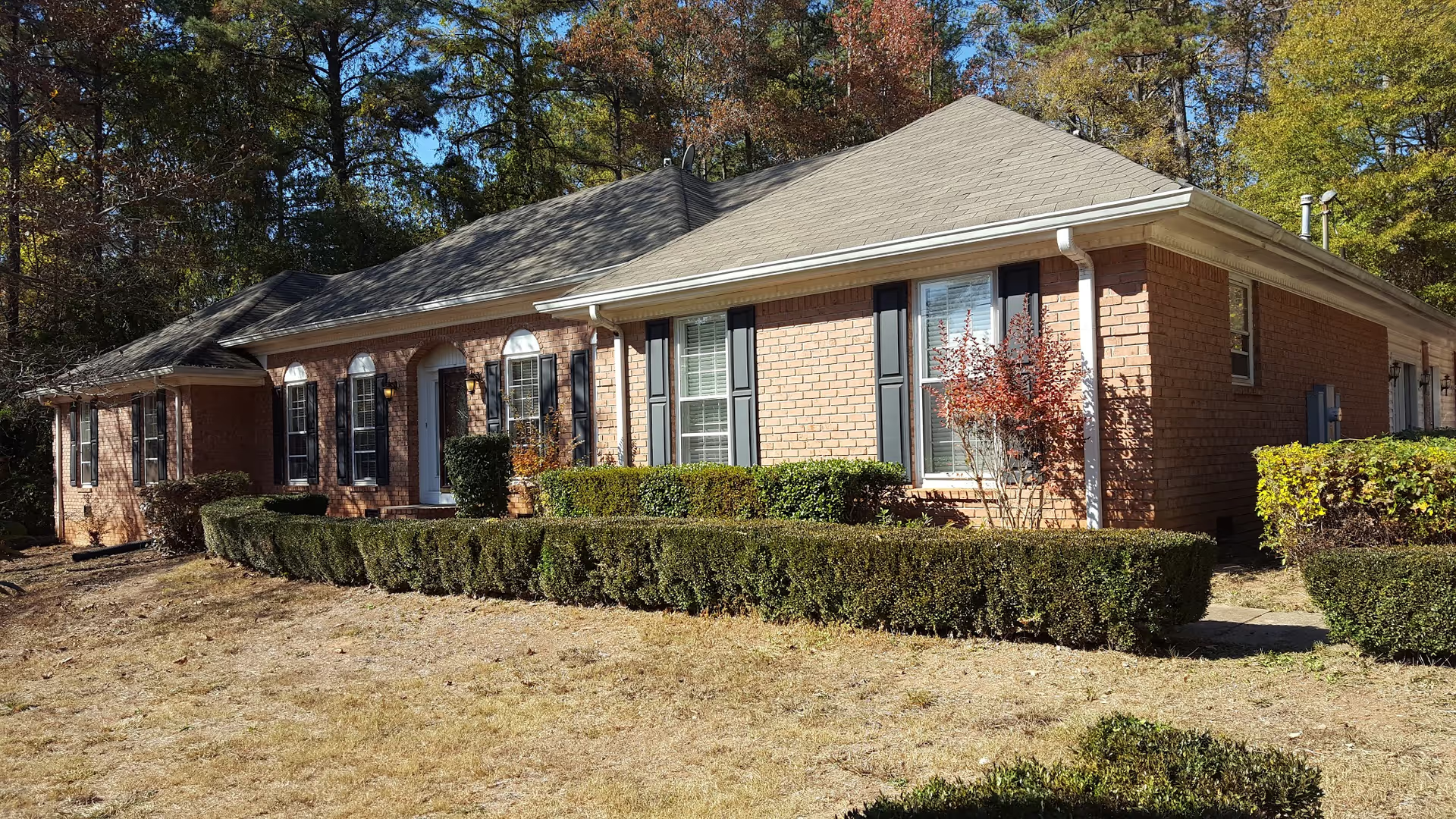
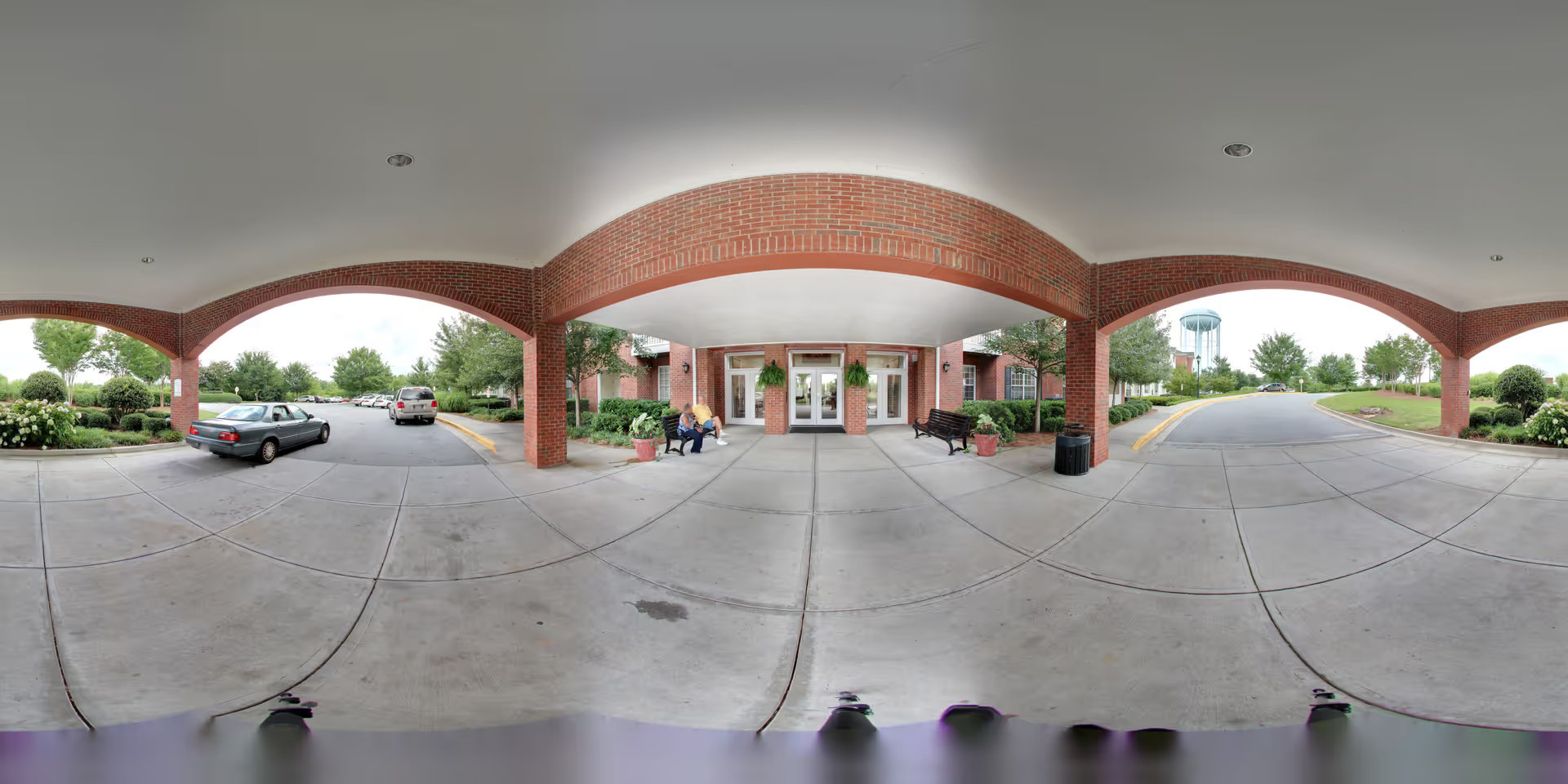
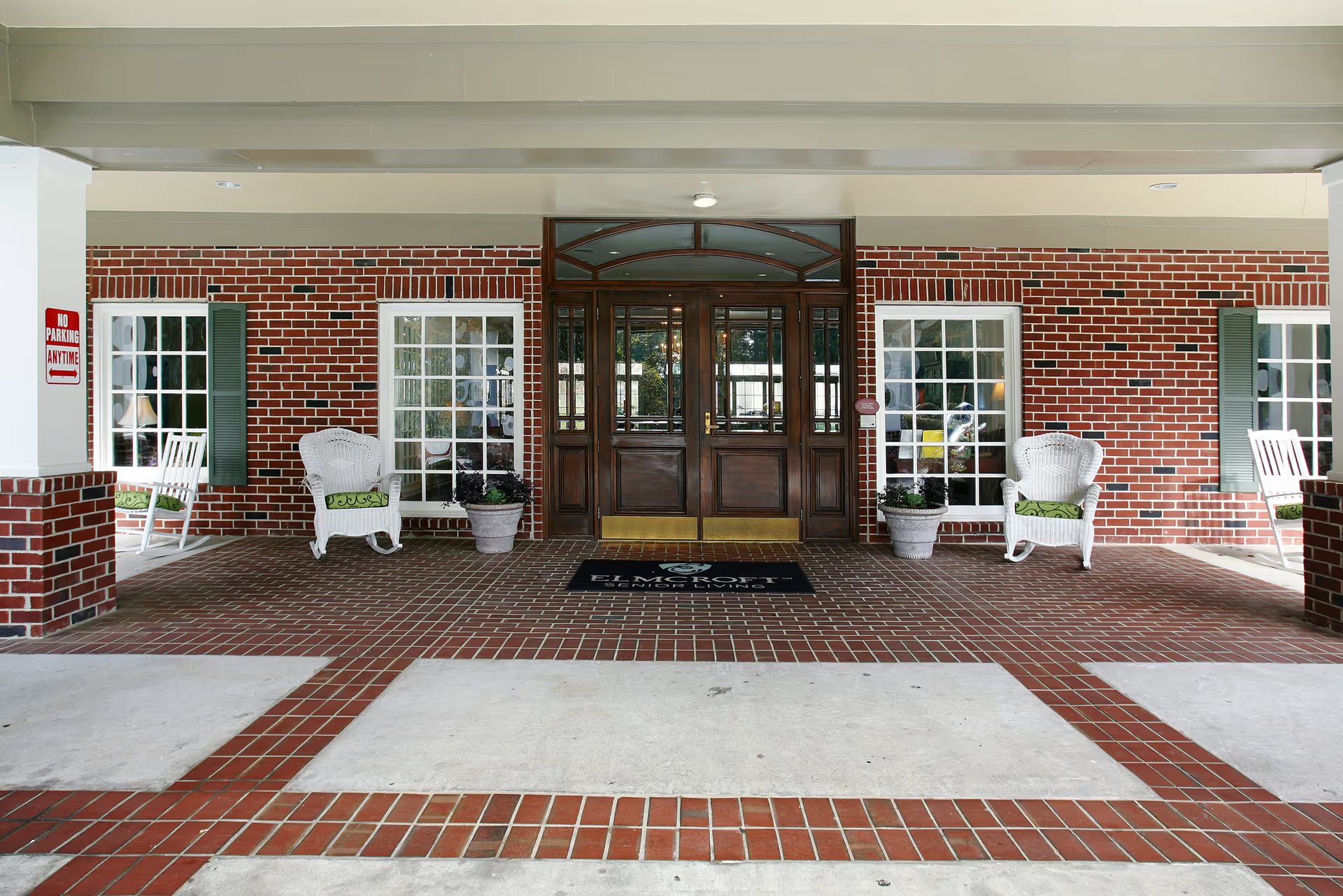
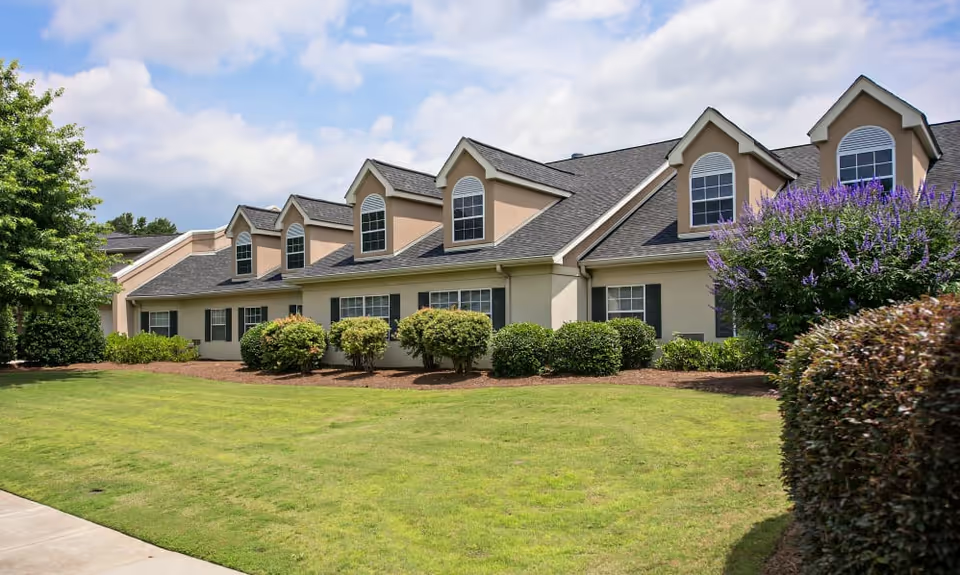
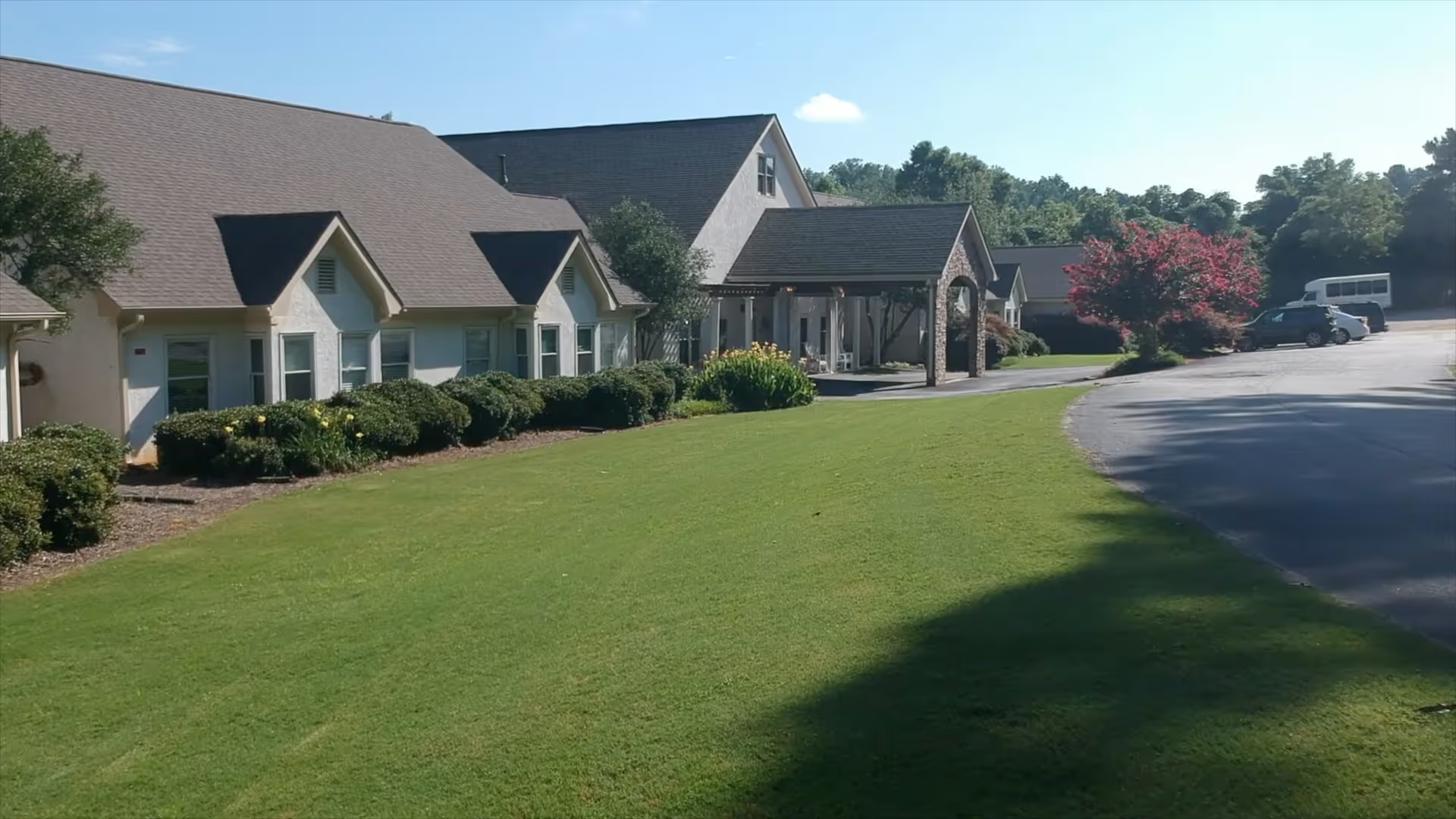
Overall impression: The Gardenias presents as a small, home‑style senior community that many families praise for its spacious private rooms, personalized décor opportunities, and a visible emphasis on interpersonal caregiving. Numerous comments highlight compassionate, hands‑on staff, dementia-care competence, and active coordination with hospice and families. The community’s on-site amenities (movie room, library, salon), fenced outdoor seating, and secure front-door procedures are repeatedly cited as strengths that support resident comfort and family reassurance.
Care and staff: Strengths in direct resident care appear to be a prominent pattern: reviewers describe attentive caregivers, individualized meal servicing, assistance with walking aids, and staff who learn resident preferences. Several families credited staff with resolving health issues or stabilizing weight through close attention. At the same time, reviews indicate variability in staffing consistency and clinical oversight. Concerns include limited nurse presence at times, slower responsiveness during staffing gaps, occasional questions about medication monitoring, and isolated concerns about staff conduct and transfer-safety practices. Prospective families should ask about current staffing ratios, weekend coverage, clinical staffing schedules, and policies for transfers and incident reporting.
Dining: Dining experiences range from highly positive to inconsistent. Many reviewers appreciate made‑to‑order meals, individualized modifications, and friendly kitchen staff. Others described occasions of forgotten meals, limited menu variety, or unappealing preparations. The pattern suggests that meal quality and service continuity may depend on staffing and shift coverage; prospective residents should review sample menus, observe a mealtime, and ask how the facility manages meal continuity during staff transitions.
Activities and social life: The Gardenias offers activity spaces and social programming in some instances—bingo, prayer groups, crafts, movie nights, and outdoor socializing are noted. However, several accounts describe sparse programming, ad‑hoc or handwritten activity schedules, and periods with few visible activities. The small community size contributes to a quieter, less institutional atmosphere but can also limit the breadth and frequency of organized activities. Ask for a current activities calendar, staff-to-activity ratio, and examples of recent programming tailored to residents’ cognitive and physical needs.
Facilities and safety: Physical accommodations receive mixed but specific commentary. Positive points include large rooms, wheelchair‑accessible showers, grab bars, and comfortable common areas. At the same time, some reviewers raised sanitation concerns, intermittent maintenance needs (rooms needing painting or updating), potential fall risks related to flooring, and infrastructure limitations such as unreliable wifi and absent intercom/bell systems. There are also references to limited grounds due to small acreage. During a tour, inspect bathrooms, flooring, outdoor access points, and ask about maintenance schedules, infection-control policies, and recent safety assessments.
Management and operations: Management impressions vary from responsive and communicative to inconsistent. Several families praised directors who provided weekly updates and worked with families on care plans. Conversely, other accounts describe unprepared admissions, poor communication during visits, and administrative lapses. There are mentions of regulatory or complaint activity in some accounts, which suggests checking recent inspection reports and complaint resolutions. Important questions include how the facility handles staffing shortages, family communication protocols, emergency communications, and recent regulatory findings.
Notable patterns and recommendations: The overall pattern is one of contrast—many families express high satisfaction with individualized care, compassionate staff, and a home‑like setting, while others report operational inconsistencies that affect cleanliness, meal service, activities, and responsiveness. The small size of the community is both a strength (personalized attention, quieter environment) and a limitation (fewer activities, smaller grounds, variable staffing depth). For decision making, arrange multiple visits (including at mealtime and during an activity), request current staffing and clinical coverage schedules, review the most recent inspection and complaint history, and ask for references from current families. These steps will help determine whether The Gardenias’ strengths align with a prospective resident’s clinical needs and lifestyle preferences.