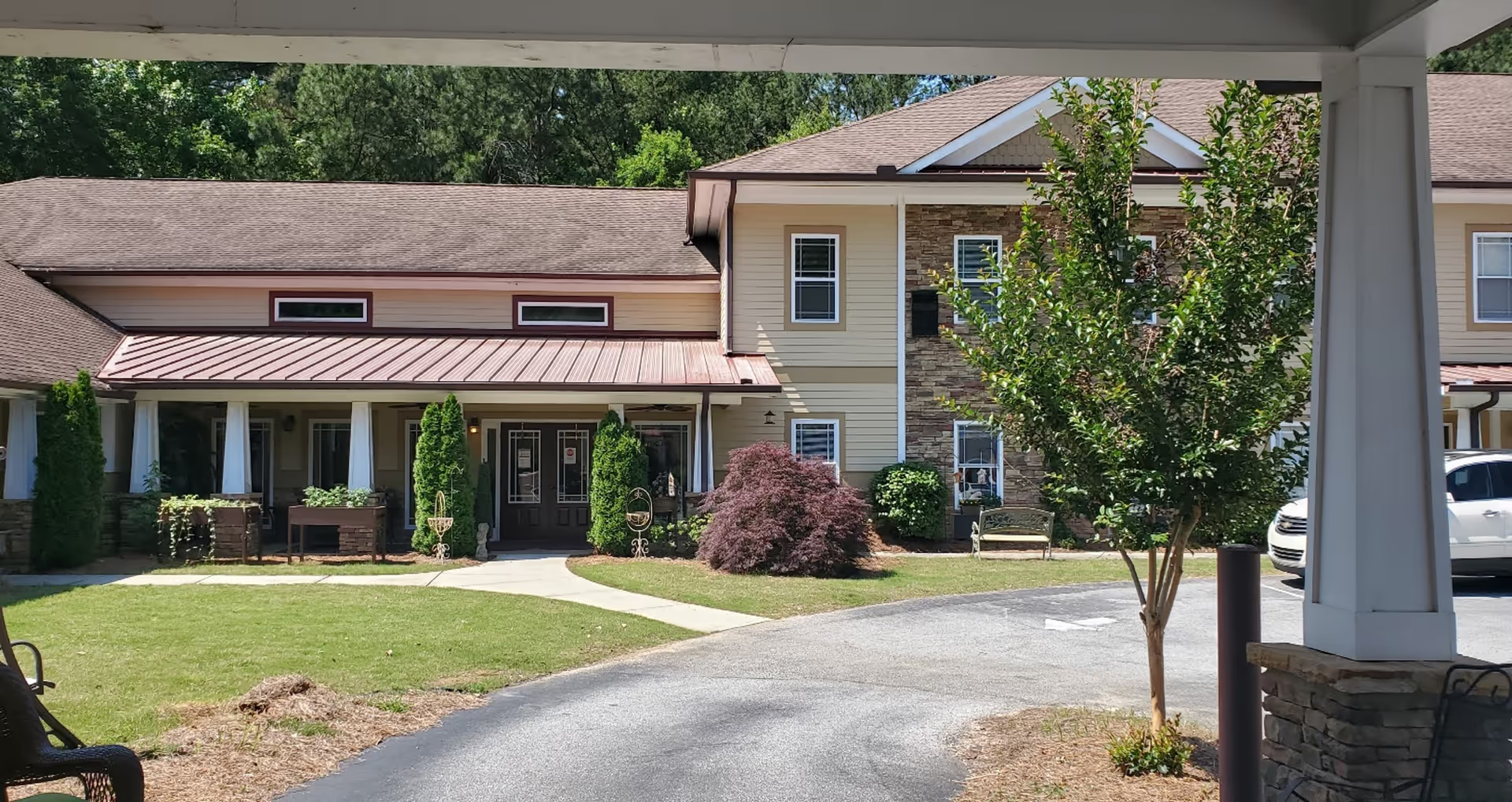
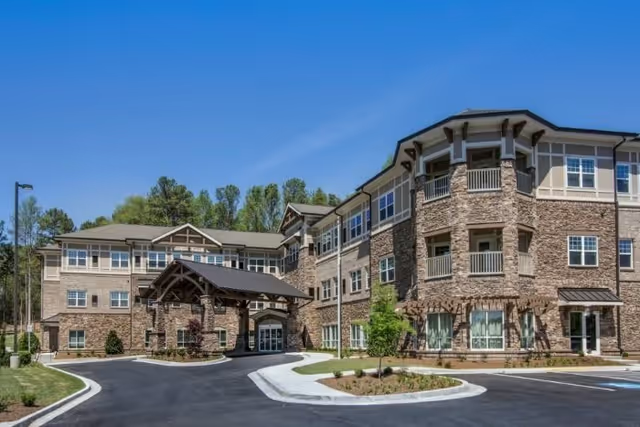
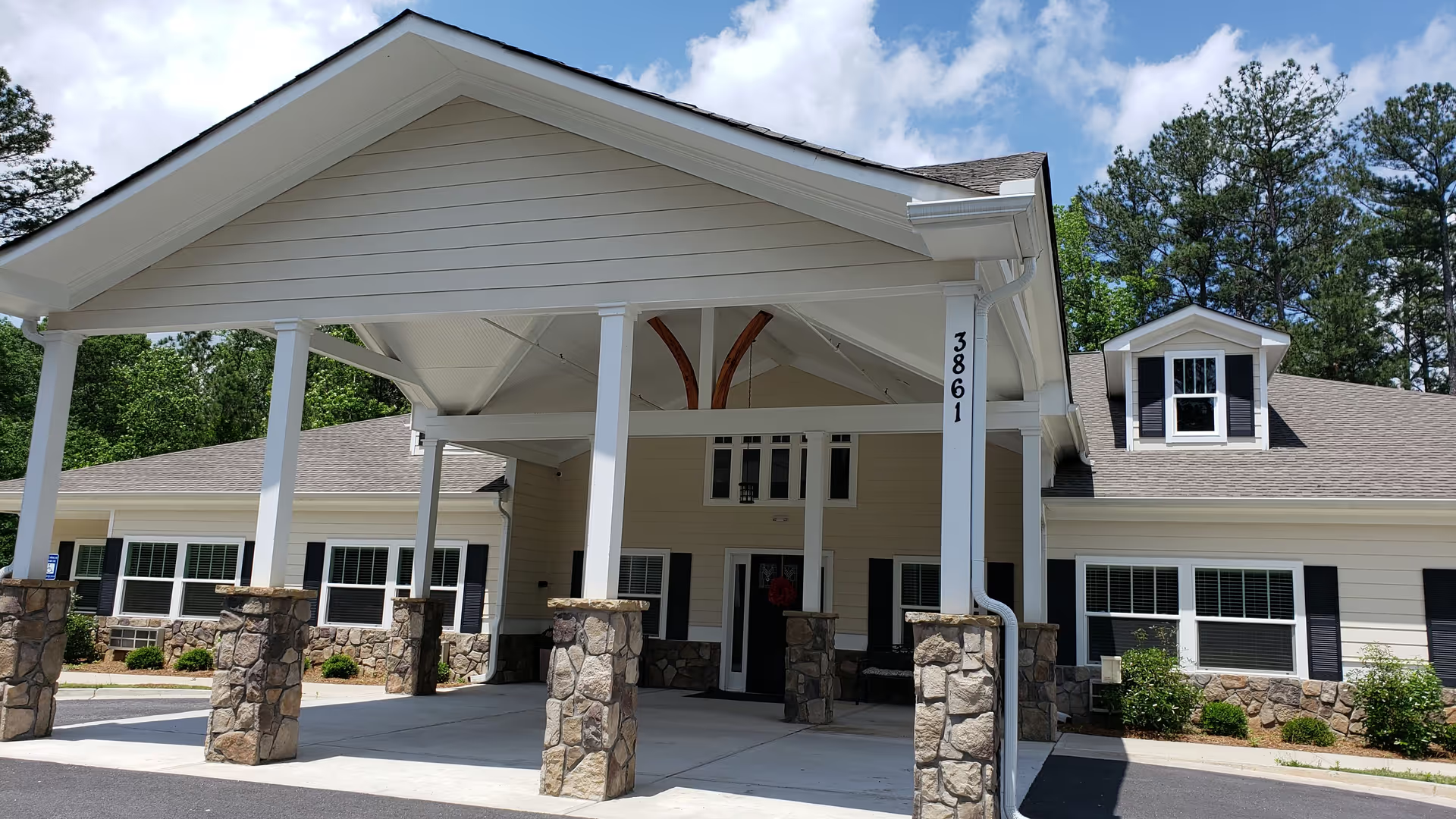
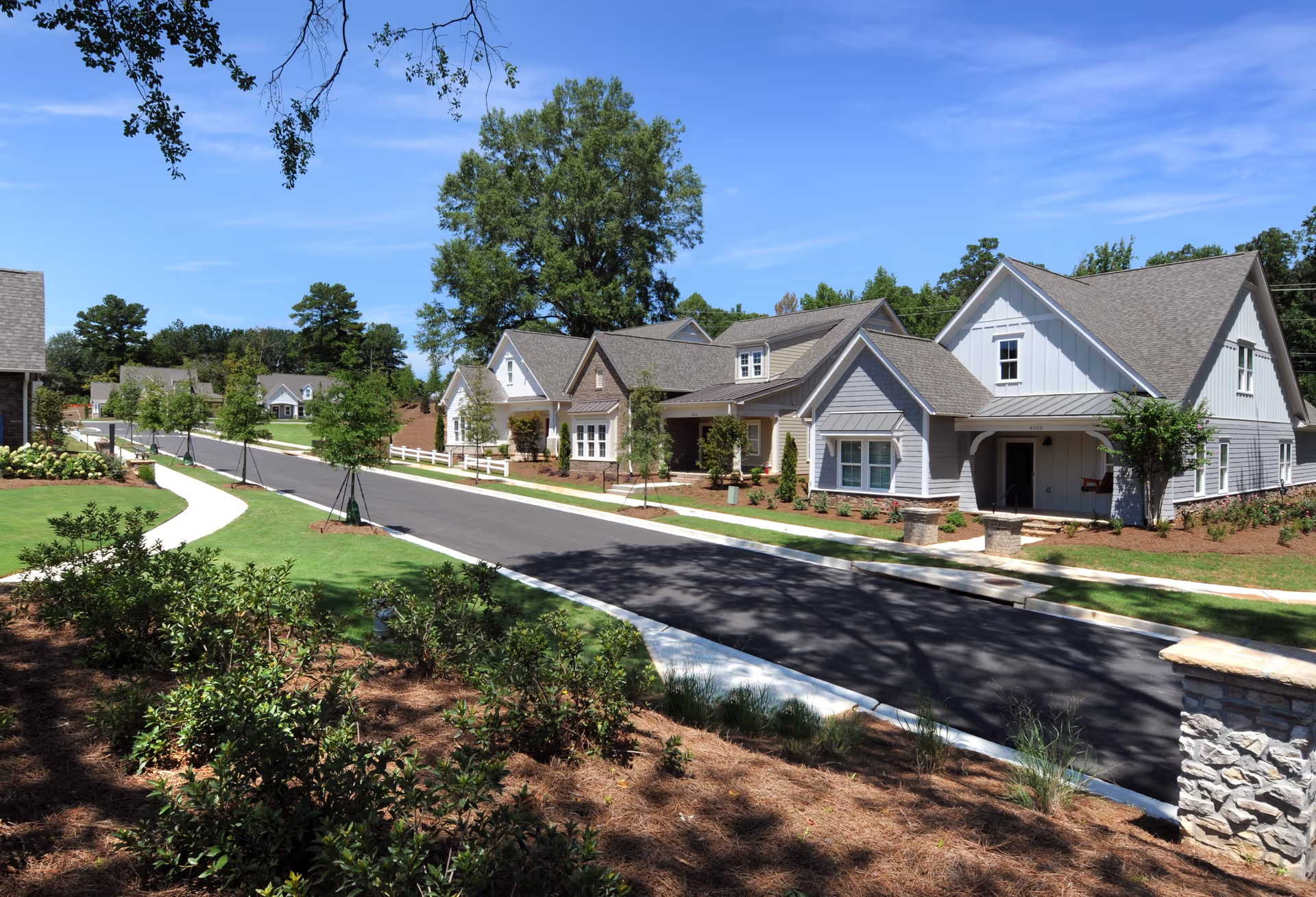
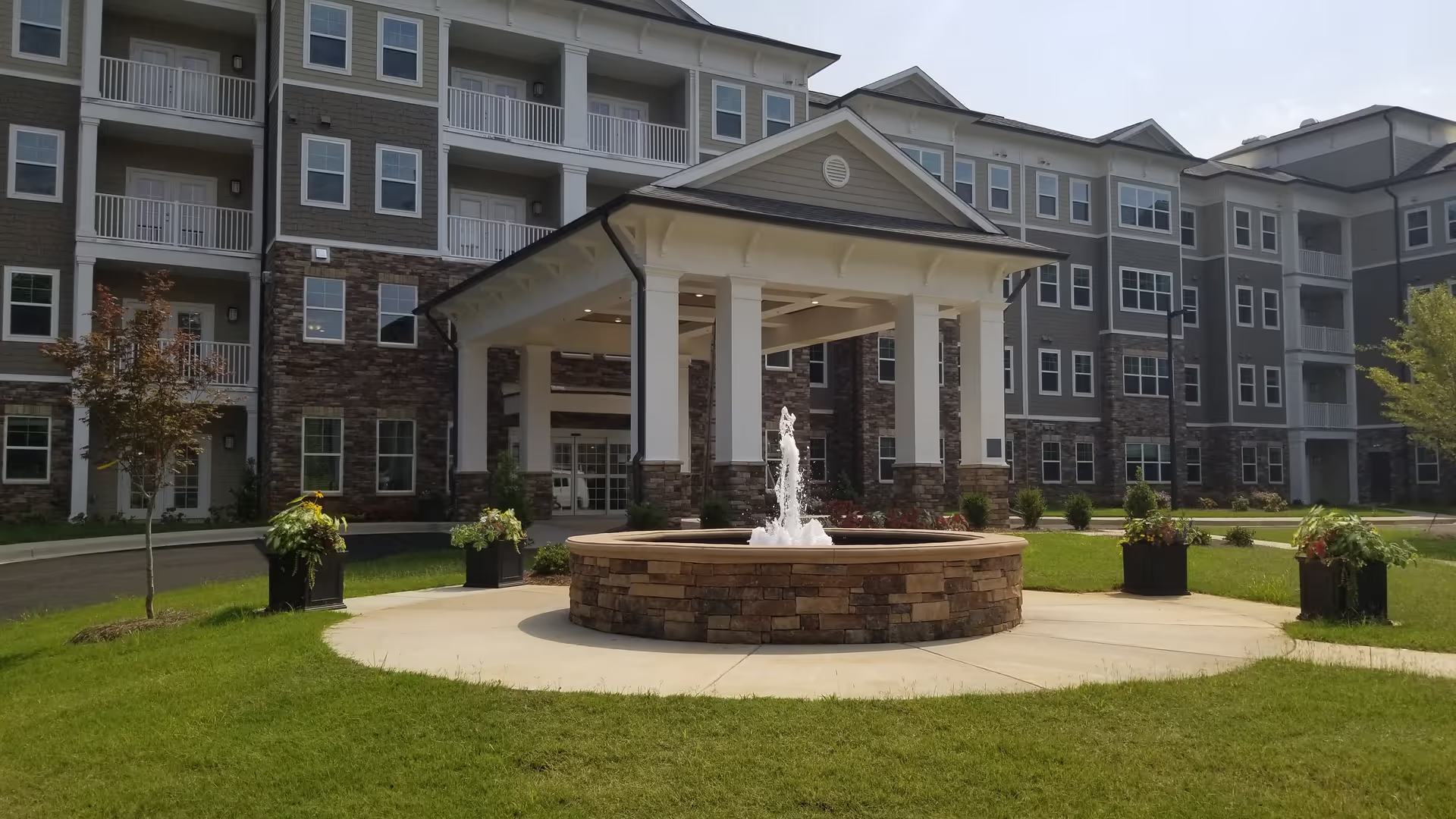
Gaines Park Senior Living elicits a distinctly mixed but specific pattern of feedback. Many families describe a small, home-like, faith-oriented community with long-tenured staff, strong continuity of caregivers, and a family atmosphere. Positive accounts emphasize compassionate, hands-on caregiving—particularly in memory care—proactive leadership (including an engaged executive director and on-site managers), thorough housekeeping and laundry service, and attractive outdoor spaces such as a secure courtyard and gardens. The community offers a wide range of activities (Bingo, crafting, exercise classes, worship services, outings and field trips) and on-site amenities (salon, crafts room, fellowship hall) that residents and families often cite as contributors to daily engagement and social connection.
Clinical-care quality is described in positive terms by many respondents: memory care programs, individualized dementia support, and successful transitions from memory care to assisted living are repeatedly noted. At the same time, other accounts raise operational concerns around care consistency. These include delayed assistance at times, wound-prevention and individualized-care gaps (wound-care outcomes were mentioned), and staff strain associated with resident transfers. These operational issues suggest variable staffing levels and limited mechanical lift resources during busy periods, which can affect the timeliness and safety of hands-on care.
Dining and housekeeping evoke mixed impressions. Several families praise nutritious, varied meals with accommodations and an attentive dining team; others characterize portions or offerings as inconsistent or overly simplified. Housekeeping and laundry are frequently highlighted as strengths—clean rooms, reliable laundry handling, and attention to sanitation—although a few comments indicate variable maintenance standards in some areas of the facility.
Management and policy themes are also mixed. Recent leadership changes (including an identified management group) and an active executive director receive positive mention, with many families noting responsiveness and proactive wellness coordination. However, there are isolated but serious complaints that raise questions about occupancy and privacy practices: examples cited include eviction-related disputes, audio-enabled surveillance concerns, and an admission approach that may exclude higher-acuity residents. Administrative processes at intake are described as paperwork-heavy by some families. Communication-tone issues and instances of unprofessional staff conduct are part of the negative pattern, indicating variability in staff behavior and supervisory follow-through.
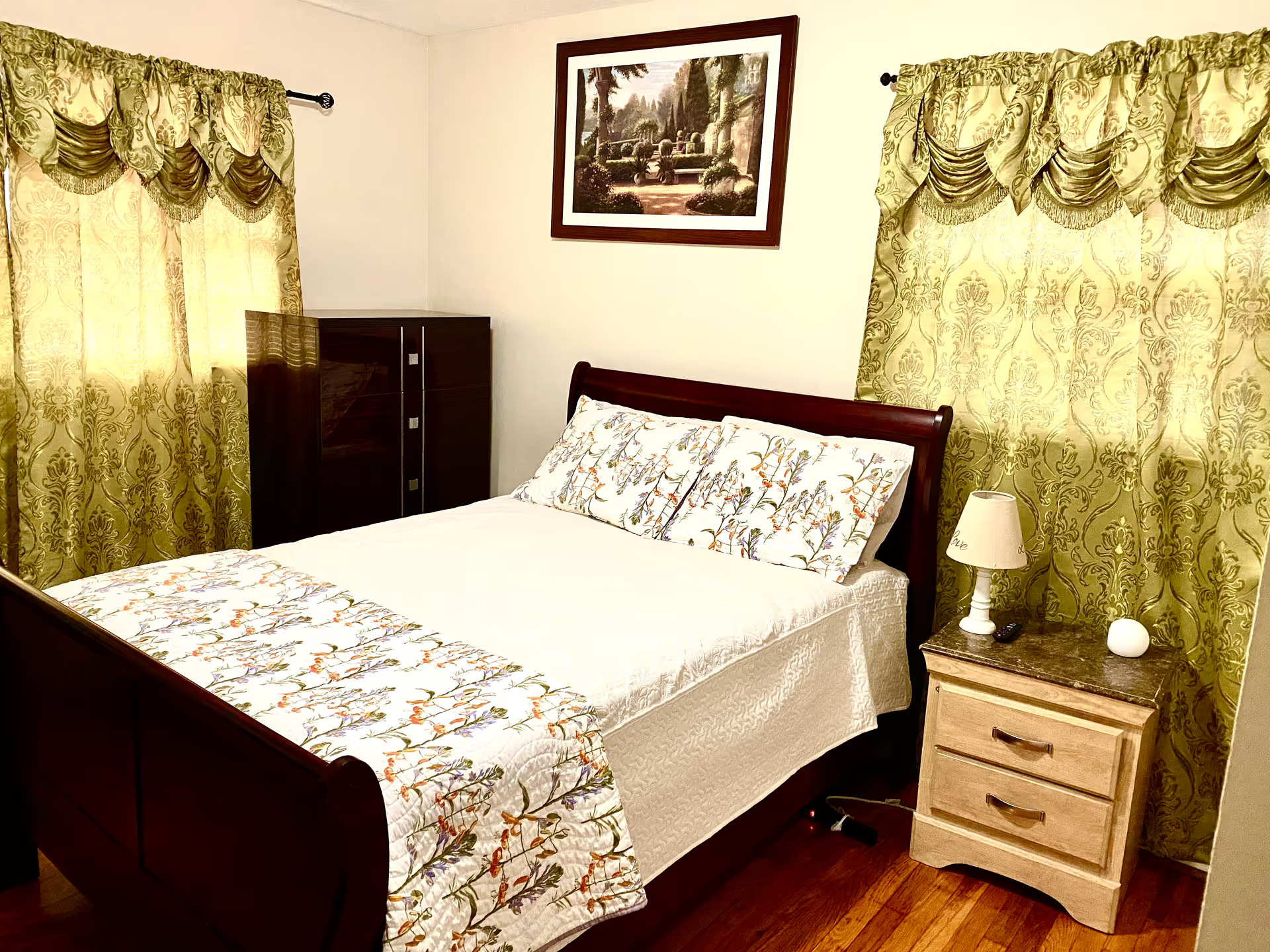
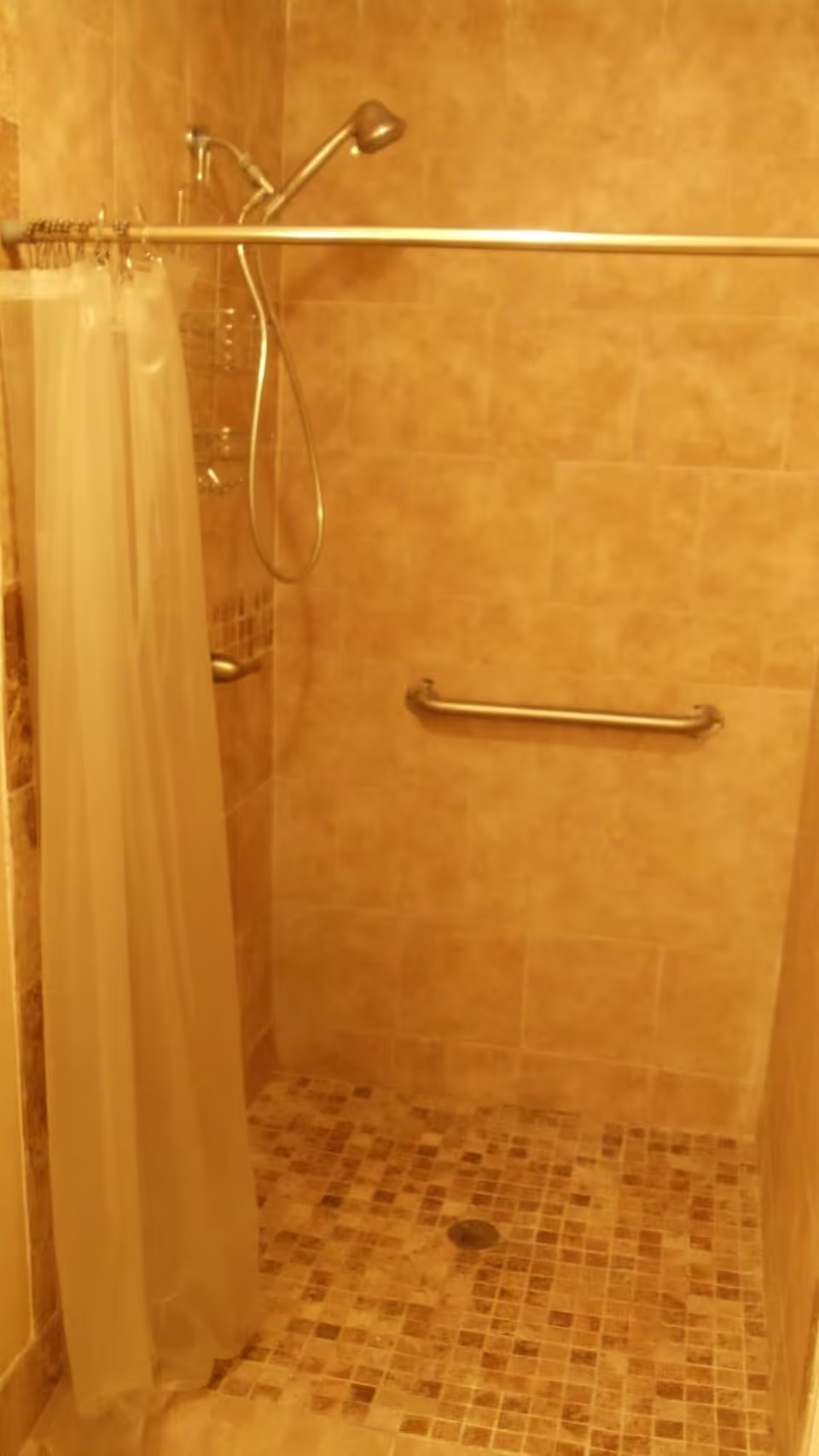
Facilities and logistics are generally seen as strengths for those seeking a smaller, private community: rooms are described as clean and functional, common areas support navigation (square layout), and the campus includes useful social and therapy spaces. Limitations noted include relatively small unit sizes, limited two-bedroom availability, and occasional maintenance variability.
Overall, Gaines Park presents as a family-oriented, activity-rich community with notable strengths in memory care programming, housekeeping, and resident engagement, supported by several well-regarded leaders. Prospective residents and families should weigh those strengths against operational concerns about staffing consistency, individualized-care follow-through, dining variability, privacy policies, and admission criteria. An in-person visit during an active mealtime and activity period, direct questions about staffing ratios and lift-assist equipment, review of privacy/surveillance and admission policies, and conversations with current families can help clarify whether the facility’s operational practices align with a particular resident’s clinical and lifestyle needs.