The set of reviews presents a mixed but consistent pattern: many families describe a caring, homey environment with strong interpersonal relationships between staff and residents, while a distinct subset of comments highlights operational problems that can affect safety and reliability. Positive accounts emphasize attentive caregiving, well-kept grounds and interiors, private apartment-style rooms, and a calendar of social events that includes both onsite therapies and creative activities. Several reviewers specifically praised the dining presentation and table settings, as well as on-site physical and occupational therapy services and an effective admissions/move-in experience.
Care quality and staffing are the most polarized areas. Numerous reviewers describe compassionate, responsive staff who assist with daily routines, medications, and social engagement; these accounts note frequent check-ins and staff who treat residents as family. Conversely, a recurring theme is high staff turnover and chronic understaffing, which reviewers link to inconsistent clinical performance. Specific operational concerns raised include delays and errors in medication administration, gaps in clinical follow-up after incidents, and uneven competency among night staff. These issues are described in ways that suggest systemic staffing and training challenges rather than isolated interpersonal disputes.
Dining and activities likewise show variability. Positive reports describe balanced, tasty meals served in a restaurant-like dining room with cloth place settings, along with a broad roster of events, field trips, holiday gatherings, and active programming led by engaged activity directors. Contrasting reports cite inconsistent kitchen staffing, repetitive menus, occasional cold meals or missing condiments, and reduced activity offerings (for example, largely bingo-focused programming) when staffing is constrained. Families should expect that meal quality and program variety may depend on current staffing levels and leadership in those departments.
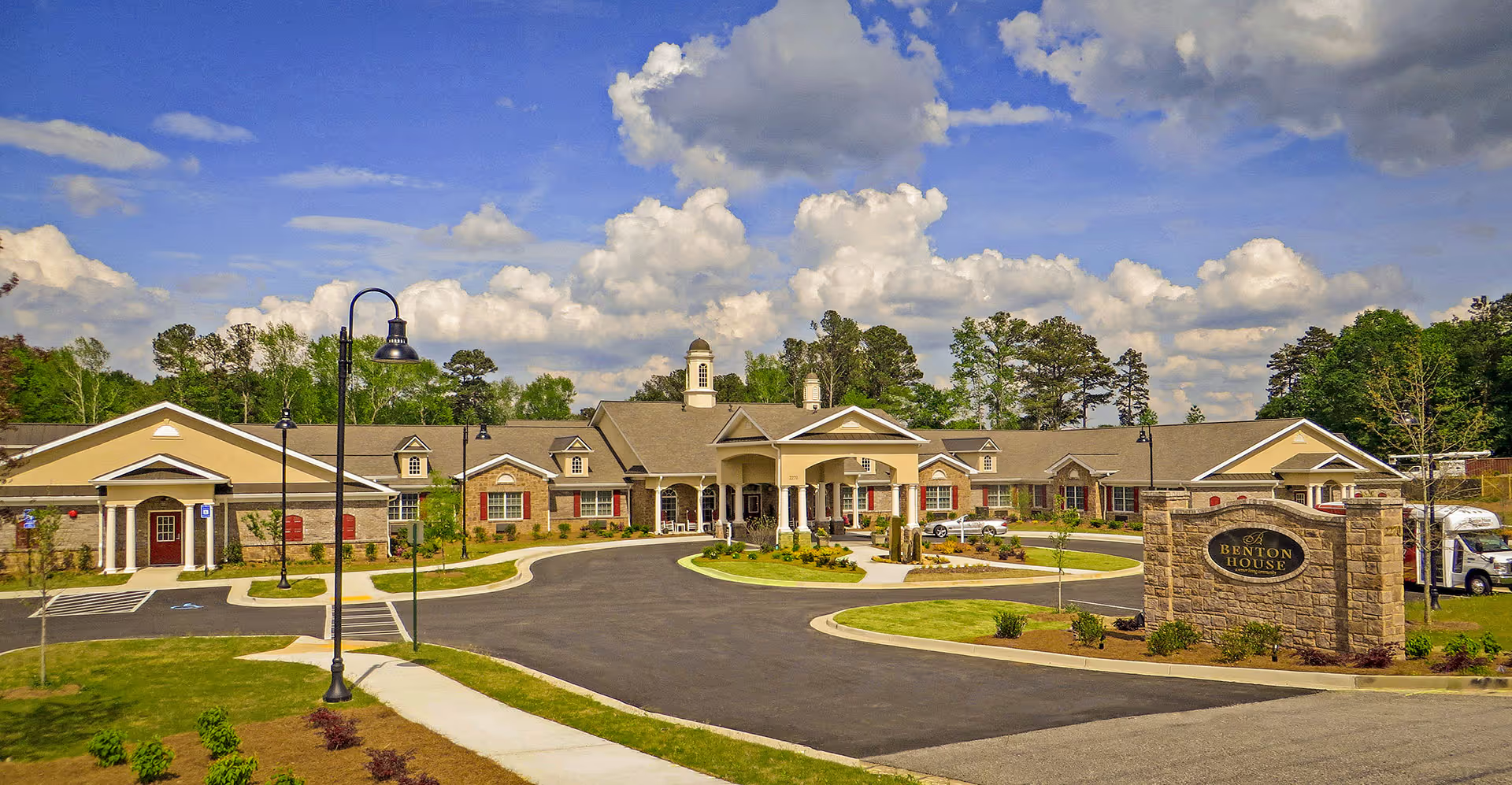
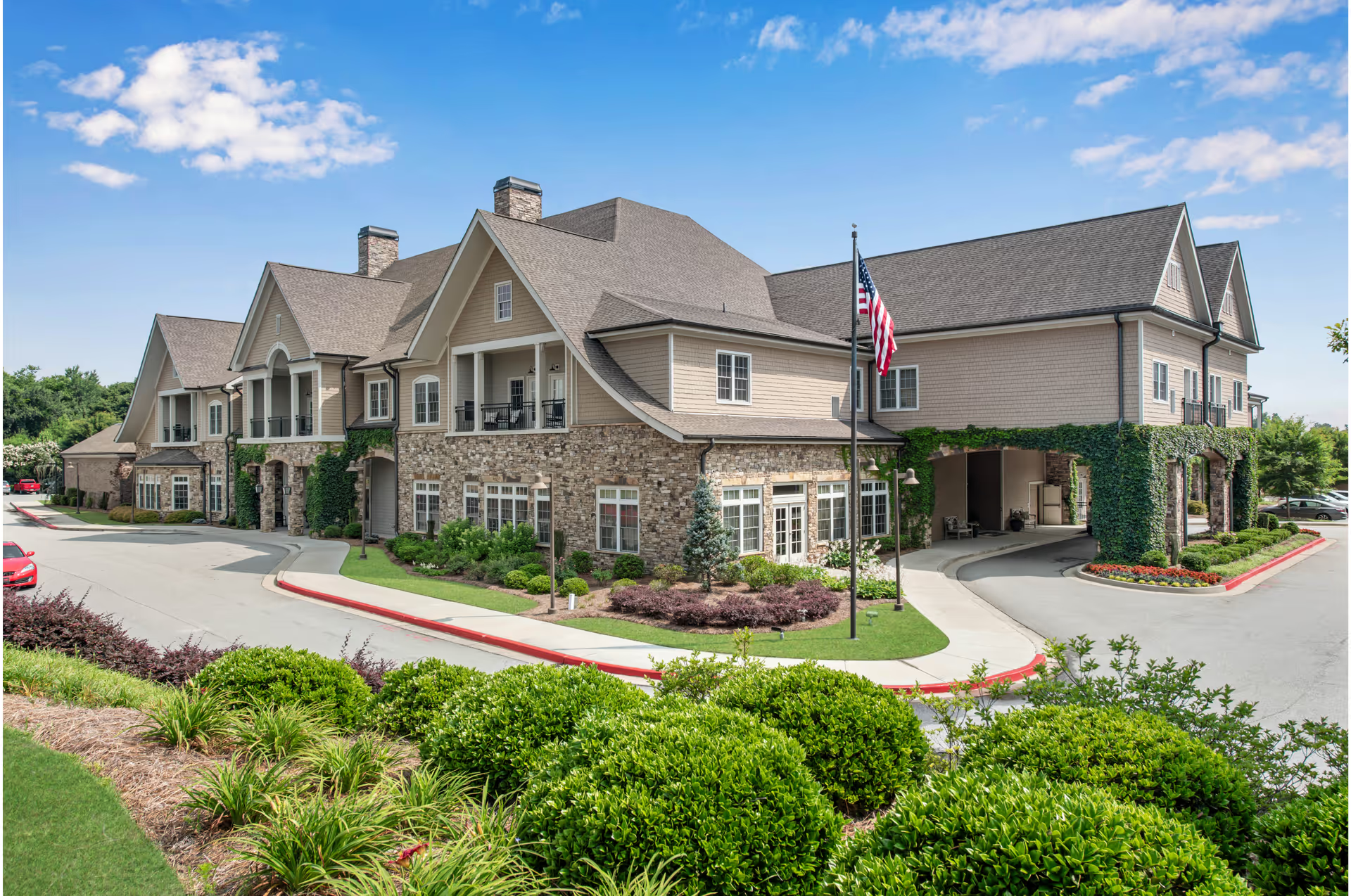
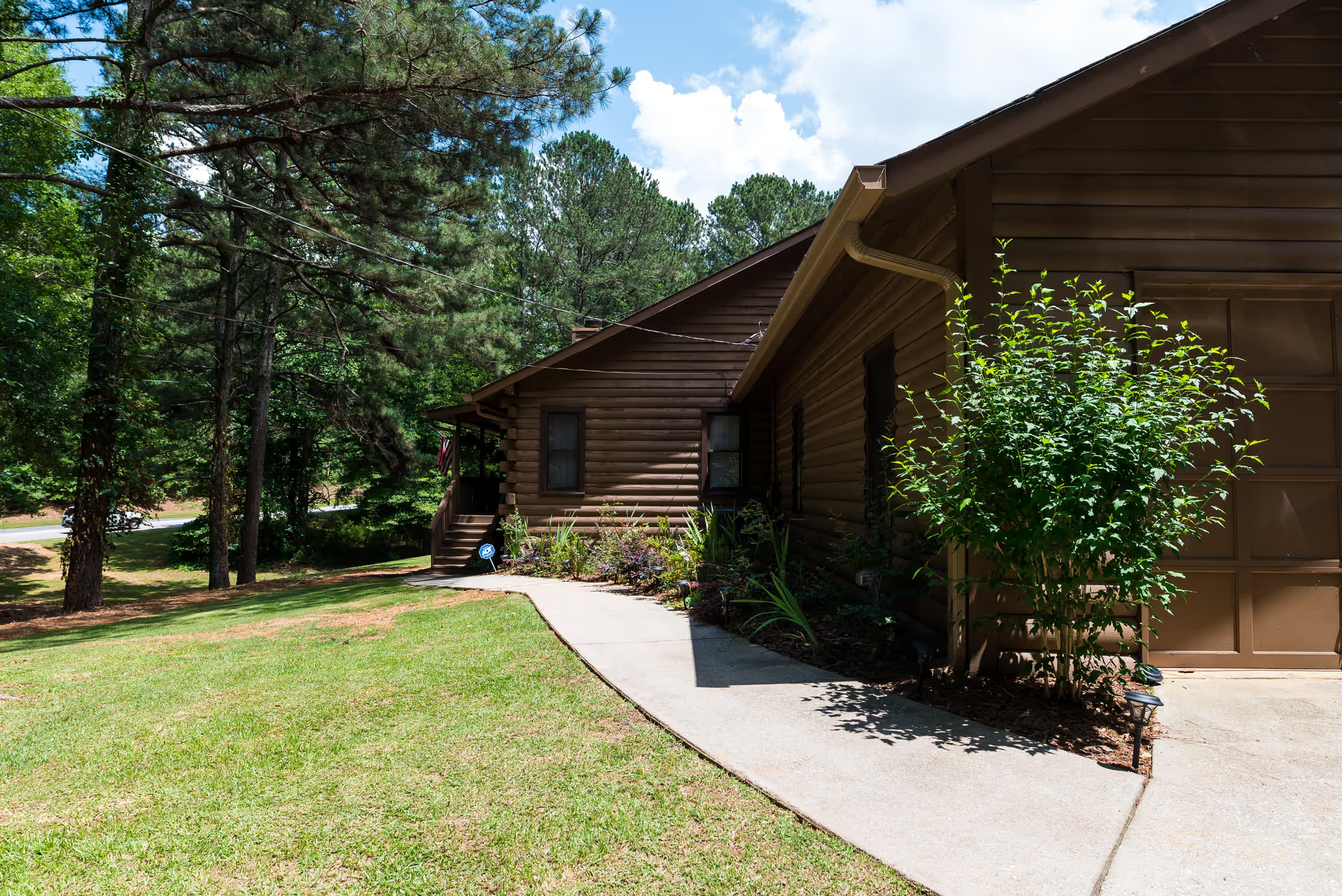
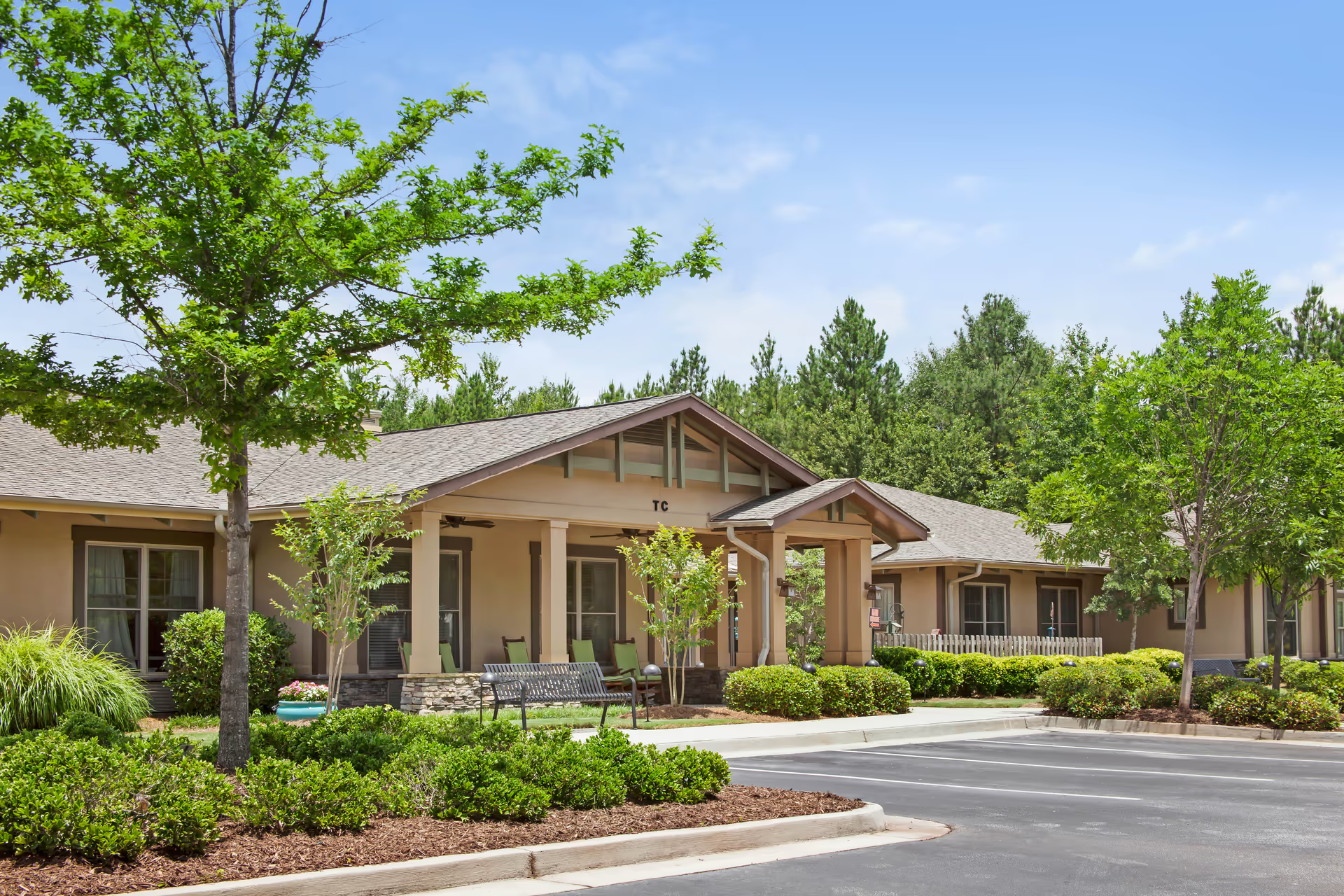
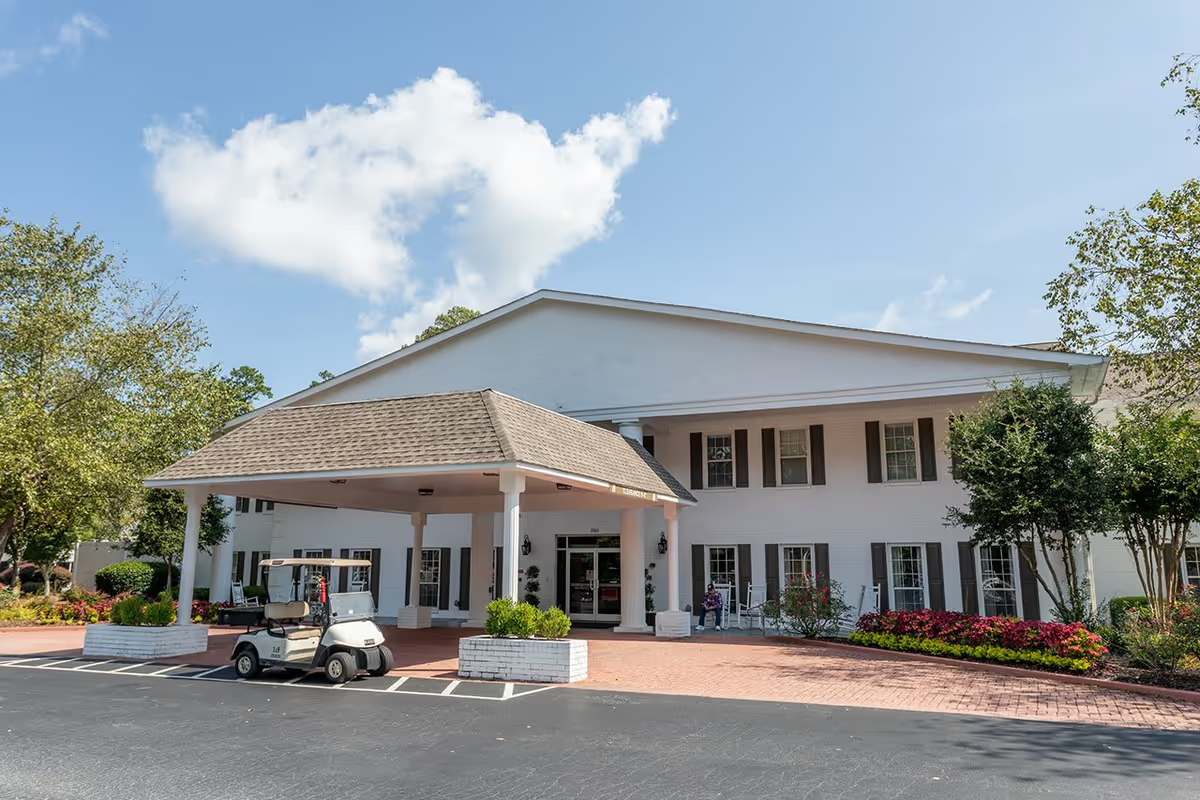
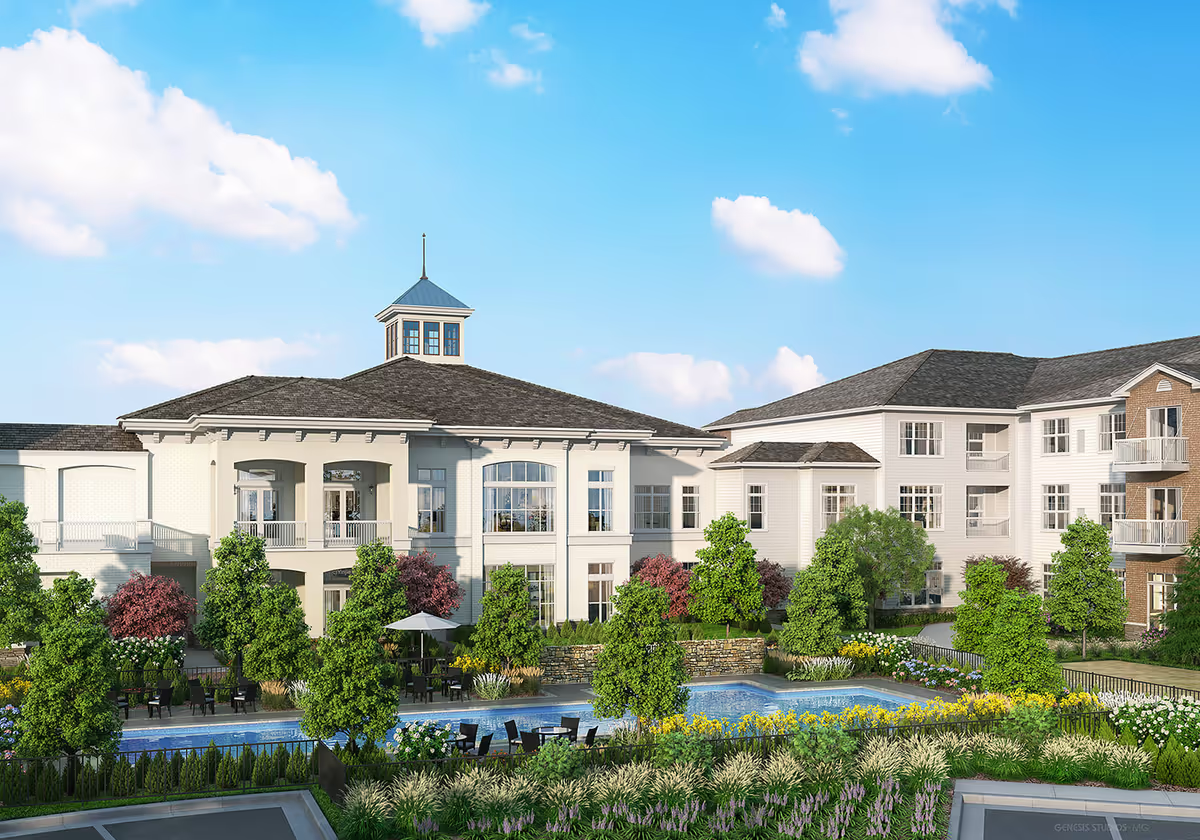
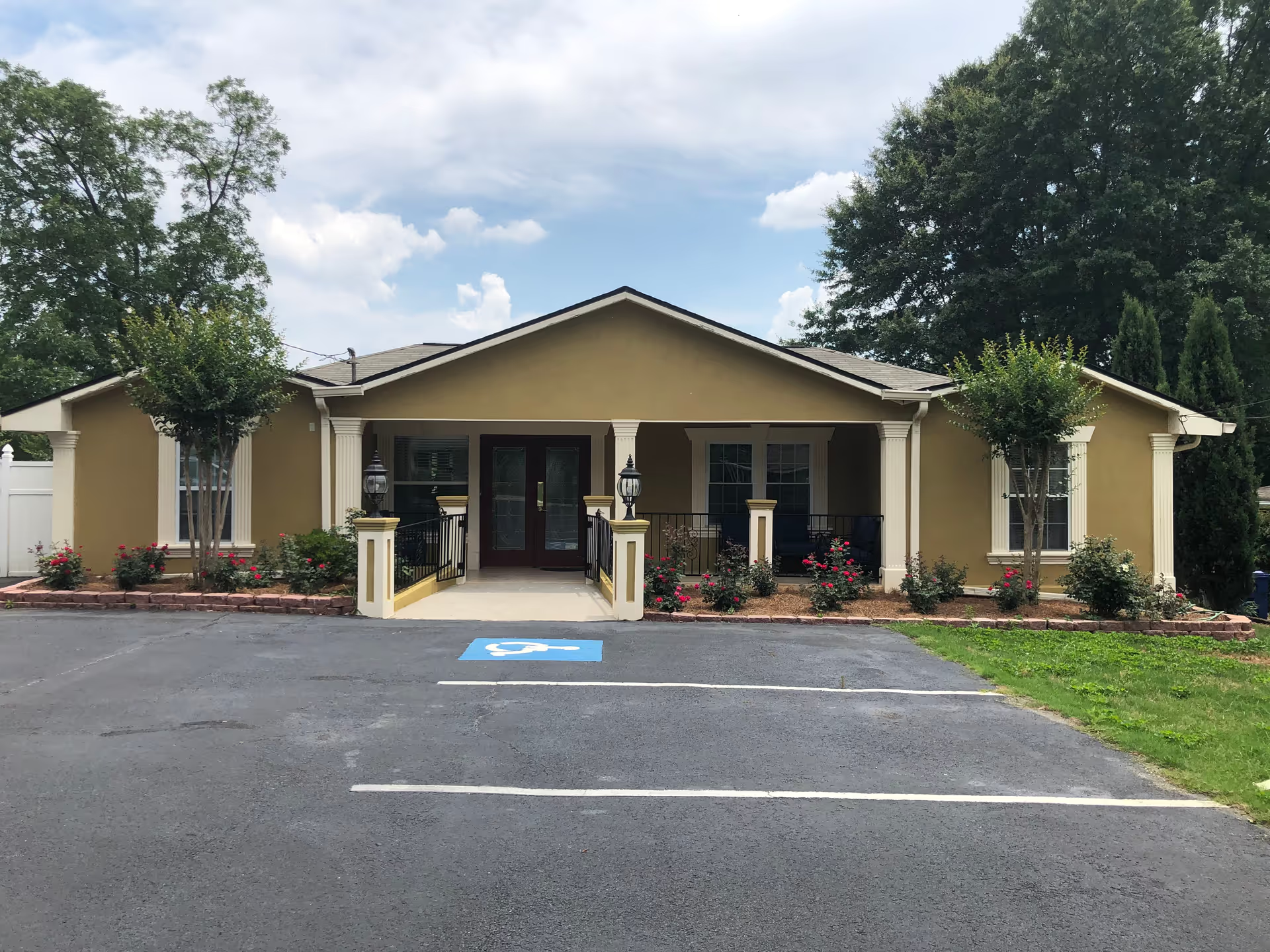
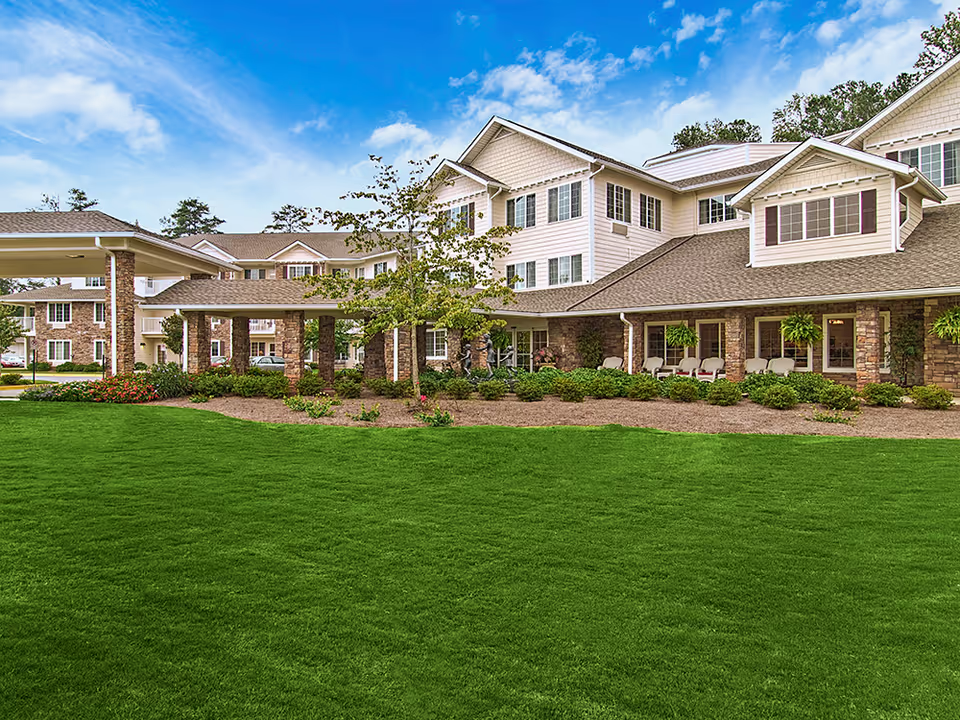
Facility and environment impressions are largely favorable: many reviewers report a clean, well-kept building with pleasant courtyards and private outdoor spaces, accessible layouts, and comfortable common areas. However, reviewers also mention specific maintenance and sanitation issues concentrated in memory-care units and certain common areas, including odor concerns and the need for renovation in parts of the memory-care neighborhood. Room sizes and amenity levels vary across units, with some noting smaller efficiency rooms in newer or budget-minded wings.
Management and oversight appear inconsistent. Several families praised individual managers and administrative staff for responsiveness, COVID-19 planning, and smooth transitions. At the same time, other comments point to executive turnover, uneven front-desk/security coverage, leadership instability, and concerns about ownership oversight. There are also references to legal matters and alleged misconduct; while these remarks are less uniformly represented than day-to-day operational comments, they reinforce the impression of variable oversight and the importance of independent verification (licensing, inspection, complaint history) during a touring process.
In summary, Magnolia Senior Living locations reflected in these summaries tend to offer warm caregiving, a pleasant physical environment, and active social programming when staffing and leadership are stable. Prospective residents and families should weigh those strengths against recurrent operational traits: high staff turnover, inconsistent clinical and medication practices, variability in dining and activity continuity, and intermittent maintenance or sanitation issues in memory-care areas. A focused tour should include questions about current staffing ratios and turnover, medication and incident-response protocols, recent inspection findings, the condition of memory-care units, and how leadership is addressing any ongoing staffing or kitchen continuity challenges.