Archway Transitional Care elicits a mixed set of impressions. Many comments highlight strong clinical and rehabilitative capabilities: reviewers consistently praise the therapy team as effective, compassionate, and efficient, and several accounts describe attentive caregiving from qualified clinical staff. Families and residents frequently note a family-like atmosphere and a sense that the facility can provide a safe environment for residents.
At the same time, there are recurring concerns about staff behavior and consistency. While some staff members are described as kind and supportive, other accounts point to variable professionalism, curt or unhelpful interactions, and a tone that some families found insensitive. There are also serious operational concerns: communication and notification processes appear to be unreliable in some instances, including insensitive or incorrect delivery of important notices. Relatedly, reviewers raised concerns following a resident's death about timeliness and sensitivity of family notification. A small number of comments go further and raise allegations of exploitation by staff, and others criticize administrative professionalism.
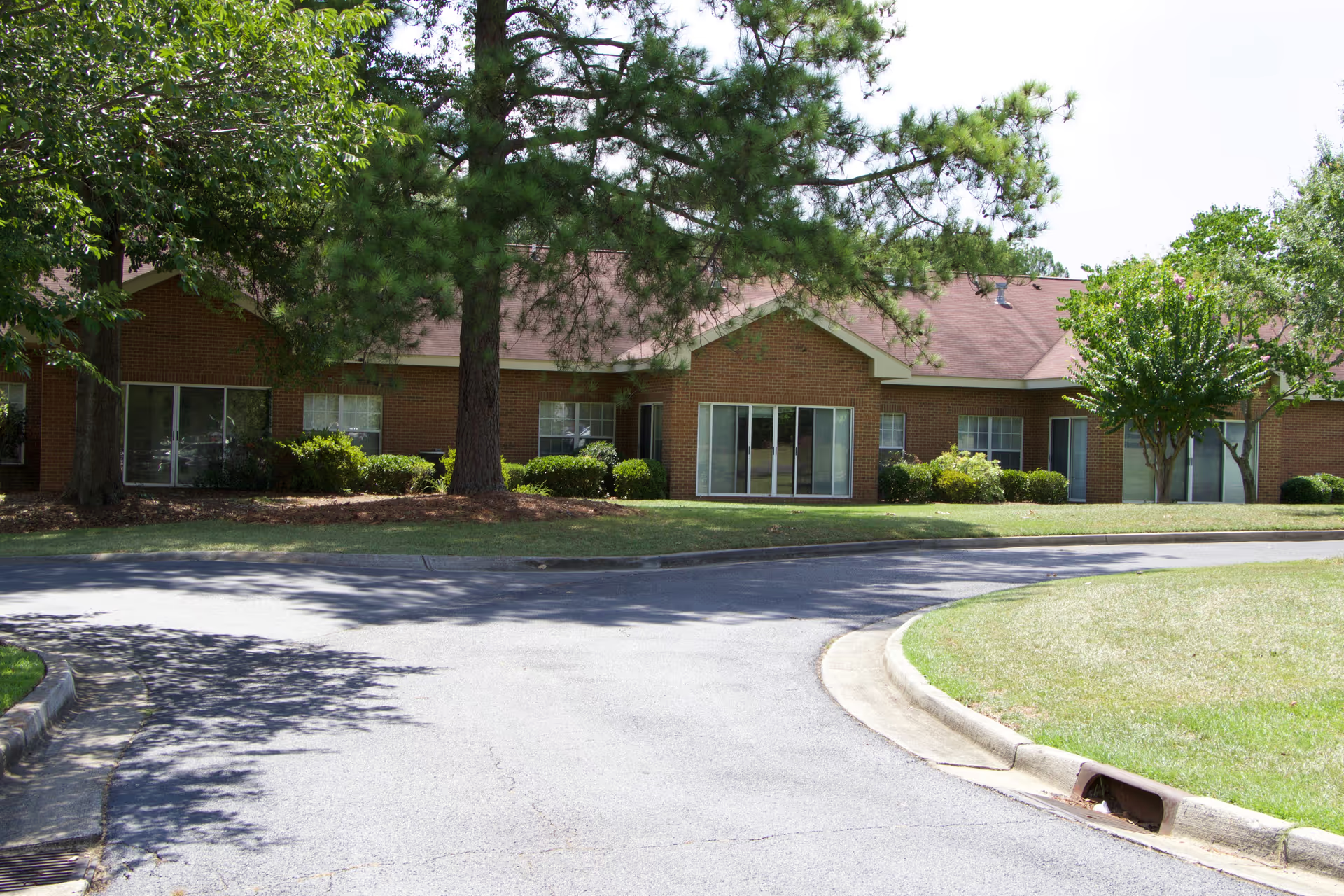
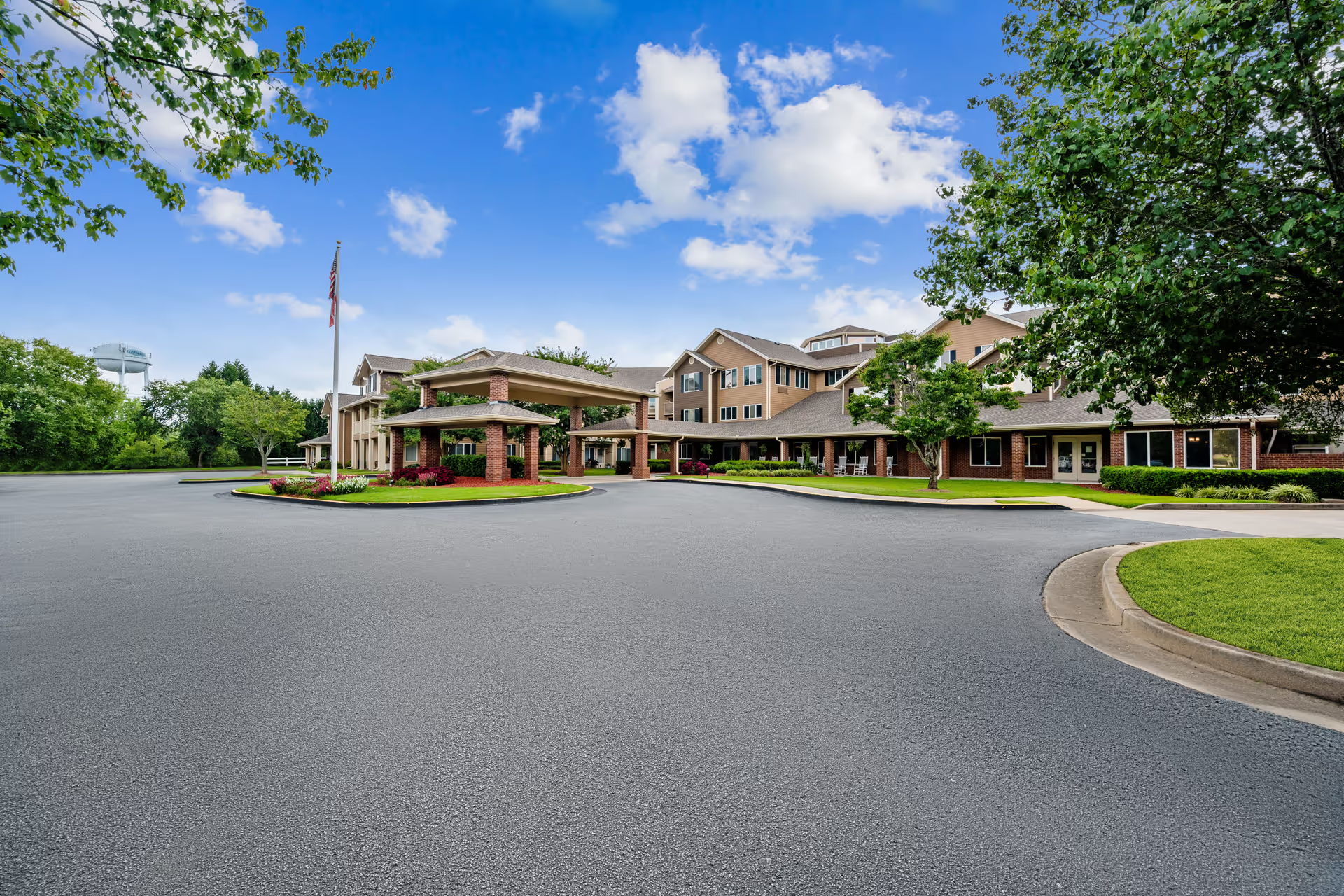
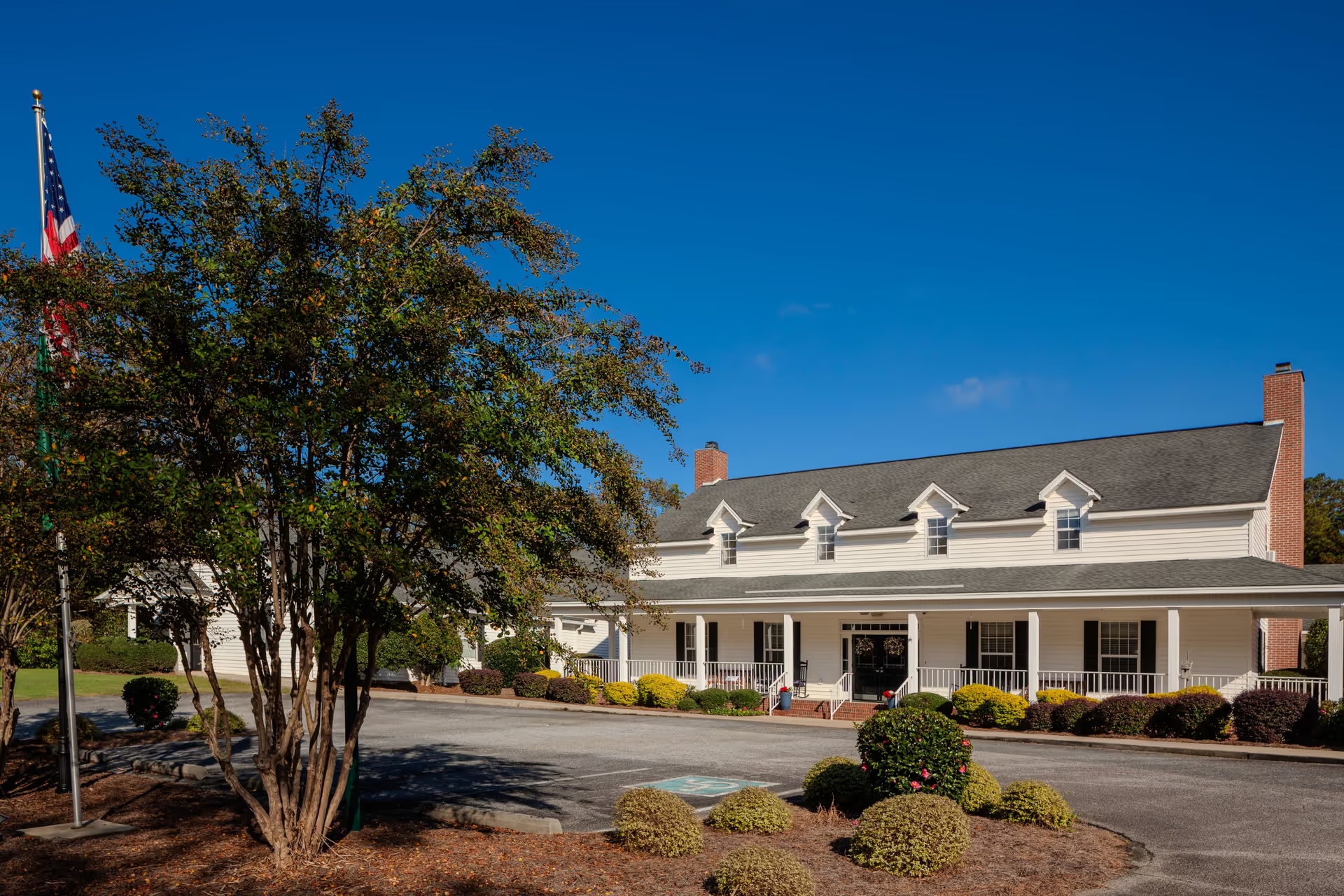
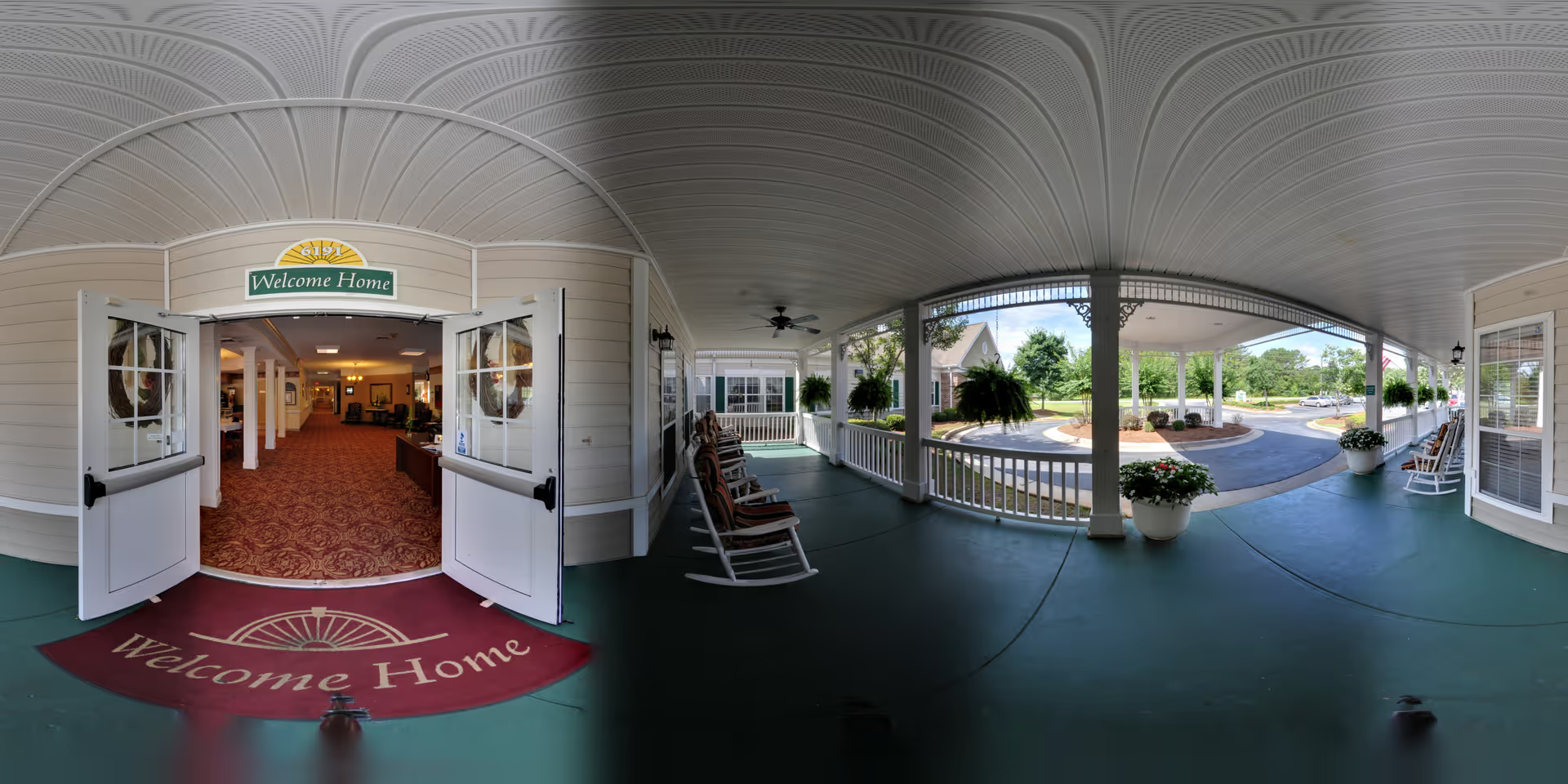
The facility’s physical environment is described as older and somewhat dated. Specific issues mentioned include small rooms, low-quality or dated furnishings, and a locked-unit layout that contributes to a more institutional feel. The surrounding neighborhood was also characterized by some reviewers as having declined, which may influence perceptions of the site. These facility- and location-level factors may matter to prospective residents who prioritize modern accommodations and open, homelike layouts.
There is limited detail in the available comments about dining and organized activities; reviewers did not provide a consistent picture of meal quality or the activity program. Given the mixed feedback on staffing and administration, prospective families should ask for current menus, activity schedules, and participation rates during a tour.
Overall pattern: strengths appear strongest in therapy/rehabilitation and in many individual caregiving relationships, while operational weaknesses cluster around inconsistent staff conduct, communication and notification processes, and aging physical infrastructure. Prospective residents and families should schedule an on-site visit, ask about current staffing levels and turnover, review communication and notification protocols (including post-incident and end-of-life procedures), and inspect resident rooms and communal spaces to assess whether the environment and services meet their expectations.