Experiences at Arlington Senior Living are strongly mixed, producing polarized impressions. Many families describe a warm, active environment with visible, caring staff and an array of social opportunities; others describe operational shortcomings that affected clinical safety, documentation, and basic housekeeping. The facility shows strengths in social programs, leadership engagement, and certain aspects of the built environment, alongside recurring operational weaknesses that prospective families should evaluate closely.
Care quality and clinical practice: Reviews indicate two broad patterns. Numerous accounts praise attentive, compassionate caregivers who develop strong relationships with residents and maintain grooming and daily routines. At the same time, there are substantive concerns about clinical consistency for residents with complex needs. Examples point to inconsistent medication‑administration documentation, delays in responding to clinical warning signs, and staff unfamiliarity with some specialized devices or care tasks. These patterns suggest reliable performance for many assisted‑living level needs, but potential gaps when higher medical acuity or skilled nursing–level care is required.
Staff and leadership: Staffing presence and tone are frequently cited as strengths — staff who are friendly, visible, and personally engaged with residents, and administrators who are communicative and involved. Several reviews specifically praised on‑site leadership for responsiveness and family communication. However, staffing levels appear uneven; nights and weekends are described as thinly staffed in several accounts, and staff training or experience level is variable. This inconsistency contributes to family concerns about responsiveness during off‑hours and during clinical escalations.
Dining and activities: Activity programming is a strong positive in many accounts. The community offers a wide range of social events, live entertainment, off‑site outings, and opportunities for families to join meals or activities. Memory‑care programming receives favorable mentions for visibility and routine grooming. Dining is described variably: some families commend restaurant‑style service and varied menus, while others note inconsistent meal presentation and a lack of fresh produce at certain service times. Overall, social engagement is a clear strength; meal quality may be uneven from unit to unit or meal to meal.
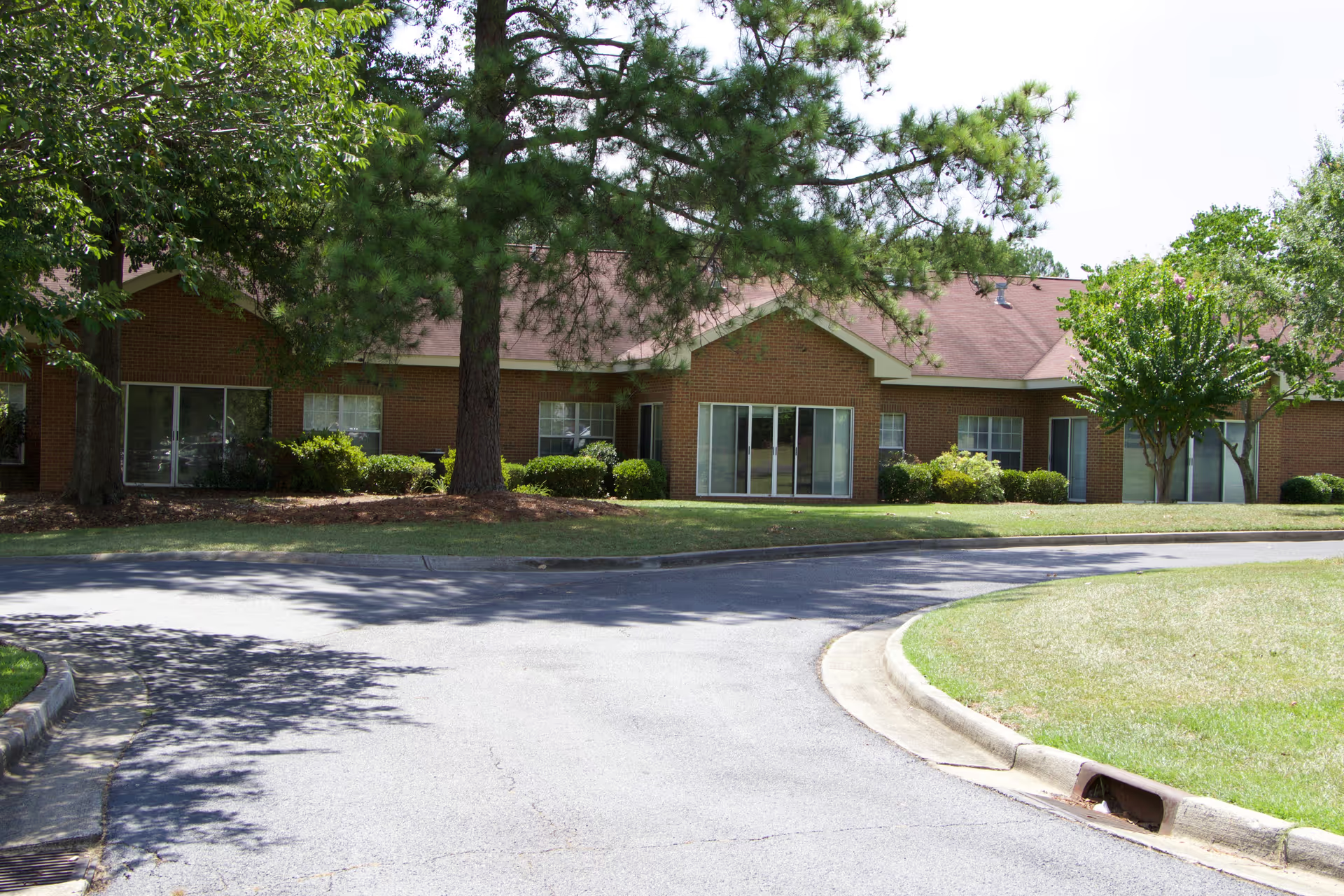
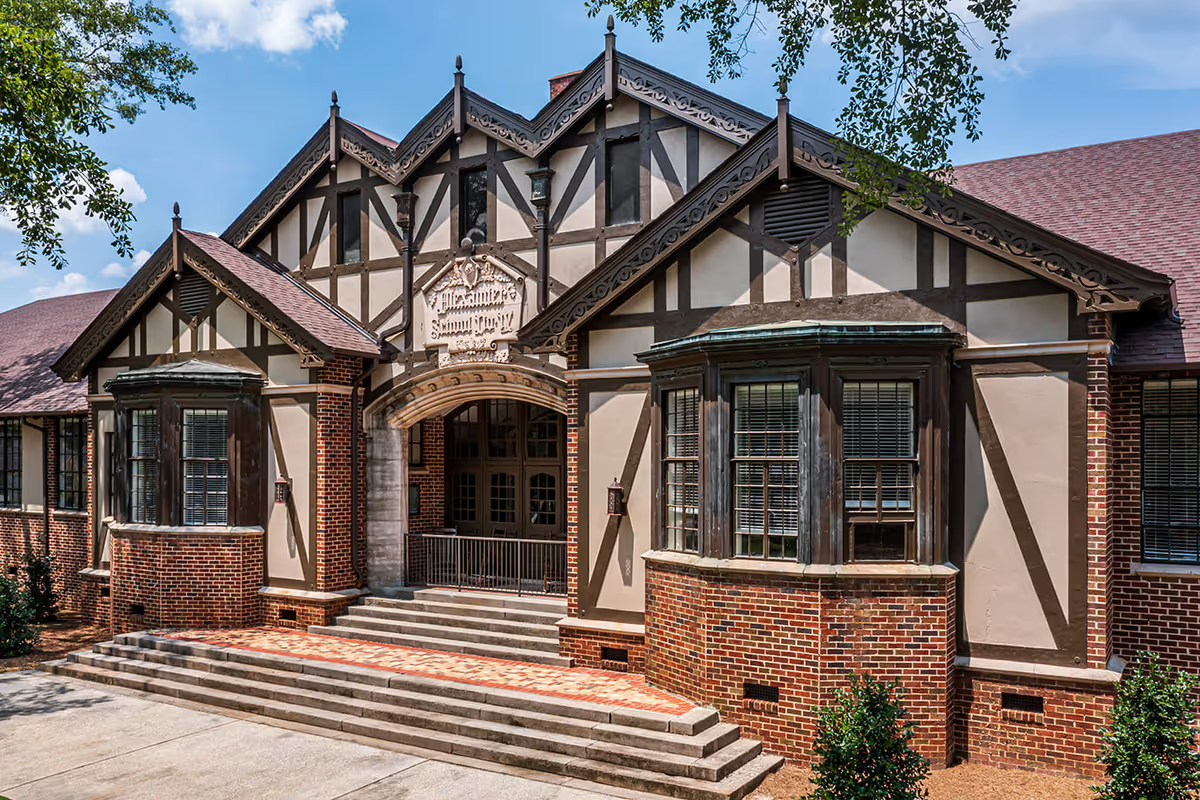
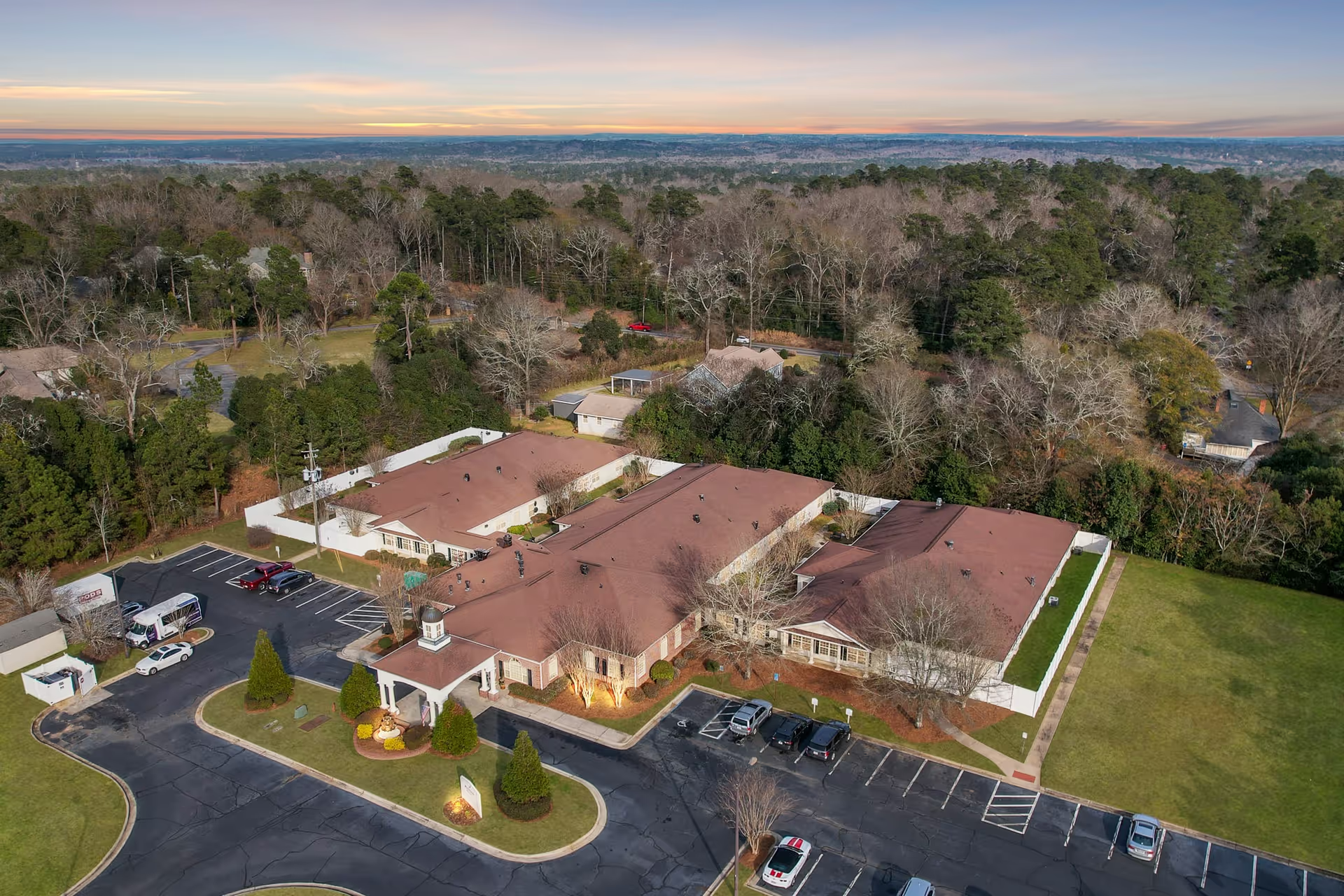
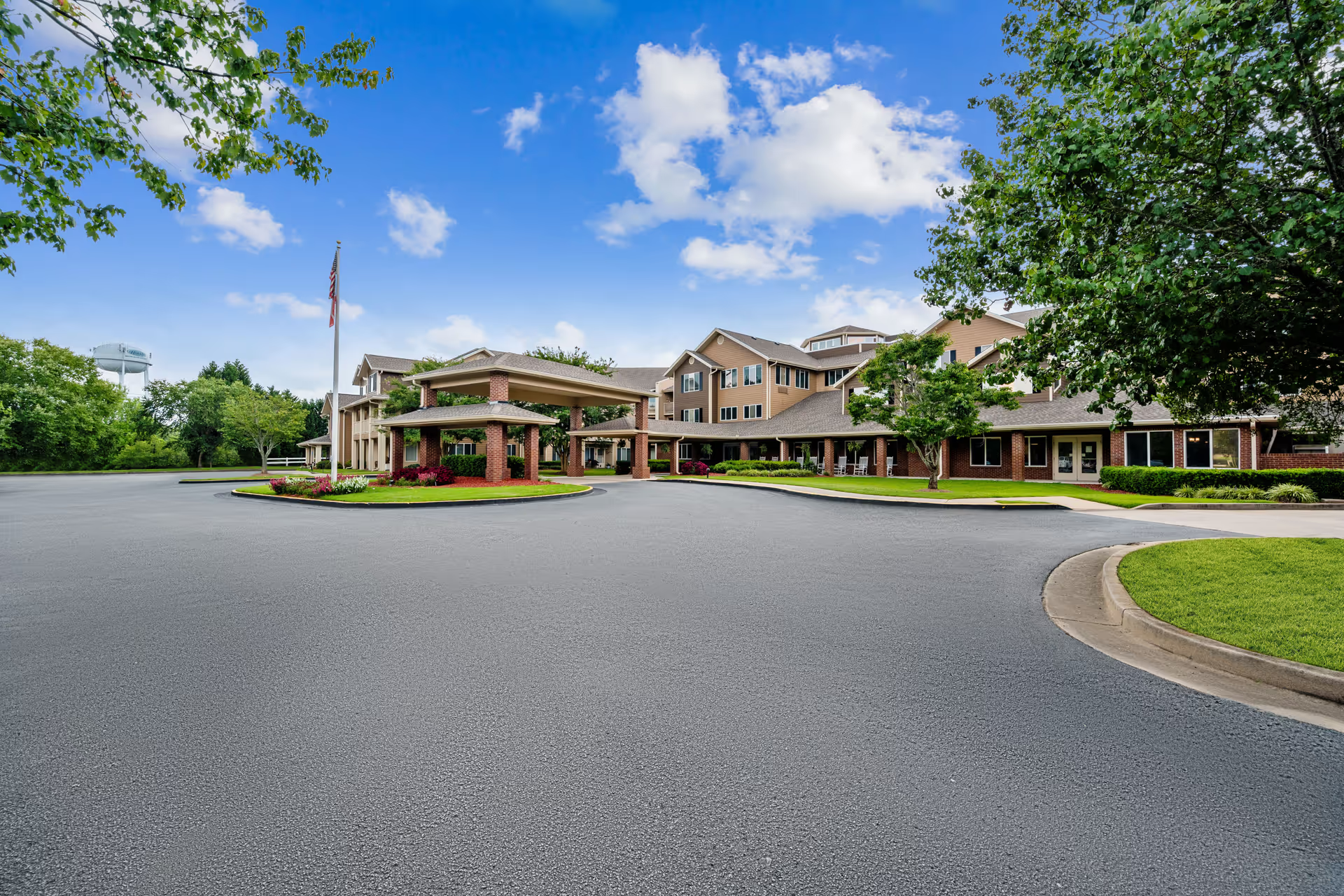
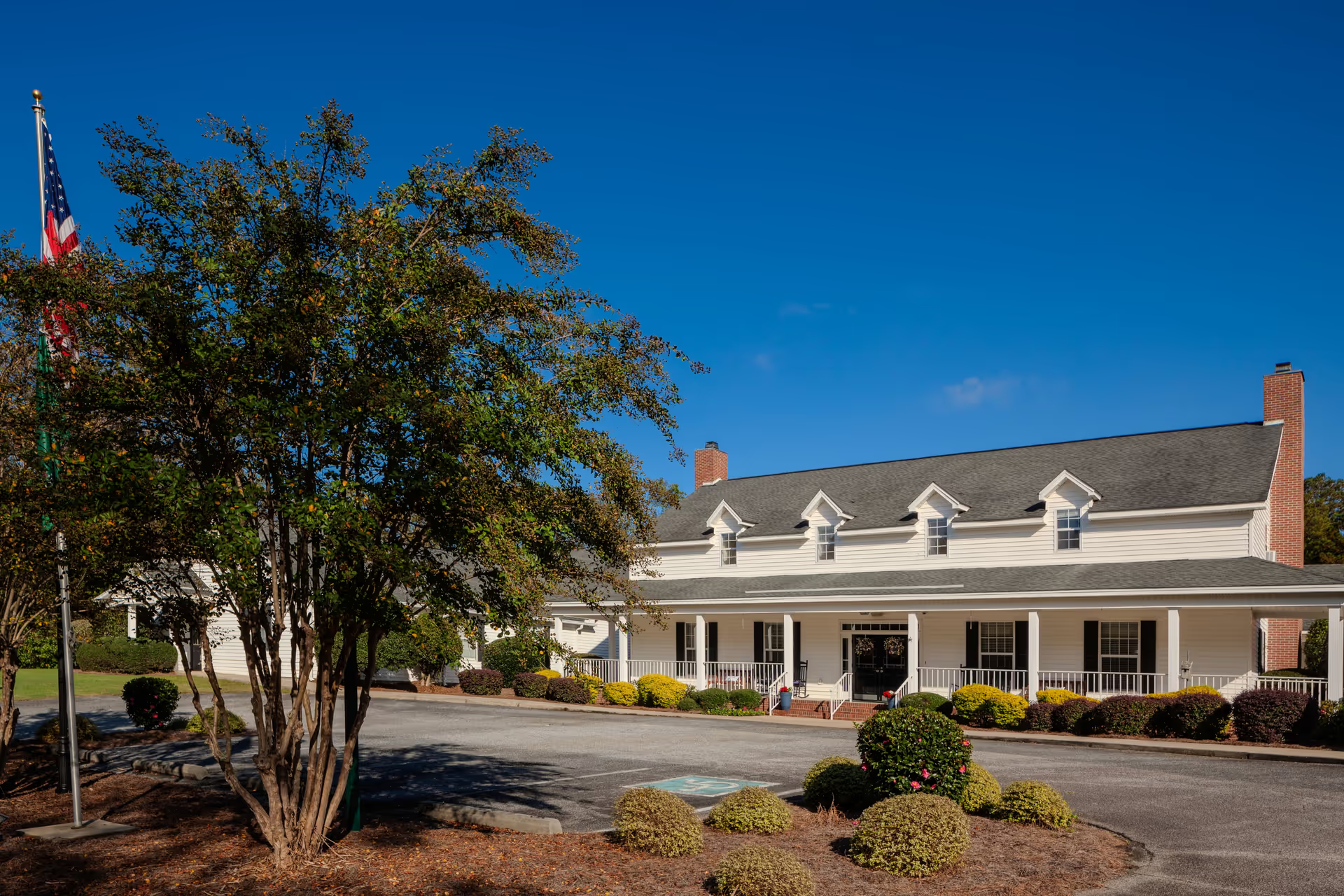
Facilities and housekeeping: The facility’s physical environment and outdoor spaces receive frequent praise — clean, well‑kept interiors, pleasant courtyard areas, and secure entry systems. Nonetheless, housekeeping and sanitation practices are inconsistent in some reports, with specific complaints about delayed linen changes, clutter, or room cleaning lapses. There are also mentions of odor concerns and the impact of older finishes (for example, carpets) on perceived air quality. Prospective families should inspect both common areas and resident rooms during visits to form a direct impression.
Management and policies: Management communication earns both positive and negative comments. Many families cite proactive updates, helpful admissions staff, and administrators who go above and beyond. Conversely, there are recurring concerns about post‑admission fee changes, uneven corporate follow‑up after serious incidents, and occasional lapses in incident communication to families. Some reviewers described admissions or placement decisions that left higher‑need residents in the community despite limited on‑site medical support capabilities.
Notable patterns and guidance: The overall pattern is one of a community that provides an engaging social environment and many examples of excellent personal care, but also has operational vulnerabilities that tend to emerge with higher medical acuity or during off‑hour periods. Families considering Arlington should plan a multi‑point evaluation: verify current staffing ratios (day, evening, night), review medication‑administration and documentation protocols, ask about staff training for the specific clinical needs of the prospective resident (catheter care, dementia‑specific behaviors, fall‑risk management), inspect housekeeping schedules and recent inspection records, and request written policy on fee changes and incident notification. Touring both assisted‑living and memory‑care spaces, speaking with the on‑site administrator about recent clinical incidents and improvements, and seeking references from current families in the applicable unit can help gauge whether the community’s strengths align with a given resident’s needs.