Overall impression: Fountain Blue Rehab and Nursing elicits a strongly mixed set of impressions. A substantial number of visitors and family members describe warm, compassionate caregivers, effective rehabilitation outcomes, and recent renovations that create a home-like environment. At the same time, other families raise significant operational concerns that point to variability in daily care and management practices. Prospective families should expect that resident experience at this facility can differ considerably by unit, shift, and individual staff assignment.
Care quality and clinical issues: Rehabilitation and therapy services are a clear strength for many residents — reviewers note private rehab rooms, measurable recovery progress, and engaged therapy staff. Conversely, there are repeated concerns about clinical consistency: delayed medication administration, inconsistent pain management, wound-care and infection-control issues, and occasional lapses in attending to call bells. These items suggest gaps in clinical processes and handoffs rather than a single type of failure; families should inquire specifically about medication-administration protocols, wound-care oversight, and on-shift clinical coverage.
Staffing and staff conduct: Numerous comments praise individual nurses, CNAs, and ancillary staff as caring, attentive, and professional. However, several reviews describe uneven staff competence, apparent understaffing (particularly on weekends), and variability in responsiveness. The pattern indicates a mixed staff skill mix and potential workload pressures that affect timeliness of care. Communication tone and responsiveness are areas of concern for some families; asking about current staffing ratios and turnover may clarify expectations.
Dining and nutrition: Many reviewers commend the homemade-style meals and a pleasant dining atmosphere in some areas. At the same time, there are instances of dietary accommodations not being followed and inconsistent meal-service continuity. These observations point to operational variability in kitchen–care coordination and the need to confirm dietary protocols for residents with restrictions.
Activities and amenities: Activity programming is frequently described positively — reviewers mention a range of social activities, music (piano), a fish tank, and pleasant outdoor spaces. Renovated common areas, free Wi‑Fi and cable, and visible social-work involvement are noted as meaningful quality-of-life contributors.
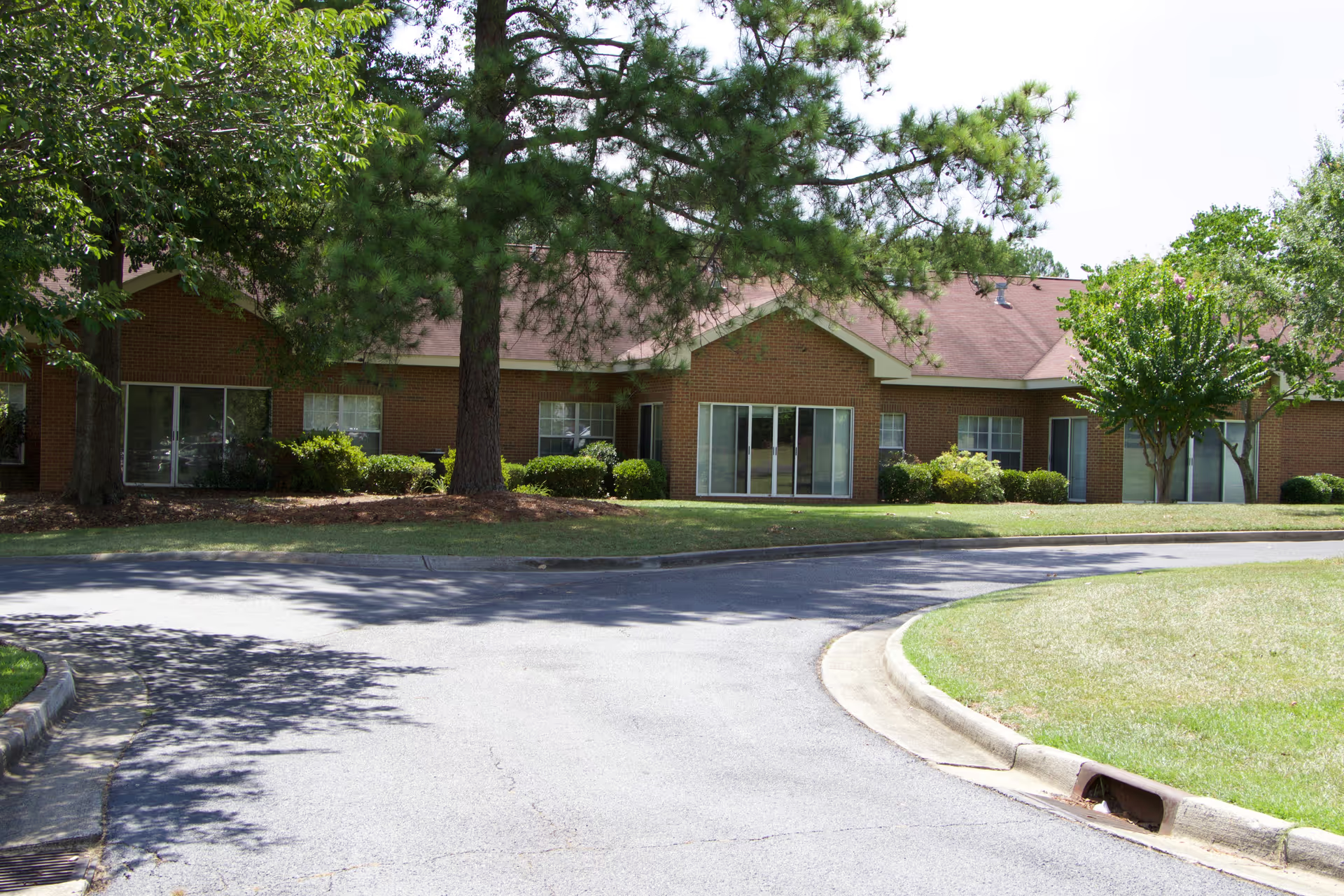
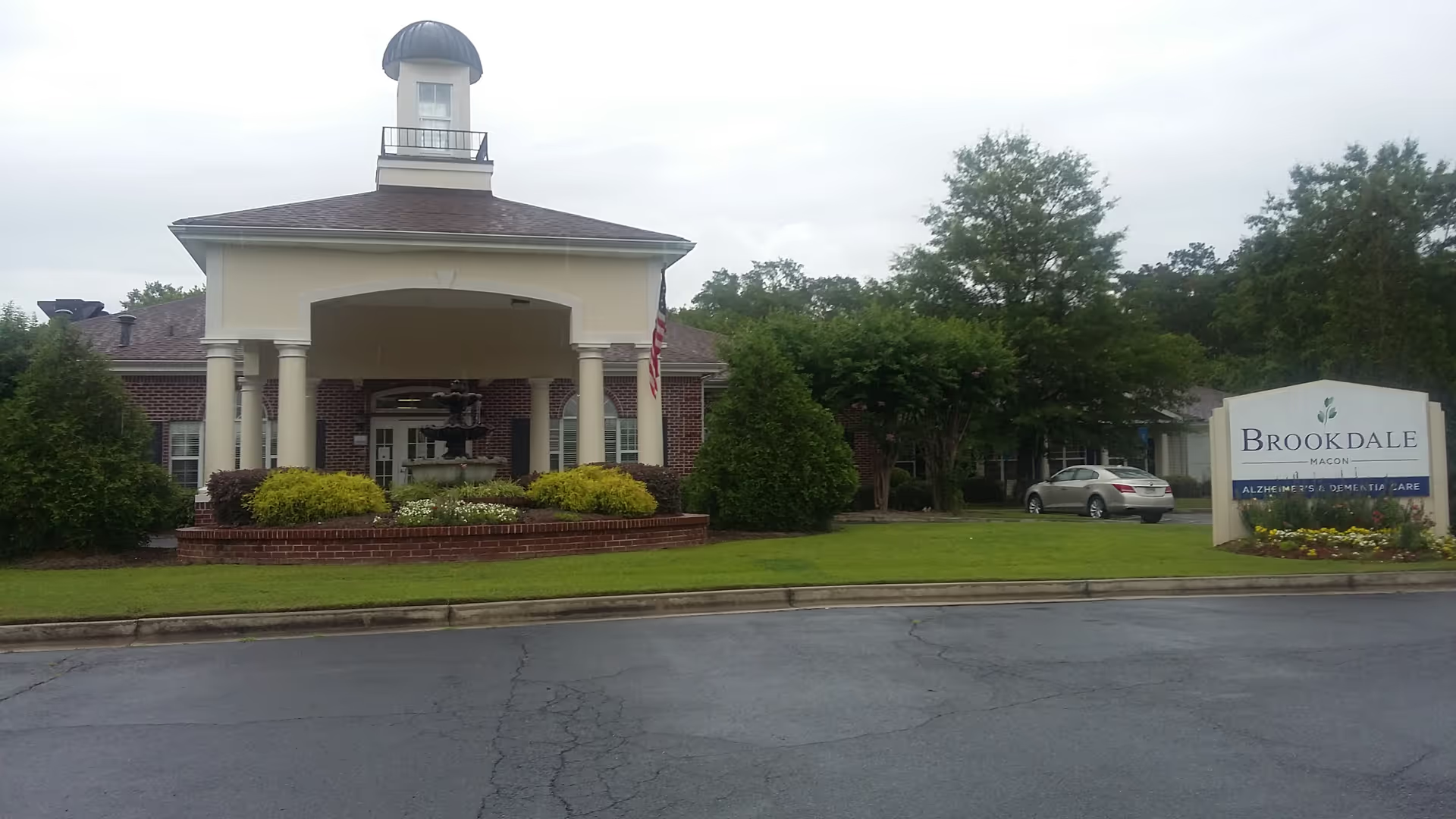
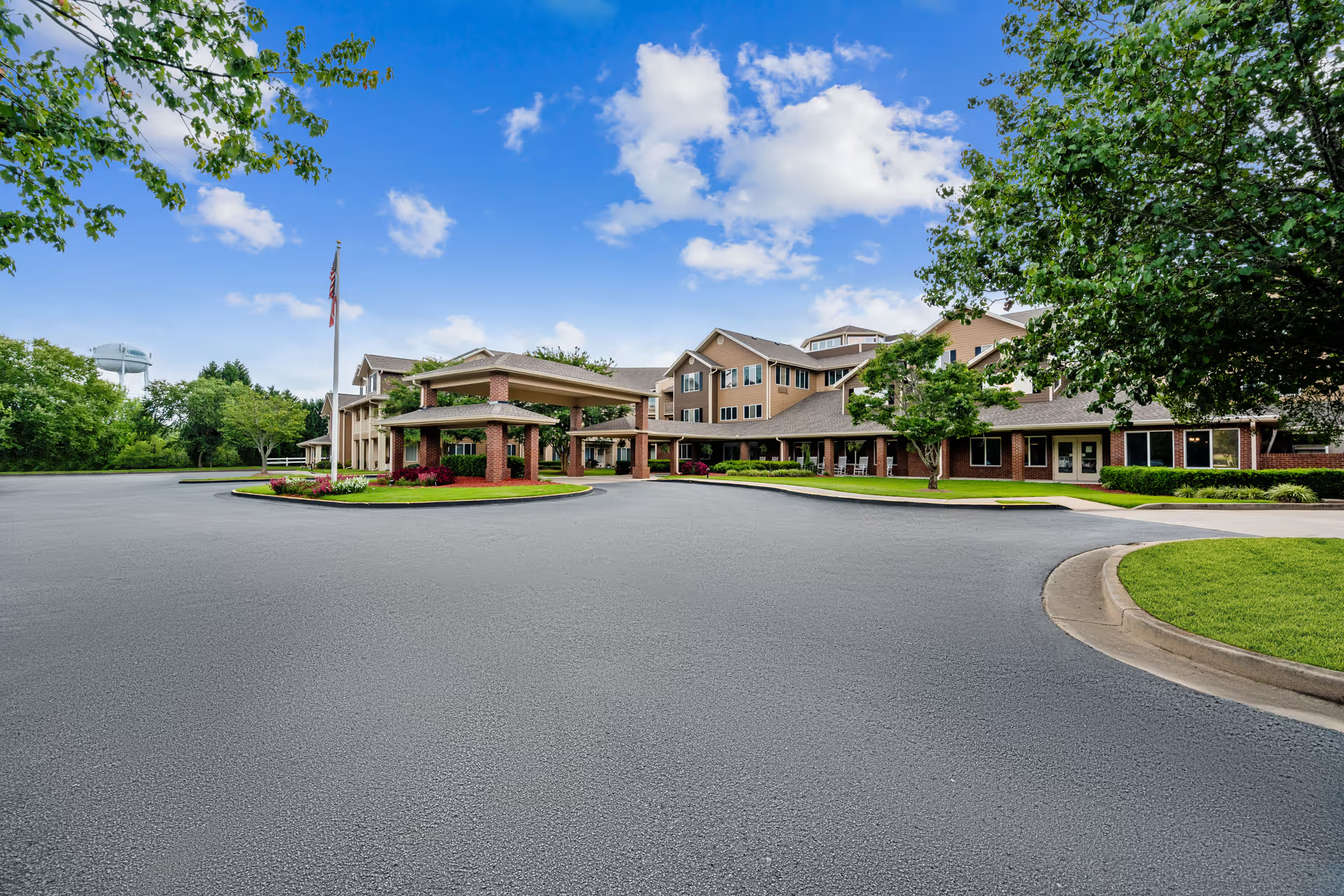
Facilities and cleanliness: Several accounts describe newly renovated, clean, and well-maintained spaces with a welcoming atmosphere. In contrast, other reports identify sanitation concerns, odor issues in some common areas, and uneven cleanliness or outdoor maintenance. The facility appears to have areas that have been updated and areas that still require attention; an in-person walk-through of the specific unit and room is advisable.
Management and administrative patterns: Reviews indicate variable experiences with administrative responsiveness. Positive notes include helpful admissions staff and accessible leadership on some occasions. Negative patterns include difficulty contacting administrators, unresolved promises about bed availability, and at least one serious complaint involving benefit/documentation handling. These suggest inconsistent follow-through and turnover in leadership roles. Prospective families should seek clarity on admission guarantees, grievance processes, and how the facility handles resident property and benefits documentation.
Notable patterns and guidance: The overall pattern is one of polarization — many reviewers describe excellent, compassionate care and strong rehab outcomes, while others report operational gaps that materially affected a loved one’s safety or comfort. Concerns about dementia care and safety protocols recur and merit direct questioning for families with memory-impairment needs. Before placement, consider an on-site tour during different shifts, ask about dementia-specific staffing and wander-prevention measures, review medication and wound-care protocols, verify dietary accommodation procedures, and request written policies on belongings and administrative communications. These steps can help set realistic expectations and identify whether the facility’s strengths align with a particular resident’s needs.