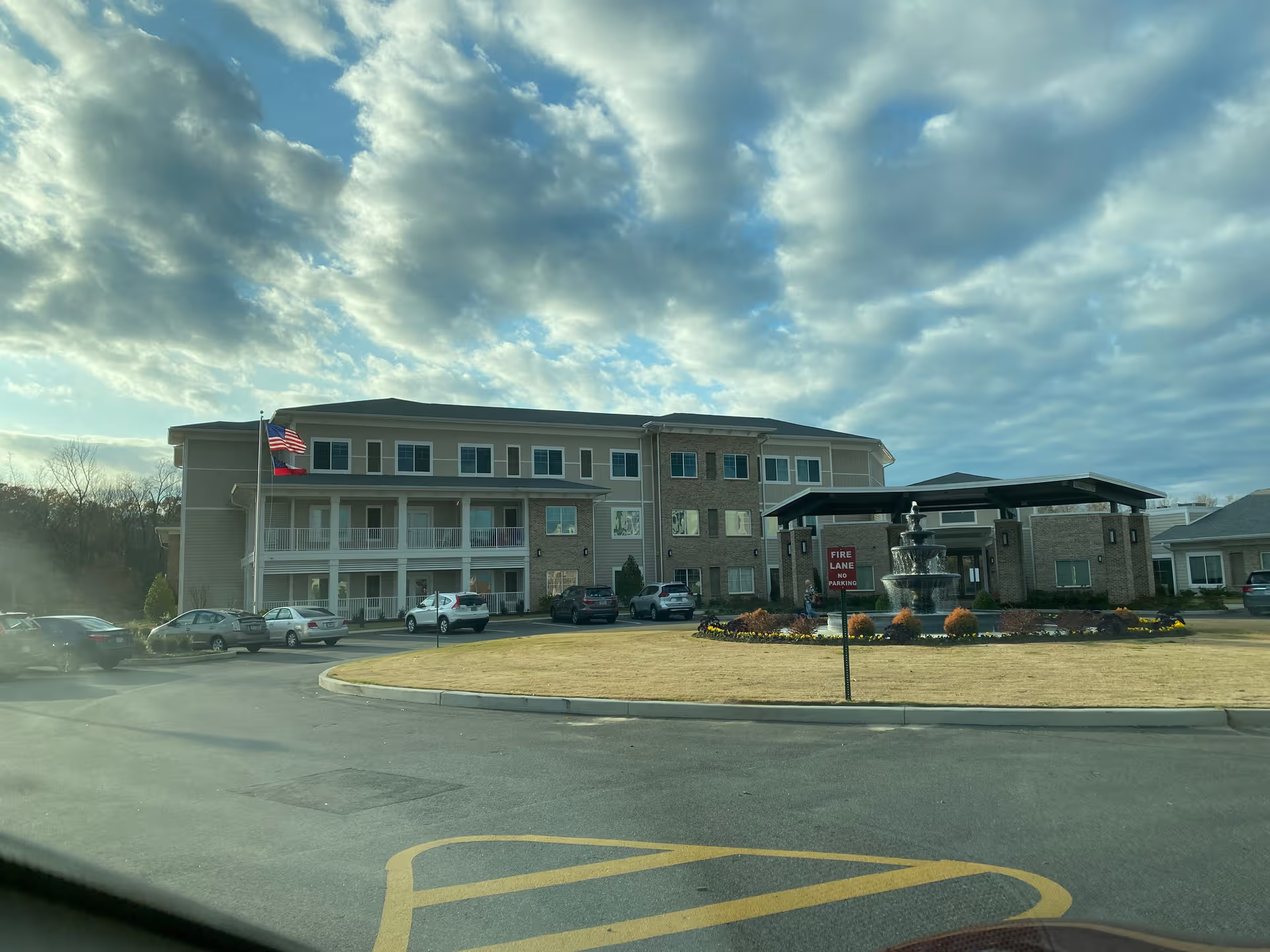
PruittHealth - Peake presents a mixed picture across reviews. Many families and residents praise the facility’s physical environment — renovated halls, bright dining rooms, and a generally pleasant atmosphere — and highlight effective therapy services that supported measurable rehabilitation gains. Several accounts describe decisive, compassionate nursing actions and administrators who were engaged and communicative. The activities program (music, crafts, outings) and available onsite transportation are consistently noted as positive contributors to resident quality of life, and admissions and business-office staff receive frequent commendation for professionalism and helpfulness.
At the same time, a persistent pattern of operational weaknesses emerges. Care quality is inconsistent: reviewers describe variation in competence and responsiveness between staff members and shifts, and understaffing appears to exacerbate delays in basic care tasks. Specific operational traits cited include delayed assistance for toileting and bathing needs, gaps in laundry and linen management, and inconsistent adherence to medication schedules and clinical orders. These patterns have translated, in some cases, to hospital transfers and other adverse outcomes; families also raise concerns about wound and infection management. Overall, safety-related practices such as fall prevention and transfer protocols are identified as areas needing reinforcement.
Communication and staff conduct are frequent themes. Families report variable responsiveness to phone calls, delayed or unclear updates about clinical changes or discharge timing, and inconsistent coordination among nursing, therapy, and administrative teams. Some reviewers describe instances of poor bedside manner or rudeness, while others single out individual caregivers who were highly attentive. This variability suggests uneven staff training, supervision, or staffing levels. In addition, operational issues such as unreliable call-light responses and intermittent failures of the phone system undermine timely care delivery.
Dining and activities are generally viewed more favorably than clinical operations. Multiple reviewers enjoyed meals and praised dietary staff for accommodations, though food quality and service consistency received mixed feedback. The activities program and communal offerings contribute positively to resident engagement. Environmental services and housekeeping receive both commendations and criticisms: while some describe very clean, well-maintained areas and standout employees, others note lapses in laundry, odor control, and timely room maintenance.
Management and business practices show strengths in some areas and notable concerns in others. Positive comments cite an involved administrator, proactive communication from admissions, and helpful business-office personnel. Conversely, complaints about billing clarity, uncommunicated private-pay charges, and abrupt or poorly communicated discharge practices appear with enough frequency to warrant attention. A few reviewers allege more serious issues, including financial or discharge-practice concerns; such claims merit formal investigation by families and, where appropriate, regulatory authorities.
In summary, PruittHealth - Peake offers a well-appointed facility with effective therapy programming and several committed staff who provide high-quality, compassionate care. However, recurring operational issues — especially inconsistent staffing, hygiene and laundry management gaps, medication and clinical-order adherence concerns, and uneven communication — create variability in resident experience and safety. Prospective residents and families should weigh the facility’s environment and therapy strengths against these operational risks, and consider direct conversations with leadership about staffing, handoff procedures, infection-control practices, and billing/discharge policies before admission.