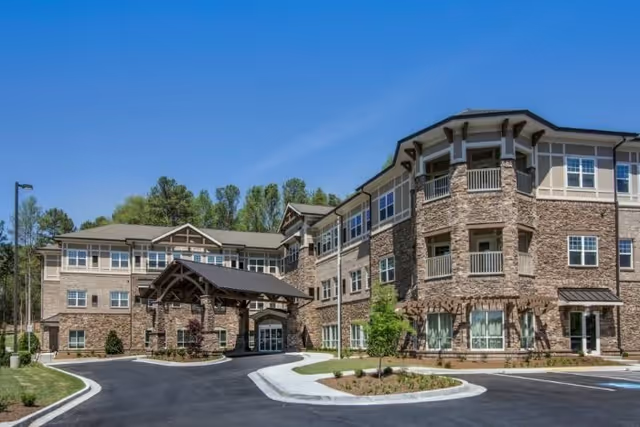
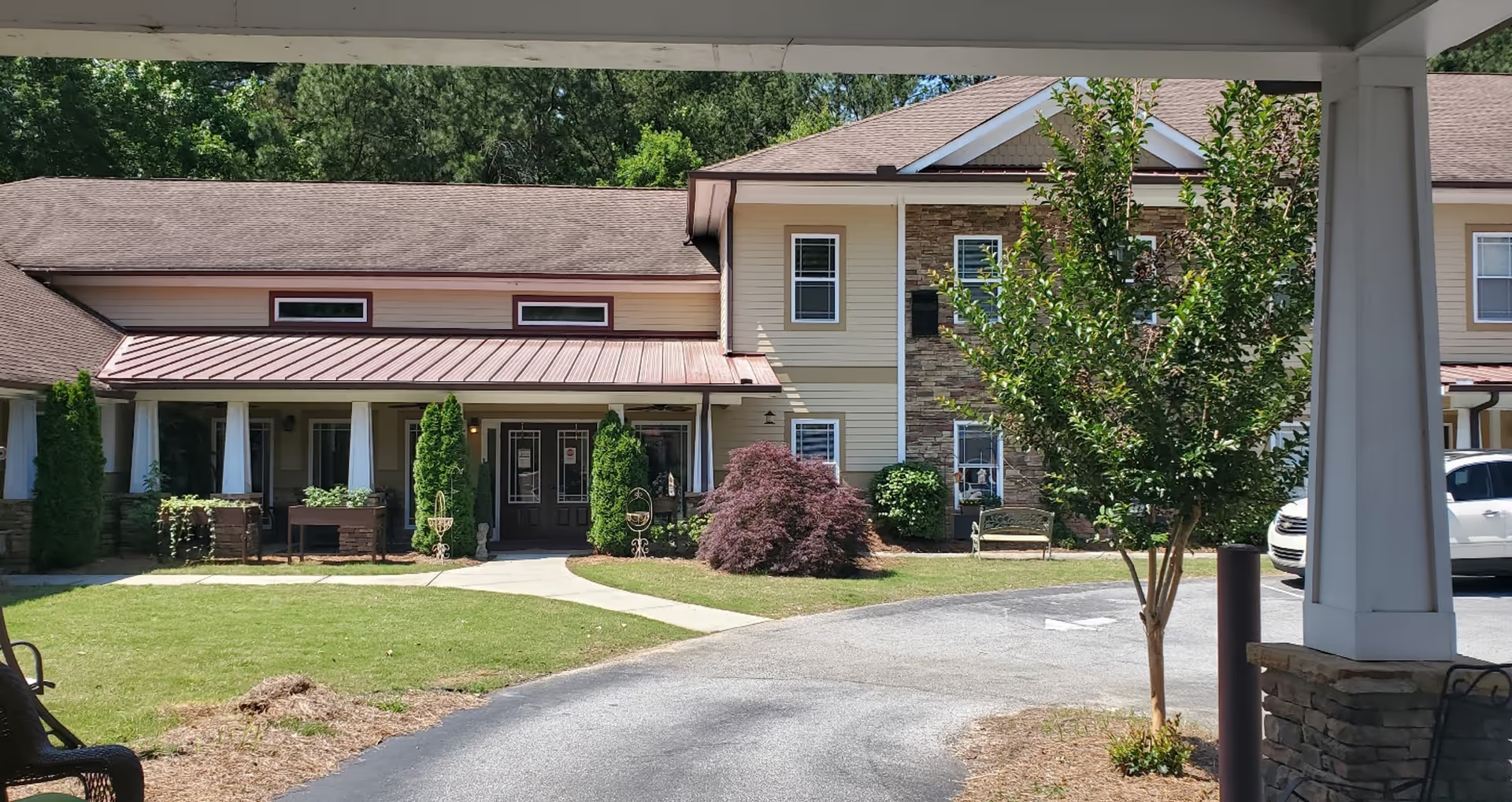
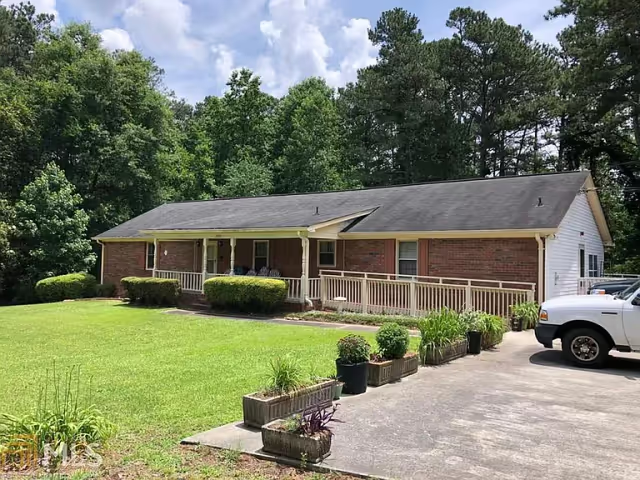
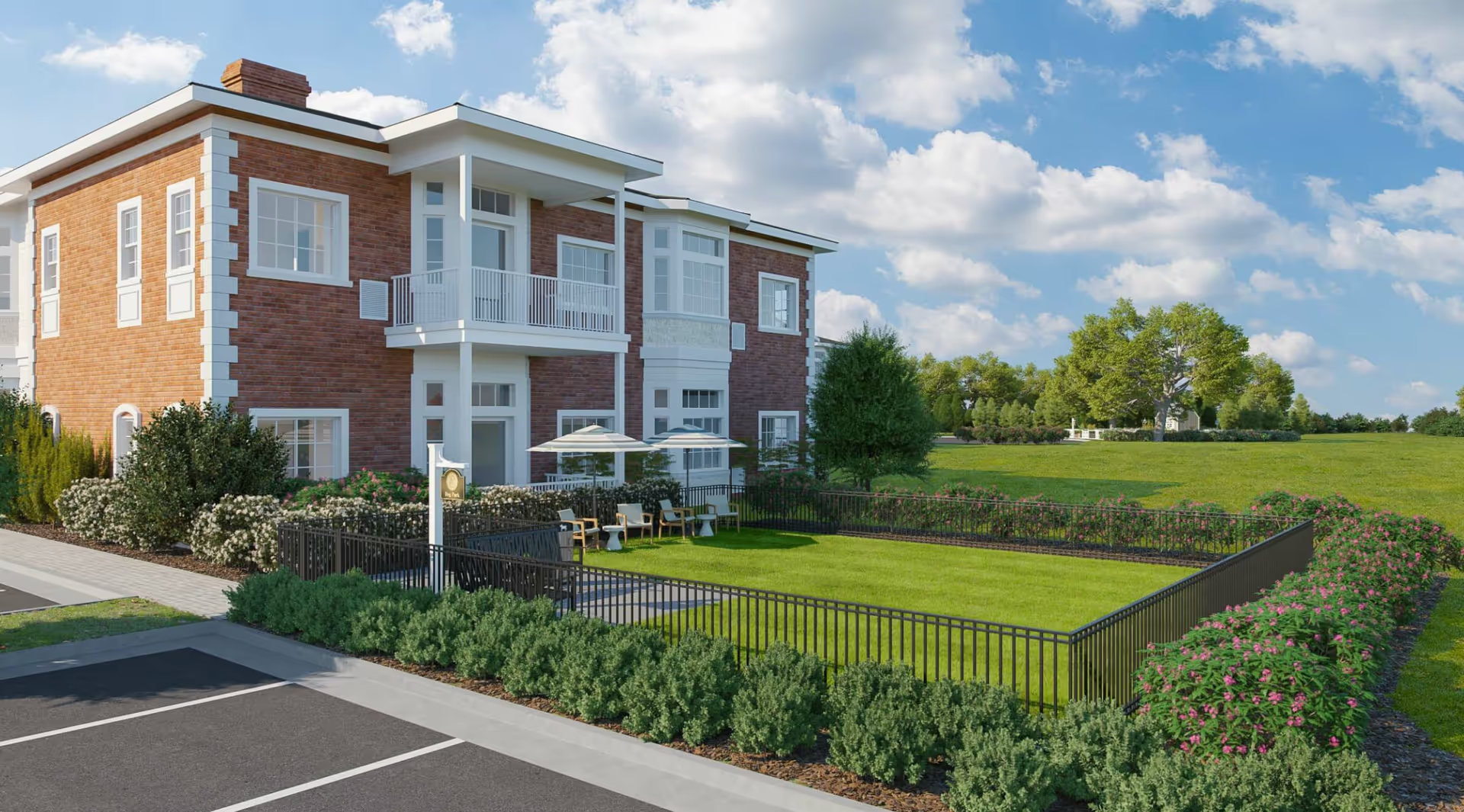
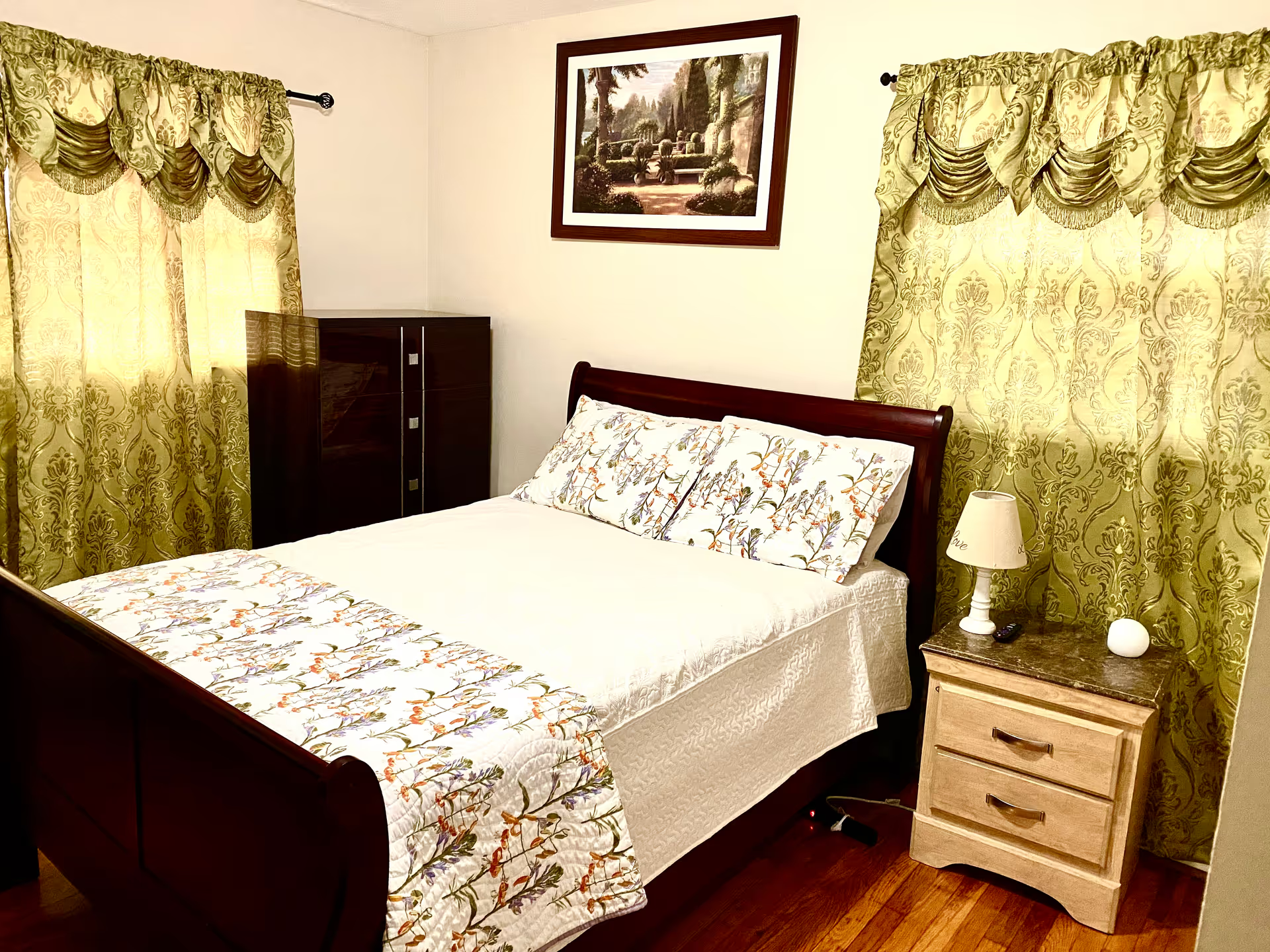
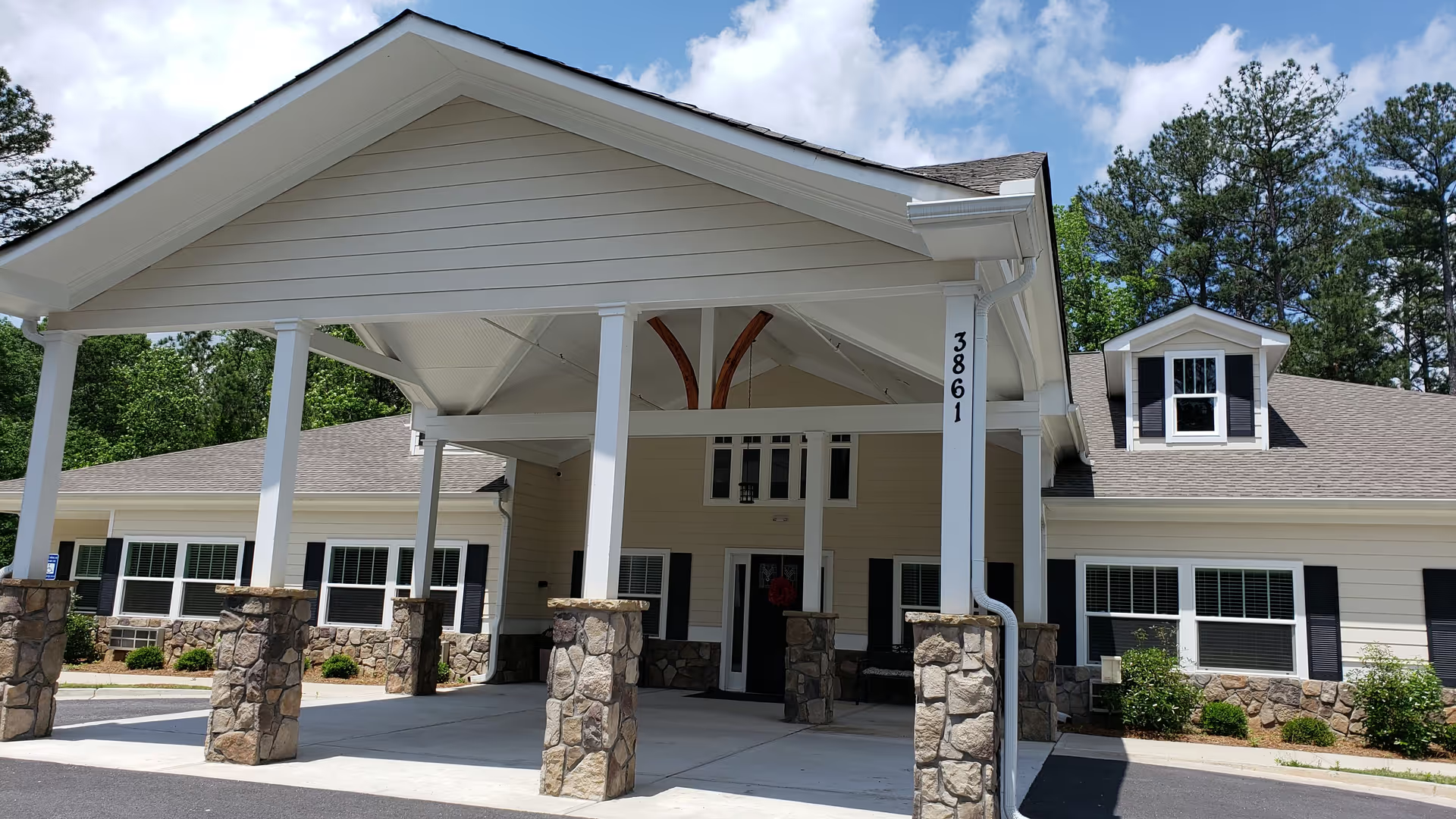
Reviews of Oaks at West Cobb present a sharply divided picture: the property and many frontline staff draw consistent praise, while operational and clinical reliability are recurring concerns. The campus, interiors, and apartment layouts are frequently described as attractive, spacious, and resort-like; reviewers also note multiple common areas and pleasant grounds. Several families highlighted helpful maintenance personnel, a welcoming move-in experience, on-site physical therapy, and activity programming that—when staffed—can be engaging. In a number of positive accounts, dining is described as professionally prepared with variety, and specific directors and caregivers are cited as supportive and attentive.
Care quality is mixed. Positive accounts describe compassionate caregivers, attentive aides, and timely follow-up by clinicians in some cases. However, many reviewers describe gaps that affect day-to-day safety and well-being: inconsistent nurse coverage, recurring staff turnover, and concerns about medication administration and identification processes. There are also frequent descriptions of delays in responding to resident calls and irregular completion of scheduled personal-care tasks. Those patterns point to weaknesses in clinical oversight and staffing continuity rather than isolated incidents alone.
Dining and activities show similar variability. Several reviewers praised the menu variety and meal presentation, while others described inconsistent meal quality, limited snack availability, and nutritional concerns. Activity schedules and calendars appear robust on paper, but multiple accounts indicate the planned programming is not always delivered or fails to engage residents consistently. Where activity and therapy staff remain stable and present, families report significant benefit; where staffing is thin, residents can become disengaged.
Facility operations and environment combine strengths with operational lapses. The building and grounds are widely viewed as well kept, with plentiful spaces for residents to gather. Conversely, housekeeping and laundry procedures are cited as inconsistent, and sanitation concerns in both rooms and common areas were noted. Front-desk coverage and facility access controls were also raised repeatedly, with examples of unmanned desks, phone non-responsiveness, and doors/security procedures not consistently enforced. These items suggest front-line operational processes may not be reliably staffed or monitored.
Management and administration emerge as a central theme. Several reviewers praised individual directors and on-site managers who are responsive and supportive; others report frequent leadership turnover, difficulty reaching administration, fragmented family communication, and billing or documentation irregularities. There are also serious, though not universally described, allegations of administrative failures such as continuing charges after discharge and contested billing entries. These patterns indicate uneven managerial oversight and transitions in leadership that correlate with operational instability.
Notable patterns for prospective residents and families: the property offers strong physical amenities and, at times, high-quality direct care and programming. Yet the facility exhibits recurring operational weaknesses—chiefly staffing instability, medication- and documentation-control gaps, inconsistent housekeeping, variable dining and activity delivery, and uneven administrative responsiveness. Prospective families would be advised to evaluate current staffing levels and nurse-coverage schedules, review medication-administration protocols and billing practices, observe housekeeping and dining at mealtime, and ask for recent examples of management stability and incident response procedures during tours.