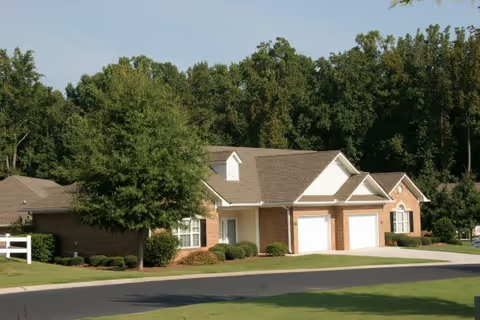
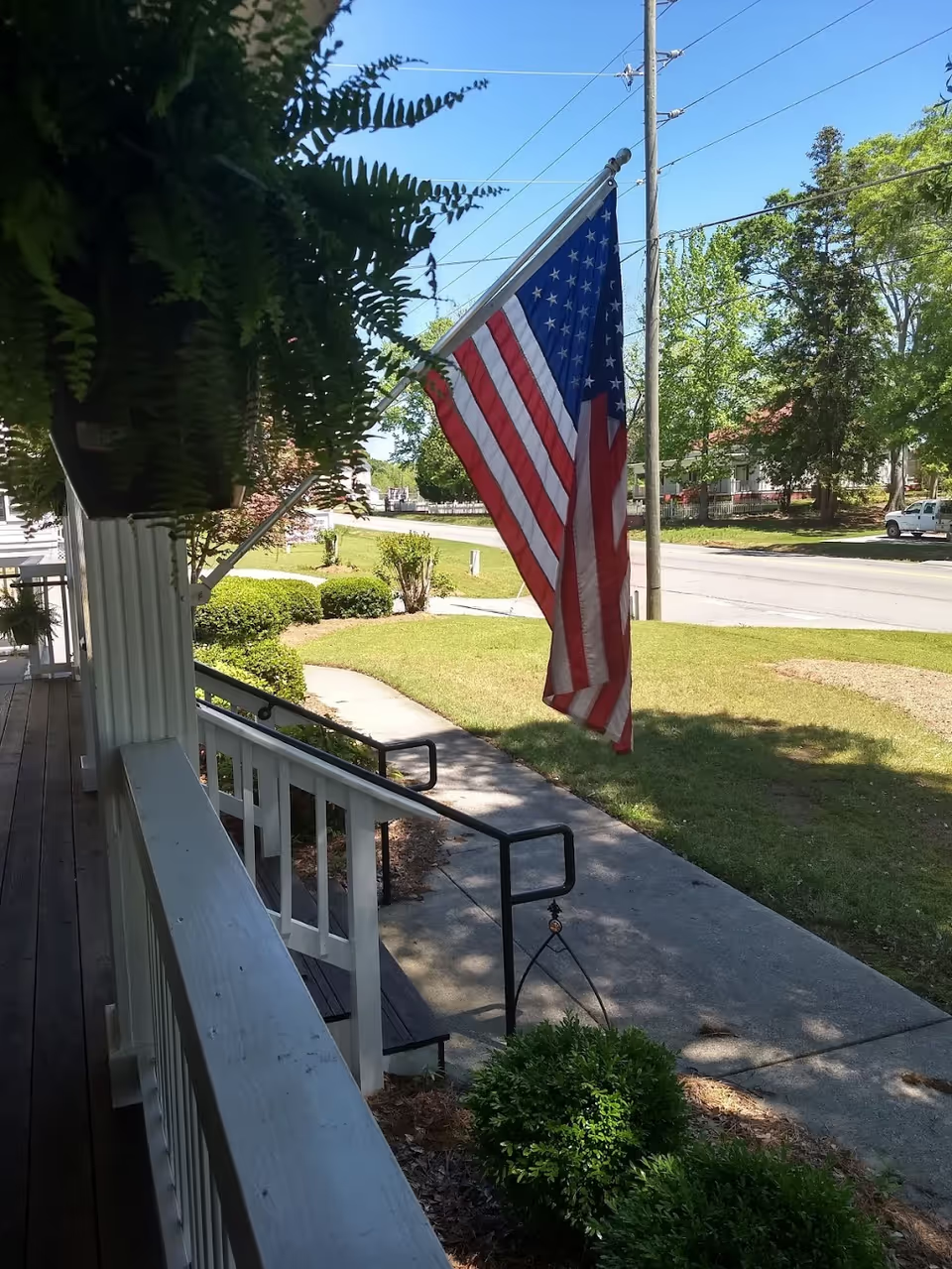
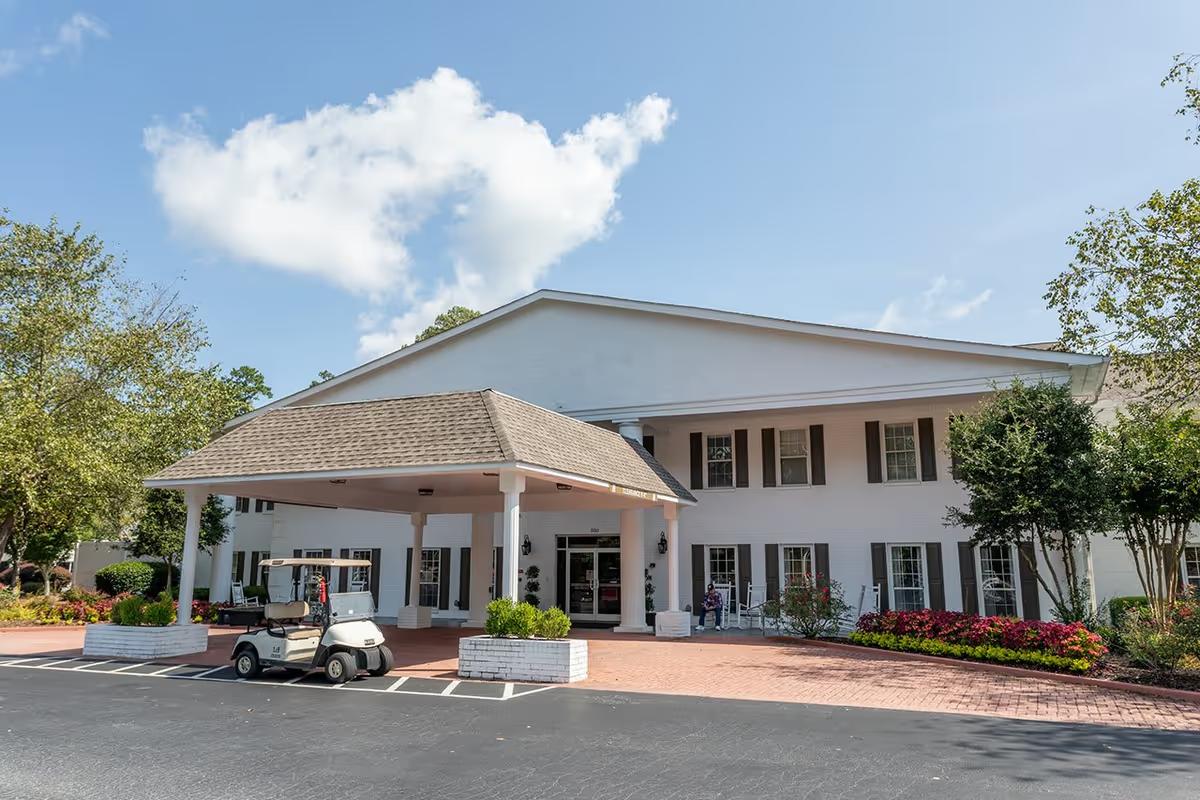
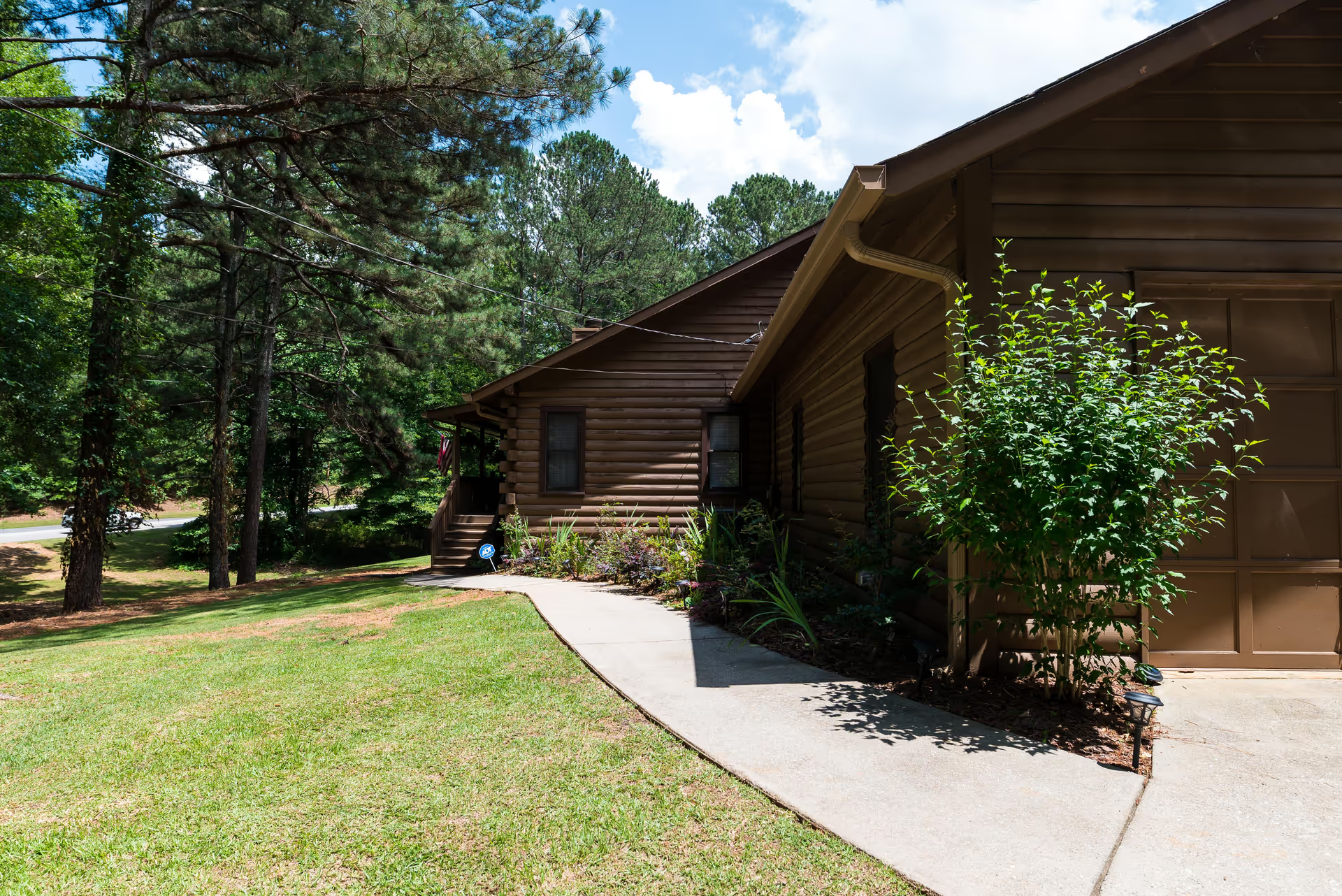
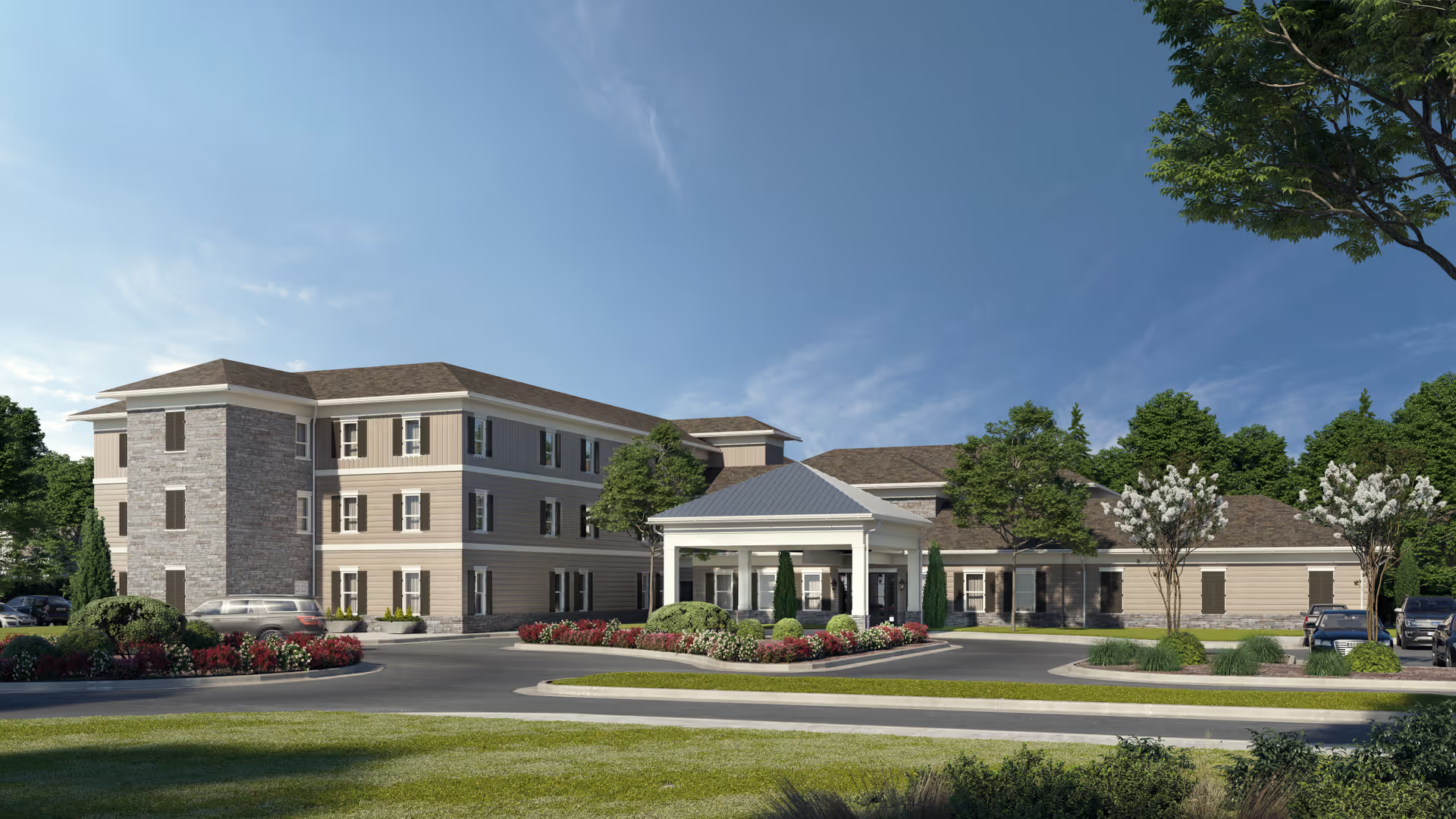
Reviews of Great Oaks Senior Living present a mixed but generally positive picture, with strong praise for the facility’s physical environment, social programming, and many members of the direct-care team. The community is frequently described as clean, bright, and upscale, with amenities such as a movie theater, indoor garden, courtyards, library, and an on-site pharmacy. Multiple accounts highlight spacious rooms, well-kept common areas, and proximity to a hospital, which contribute to a sense of safety and convenience.
Care quality and staff character receive substantial positive comment. Many families and residents describe compassionate, family-style caregiving, proactive communication in some cases, and staff who form meaningful relationships with residents. Housekeeping and maintenance are often singled out as responsive, and there are repeated references to attentive post-op and medical-support care. The community offers assisted living and a level-1 memory-care unit, and reviewers note capabilities such as insulin administration for diabetic residents.
At the same time, recurring operational concerns appear across reviews. Staffing consistency and caregiver turnover are prominent themes; several accounts describe slow call-button response times, limited interaction from some aides, and perceived understaffing at peak times. These patterns relate to broader concerns about hands-on care for higher-acuity residents, and a number of families described disruptive room or program relocations during transitions, which can complicate continuity of care. Communication quality is uneven: some families praised regular updates, while others reported follow-up lapses and unanswered messages.
Clinical and administrative processes show variability. There are reported gaps in medication-management procedures and in informed-consent practices in isolated but serious accounts; reviewers express concern about how medication changes and clinical decisions are communicated and documented. Memory-care placement processes also drew questions—some families felt there was pressure to move residents despite outside clinical advice—so prospective families should seek clarity on assessment criteria and timelines.
Dining and activities present a contrast. The activities program is a consistent strength: residents have access to an active schedule (crafts, exercise classes, bingo, karaoke, chorus nights, outings and trips) that contributes to social engagement and wellbeing. Dining feedback is mixed: several reviewers describe an appealing, restaurant-like dining environment and good meals, while others report inconsistent food quality, late service, and bland preparations. Prospective residents may want to sample meals and observe service timing.
Accessibility and value are additional considerations. The property is described as attractive and well-appointed, but a few practical accessibility gaps were mentioned (limited automatic doors, rooms lacking accessible sinks, and challenges accommodating certain mobility devices). Pricing perceptions vary: some families considered Great Oaks competitively priced versus other nearby options, while others questioned value relative to higher costs.
In summary, Great Oaks offers a well-maintained, activity-rich community with many caring staff and useful clinical amenities. However, families should evaluate staffing stability, medication and consent protocols, meal service practices, and accessibility during a tour. Specific questions to raise include staffing ratios by shift, policies for medication changes and family notification, the facility’s process for memory-care placement, and examples of how the community handles transitions and higher-acuity needs.