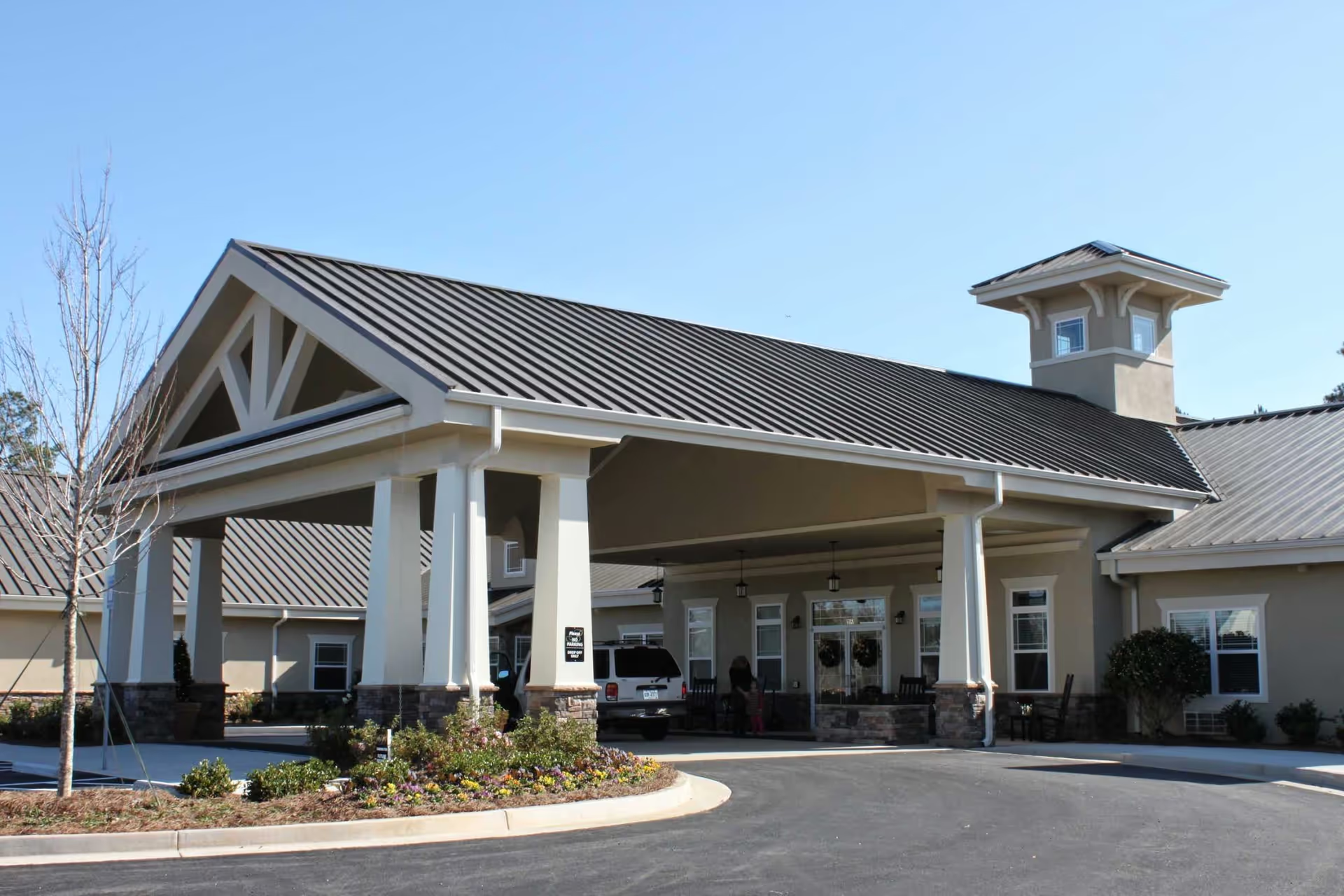
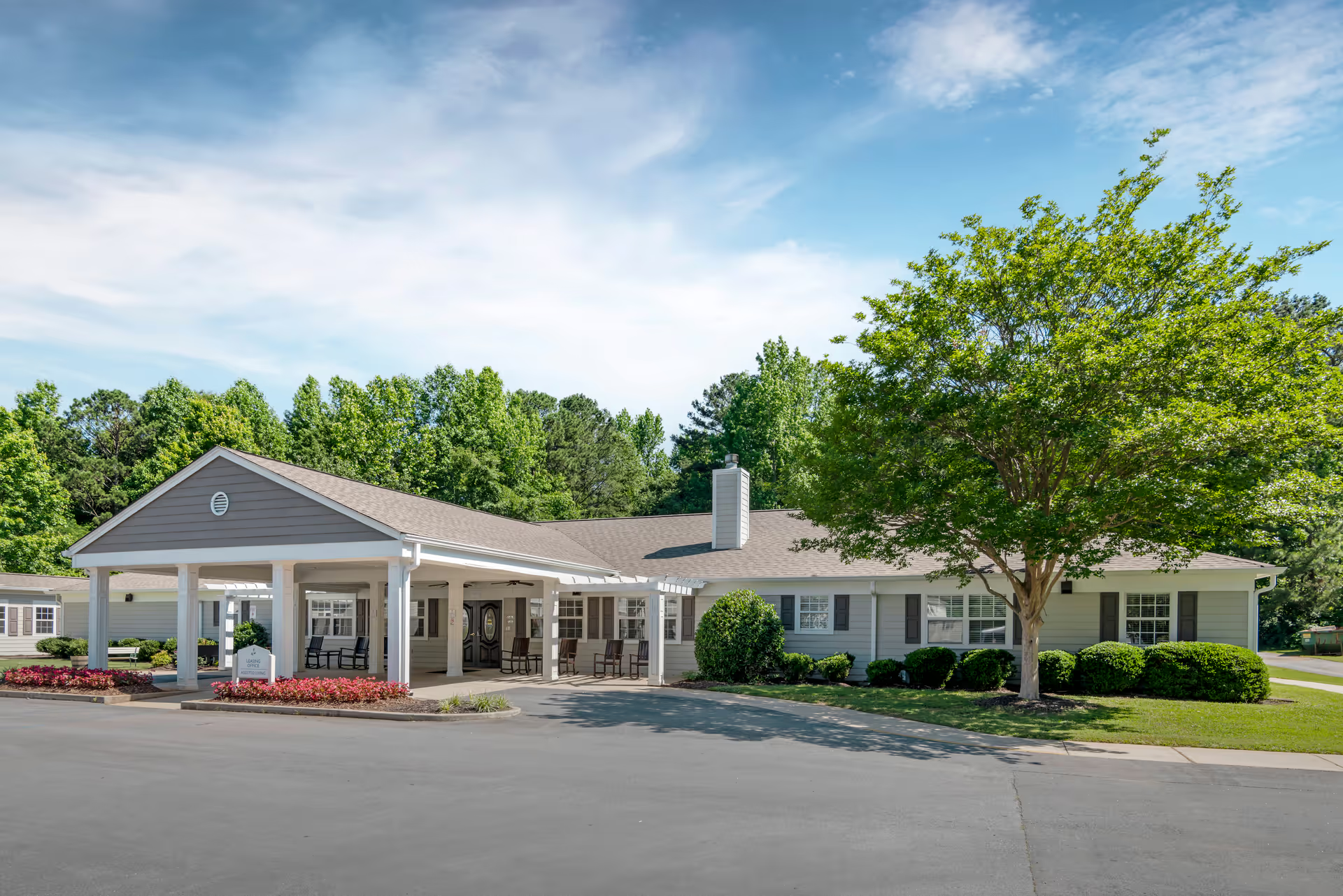
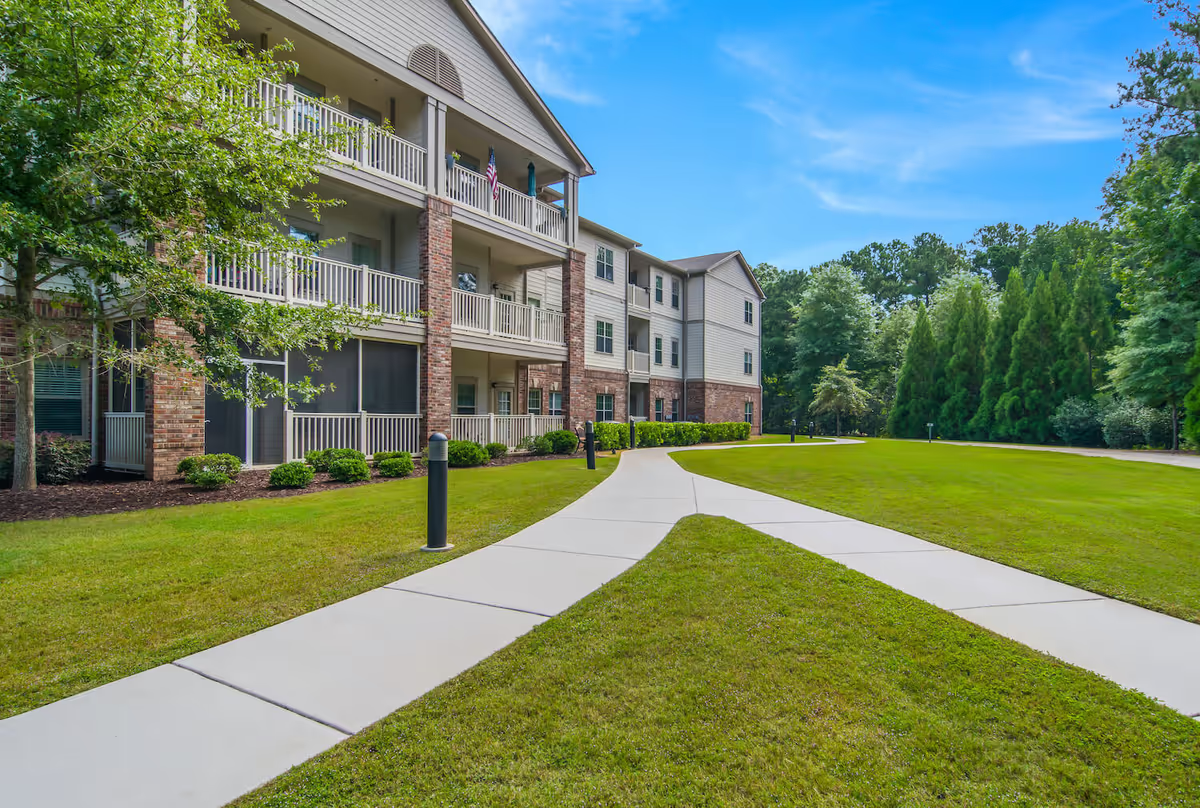
Corinth Road Personal Care Home is described as a small, single‑story residential facility with a house‑like setting and a very limited census (around a dozen residents). Reviewers consistently note physical attributes that favor a home environment: private furnished rooms with windows, an expansive living room, and an easy‑to‑navigate single‑level layout. The facility's affordability and perceived value for cost are recurring positive themes, and the small scale supports a more intimate atmosphere compared with larger institutional settings.
Care quality descriptions are mixed and include some substantive concerns. While the setting is described as personable and home‑like by some, several family members raised issues about consistency of basic care tasks and clinical oversight. Specific operational concerns include inconsistent assistance at mealtimes, gaps in attention to chronic respiratory needs, and insufficient accommodations for residents with significant visual impairment. These items point to broader patterns of unreliable hands‑on care and inconsistent clinical follow‑through rather than isolated environmental problems.
Comments about staff and management reflect a notable divergence in experience. On the positive side, the facility's scale can foster close interpersonal relationships. Conversely, there are multiple concerns about staff conduct and tone, limitations on family communication and visitation access, and perceived deficiencies in supervision and training. Some families characterized the environment as restrictive with limited opportunities for regular contact; a few accounts described interactions with management or caregivers that they found troubling. These reports suggest that prospective residents and families should directly assess staff responsiveness, communication practices, and visitation policies during a visit.
Dining and daily support are areas of particular concern. Reviewers referenced inconsistent mealtime assistance and inadequate attention to oral‑care or feeding needs, which implies gaps in dining supervision and individualized care plans. Activities programming is not widely described; the small, home‑like setting may offer social interaction in communal spaces, but families should ask about structured activity schedules, therapeutic supports, and opportunities for engagement to judge fit.
Facilities are generally viewed positively: the single‑story footprint, private rooms, and roomy common areas support mobility and a comfortable living feel. However, the operational concerns outlined above—particularly around caregiving consistency, clinical oversight, and family access—are significant enough that they should be investigated directly. Prospective residents and families are advised to tour the home, review staffing ratios and caregiver training, ask for written care plans (including feeding protocols and chronic‑condition management), confirm visitation and communication policies, and request references from current families or regulatory inspection reports to form a complete picture before making a placement decision.