Oaks at Stockbridge presents as a community with clear strengths in hospitality, social programming, and facility upkeep alongside recurring operational challenges that prospective families should clarify during a tour.
Care and staff: Reviewers commonly describe staff as warm, compassionate, and resident-centered. Many families praised caregivers, activity directors, and specific nursing staff for personalized attention, timely updates, and emotional support during transitions and bereavement. That said, there is a noticeable pattern of inconsistent staffing and frequent turnover that affects continuity of care. Several families expressed concerns about shift-to-shift variability, moments without an on-site nurse, and uneven supervision on some shifts. There are also recurring remarks about gaps in memory-care staffing and oversight; these suggest that clinical coverage and staff assignment stability merit close inquiry for residents with higher clinical needs.
Dining and activities: The dining program is generally well regarded — meals and snacks were described positively by many residents and families, and the community runs an active calendar (bingo, outings, devotional groups, music, volunteer programs, and regular social events). Activity participation appears strong in many areas, contributing to family peace of mind and resident engagement. However, activity visibility and consistency vary by unit; some visitors reported no observed programming during a tour. Families should confirm the daily schedule for the specific neighborhood and how engagement is supported for residents with cognitive impairment.
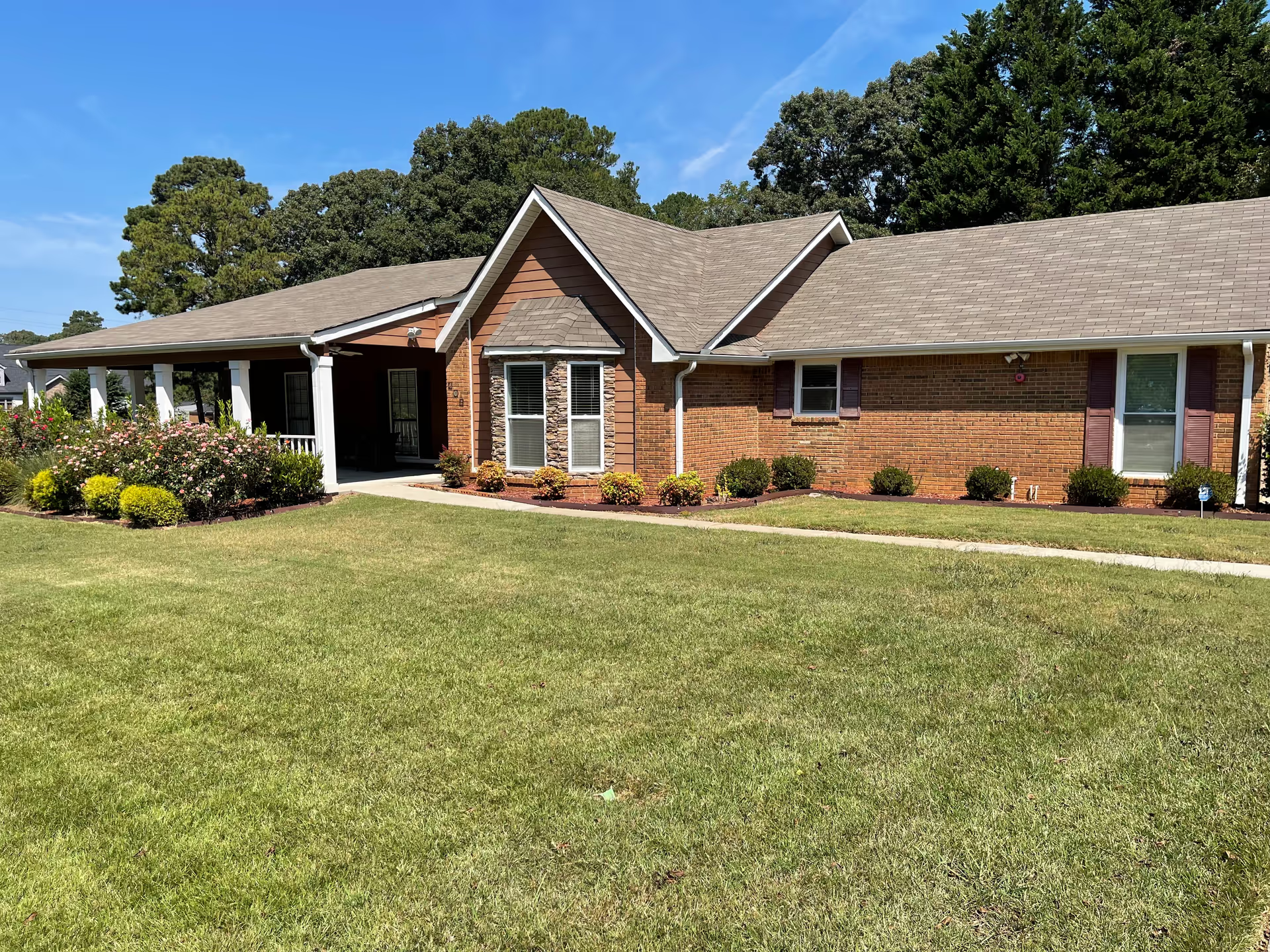
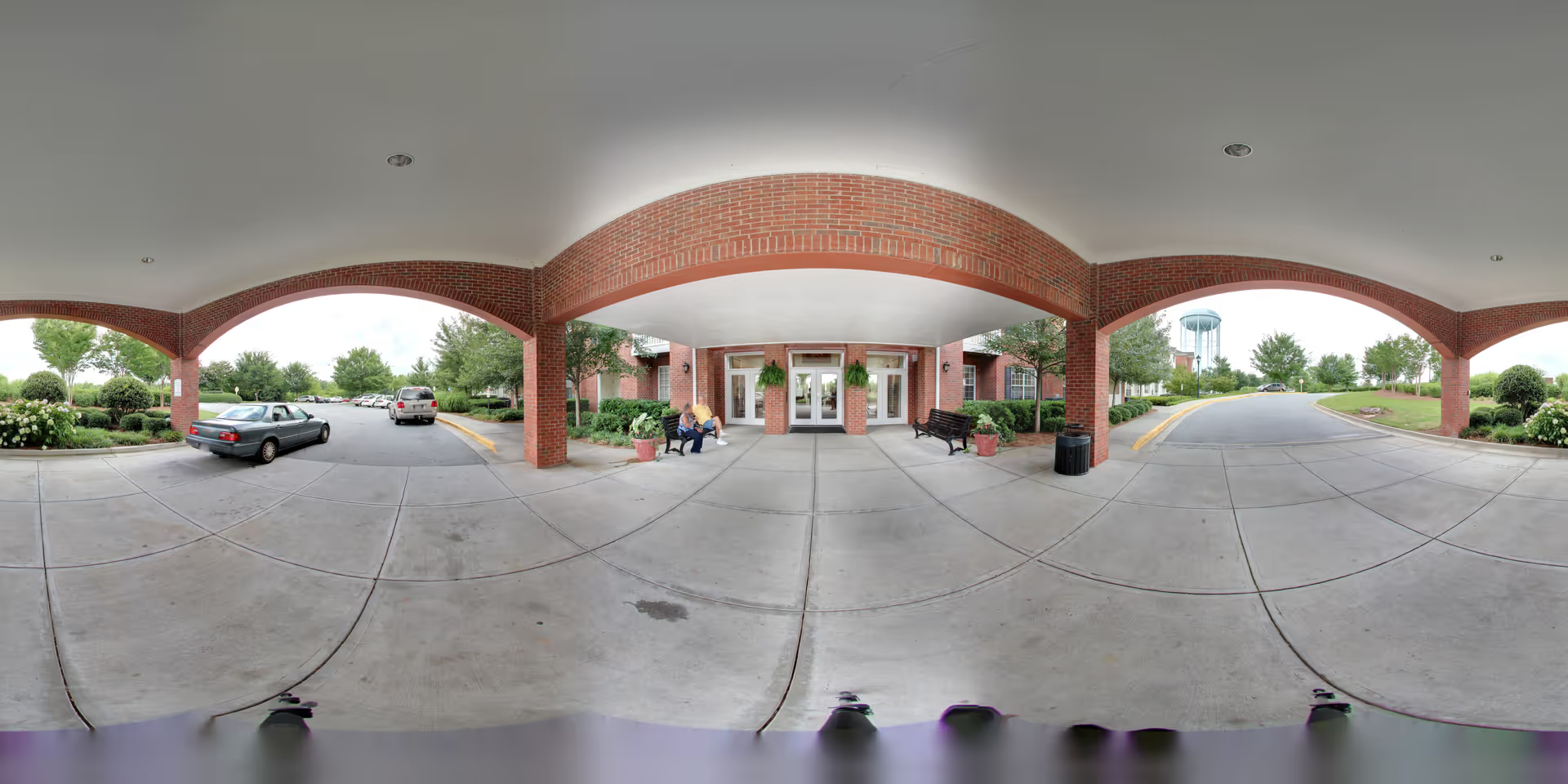
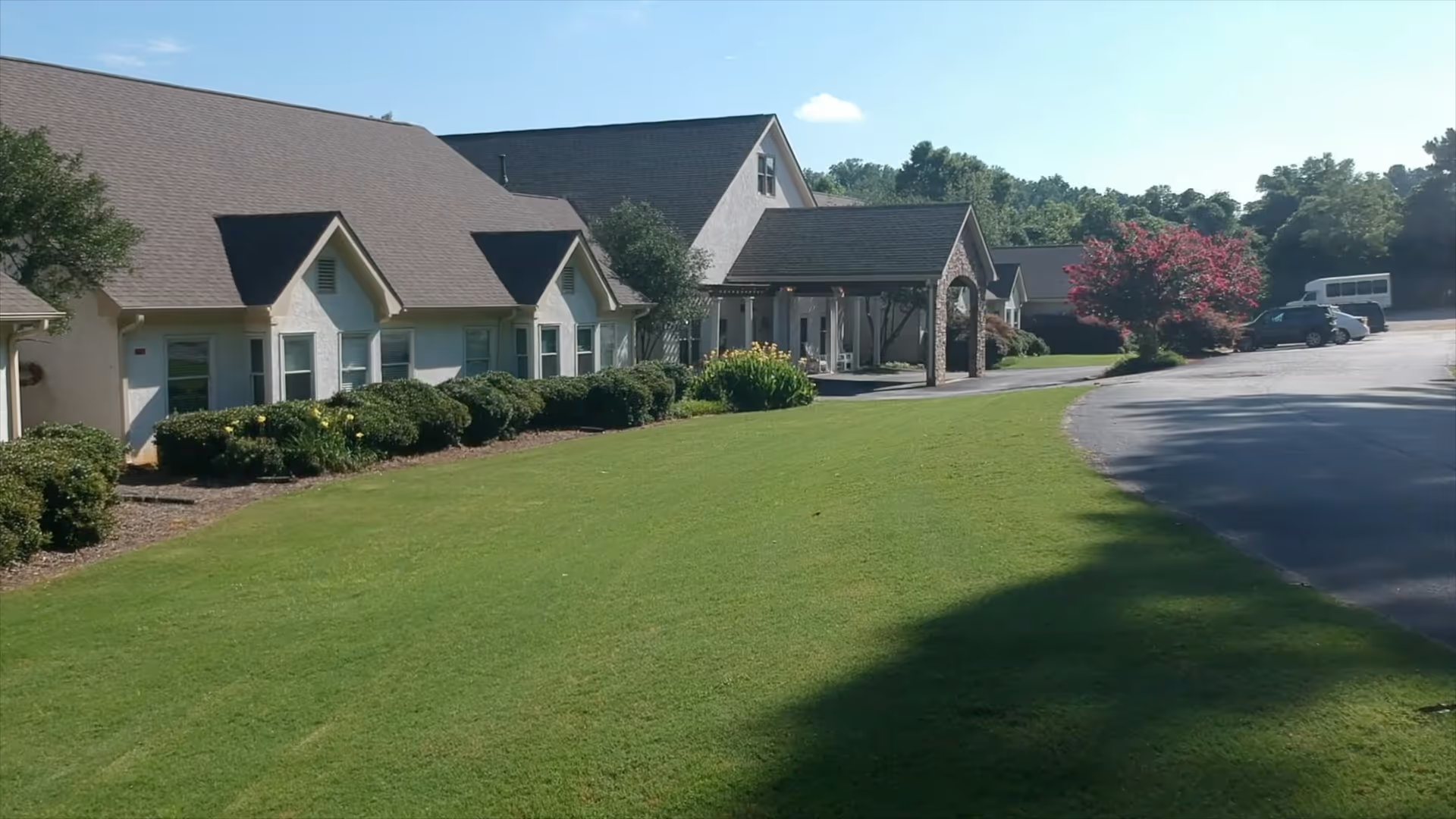
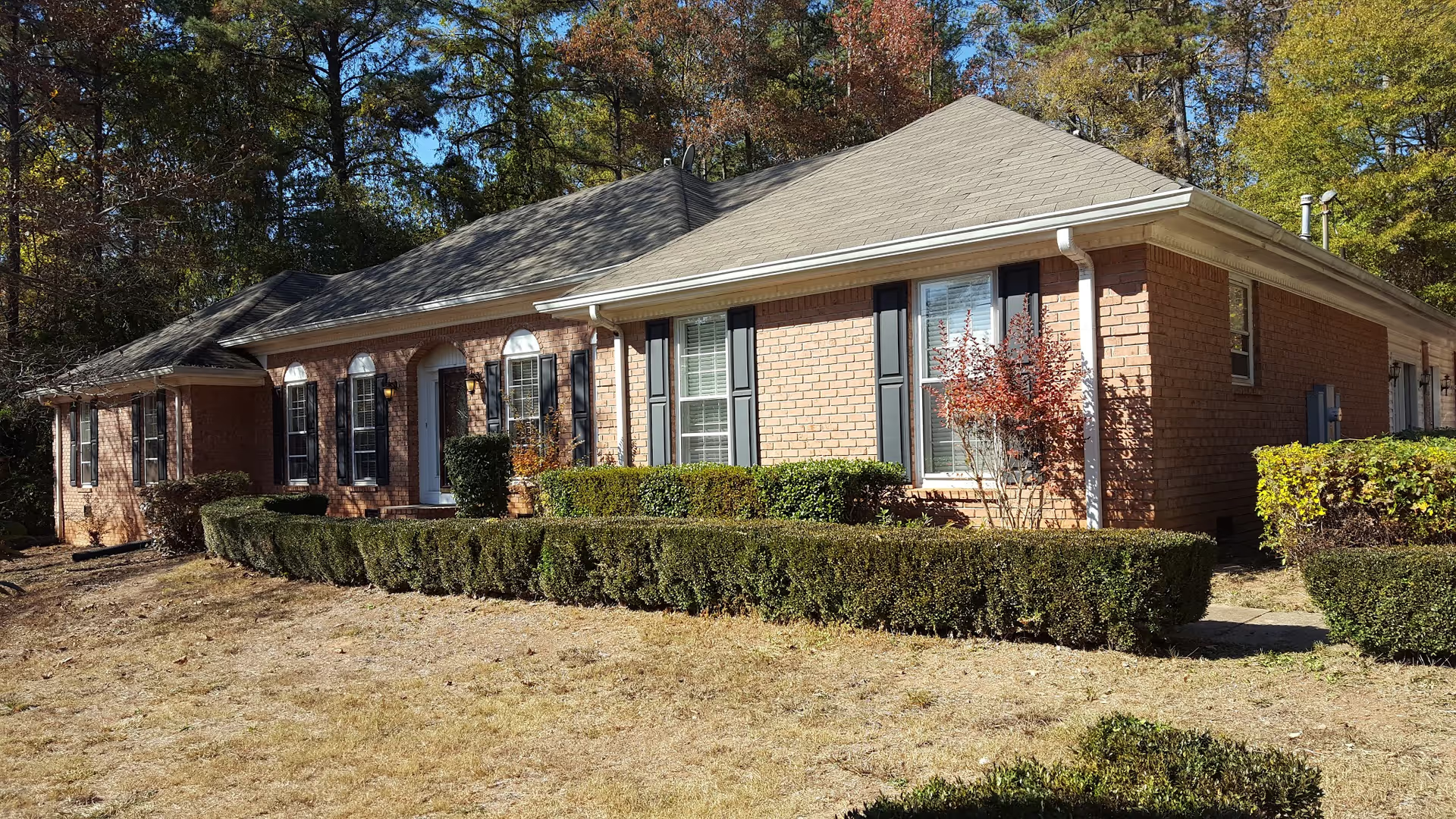
Facilities and amenities: Physical spaces are frequently praised: attractive interiors, well-kept grounds, short hallways, accessible common rooms, salon, therapy room, and apartment features such as kitchenettes and private bathrooms. Cleanliness and maintenance receive many positive comments, although there are isolated sanitation and pest-control concerns and specific incontinence-care handling issues mentioned. Prospective residents should review housekeeping and laundry protocols, storage and privacy features, and outdoor/courtyard maintenance during a visit.
Management and operational patterns: Multiple reviews highlight effective, helpful admissions and administrative staff who follow up and assist with placement logistics. Conversely, reviewers also raised operational issues: communication breakdowns with hospitals and families, inconsistent medication administration practices and pharmacy billing questions, occasional delays in laundry or linen handling, and unclear expectations about assistive-device services (for example, whether wheelchairs are provided or transported). There are references to price increases and negotiation on rates — affordability and fee transparency are recurring considerations. A small number of accounts raise serious concerns about clinical decline and coordination during end-of-life transitions; these are notable and should prompt direct questions about hospice coordination, incident reporting, and oversight practices.
Bottom line: Oaks at Stockbridge offers a warm, activity-rich environment with many caregivers and staff who receive strong praise for compassion and resident engagement. At the same time, patterns of staffing instability, variable clinical coverage (especially in memory care), and operational inconsistencies (communication, laundry, medication processes, and assistive-device services) appear repeatedly enough that families should verify current staffing levels, RN coverage, memory-care ratios, medication protocols, laundry/incontinence procedures, pest-control measures, and fee policies before placement. A focused tour and direct questions about unit-specific staffing and clinical oversight will help determine whether the community’s strengths align with a prospective resident’s care needs.