Reviewers describe a facility with a clear strength in rehabilitation and a number of dedicated clinical staff, but also with recurring operational problems that affect safety and satisfaction. The rehabilitation program (physical and occupational therapy) and several named therapists receive frequent praise for responsiveness, effective therapy plans and measurable progress. Many families compliment individual nurses and CNAs for compassion and hands-on care; activities staff are also often highlighted for keeping residents engaged.
At the same time, a consistent pattern emerges around staffing and responsiveness. Multiple accounts indicate that night and weekend coverage can be thin, response times to call buttons are variable and staff appear overextended. These workforce constraints are linked in reports to delayed assistance with toileting and bathing, missed or late medications, and gaps in routine clinical monitoring. Several reviews describe medication timing errors—including insulin timing and other dosing mistakes—and problems with medication communication to families and physicians. Wound care and skin-care follow-up are also cited as inconsistent, and there are repeated references to incontinence-care delays and missed personal-care tasks.
Communication and management practices are another recurring concern. Families report difficulty reaching administrative staff, delayed or unclear discharge planning, and billing/room-hold coordination breakdowns. There are claims of limited physician availability and delayed hospice or specialty follow-up at times when higher-level clinical oversight was needed. While some clinicians and specialists are noted as competent, reviewers identify systemic gaps in clinical leadership and in escalation pathways when residents' conditions decline.
Dining and daily living experiences are mixed. Some reviewers praise the meals and dining staff and note enjoyable menu items, while others report inconsistent meal delivery, limited beverage access between meals, and small portions. Hydration support and diet consistency for residents with swallowing or advanced needs are identified as areas needing improvement. Activities are generally described positively, with an engaged activities director and useful programs for resident engagement.
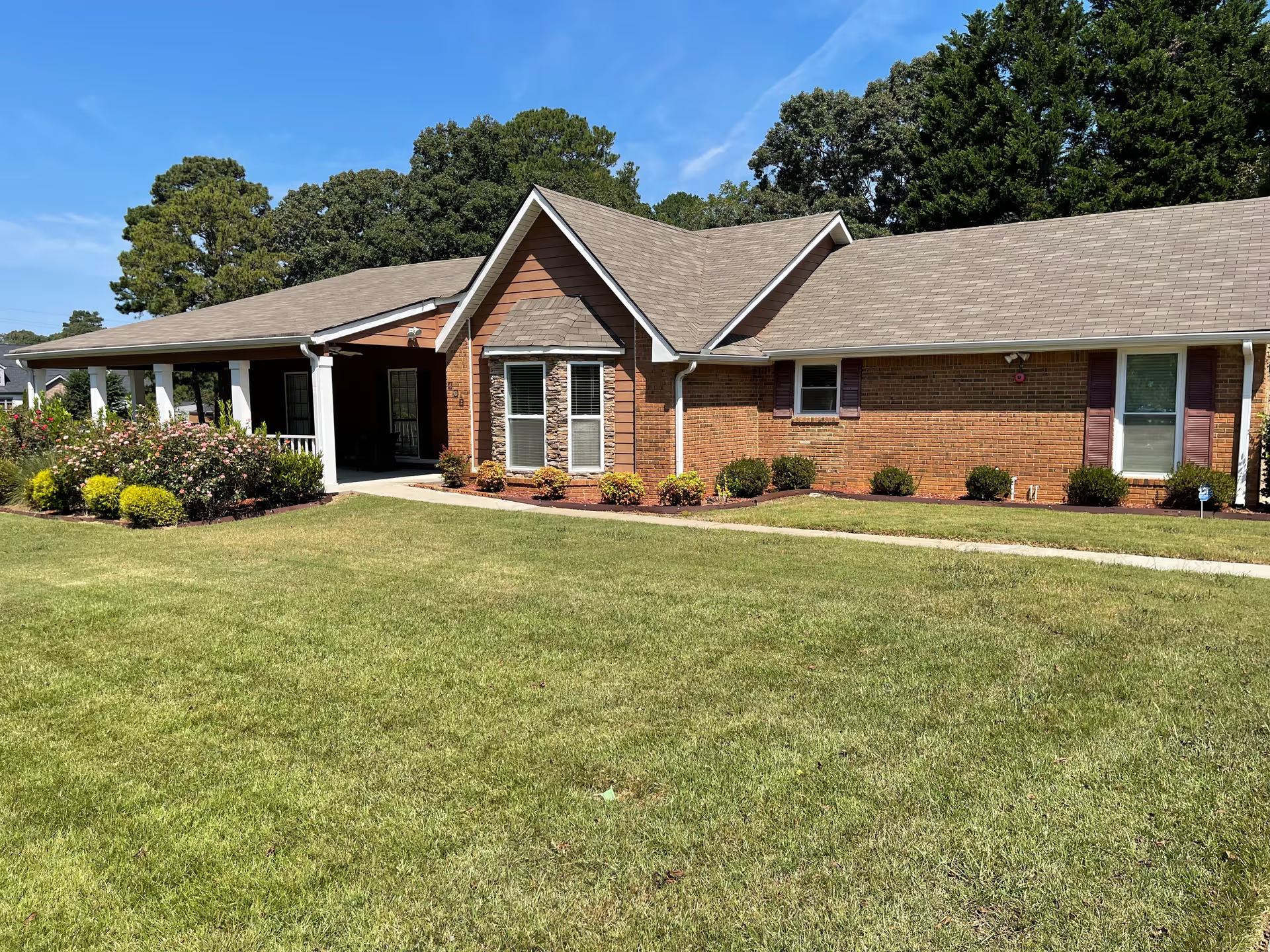
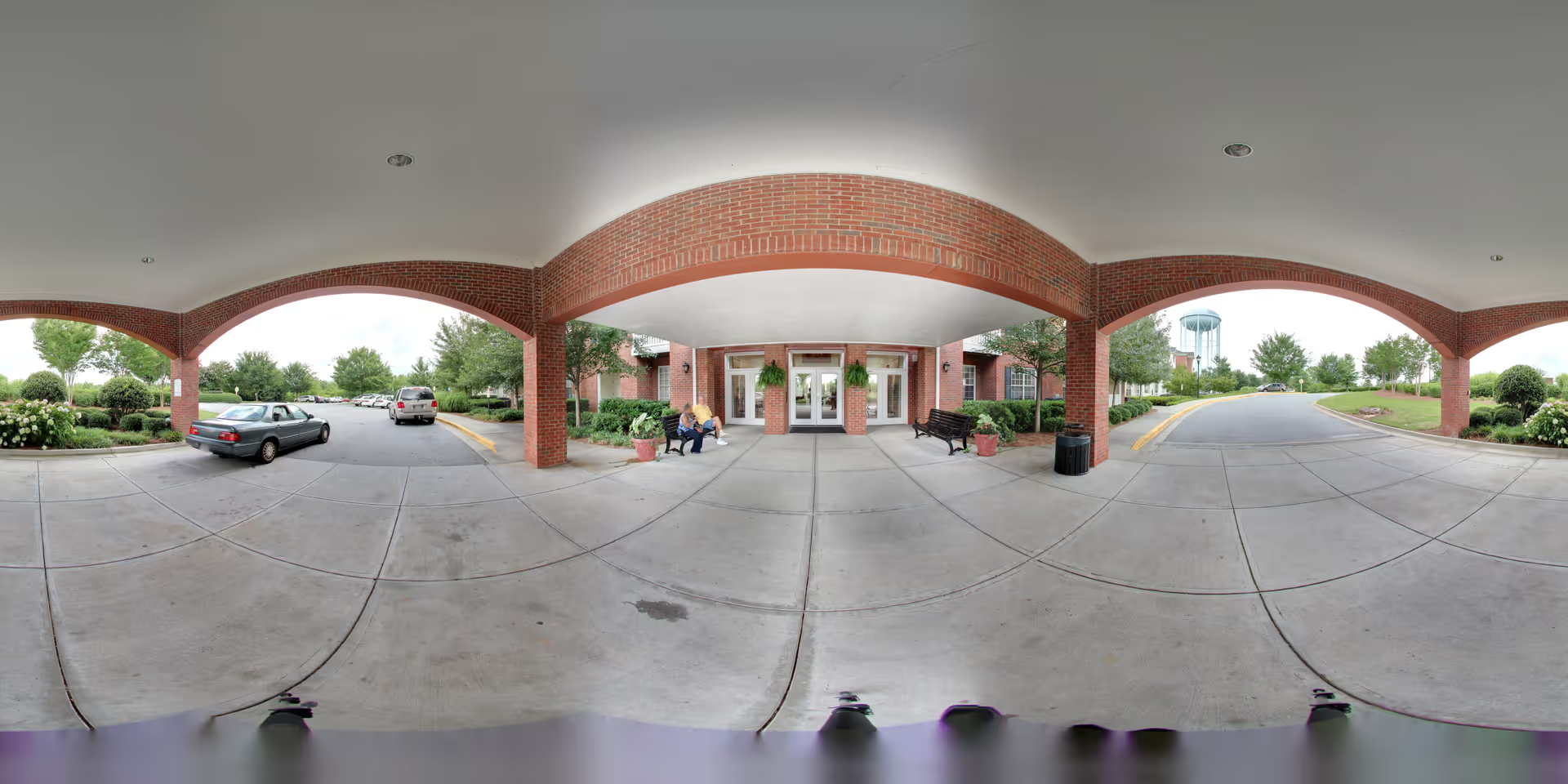
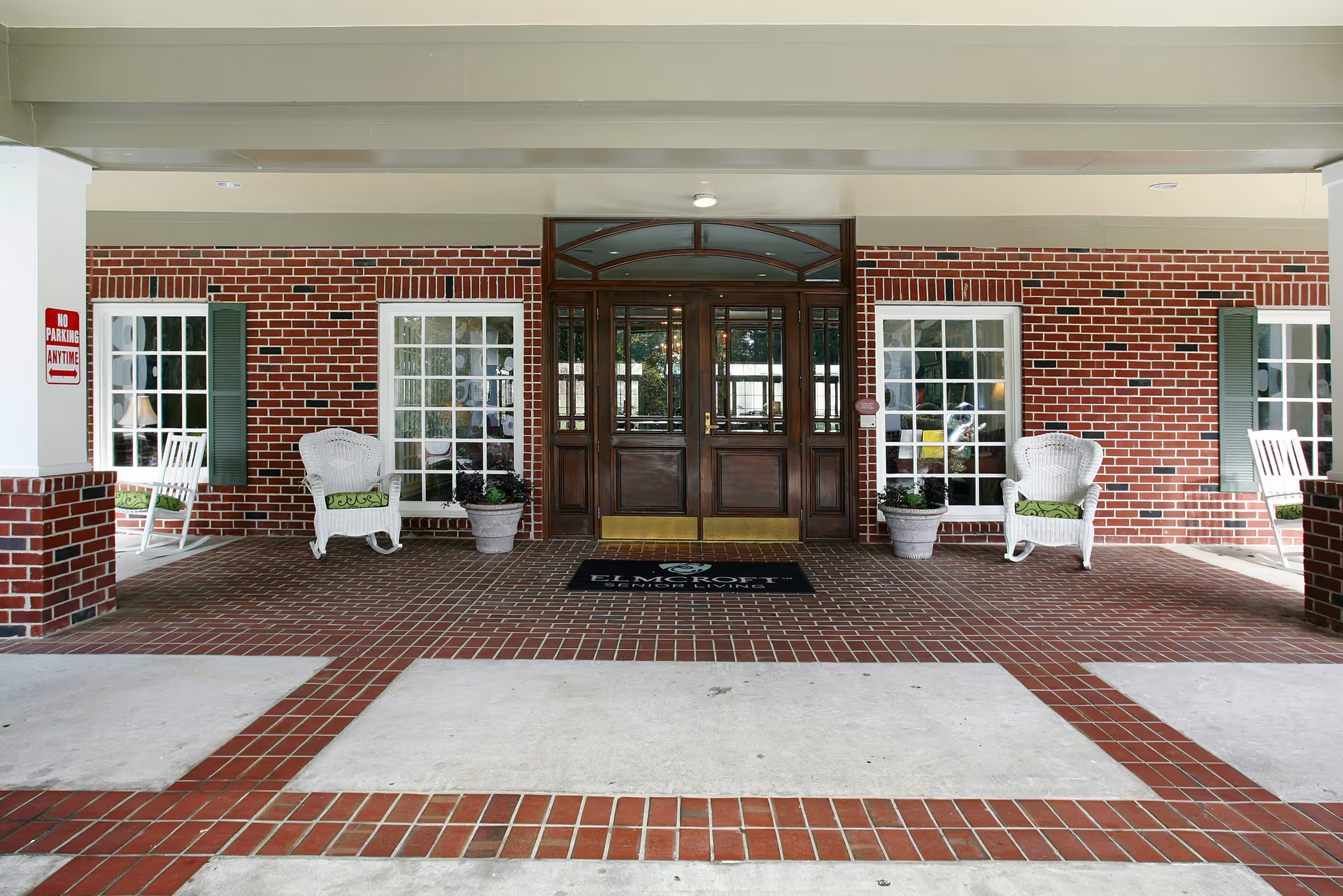
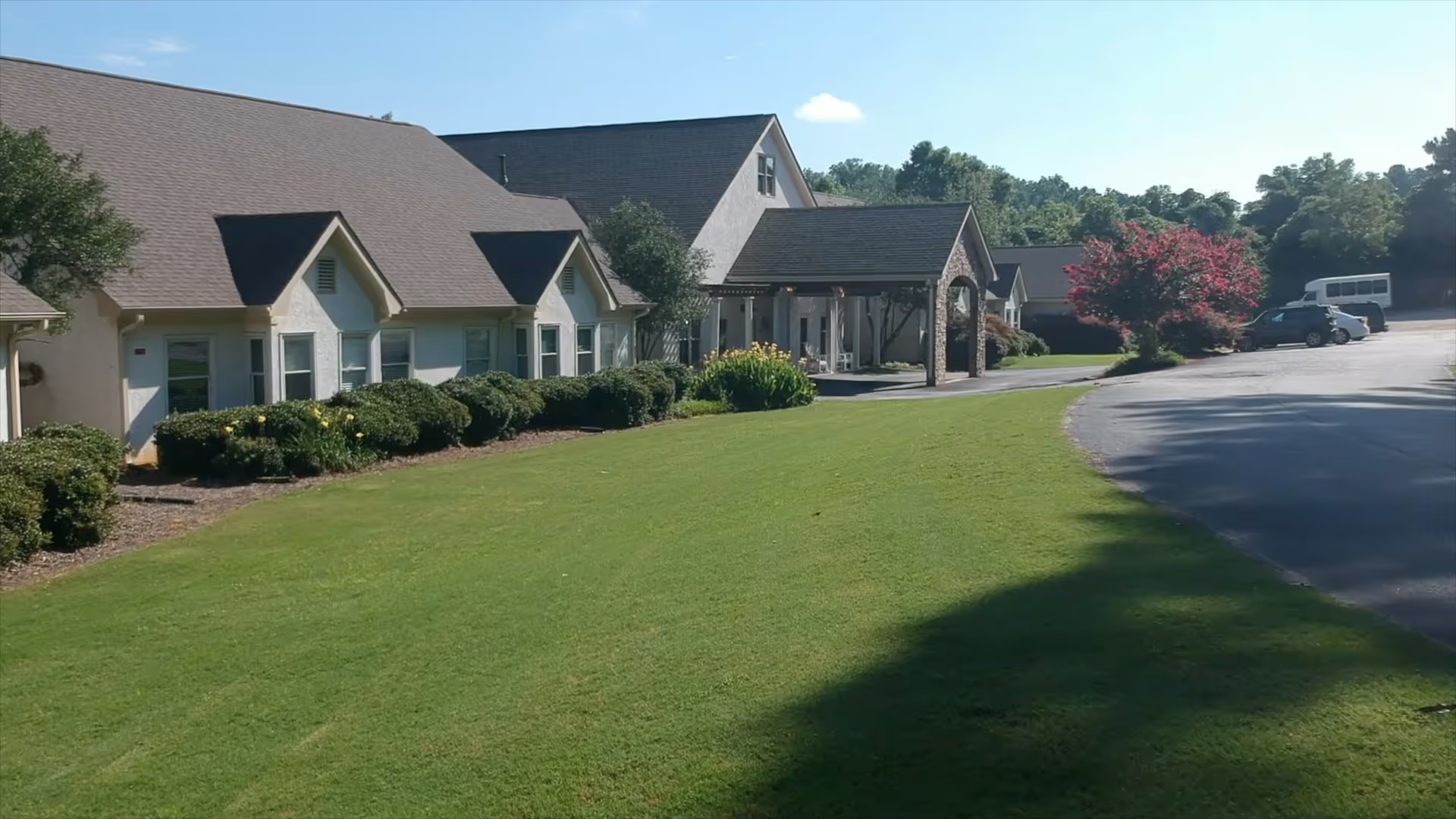
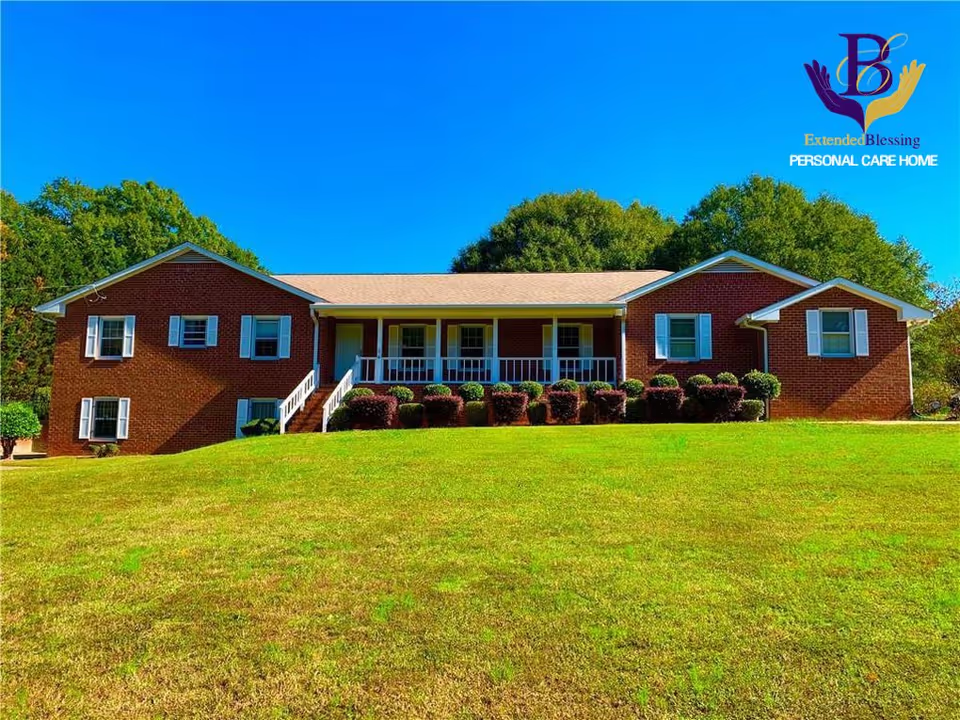
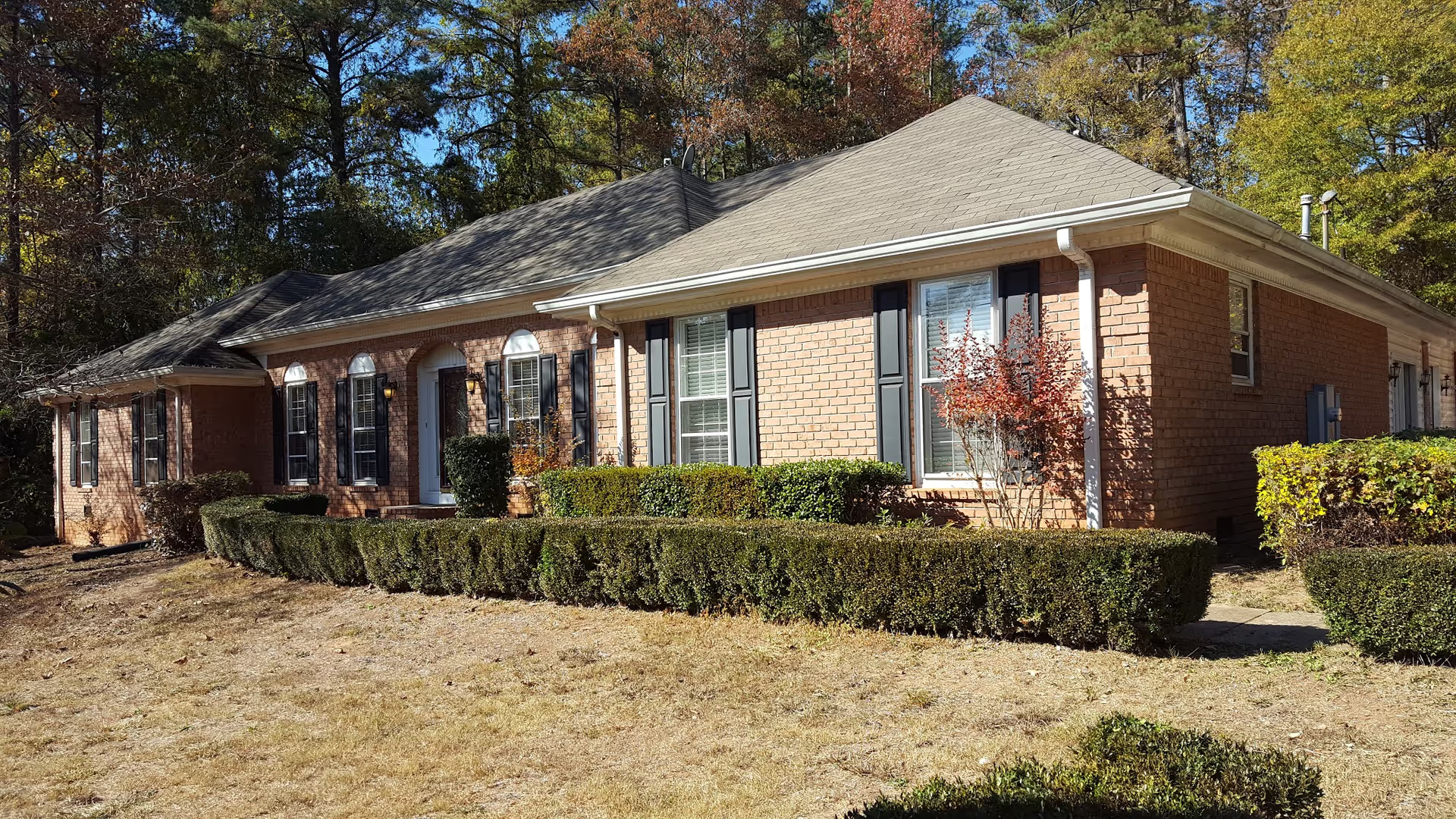
Facility condition and infection-control are described inconsistently across reviews. Many families note a clean, well-kept environment and pleasant grounds; others report maintenance issues such as aging beds and broken equipment, loose sockets, ceiling and paint needs, and isolated pest-control concerns. These physical deficits, combined with staffing shortages, contribute to perceptions of an environment that can be uncomfortable or unsafe for residents requiring close supervision.
Notable patterns to weigh: positive clinical outcomes are most apparent when dedicated therapists and attentive nursing staff are present; conversely, quality suffers when staffing levels are insufficient or administrative communication fails. Prospective residents and families should consider the strong rehabilitation services and several compassionate front-line staff as potential benefits, but also assess current staffing levels, medication-management protocols, wound-care processes, physician availability, and administrative responsiveness before placement. For families with complex medical or wound-care needs, or who require consistent nursing responsiveness, further inquiry and monitoring are advised. If concerns arise, reviewers recommend engaging the facility leadership, the ombudsman, or regulatory channels to seek timely corrective action.