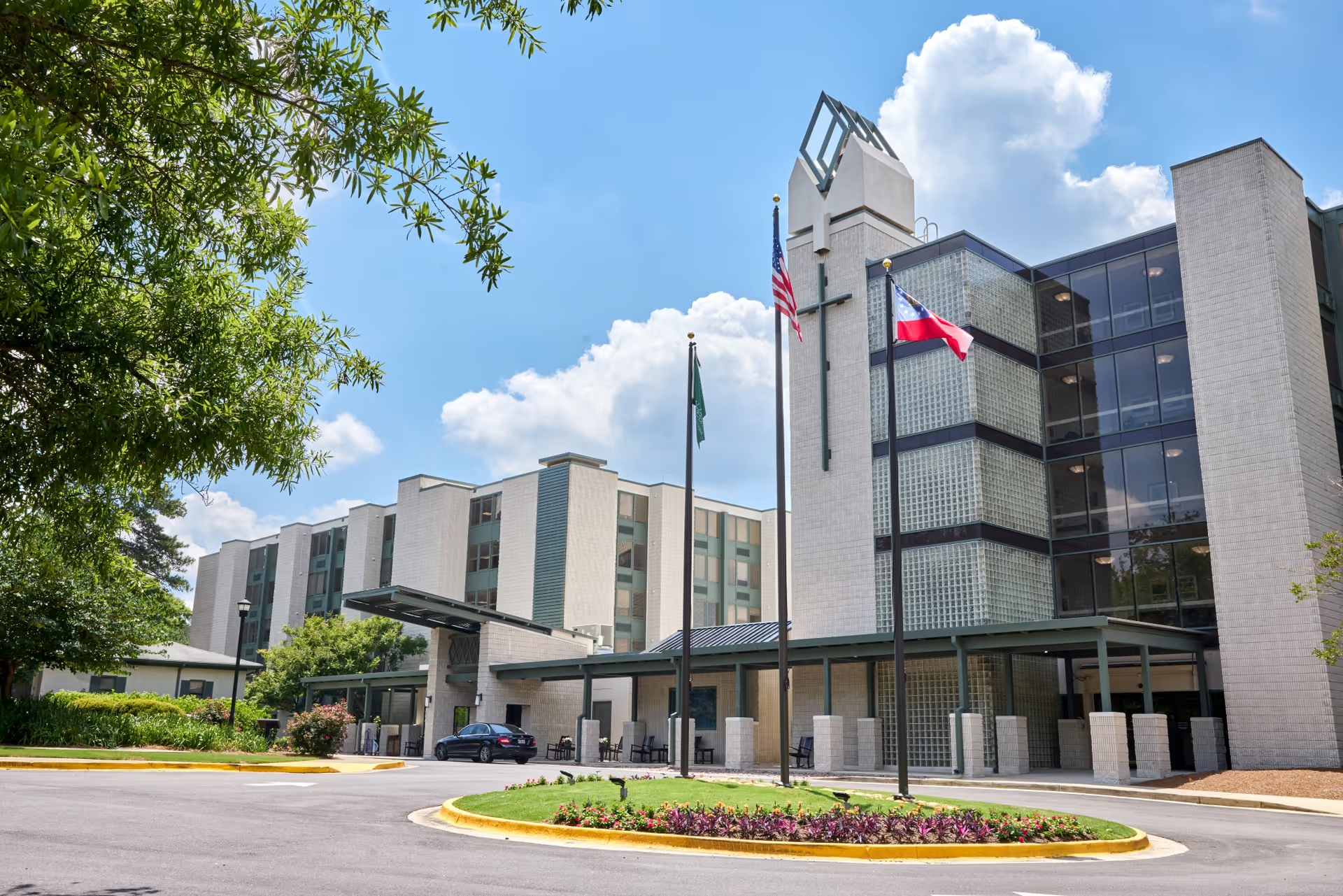
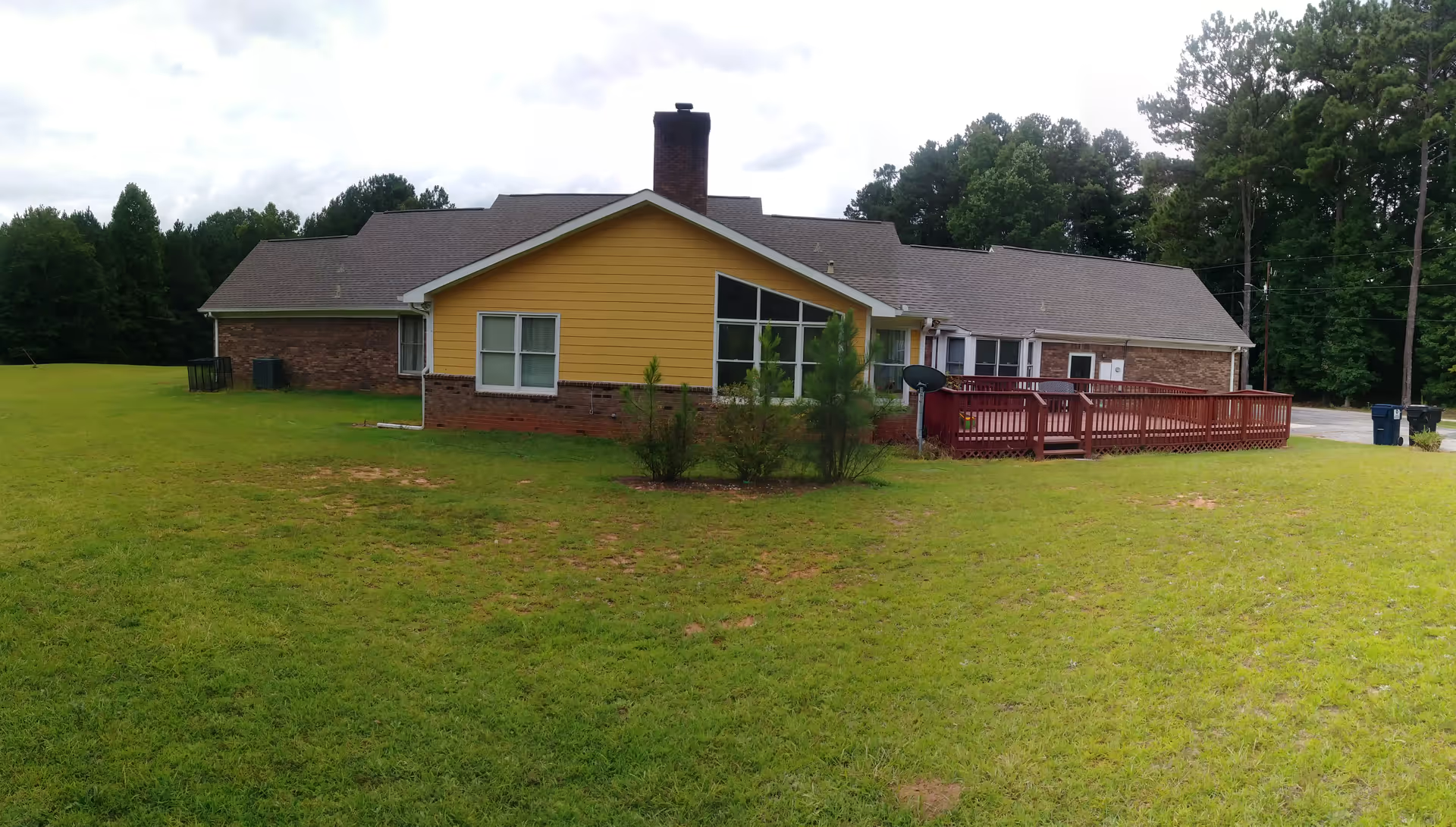
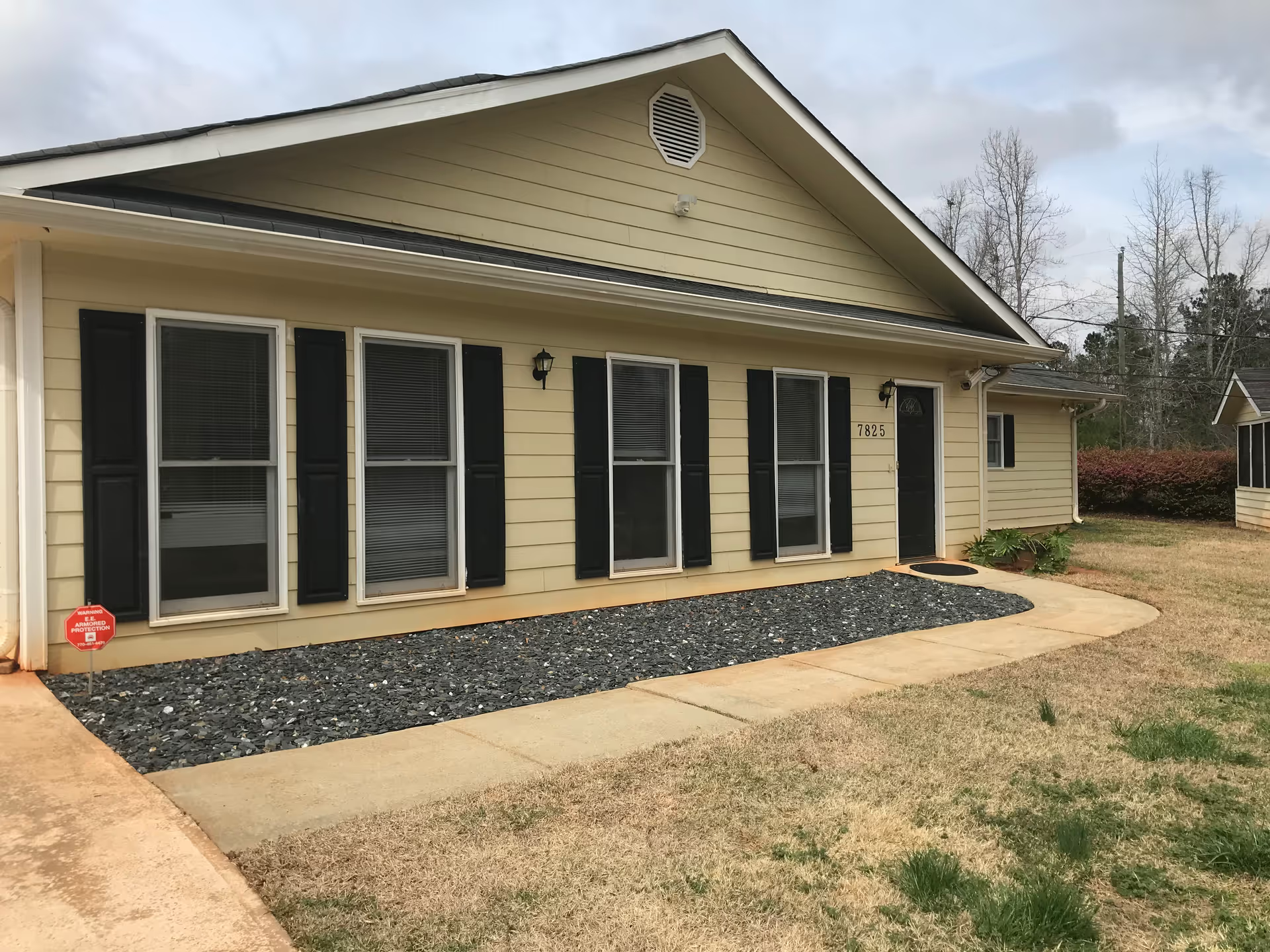
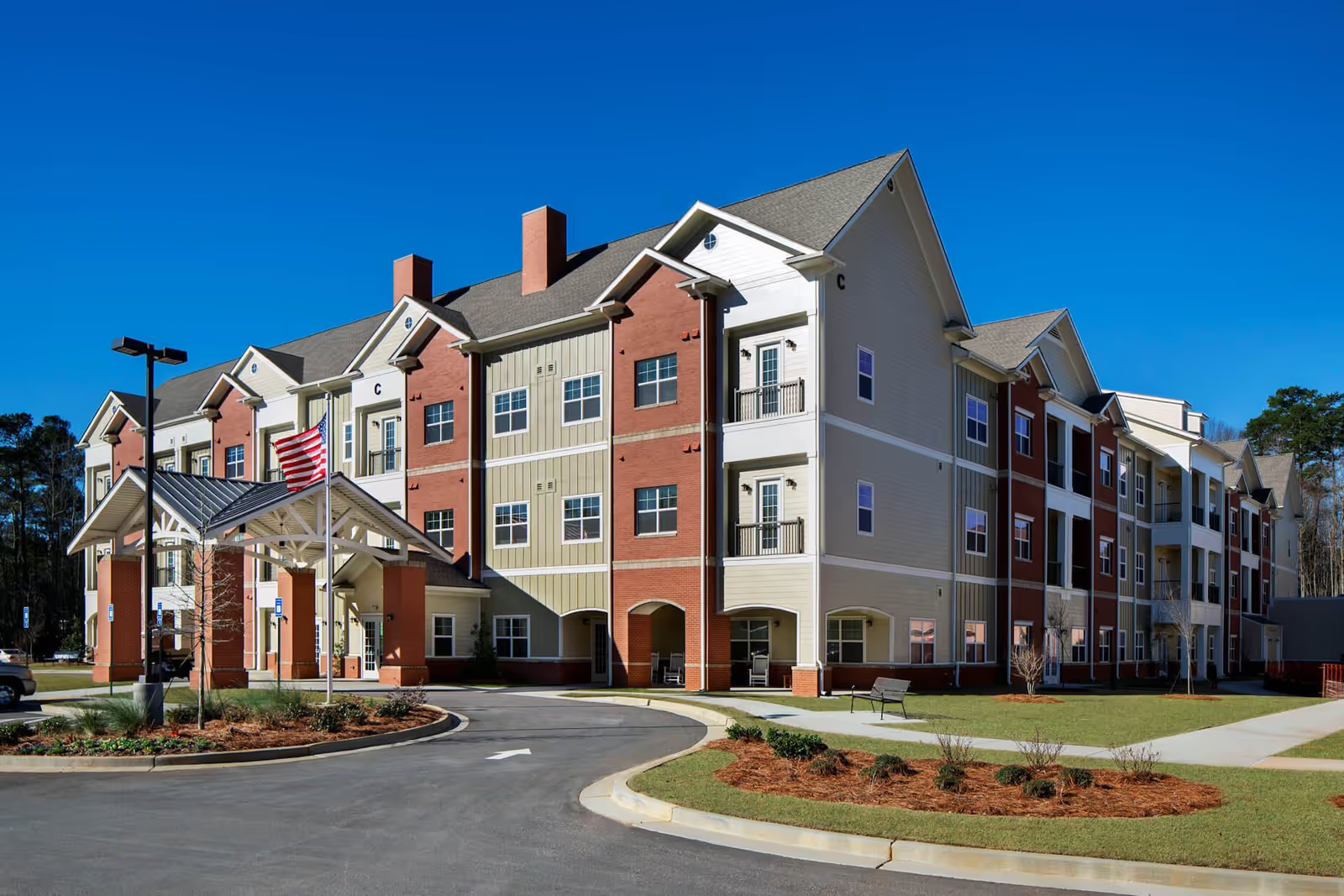
The reviews present a polarized picture of Christian City: several families and clinicians praise strong clinical capabilities and a welcoming physical environment, while others describe operational and safety concerns that appear to be unevenly distributed across units and shifts. Strengths most consistently cited include robust on-site rehabilitation services, attentive wound-care and specialty teams, and an active memory-care program with dedicated activities and outdoor amenities. Many reviewers noted professional, compassionate direct-care staff, clear case-management communication, and a clean, updated building with amenities such as a gym, courtyard, and pleasant dining spaces.
Clinical care quality appears variable. Positive accounts emphasize effective rehab that facilitated timely hospital discharge and functional improvement, as well as nurses and CNAs who provide attentive, dignified care. Contrasting accounts describe medication-administration lapses, delayed access to pain medications or oxygen, and inconsistent therapy focus or follow-through that some families felt hindered recovery. There are also recurring concerns about slow response to call lights and assistance requests, particularly on nights and weekends, and gaps in emergency escalation procedures. Reviews mention situations that raise questions about transfer- and fall-safety practices and the presence or use of safety measures for residents with cognitive impairment.
Staffing and staff training are key drivers of the mixed experiences. Several reviews commend specific nurses, unit managers, and CNAs for leadership and compassionate care; others describe the same categories of staff as inexperienced, inattentive, or poorly trained for aggressive dementia behaviors. The pattern suggests variability by unit and shift: weekday coverage and leadership presence tend to receive more favorable comments, while weekend and night staffing levels and responsiveness are commonly criticized. Training gaps appear most evident in dementia-behavior management, incontinence care, and some aspects of medication handling.
Dining and dietary management receive both praise and criticism. Some families report high-quality meals, accommodating kitchen staff, and appropriate dietary adjustments. Conversely, others cite inconsistent portioning, seasoning not tailored to dietary restrictions, cold deliveries, and irregular service. Activity programming and social spaces are frequently described as a strength for memory-care residents and ambulatory individuals; however, access to activities and therapies can be more limited for non-ambulatory residents according to some accounts.
Facility condition and infection-control themes are also mixed. Many reviewers describe a renovated, attractive, and well-kept environment without noticeable odors. Other accounts raise sanitation and pest-control concerns, uneven housekeeping standards, and maintenance issues in particular rooms or units. Rooming arrangements (shared rooms) are sometimes noted as a source of dissatisfaction. There are also isolated but serious claims including property loss and an allegation of theft; such claims underscore the need for clear property-management and security practices.
Management and communication similarly vary by experience. Positive comments highlight accessible, involved administrators who coordinate care, provide regular updates, and address concerns. Negative comments describe difficulty obtaining timely itemized bills, unanswered phone calls, voicemail reliance, and slow or dismissive responses from leadership. Several reviews link staffing and service variability to funding and operational constraints.
Notable patterns for prospective families: (1) Experiences appear highly dependent on unit, shift, and individual staff—tour multiple units and ask about staffing ratios by shift; (2) verify medication-administration protocols, emergency escalation procedures, and safety measures for cognitive-impaired residents; (3) ask about dietary accommodation processes and how temperature/transport of external food is handled; and (4) review recent inspection reports and incident logs for sanitation, pest control, and property-loss follow-up. Overall, Christian City offers legitimately strong rehabilitation and memory-care resources and has many dedicated staff and attractive facilities, but the consistency of basic care processes, staffing coverage, and administrative responsiveness are areas that warrant careful evaluation during decision-making.