The reviews indicate a facility with notable strengths and notable operational weaknesses. Positive experiences cluster around the admissions process, several individual caregivers, and programming: families consistently mention a smooth admissions experience and name specific admissions and clinical staff who were compassionate and attentive. Activity offerings and special events received favorable comments, and multiple accounts describe a warm, family-like atmosphere. Some reviewers also noted visible improvements after leadership changes and named staff who provide above-and-beyond service.
Care quality impressions are mixed. Positive accounts describe attentive, caring staff and adequate memory-care services; however, several families raised concerns about inconsistent responsiveness to call bells and delays in attending to basic needs. There are indications of uneven competency across shifts and times of day, which reviewers linked to both missed care tasks and longer response times. Clinical operational issues were also highlighted, including gaps in medication administration processes and problems managing oxygen equipment and supplies. These suggest opportunities to strengthen clinical oversight and equipment protocols.
Staffing and staff conduct present a dichotomy: many individual caregivers receive praise for compassion and proactive problem-solving, while broader patterns point to understaffing and variability in performance. This pattern appears to create situations where attentive staff are able to provide good care when present, but systemic staffing shortages or uneven training undermine consistent delivery. Communication tone and follow-through from staff to families were another recurrent concern: families described difficulty obtaining timely responses or meaningful updates when issues arose.
Dining and nutrition monitoring came up indirectly via concerns about missed dietary schedules and hydration monitoring. While some families reported satisfactory meal service and an overall clean environment, others described interruptions in dietary oversight and risks related to missed or delayed assistance. Activities and social programming are generally seen as a strong point, contributing to resident engagement and a positive social climate.
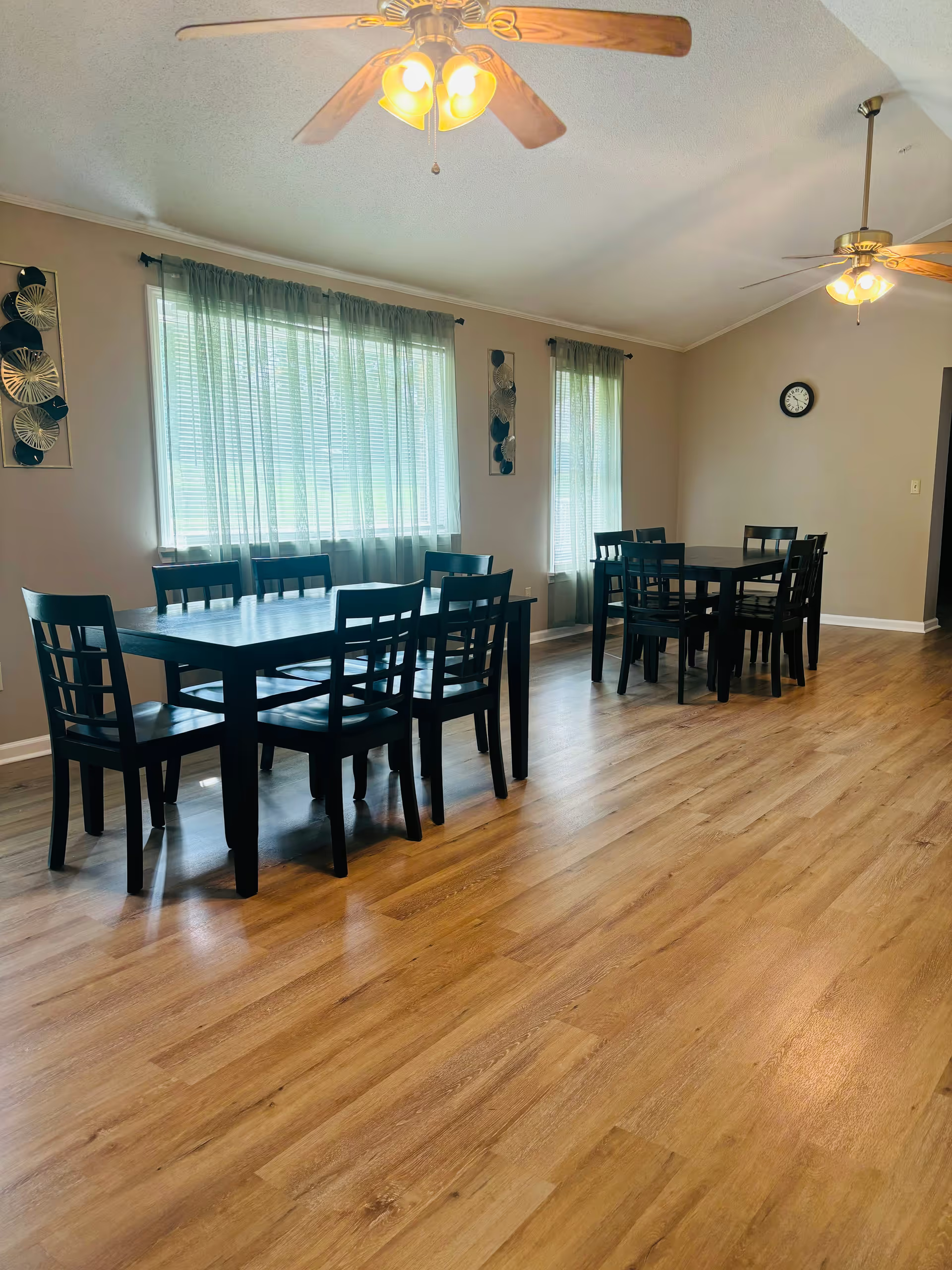
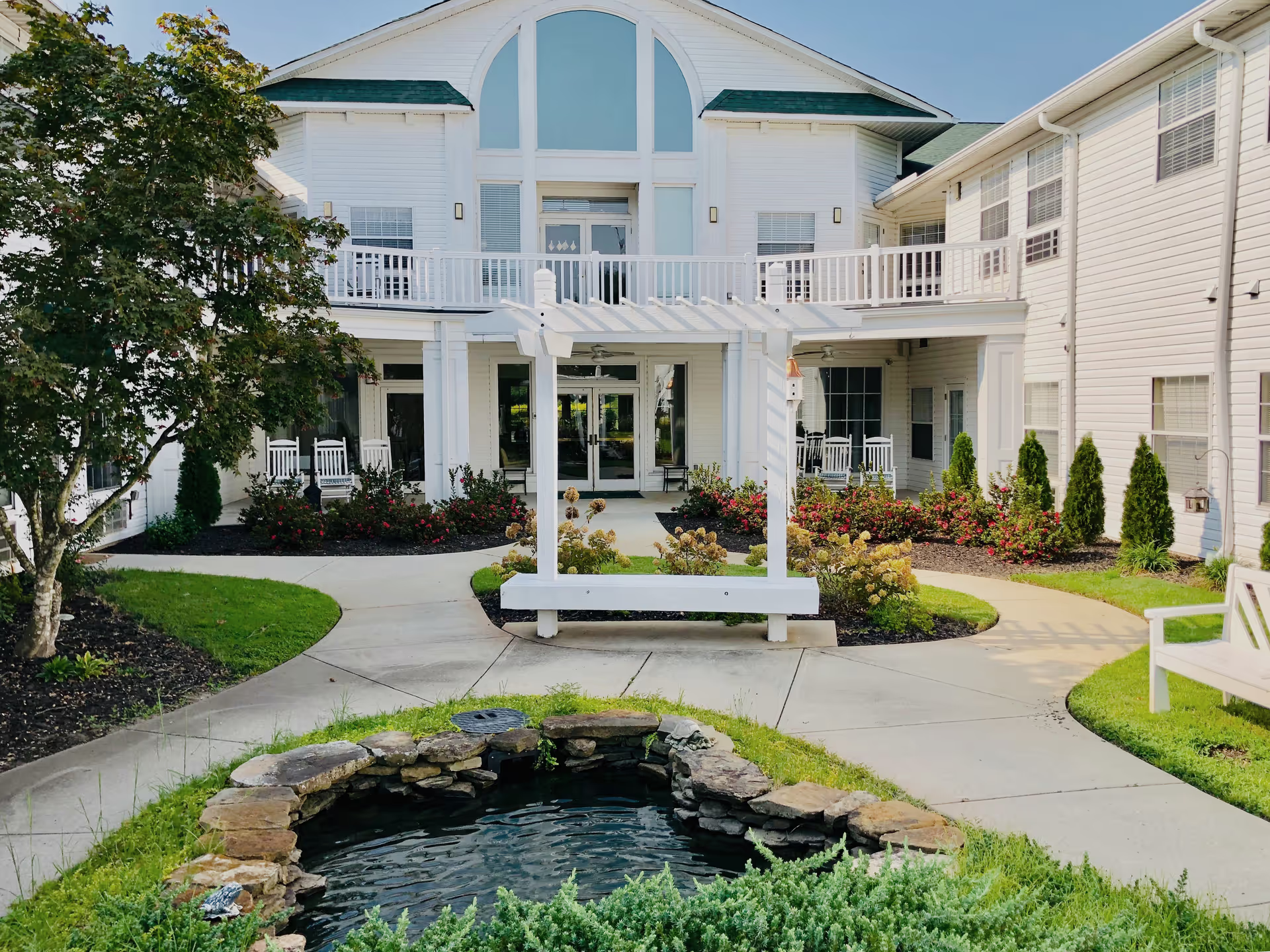
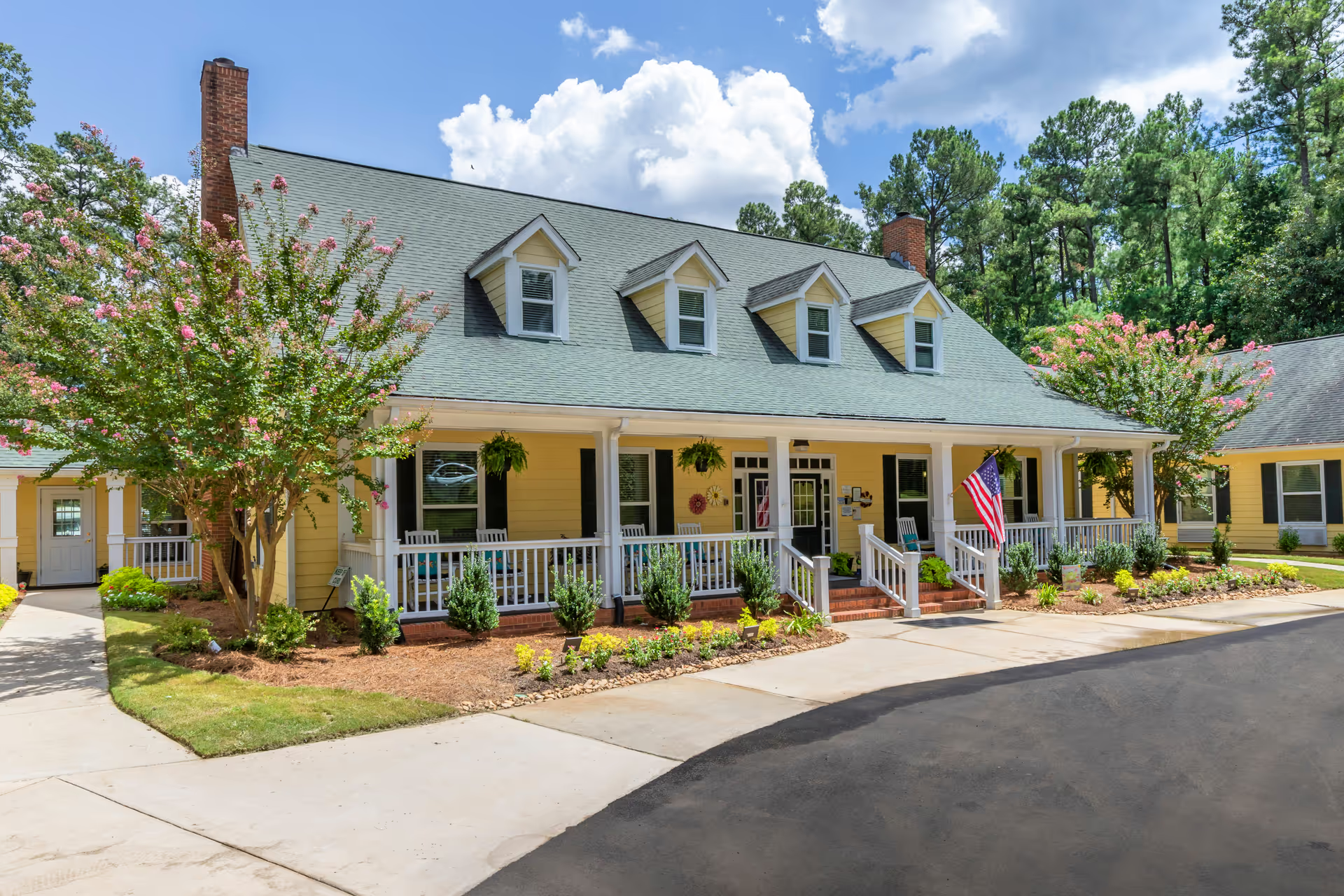
Facility condition comments were mixed. Several reviewers praised cleanliness and a well-kept interior, while others identified sanitation and housekeeping lapses in certain areas and flagged odor or housekeeping concerns. Memory-care spaces were described as adequate by some. Equipment management — particularly for residents requiring oxygen or specialized devices — was called out as an area needing procedural reinforcement.
Management and leadership perceptions vary significantly. Some families praised new leadership, reporting measurable quality improvements and strong administrators; others experienced unresponsive management, delayed issue resolution, and perceived lack of accountability. Ownership transitions appear to have contributed to variability in operational consistency for a period. Regulatory or complaint activity was referenced in at least one account, indicating that some concerns have escalated beyond family-level communication.
Overall pattern: there is a clear split between positive interpersonal experiences with individual staff and systemic operational weaknesses that undermine reliability. Prospective residents and families should weigh the facility’s strengths in admissions, programming, and individual caregiver compassion against recurring concerns about staffing consistency, clinical equipment management, hygiene procedures, and management follow-through. Visiting during multiple shifts, asking for current staffing and clinical oversight protocols, and clarifying equipment and emergency procedures would help families assess how well the facility can meet specific clinical and safety needs.