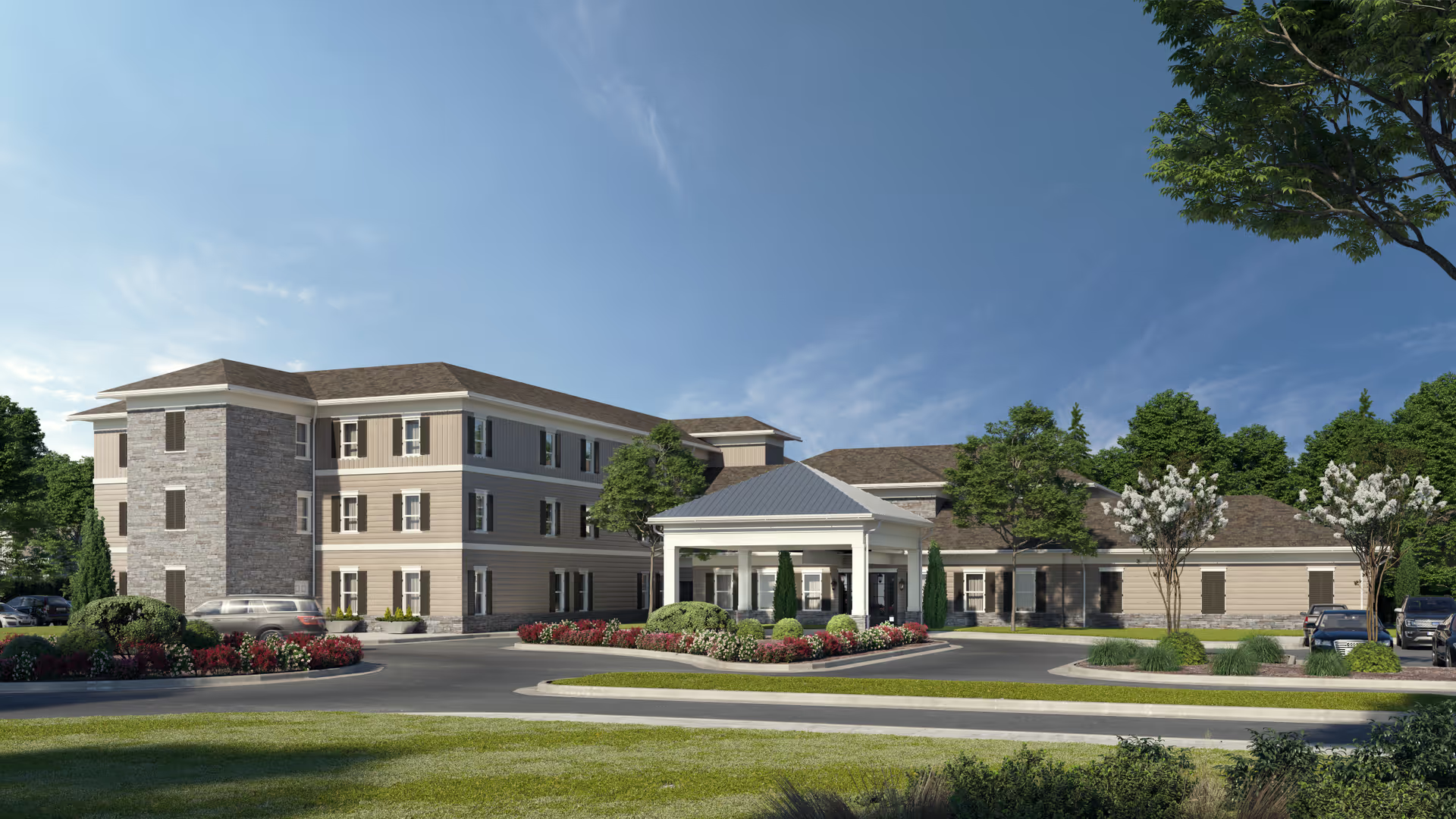
The reviews present a polarized picture of Oak Pointe Memory Center: several families describe warm, attentive caregiving and well-executed dementia-specific engagement, while other reviewers raise operational and management concerns that appear to affect consistency of care. Positive comments emphasize compassionate staff, individualized engagement that improved resident communication, a range of social and spiritual activities, and clean, comfortable communal areas. These elements suggest the facility can deliver meaningful person-centered experiences when staffing and oversight are stable.
Care and staff: Many reviewers praised direct-care staff as compassionate and skilled with dementia-related needs; specific staff members were credited with producing measurable improvements in resident responsiveness. At the same time, there are repeated descriptions indicating uneven performance across shifts. The primary operational issues inferred are staffing shortages, high turnover, and reduced responsiveness during night shifts. These patterns are associated with inconsistent personal-care routines (bathing and linen changes) and delays in addressing toileting-related needs. Families should expect variability in day-to-day caregiving depending on staffing and shift coverage.
Dining and pharmacy/medication: Several reviews referenced interruptions in kitchen staffing and at least one instance of meal-staff absence, suggesting occasional service continuity problems. There are also concerns about medication and pharmacy billing practices, including charges for unused or returned medications and ancillary fees for medication administration. Prospective families should request clarity on ancillary fees, pharmacy billing procedures, and contingency plans for kitchen staffing gaps.
Activities and social environment: Strengths include regular group activities (warm conversations, sing-alongs, Bible devotions) and a family-like atmosphere in communal spaces. Some reviewers noted strong one-on-one engagement that benefited residents’ communication and mood. However, there are also accounts of inconsistency in available activities and changes to communal resources, indicating that programming may vary with staffing or management decisions.
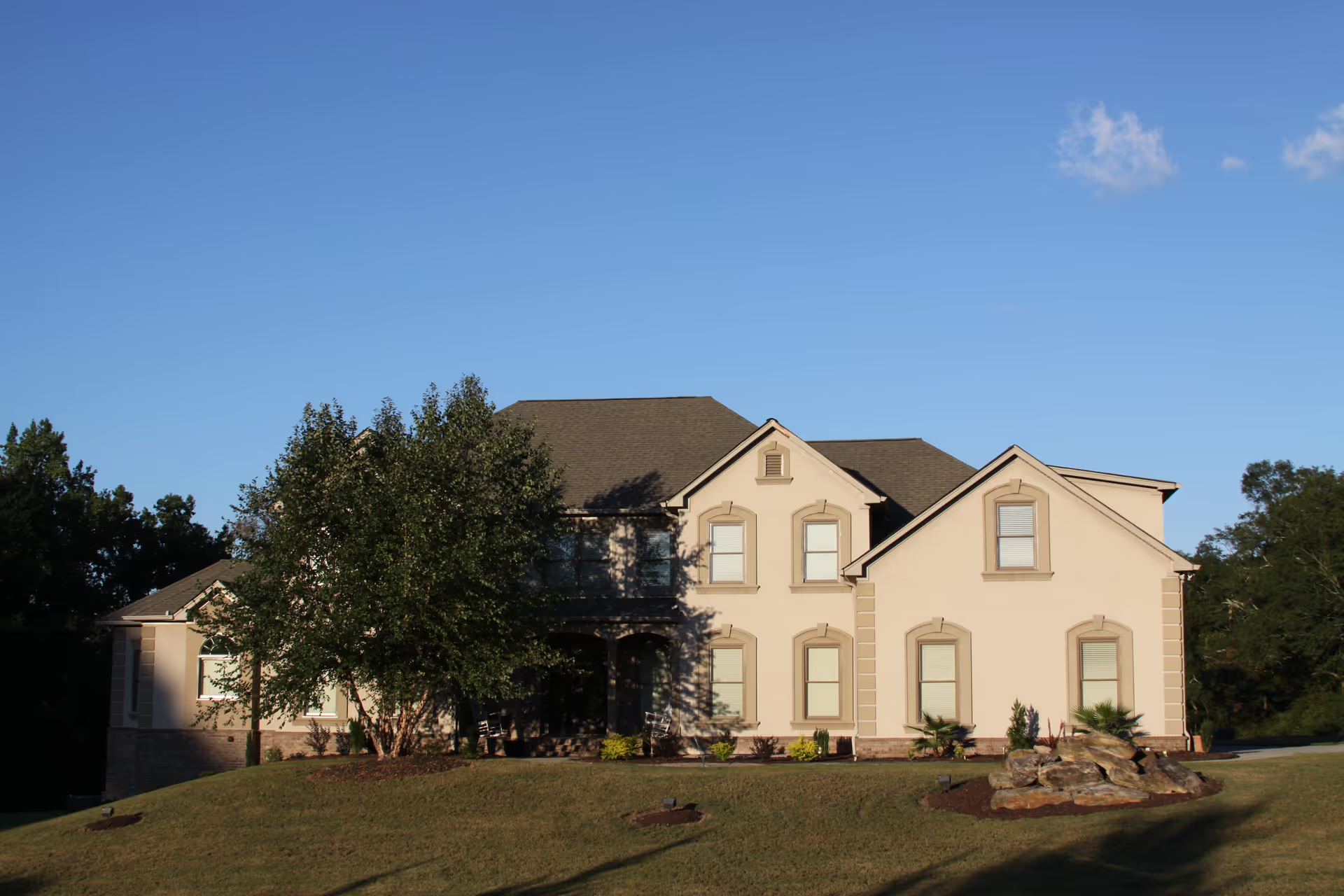
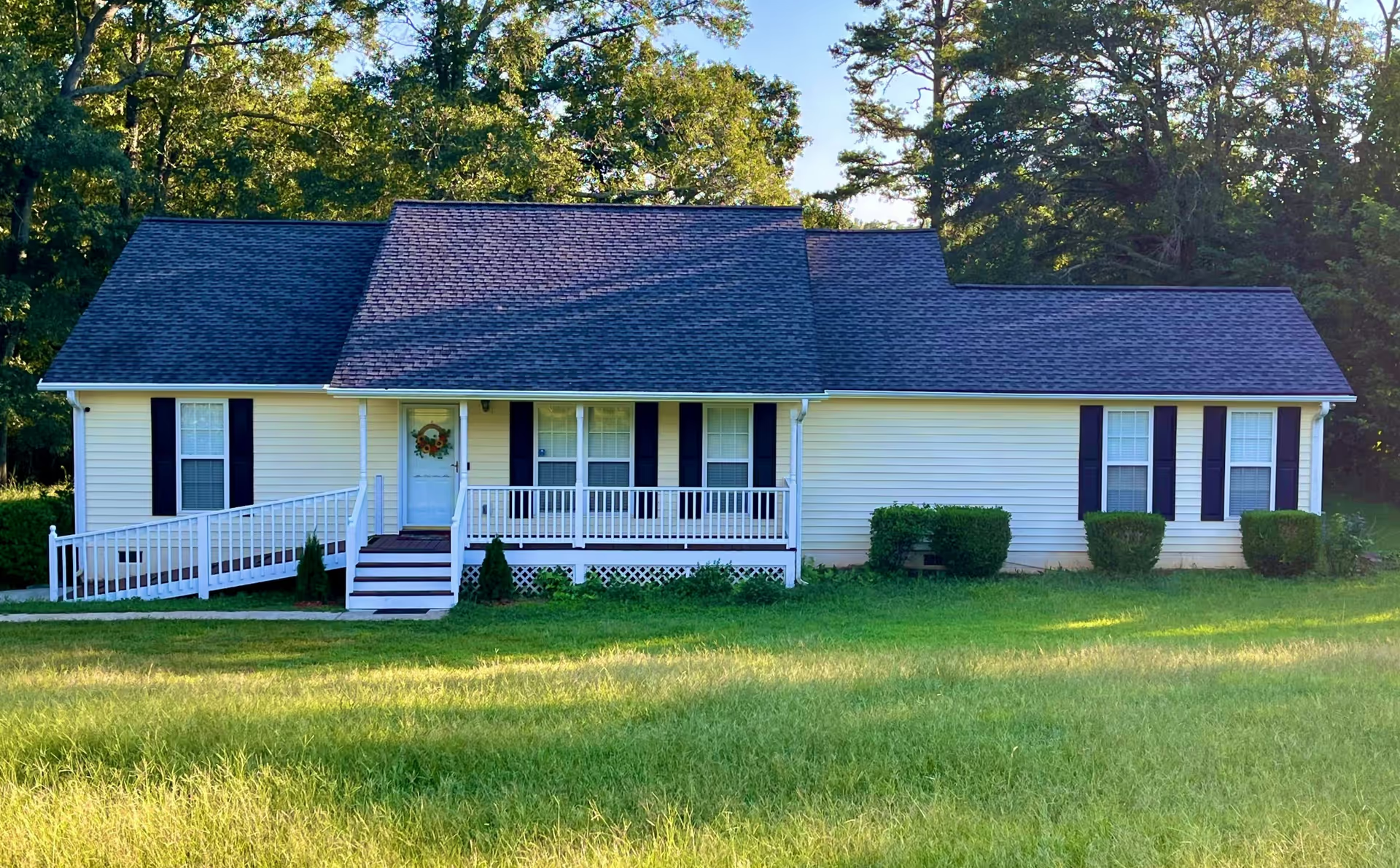
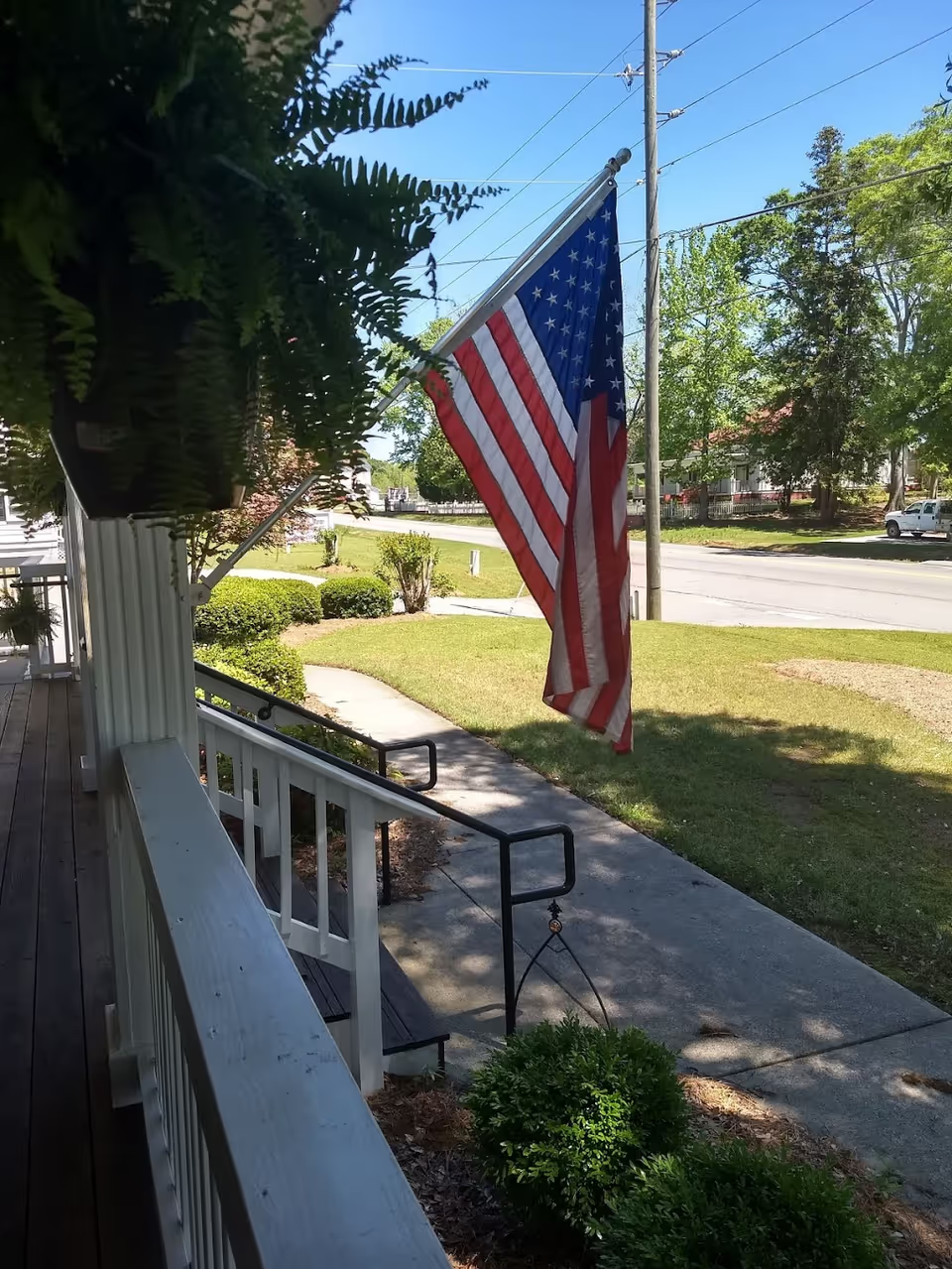
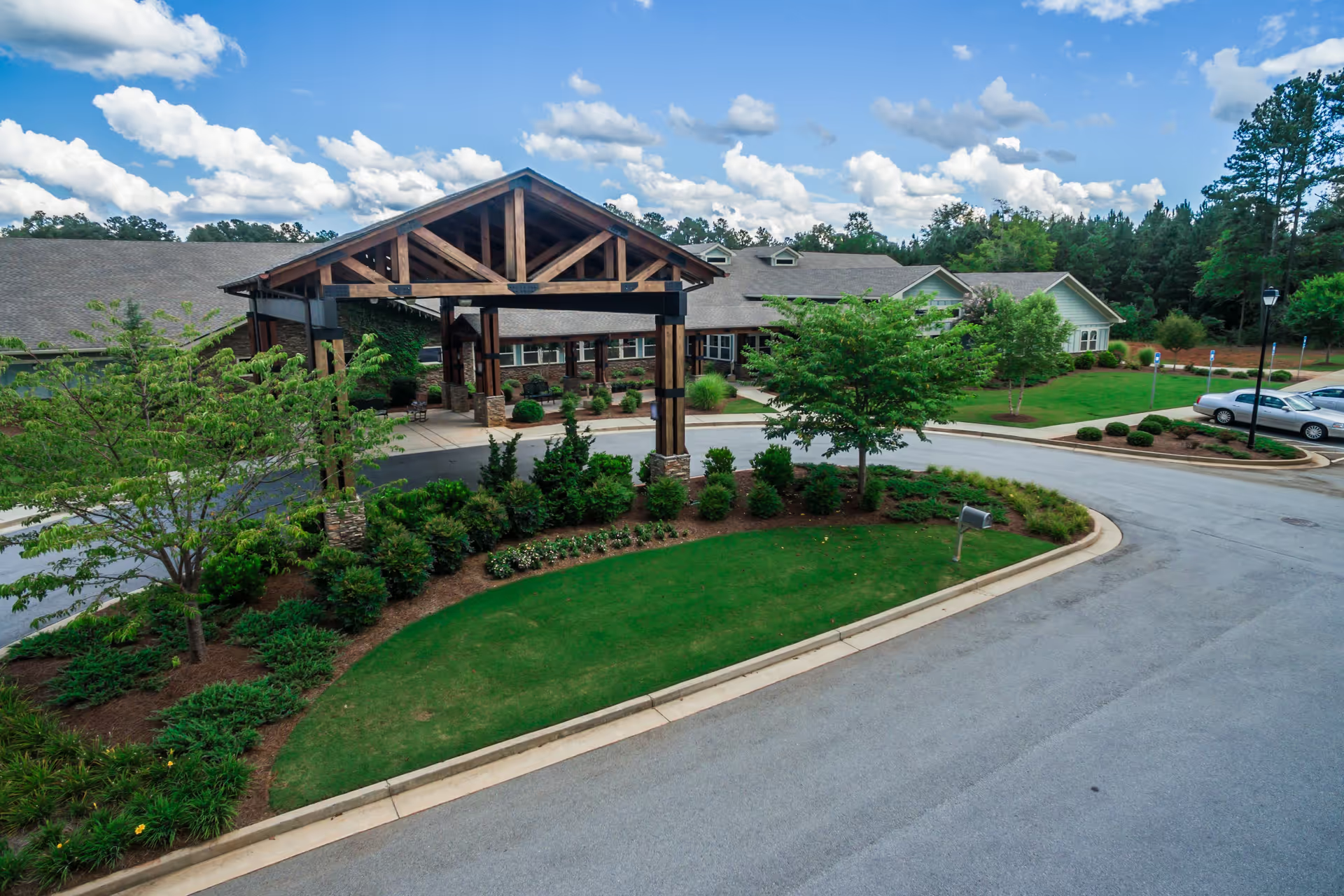
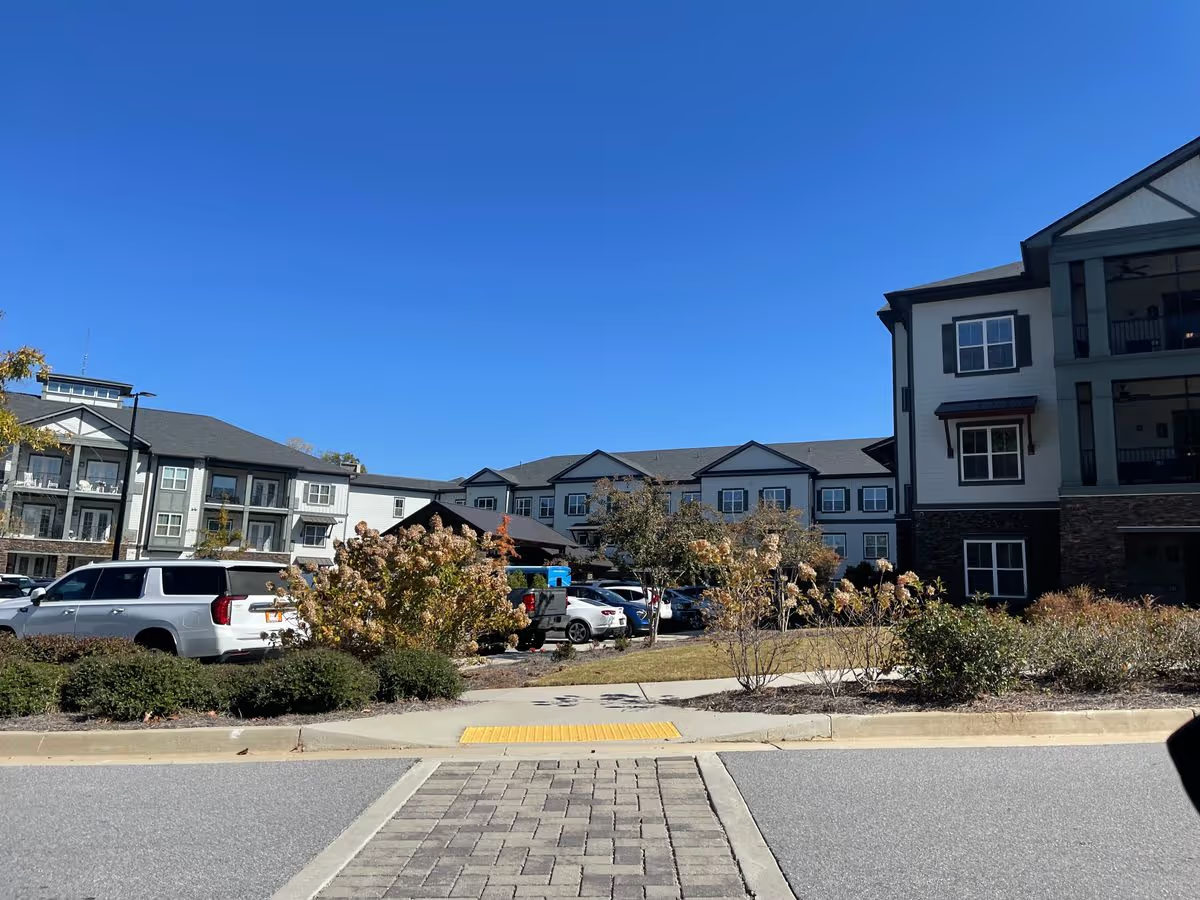
Facilities and housekeeping: Many reviewers described the physical environment as pleasant, with an inviting lobby, outdoor visiting areas, and generally clean common areas. Conversely, there are sanitation concerns tied to inconsistent housekeeping practices, including uneven floor cleaning and linen management. There are also isolated concerns about missing personal items, which point to potential gaps in property-management and secure storage practices.
Management and governance: Responses to management are mixed. Some families noted improved caregiving and helpful leadership under newer ownership, while others described difficult interactions with management that they characterized as adversarial or financially focused. Additional operational issues include apparent payroll or compensation instability for staff and opaque ancillary-fee policies. These management-level inconsistencies appear to be a major driver of the polarized experiences reported.
Notable patterns and guidance: The overall pattern is one of strong frontline caregiving potential combined with operational vulnerabilities that produce inconsistent resident experiences. Standout caregivers and positive physical amenities are clear strengths; staffing reliability, housekeeping consistency, medication/billing transparency, and management–family communication are the principal areas of concern. Prospective residents and families should tour the facility at different times (day and night), ask about staffing ratios and turnover, request written policies on bathing and linen changes, review medication billing practices, and speak with current families about shift-to-shift consistency before deciding.