Overall impression The reviews present a mixed but coherent picture: staff-level strengths are emphasized repeatedly, while operational gaps around rehabilitation, activities, and consistent clinical follow-up are described. Many comments highlight the facility’s caring culture and clinical competence at the bedside. At the same time, several accounts raise concerns about the facility’s ability to sustain rehabilitative services and structured engagement for residents who require long-term or restorative care.
Care quality Caregivers are frequently characterized as kind, patient, and knowledgeable, and several families described positive, personalized interactions. Clinical skill in skilled nursing tasks is noted in multiple summaries, suggesting a baseline competence in clinical care delivery. However, the facility appears to have limitations in providing ongoing restorative therapy and structured rehabilitation hours; reviewers describe constrained physical-therapy access and an overall sense that residents’ functional decline was not being actively reversed. There are also comments implying gaps in monitoring and timely responses to gradual health deterioration, which prospective families should explore with facility leadership.
Staff and management Staff are described as personable and supportive, and one summary framed the site as an “amazing place to work,” indicating a generally positive workplace culture for some employees. Families reported respectful and compassionate interactions with front-line caregivers. Despite these strengths, patterns in the feedback point to inconsistent attention during routine care activities, which may reflect staffing levels, workflow prioritization, or training/management issues. Prospective families should ask about staffing ratios, shift coverage, orientation and supervision practices, and how the facility communicates changes in condition to families.
Activities and psychosocial support Several reviewers specifically mentioned an absence or scarcity of activities and engagement programming. This indicates a likely gap in social and recreational programming for residents, particularly those who are long-stay or need more intensive restorative support. The lack of structured activities can affect mood, motivation for therapy, and perceived quality of life; families should request activity calendars, staffing for engagement programs, and examples of individualized social plans.
Dining and amenities The reviews provided little explicit information about dining quality or meal-service consistency. Given the absence of clear feedback, it is advisable for prospective residents and families to request sample menus, information on therapeutic diets, meal-service schedules, and policies for special dietary needs when evaluating the facility.
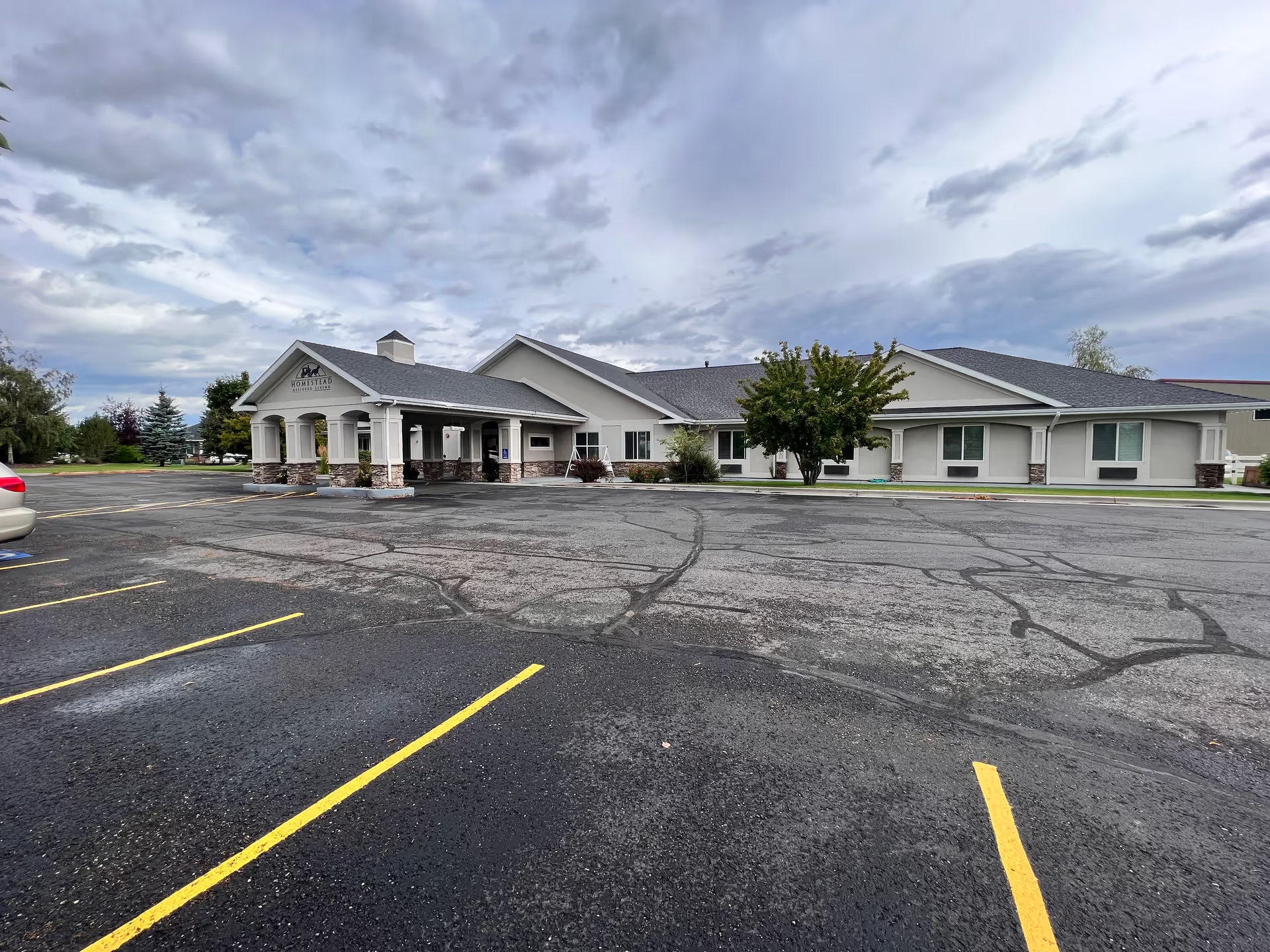
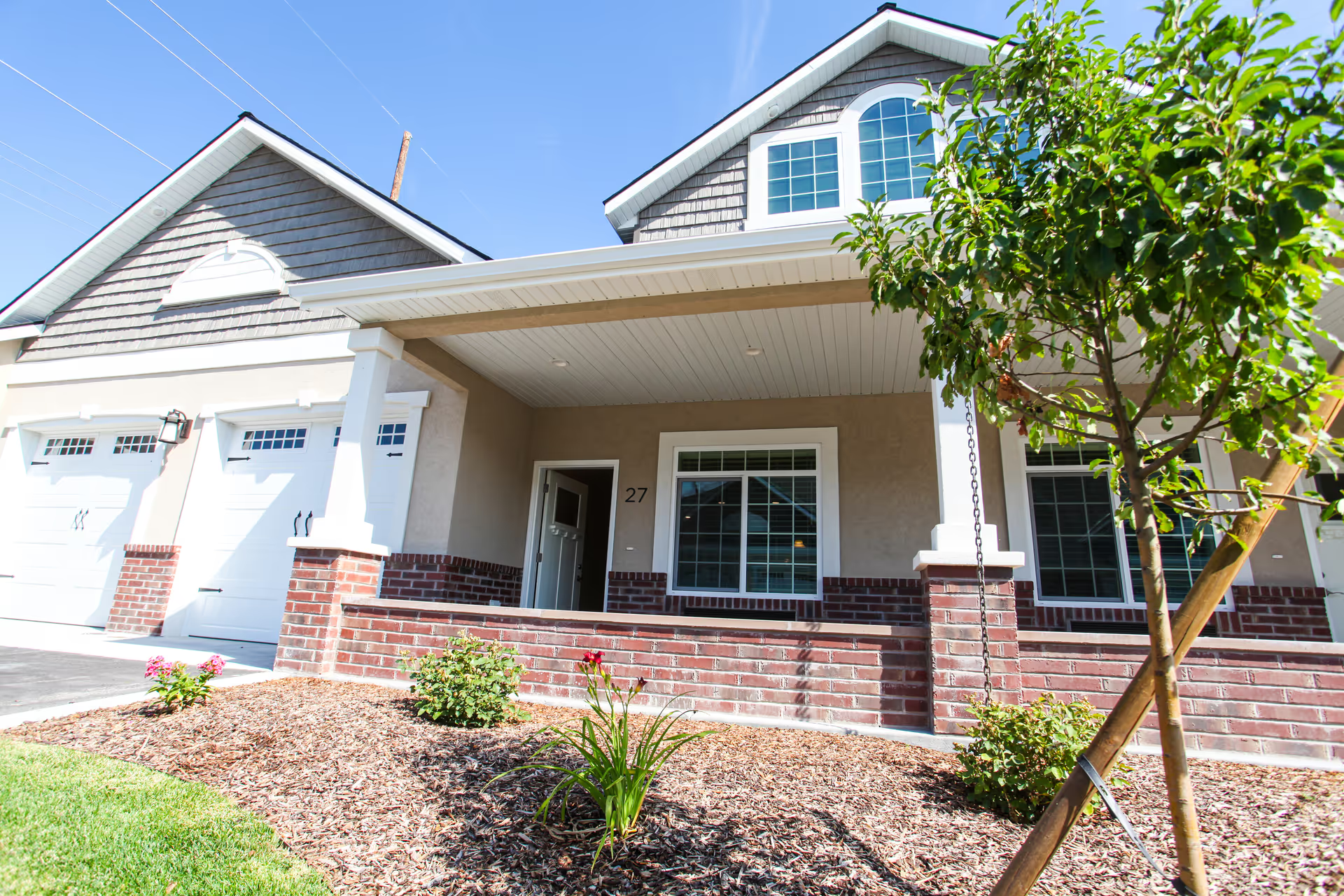
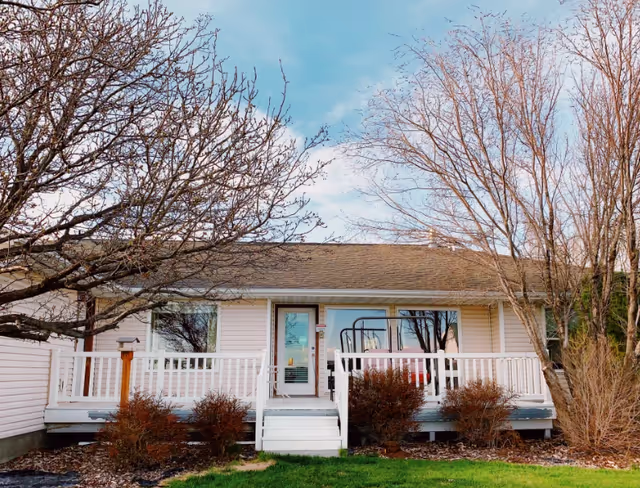
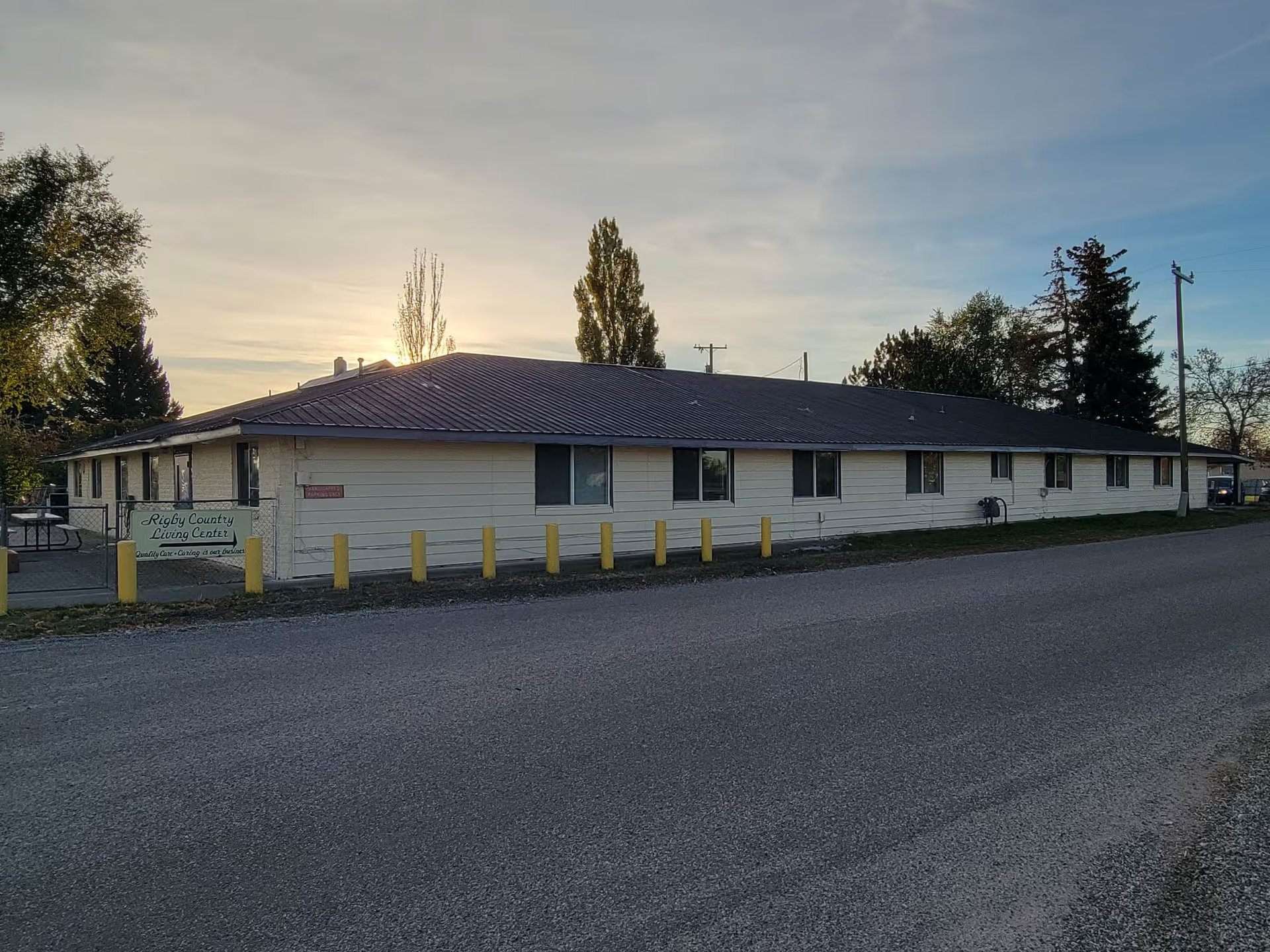
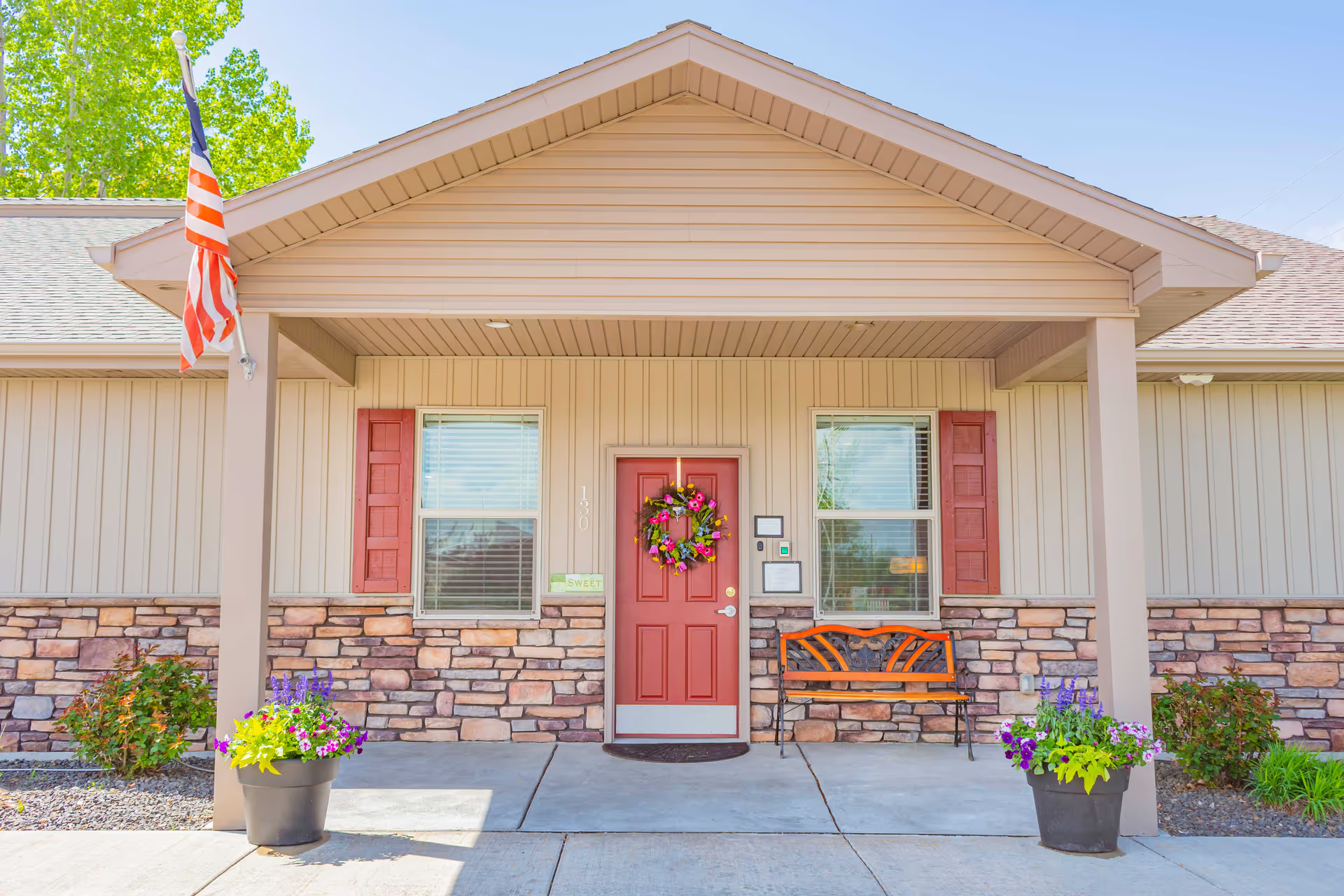
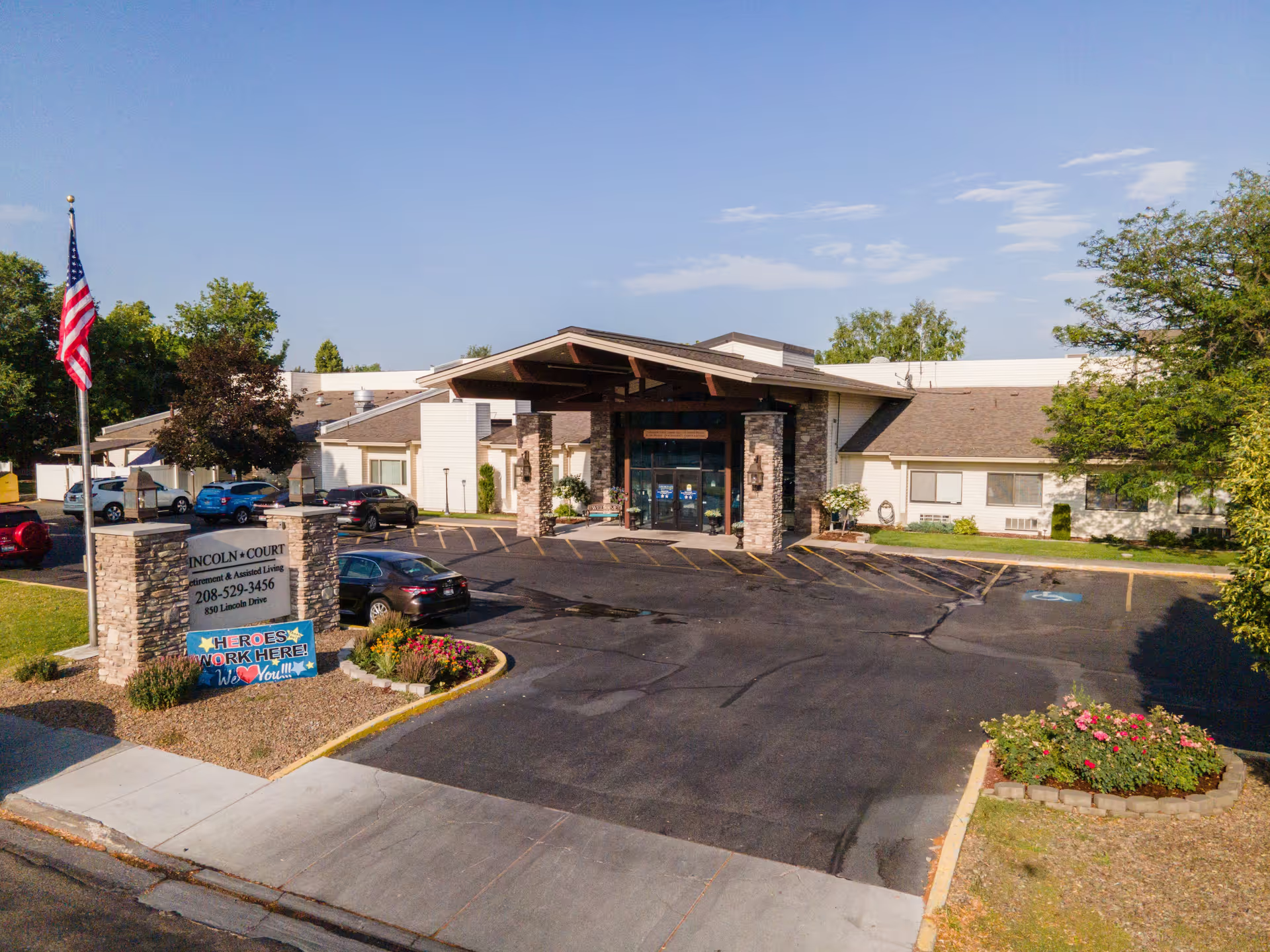
Facilities The physical environment is described positively in terms of comfort and maintenance. Comments indicate a generally comfortable setting that some families found supportive. Those evaluating the facility should tour common areas and resident rooms to confirm cleanliness, accessibility, and environmental supports for mobility and sensory needs.
Notable patterns and recommended questions A consistent pattern emerges: strong, compassionate front-line staff and a supportive employee environment coexist with operational limitations in rehabilitation, activity programming, and consistent clinical monitoring. When assessing this facility, ask for documented therapy schedules and availability, examples of individualized care and activity plans, how the facility tracks and responds to changes in resident condition, staff-to-resident ratios by shift, and how family communication is handled following health-status changes. These targeted questions will help clarify whether the facility’s bedside strengths are matched by the systems needed to sustain residents’ functional and psychosocial well-being.