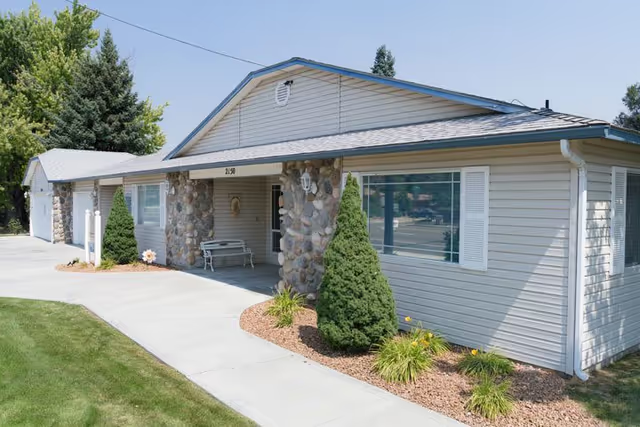
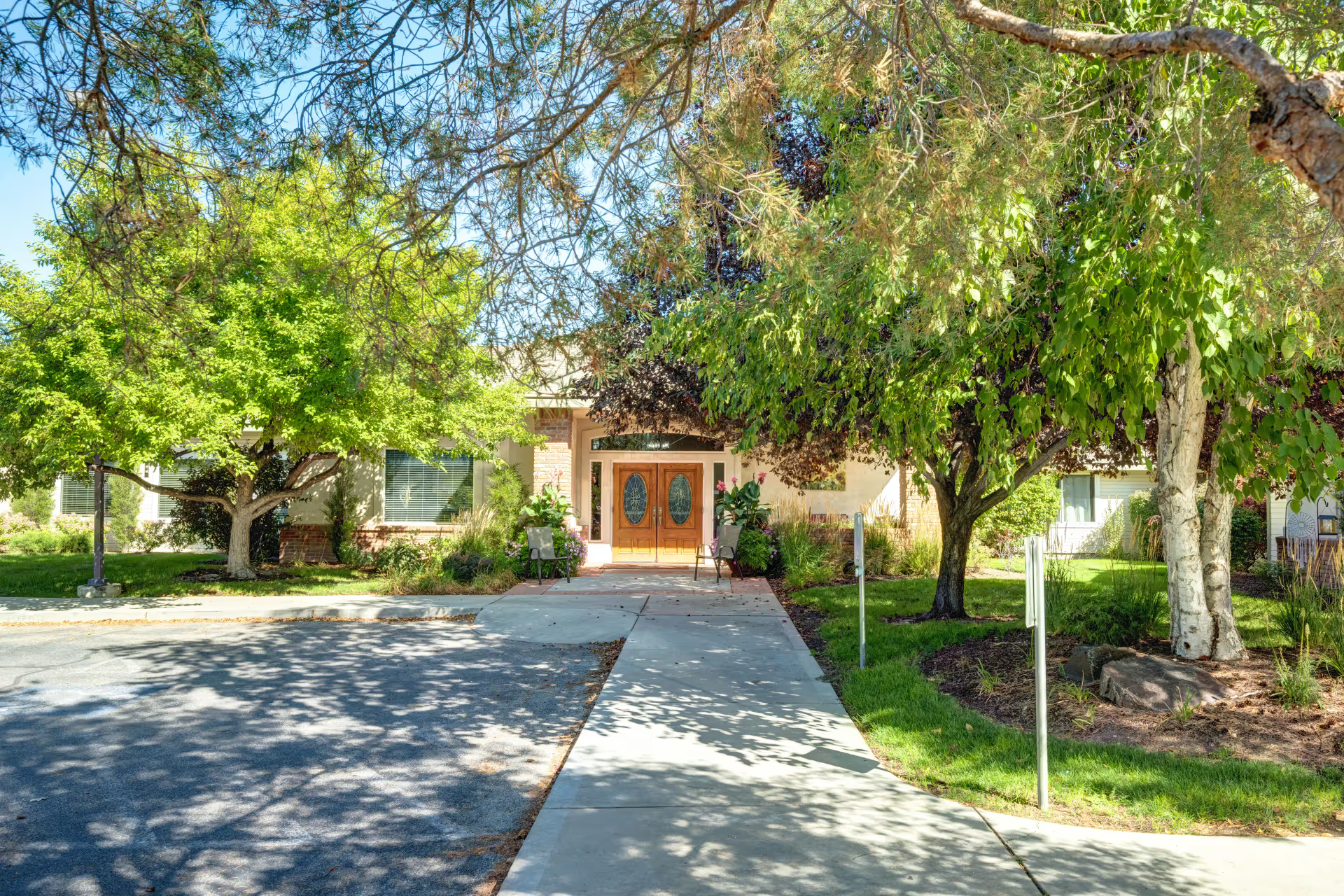
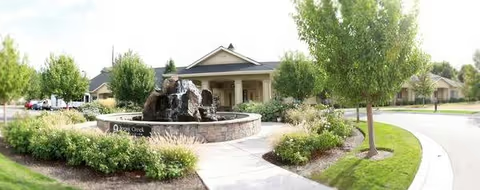
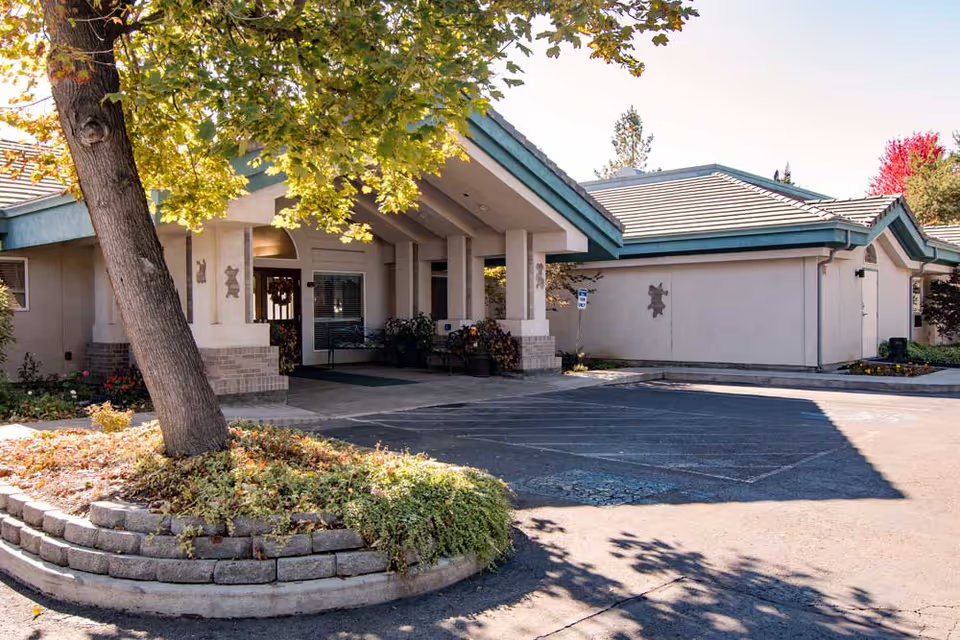
Overall impression: Valley View Nursing and Rehab elicits a mix of strong positive experiences and notable operational concerns. Many families and residents praise the facility for compassionate frontline caregivers, a capable therapy department, generous unit sizes with kitchenettes, and engaging activities. The campus appears to offer a true continuum of care — including rehabilitative services and hospice support — and ancillary services such as transportation and a responsive admissions/business office are frequently cited as strengths.
Care quality and clinical issues: There are consistent themes around variable clinical responsiveness. Several reviewers described long wait times for nursing attention and delays in addressing clinical needs; these observations are reflected in broader concerns about wound prevention and pressure‑injury protocols, and about timely provision of specialized equipment such as air mattresses and wheelchairs. In addition, reviewers described medication-management problems ranging from order/delivery delays to incomplete discharge medication reconciliation. These patterns suggest opportunities to strengthen clinical escalation processes, pressure‑care protocols, and medication reconciliation at transitions of care.
Staff and management: Staff are widely characterized as caring, personable, and helpful — many comments single out CNAs, nurses, social workers, and the admissions team for positive, individualized attention. At the same time, reviewers note coordination challenges when agency or temporary nurses are involved, and several describe inconsistent communication and follow-through from management on care plans or administrative matters. There are also isolated but serious concerns around how transitions, visitation, and access have been handled; families are advised to review facility policies and expectations during admissions.
Dining, activities, and amenities: The facility earns praise for varied activities (bingo, movies, live performers and music) and a lively social environment for residents, including a grand piano and frequent entertainment. Dining is generally described as good and varied, though there are recurring comments about meals arriving at suboptimal temperatures or missing place settings and condiments. Prospective residents may want to sample meals and discuss meal service protocols during a visit.
Facilities and cleanliness: Common areas are frequently described as clean and well maintained, and maintenance staff receive positive mentions for responsiveness. However, there are also recurring room-level cleanliness issues — such as inconsistent housekeeping follow-through and lapses in room upkeep — which suggest variability between communal and private spaces. Prospective visitors should inspect the specific unit and room that would be used and ask about housekeeping schedules and quality checks.
Notable patterns and recommendations for families: The overall picture is mixed: strong interpersonal care, effective therapy, and good programming are balanced against operational inconsistencies that can materially affect vulnerable residents (pressure‑care, equipment availability, medication reconciliation, and communication). When evaluating this facility, families should: (1) observe a resident room and common areas in person, (2) ask about pressure‑injury prevention protocols and typical equipment turnaround times, (3) review medication reconciliation and discharge-planning procedures, (4) inquire about physician rounding frequency and the role of agency nursing staff, and (5) sample a meal and review dining-service practices. These targeted questions can help determine whether the facility’s strengths align with a prospective resident’s clinical and social needs.