Desert View Care Center elicits broadly mixed feedback across several core areas of long‑term and rehabilitative care. Many families and former residents describe strong interpersonal care: staff frequently characterize their relationships with residents in familial terms, nurses and aides are described as welcoming and attentive, and the Director of Nursing has been praised for providing direct, hands‑on clinical leadership. The facility’s rehabilitative therapy program is noted as effective and goal‑oriented, with staff who focus on returning patients home. Rooms and common spaces are often mentioned as clean and inviting, and the center offers a variety of social activities, outings, and opportunities for family dining that contribute to resident engagement and social connection.
Care and staff performance present a complex picture. Positive comments emphasize compassionate bedside manner, prompt communication in many cases, and coordinated team care. At the same time, multiple accounts indicate operational gaps that affect day‑to‑day resident experience: inconsistent staffing levels and delays in responding to resident requests are described, and there are reports of lapses in personal-care practices for some residents. These contrasting perspectives suggest that care quality may be uneven — strong when staffing and supervision are adequate, and strained when resources or oversight are limited.
Dining and activities are strengths with qualifications. Reviewers praise an active calendar of events, community outings, rides, and family‑friendly meal options that support social life. Food quality receives divergent comments: some describe meals as very good, while others note variability in preparation and temperature. Prospective families should ask about kitchen processes and meal-service schedules if dining quality is a priority.
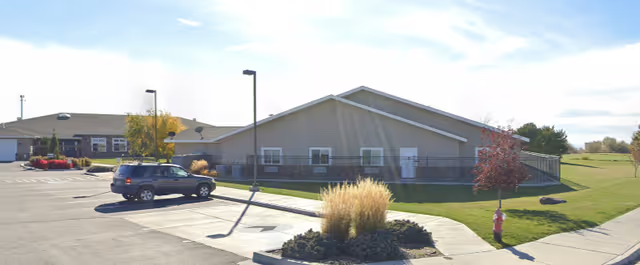
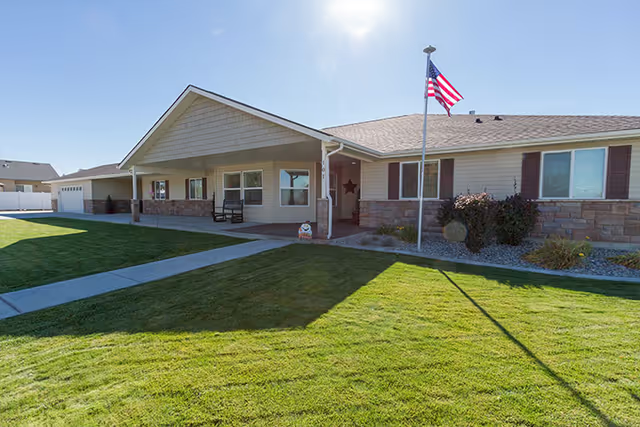
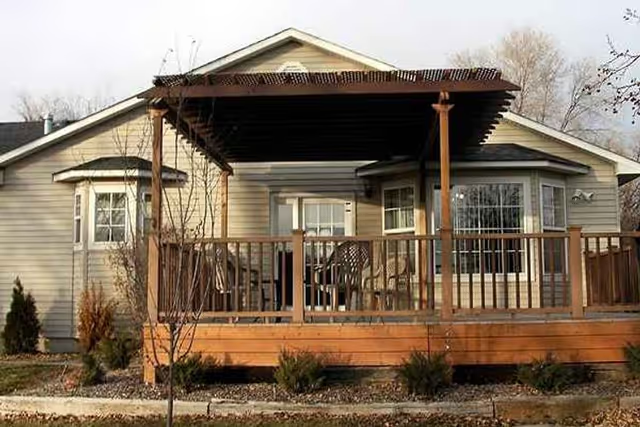
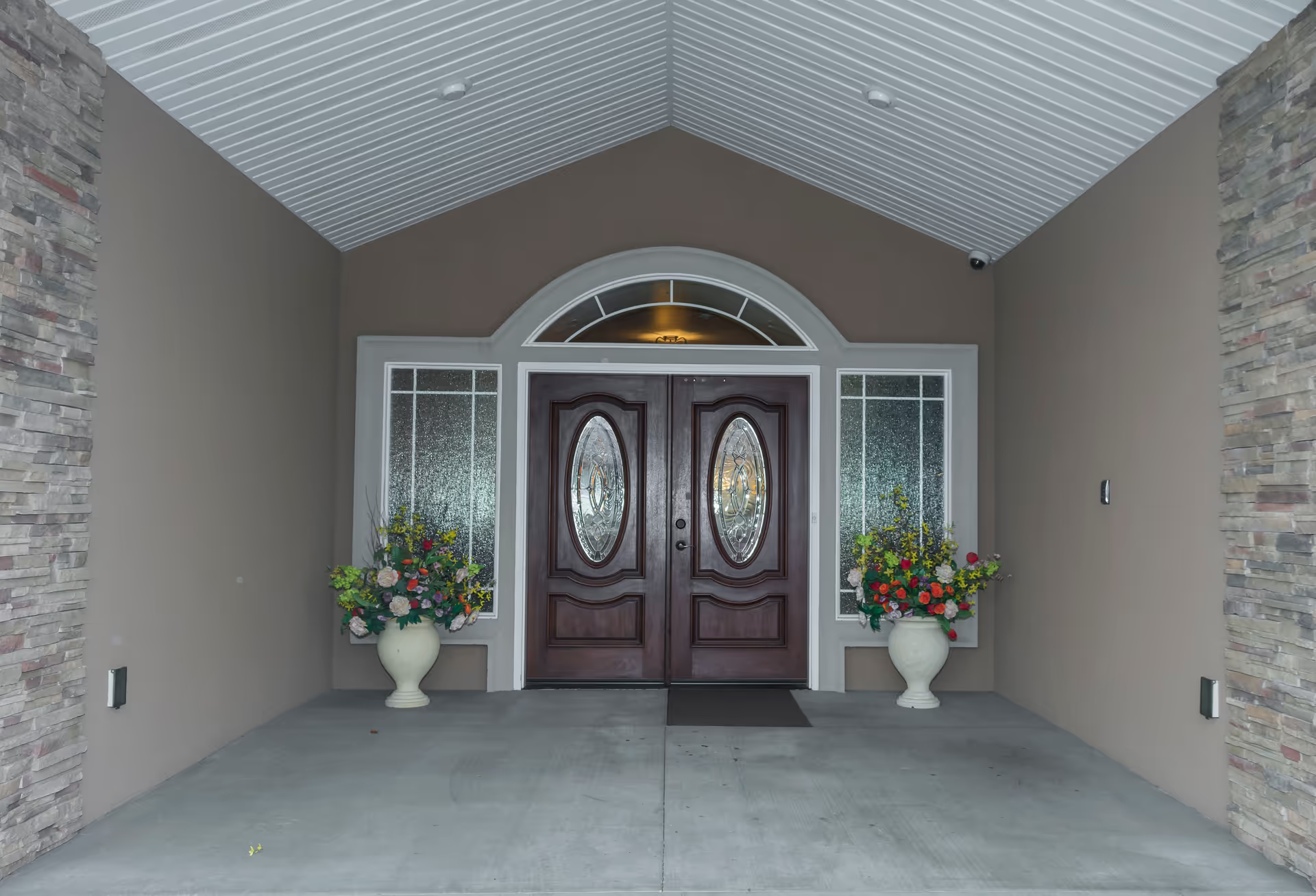
Facility condition and maintenance receive mostly favorable comments about cleanliness and an inviting environment, but there are also indications of repair and equipment issues in places. Hygiene and incontinence‑care lapses are cited as concerns in a subset of accounts; these are operational issues that often relate to staffing levels, training, and supervision.
Management and governance are an area of clear divergence. Several reviewers commend clear administrative communication and supportive coordination of care, yet others raise serious concerns about favoritism, inconsistent treatment of residents, and the handling of grievances. There are also allegations regarding review‑posting practices and ownership disputes; these are significant governance issues that warrant direct inquiry during a family tour or meeting with leadership.
Recommendation: Desert View appears to offer strong hands‑on nursing, effective rehabilitation, and an active social program that many families value. At the same time, recurring themes about staffing consistency, variable meal quality, hygiene lapses, and administrative transparency suggest areas to probe before making a placement decision. Families touring the facility should ask for current staffing ratios, examples of how call‑light response times are monitored and improved, kitchen oversight practices, maintenance schedules, and the facility’s grievance and quality‑assurance processes. These steps can help determine whether Desert View’s strengths align with an individual resident’s priorities and risks.