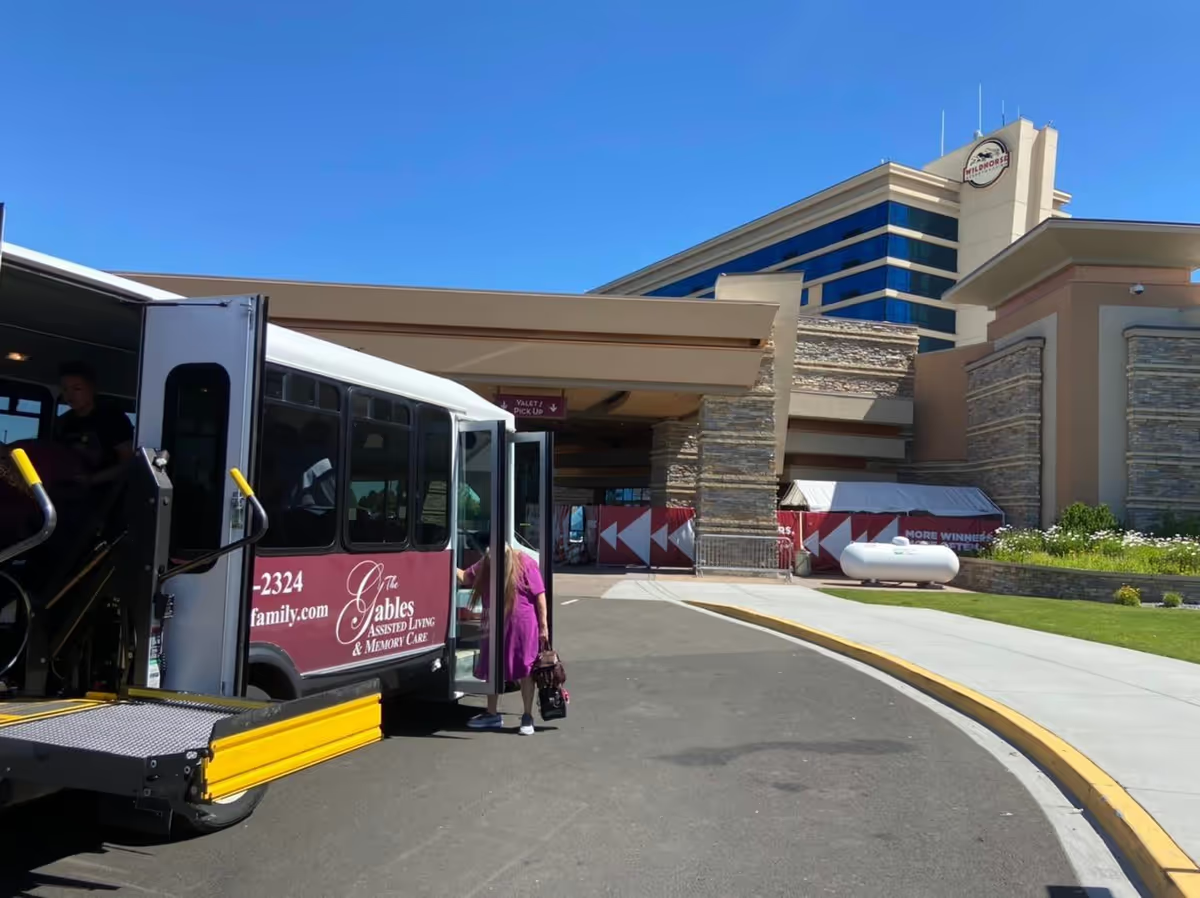
Grace Assisted Living - Nampa elicits strongly mixed impressions. Many families praise the facility's warm, welcoming culture, highlighting direct-care staff who are kind, patient and relationship-oriented. Reviewers frequently noted clean, recently refreshed interiors, spacious room options, a large dining room, included housekeeping and laundry, and a range of amenities such as a theater, game room, on-site salon, foot clinic and transportation for outings. The activity program receives repeated positive mentions for daily bingo, group games, mystery trips and other social opportunities; dining is often described as varied with generous portions and visible food service operations.
Alongside those strengths, a pattern of operational and clinical concerns appears across reviews. The most significant themes relate to inconsistent clinical oversight: families described care plans that were not reliably followed, medication-management shortcomings, and frequent nurse turnover that contributed to variability in day‑to‑day care. Several accounts indicate the need for active family involvement to ensure timely responses and follow-through. These clinical gaps are compounded for some residents by accessibility and safety issues (bath transfers, call-button placement, general ADA compliance) and by evidence of fall-prevention and transfer-safety practice weaknesses.
Dining and activities show both positive and negative patterns. While many residents enjoy the menu variety, communal dining and assigned seating with compatible peers, others described uneven meal quality over time and operational practices that created barriers for some residents to reach the dining room. There are also notes about in-room tray charges and billing practices tied to service delivery. The activity program is a clear asset when well-staffed and led, but reviewers also described underused amenity spaces (for example, a cinema room) and variability in the experience depending on activity‑staff continuity and expertise.
Facility-level systems and management communication are mixed. Administrators and some nursing leaders were singled out as responsive and caring by families, yet front-office responsiveness, owner-level communication and billing transparency drew consistent criticism. Reported sudden rate increases, opaque assessment changes that affected billed care levels, and occasional miscommunication about room availability point to weaknesses in admissions, billing and resident-family communication processes. Policy decisions tied to vaccination status were also described as a source of division and policy inconsistency.
For prospective residents and families, Grace appears to offer a compassionate, community-oriented living environment with meaningful social programming and broadly appealing amenities. However, those considering placement should assess clinical oversight and safety processes directly: ask about medication administration protocols, nurse staffing patterns and turnover, how care plans are implemented and audited, accessibility accommodations, temperature control in resident rooms, and billing/assessment policies that could change monthly charges. An in-person visit that includes meeting nursing leadership, observing mealtime and an activity period, and reviewing sample care plans and recent staffing patterns will help determine if the facility’s operational controls meet your expectations for clinical reliability and transparent management.