The reviews present a polarized but informative picture of Wellspring Health and Rehabilitation of Cascadia. On the clinical side, the facility receives consistent praise for its rehabilitation services — physical and occupational therapy are frequently described as effective and discharge-focused, and the respiratory therapy team is highlighted as a notable strength. Many families and patients described meaningful functional improvements during rehab stays, and hospice coordination and end-of-life support were also cited positively.
Staff performance is described unevenly. Numerous accounts emphasize compassionate, hands-on nurses, caregivers, and CNAs who provide reassuring, patient-centered attention; several reviews specifically cited individual staff and nursing supervisors as strengths. Conversely, other accounts point to inconsistent staffing levels, high turnover, and diminished performance on certain shifts (notably nights), which reviewers link to long call-light response times and delays in assistance. These staffing inconsistencies also contribute to variability in clinical follow-up, medication timing, and coordination of physician appointments.
Dining and daily care receive mixed feedback. Some families described well-prepared, home-style meals, while others reported cold or poorly presented entrées and service delays that prompted visitors to bring supplemental food. Reviewers also raised sanitation and cleanliness concerns in both resident rooms and common areas, and noted odor concerns in some spaces. Privacy and dignity during personal care were cited as areas needing improvement, with specific concerns about bathing schedules, incontinence care, and exposure during transfers or dressing.
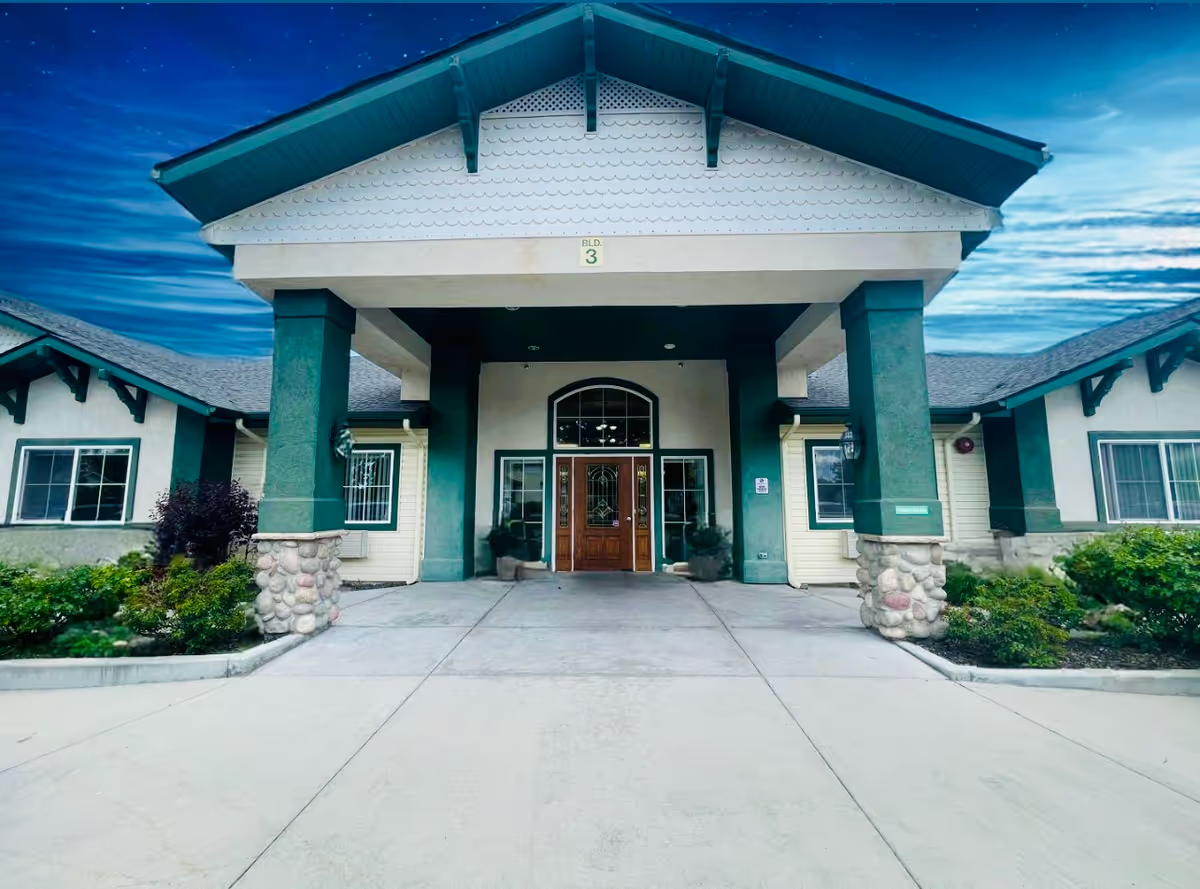
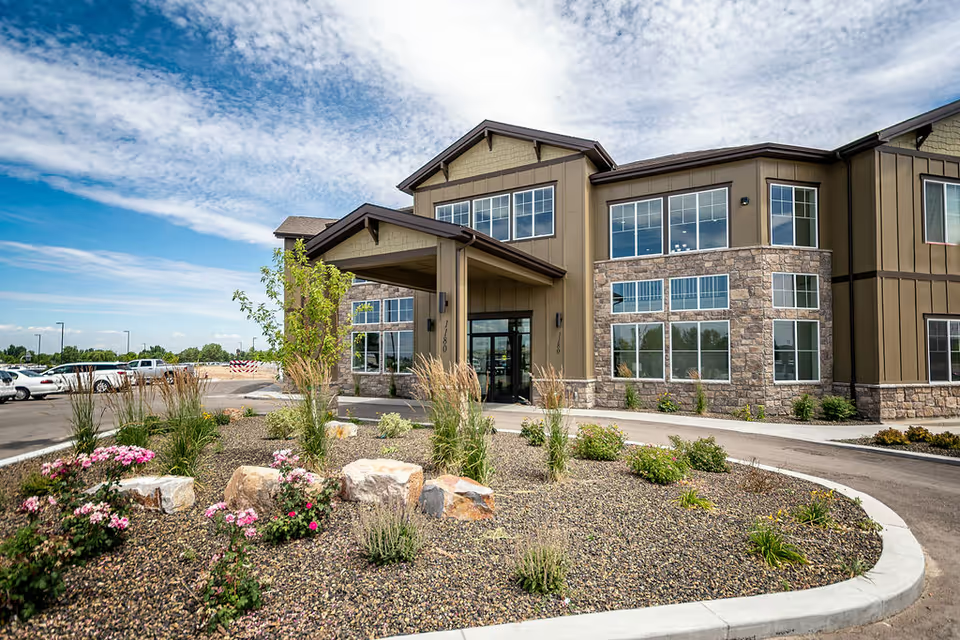
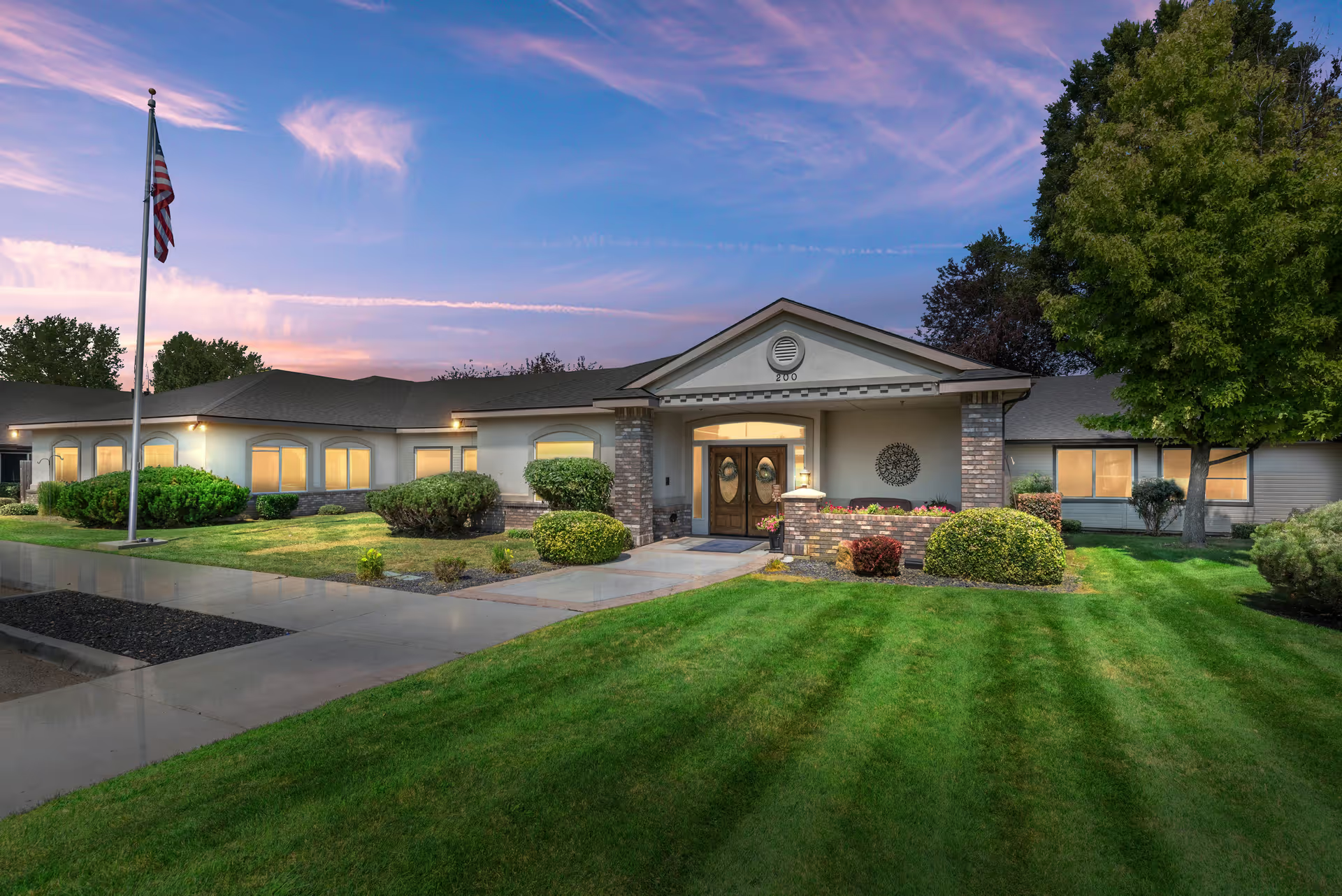
Facility and safety issues appear across several reports. The building is described as aging in parts, with small rooms and limited bathing facilities (single-shower configurations). Reviewers identified process gaps affecting fall prevention and equipment maintenance, and some cited lapses in supervision that led to unsafe situations. These operational weaknesses, combined with staffing fluctuations, create variability in resident experience and perceived safety.
Management and oversight comments are mixed and appear to correlate with time and leadership changes. Some reviewers praised recent leadership and noted measurable improvements under new management, while others described prior management failures, poor responsiveness to family concerns, and a lack of accountability. A limited number of reviews referenced serious clinical incidents and concerns following a resident's death; these items point to the importance of checking current regulatory status and recent survey outcomes.
Overall pattern: the facility demonstrates clear clinical strengths in rehabilitation and respiratory care and has many dedicated, compassionate staff members. At the same time, recurring themes include inconsistent staffing and supervision, sanitation and dining variability, safety-process gaps, and uneven management responsiveness. Prospective residents and families should consider tours that assess current cleanliness, staffing levels by shift, fall‑prevention measures, medication administration processes, and the status of any leadership changes or corrective action plans before making placement decisions.