The reviews portray a facility with strong person-focused strengths alongside recurring operational weaknesses. Many families and residents emphasize compassionate, attentive care from CNAs, nurses, and support staff, and several accounts highlight skilled physical and occupational therapy that produced meaningful functional gains. Housekeeping, laundry, and the activities program are frequently described as strengths, and the dining team is noted for accommodating preferences and providing generous portions. Across multiple accounts there is appreciation for familiar staff relationships and cohesive interdisciplinary teamwork that supports transitions, rehabilitation stays, and end-of-life communication.
Clinical care quality is mixed in the accounts: when staffing and therapy resources are applied consistently, reviewers report rapid improvement, respectful bedside care, and comprehensive rehab plans. However, other reviews describe workload pressure, long nurse response times, and variability in therapy delivery — including gaps in exercise continuity, documentation, and use of standard safety practices during therapy and transfers. These operational inconsistencies appear tied to staffing levels and shift patterns; when staff are fully available morale and teamwork are praised, but staffing shortages are repeatedly cited as a cause of delayed assistance and uneven care intensity.
Dining and activities are generally viewed positively, with many families noting a proactive kitchen manager, reasonable menu variety, and an engaging activities director. At the same time, there are enough comments about inconsistent meal quality and special-diet handling (for example diabetic diet concerns) to flag that dietary experience can vary by unit or shift. The activities program is consistently described as engaging and helpful for recovery and quality of life.
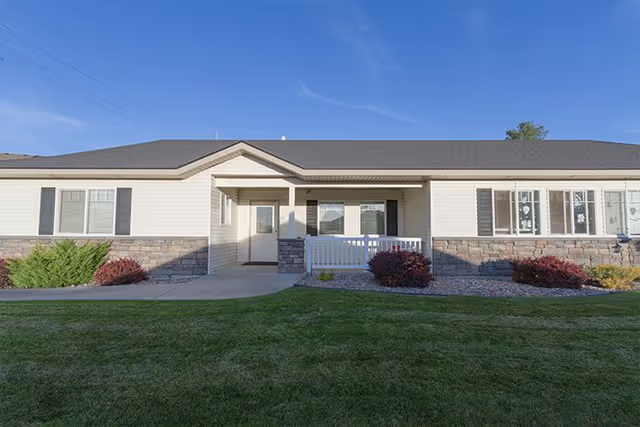
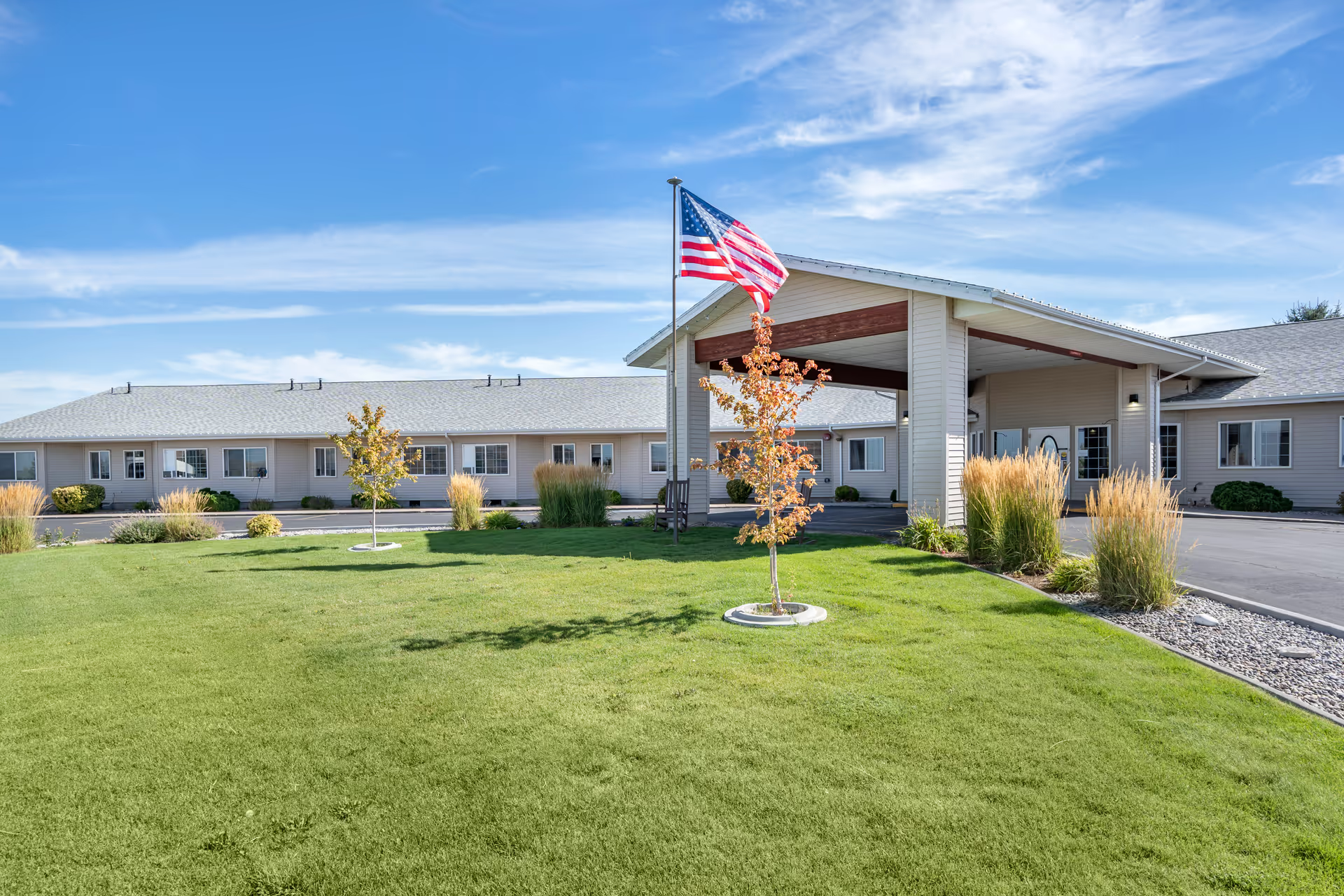
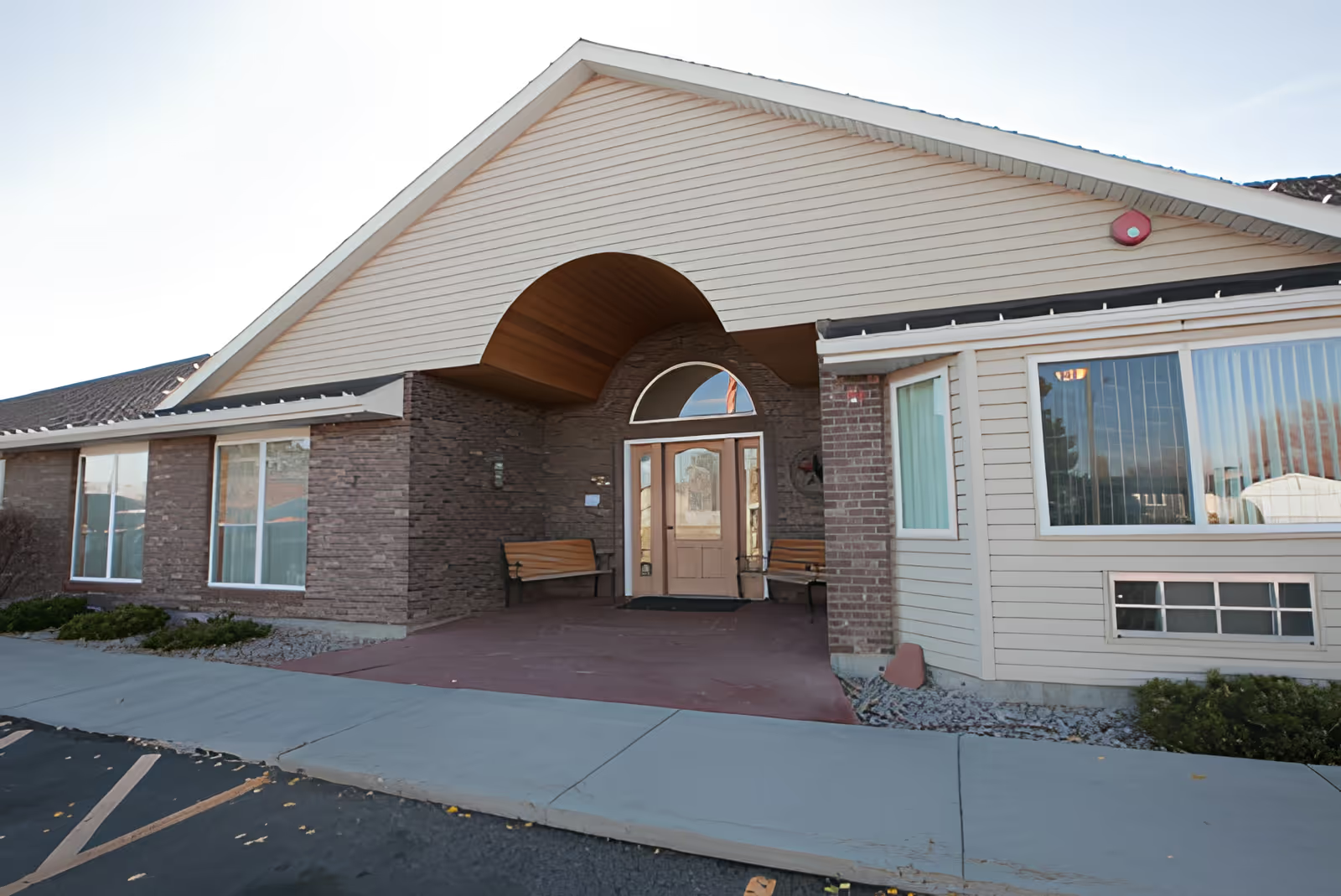
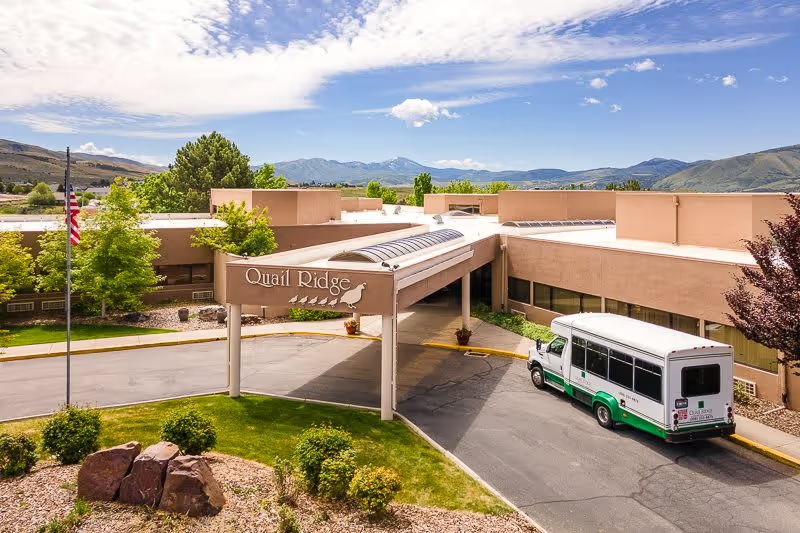
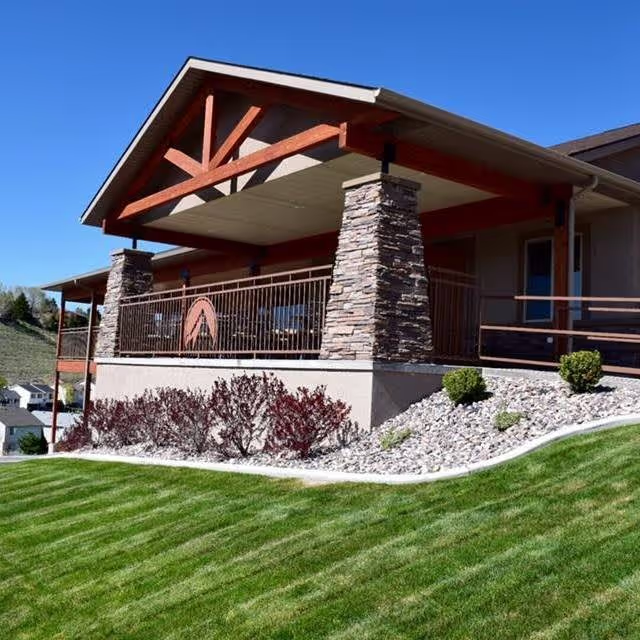
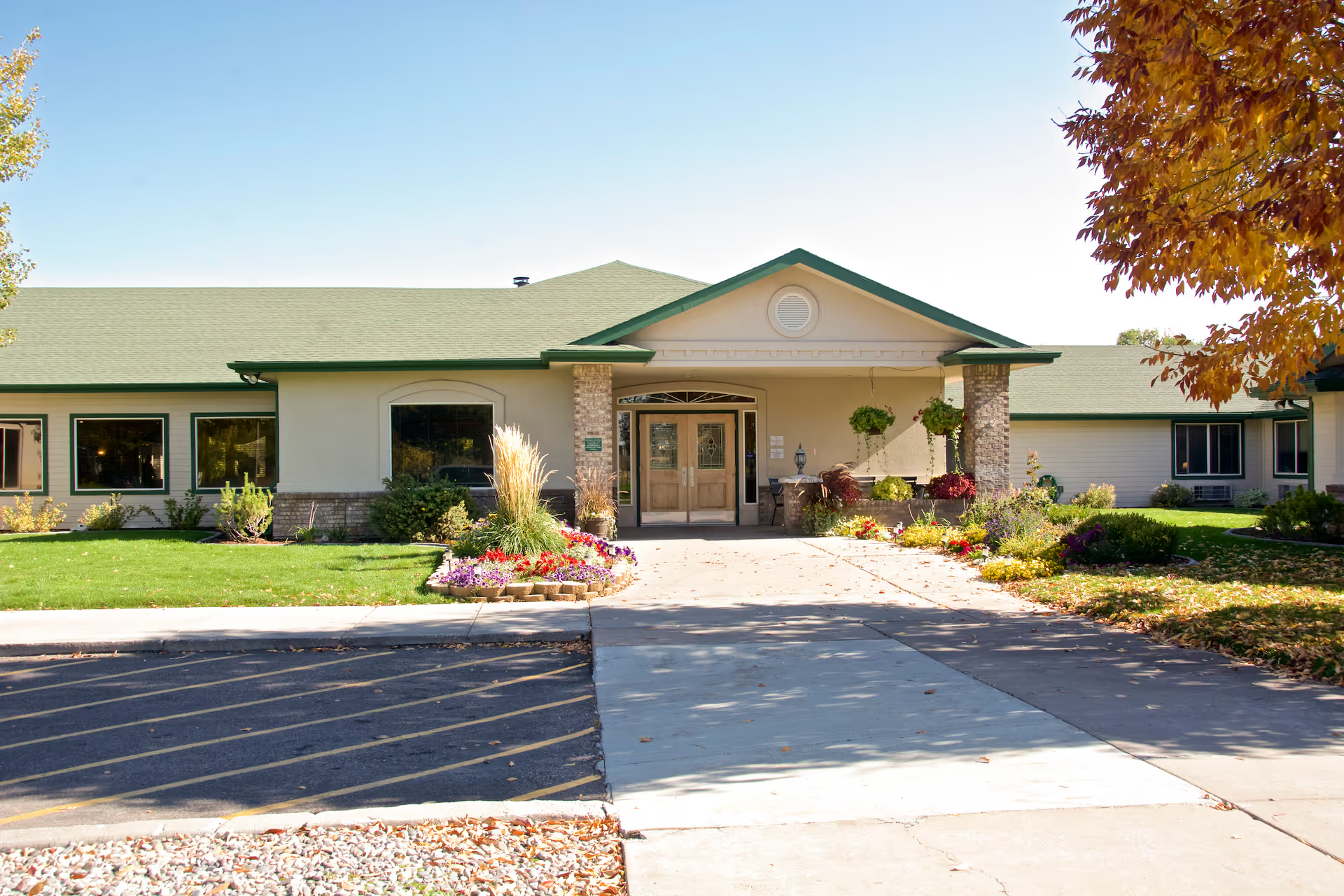
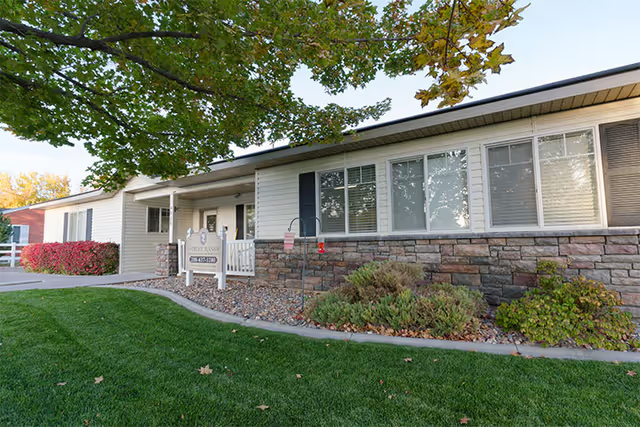
Facility infrastructure and environmental issues recur in reviews. The building is characterized as older with shared-room layouts and limited private-bath options, which raises privacy concerns for some residents. Reviewers also raise sanitation, odor control, and pest-control concerns in particular areas, and several accounts note lapses in room cleaning or maintenance. After-hours administrative monitoring and responsiveness are described as uneven, contributing to delays resolving environmental or care-related problems outside daytime hours.
Management and administration elicit mixed feedback: some families cite transparent communication, supportive social workers, and coordinated discharge planning, while others describe variable responsiveness, unresolved complaints, and concerns about staff treatment and financial practices. A few reviews reference serious financial and billing concerns; those comments suggest prospective residents should ask directly about pricing, billing policies, and any hospice or ancillary cost structures.
In sum, Monte Vista Hills appears to offer strong, compassionate bedside care and effective rehabilitation when staffing and management systems are functioning well. Prospective residents and families should weigh these clinical strengths against recurring operational themes: aging infrastructure and shared rooms, variable sanitation and pest control in some areas, staffing shortages that can affect responsiveness, and inconsistent therapy program continuity. Practical due diligence for families would include touring the specific unit, asking about current staffing ratios and after-hours coverage, reviewing therapy schedules and safety practices, confirming special-diet accommodations, and clarifying billing and hospice costs before admission.