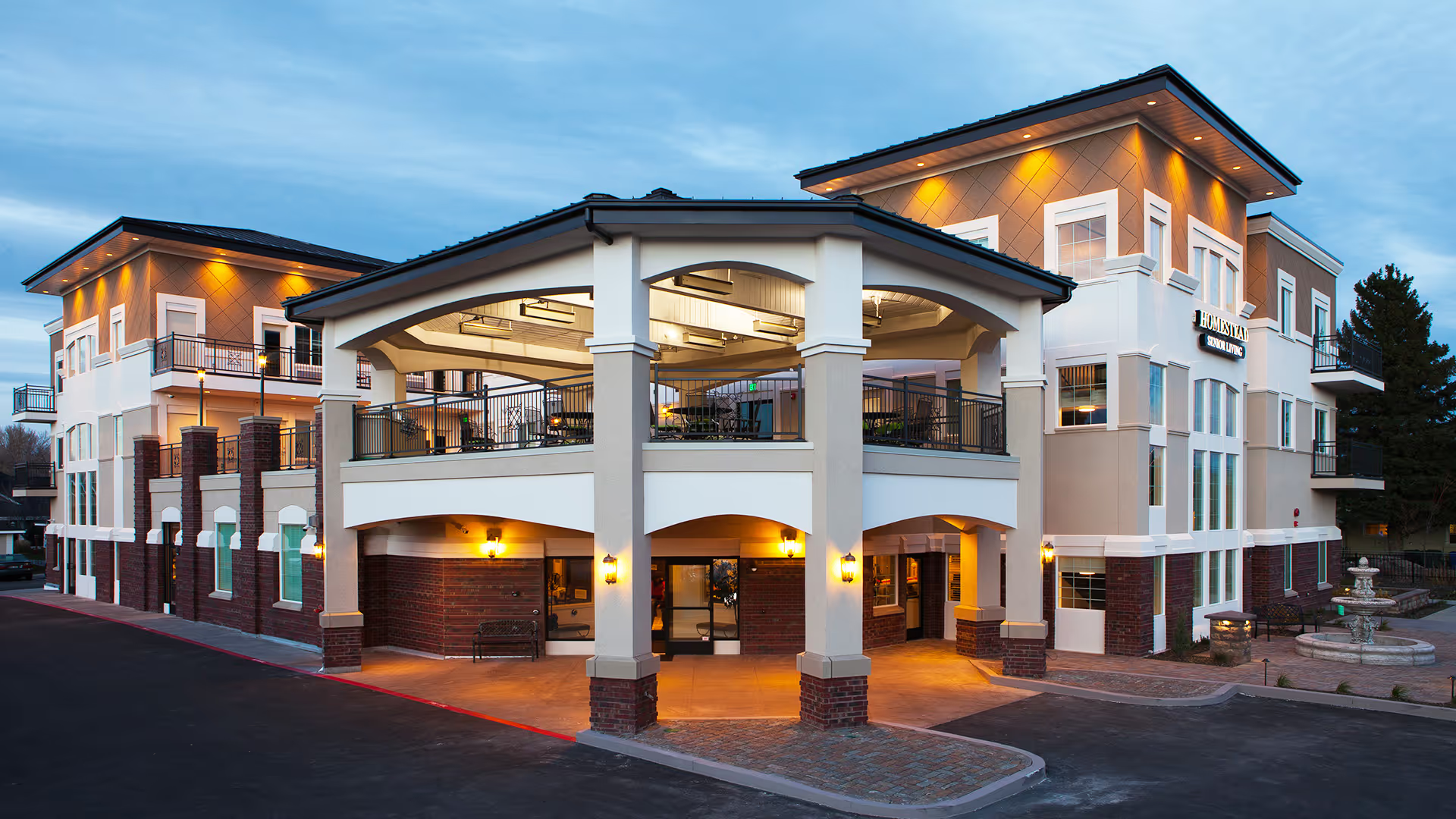
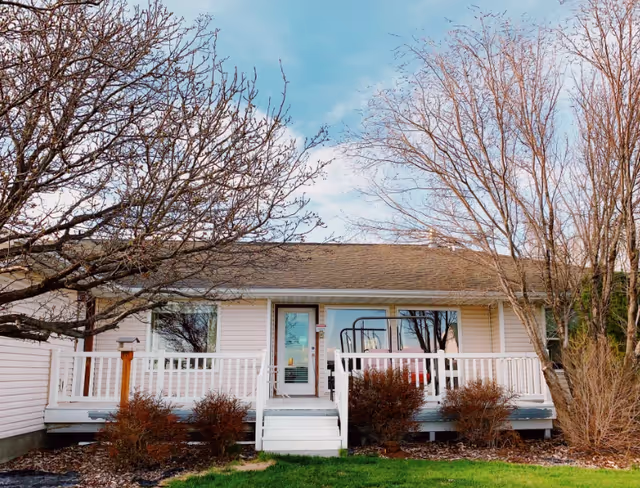
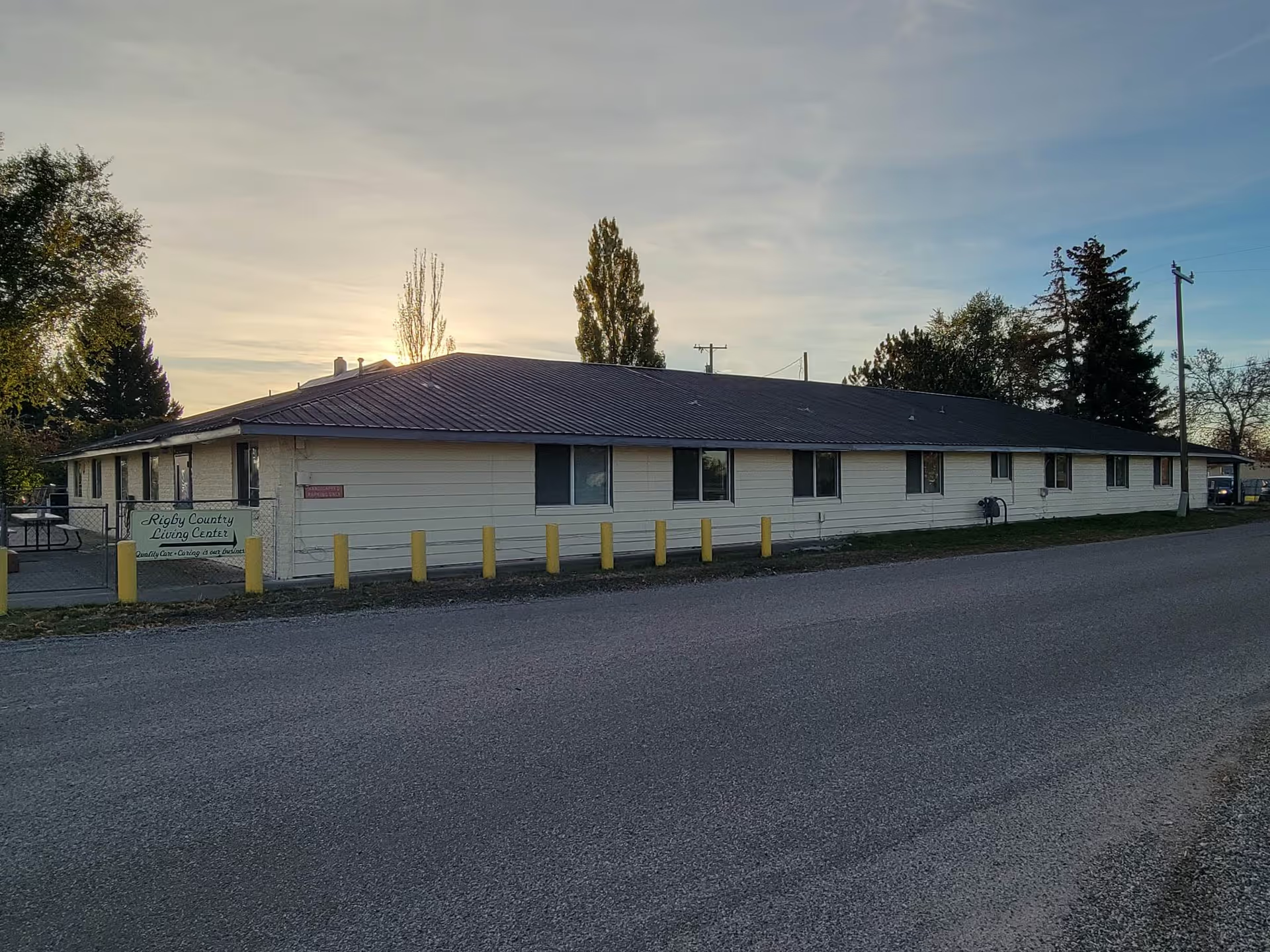
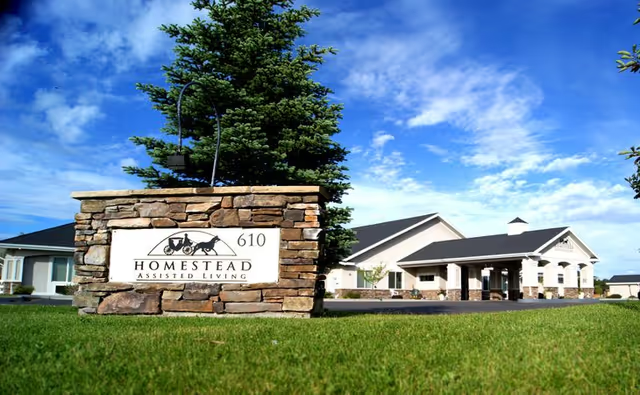
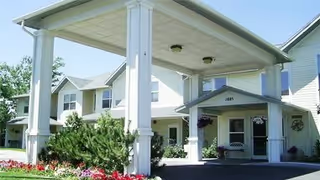
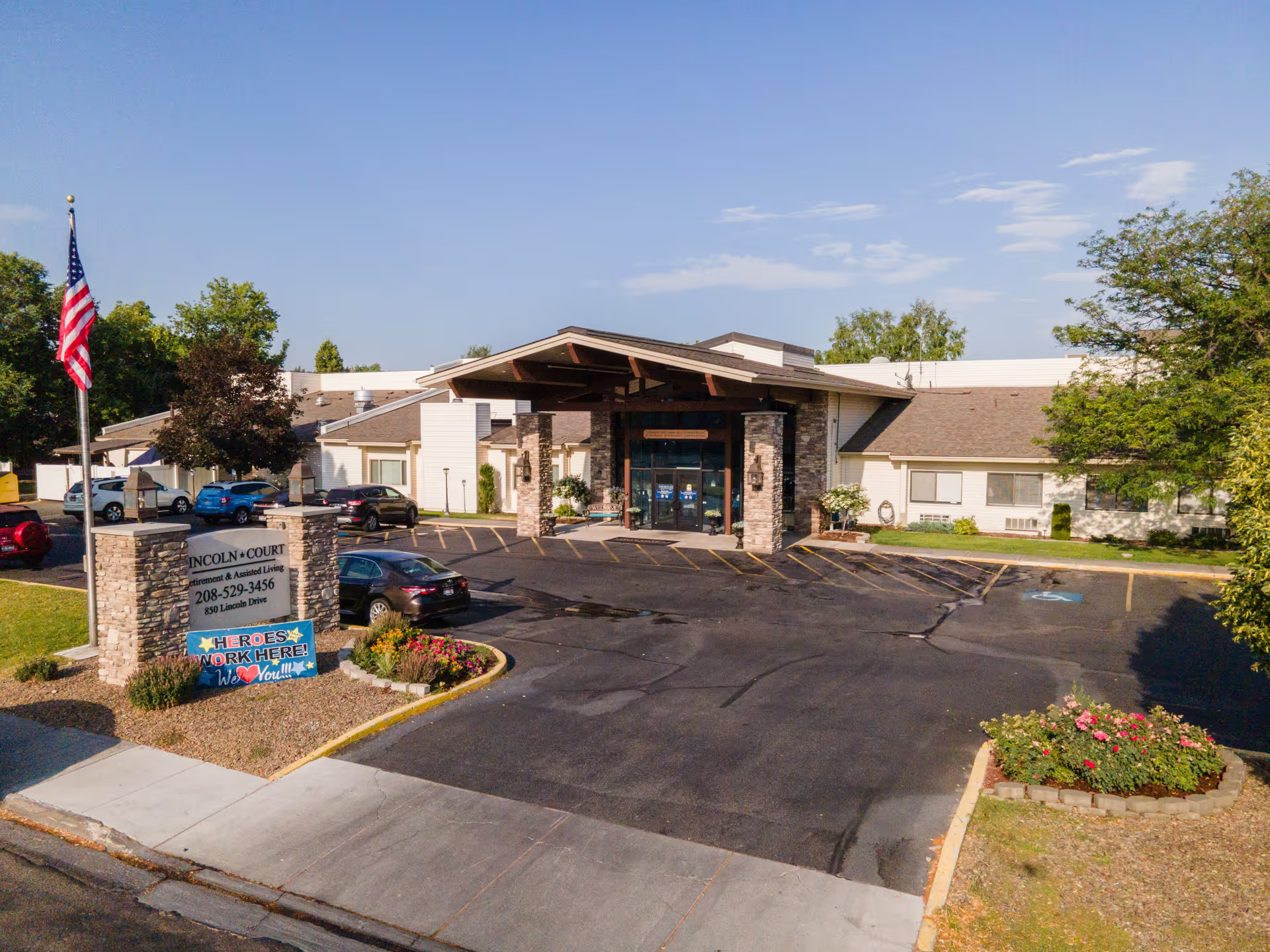
Carriage Cove Short Stay Rehabilitation receives consistent praise for its rehabilitation services and facility environment. Many reviewers highlight strong physical and occupational therapy programs, a well-equipped fitness/therapy gym, and effective therapy teams that facilitate measurable recovery and return-to-home outcomes. The building and public areas are frequently described as clean, modern, and comfortable; reviewers also note features that support a home-like, family-friendly atmosphere, such as pet visits and accessible activities.
Staffing is one of the facility's most frequently cited strengths. Across accounts, nursing aides, therapists, and support staff are characterized as kind, attentive, and willing to go beyond basic duties to support residents and families. Several comments single out administrators and clinical leaders as responsive and engaged. This combination of clinical staff quality, management visibility, and positive resident–staff rapport contributes to many positive rehabilitation experiences and a generally supportive culture.
At the same time, reviews identify several operational weaknesses prospective families should probe further. Continuity of care is uneven: rotating or inconsistent staff assignments were associated with lapses in care-plan follow-through and variable CNA supervision. Communication gaps are another recurrent theme — examples include transportation scheduling without family notification, delayed paperwork and check-in complexity, and intermittent delays in accessing providers after admission. These patterns suggest the facility may perform well in direct-care interactions but can struggle with coordination and administrative consistency.
More serious clinical-safety and transition issues appear in a smaller subset of comments. There are allegations of medication-labeling errors and concerns about oxygen-weaning and equipment coordination at discharge; these raise questions about medication-administration controls and clinical-safety protocols for patients who require respiratory equipment. Discharge planning and transition coordination are described as inconsistent in multiple accounts, with examples of incomplete discharge paperwork, lack of portable oxygen provision, and limited follow-up referrals. Such gaps have the potential to affect outcomes after leaving the facility and merit direct inquiry during a tour or care-planning conversation.
Dining and activities receive mixed but generally favorable feedback. Many reviewers praise hot meals, varied options, and proactive dining service; others describe variability in meal quality and dining-room service. Activities and social programming are commonly noted as engaging and contribute to the positive, home-like atmosphere, though families should confirm program schedules and participation options that matter to their loved one.
Finally, a small number of reviewers raise concerns about faith-based influence and religious-inclusivity in programming and social dynamics. These comments, together with the operational issues noted above, do not define the overall experience for most guests but represent areas of risk that families may wish to address directly with facility leadership.
In sum, Carriage Cove appears to offer strong rehabilitation services, compassionate frontline staff, and a well-maintained facility that supports recovery and quality of life. Prospective residents and families should balance those strengths against documented operational risks by asking targeted questions about staffing continuity, medication-safety protocols, discharge and equipment coordination, family communication practices, and the facility's approach to religious or spiritual programming during an admission or tour.