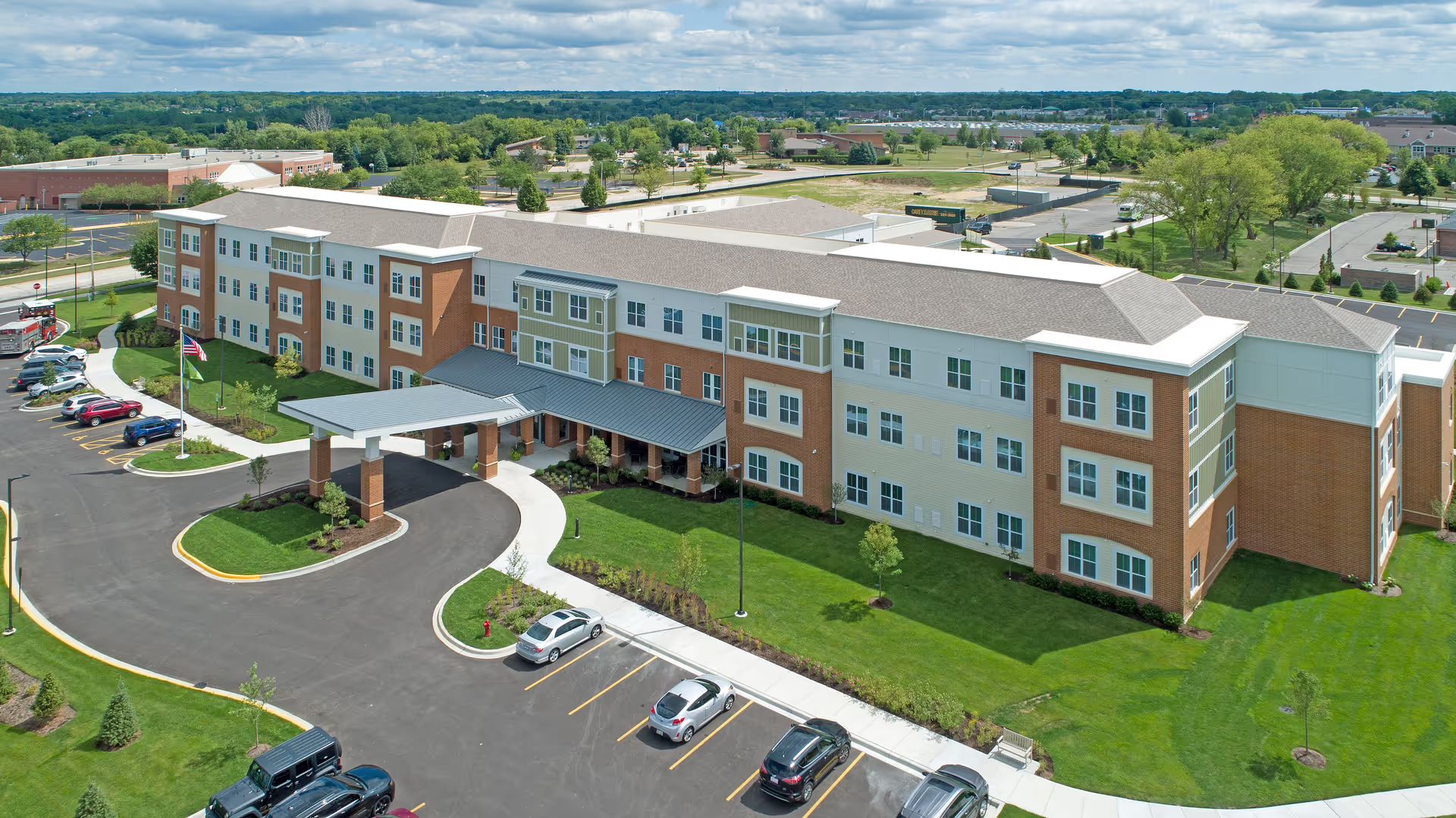
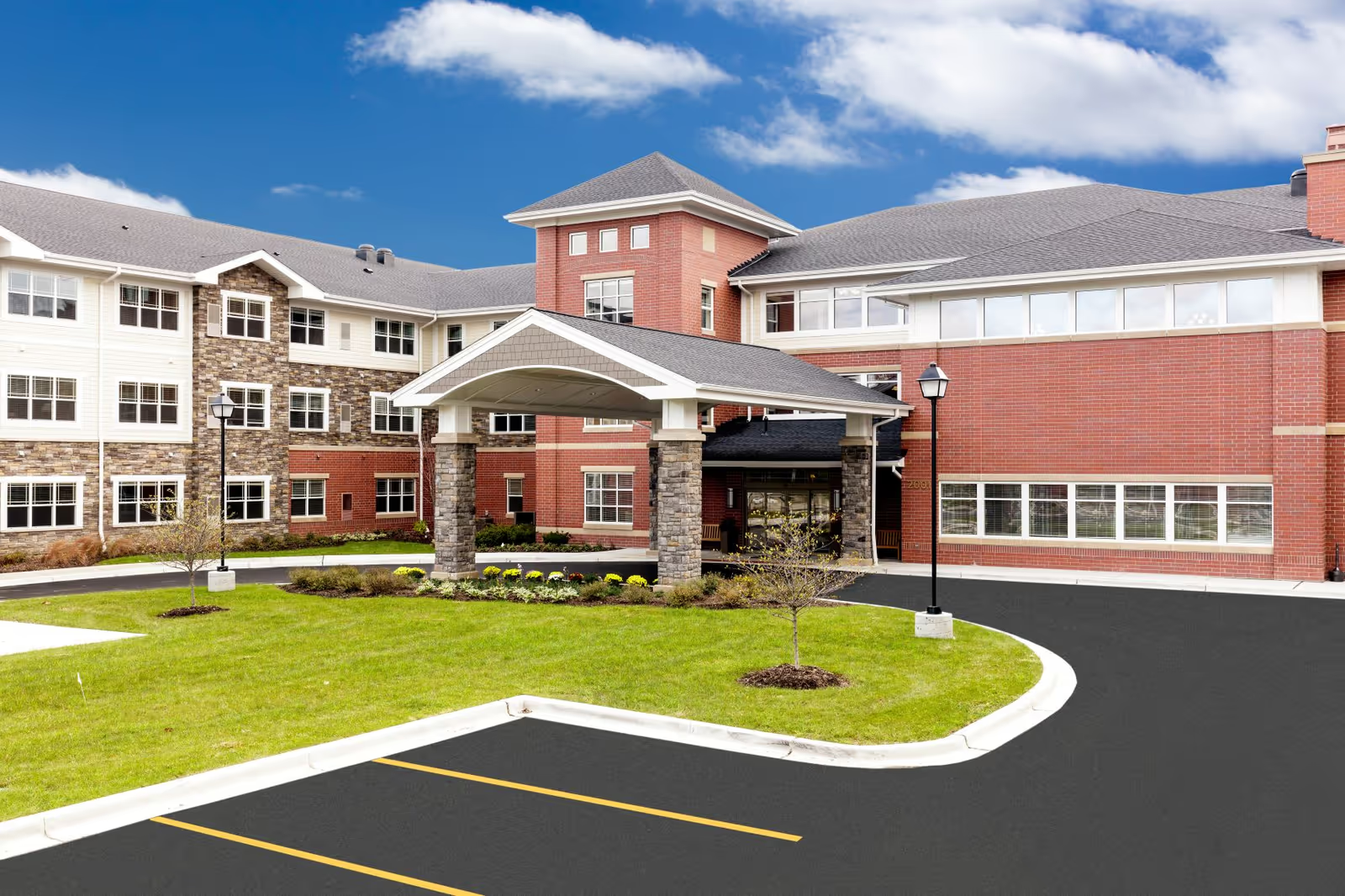
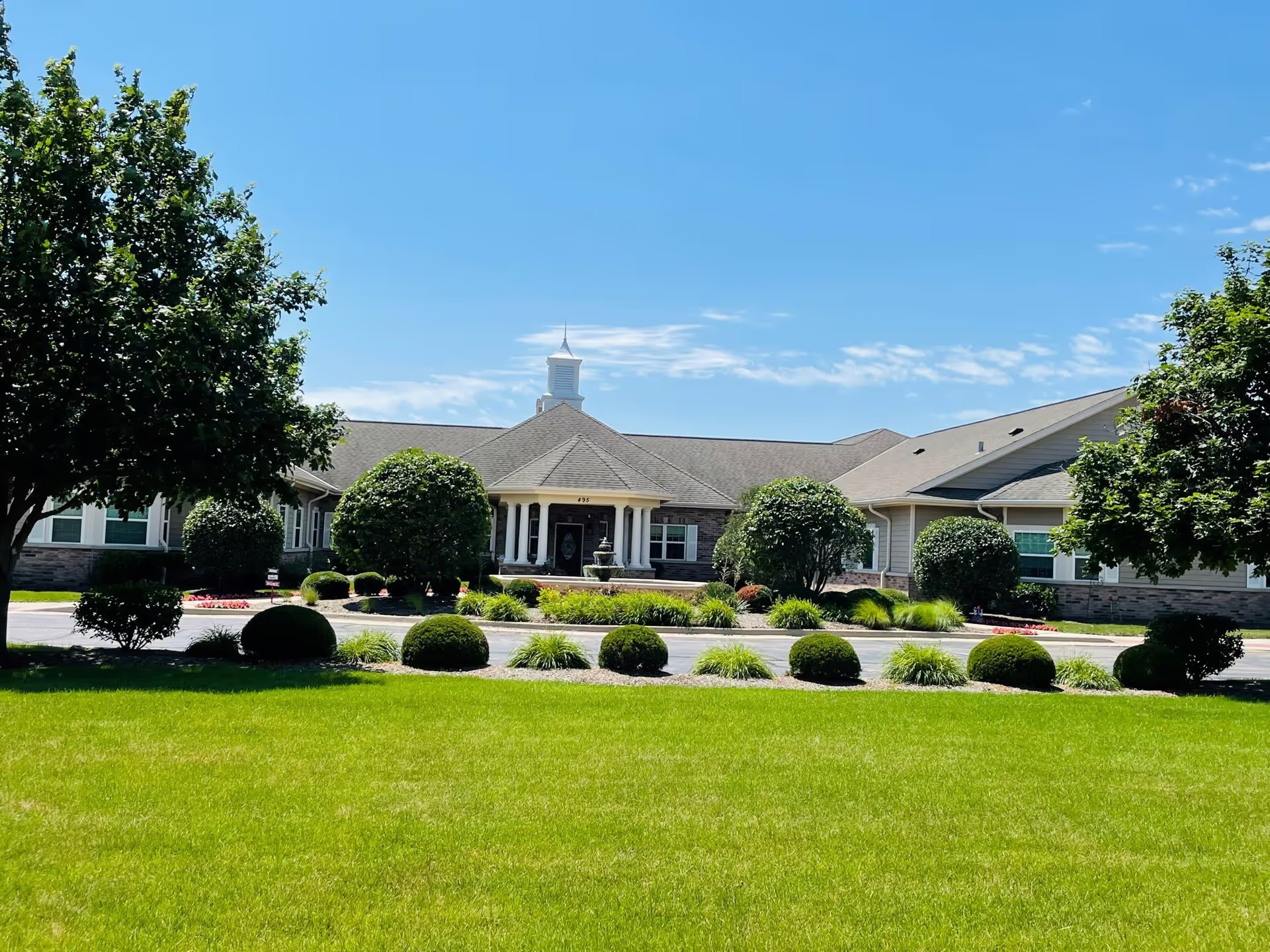
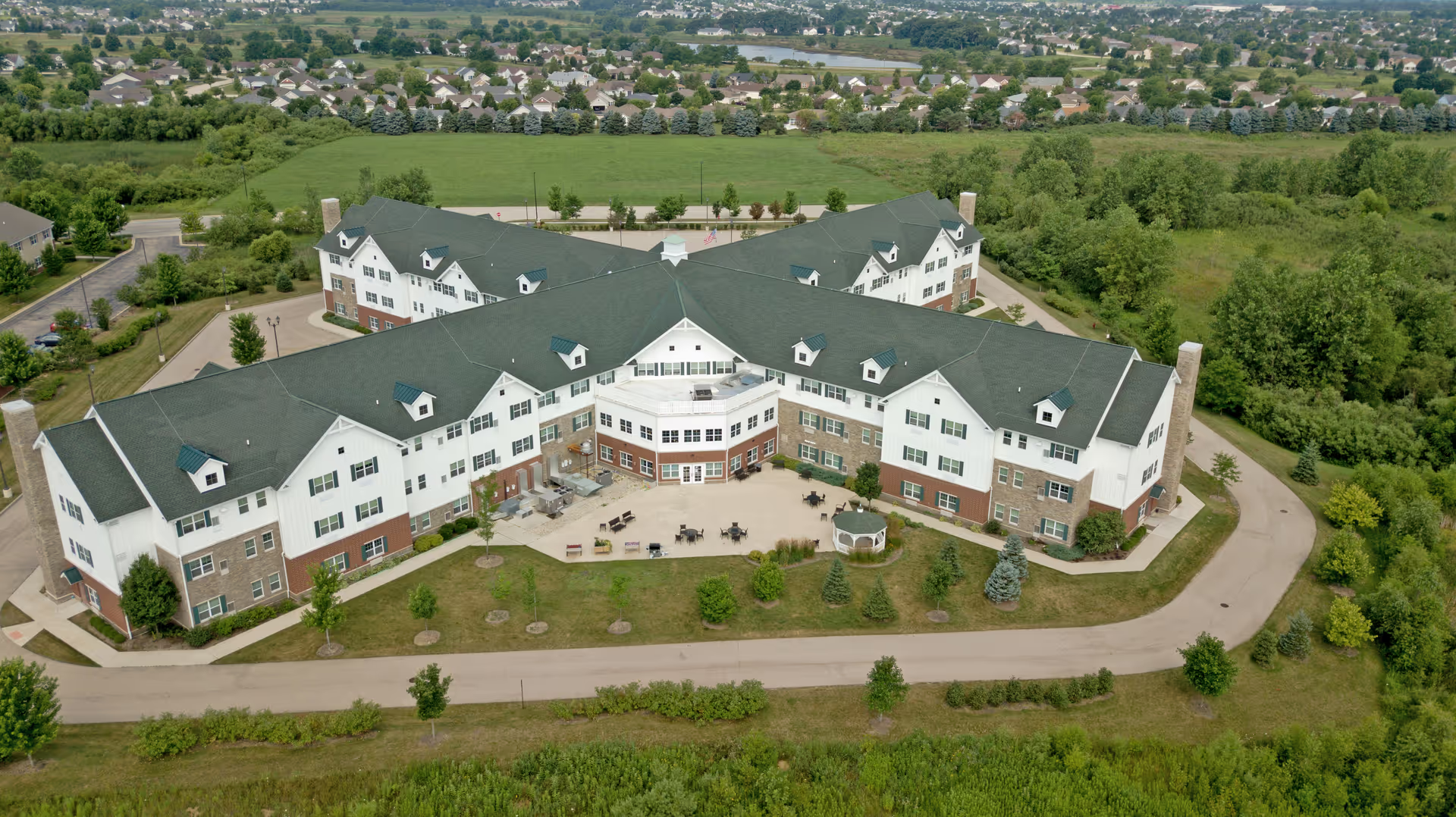
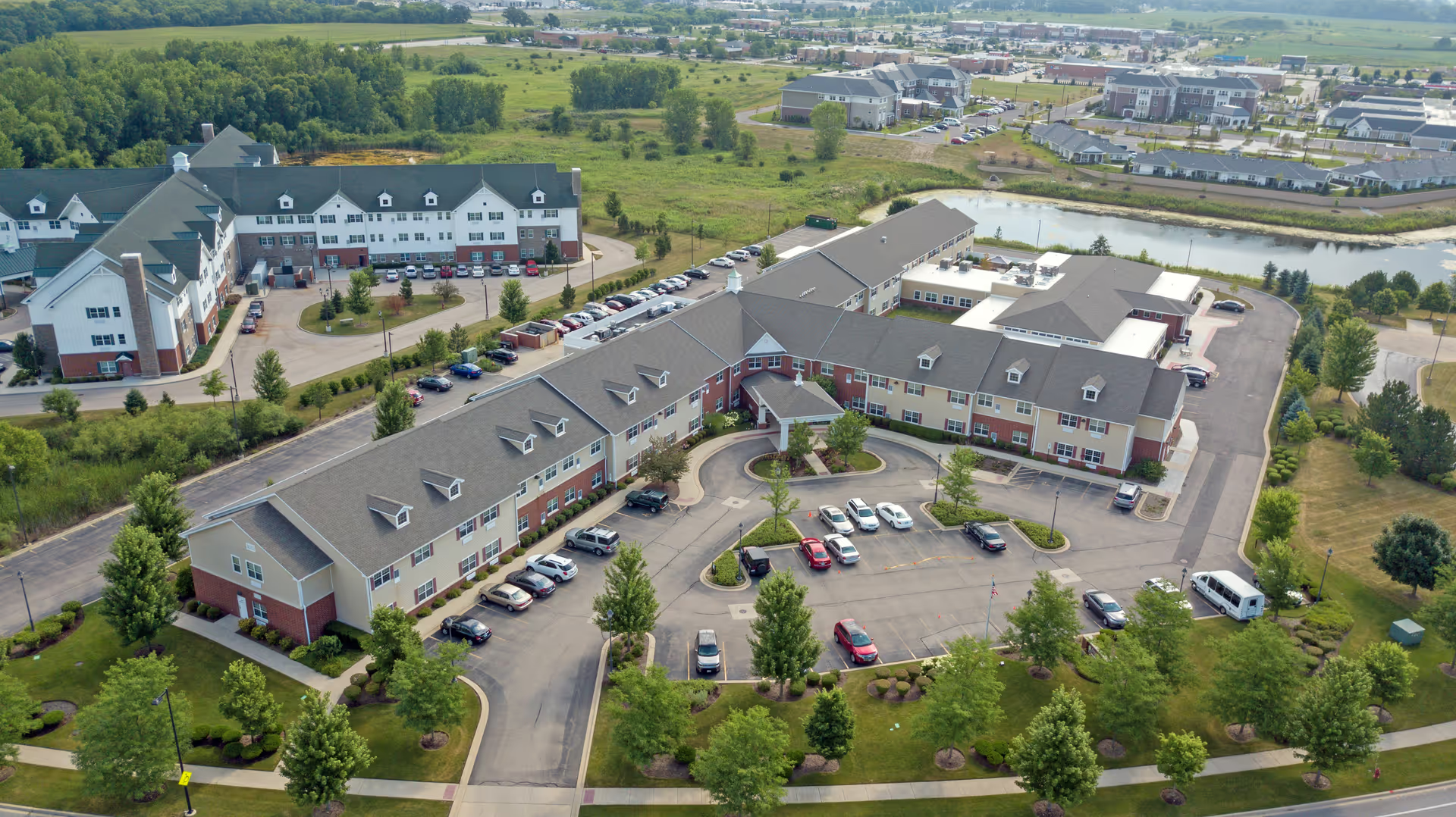
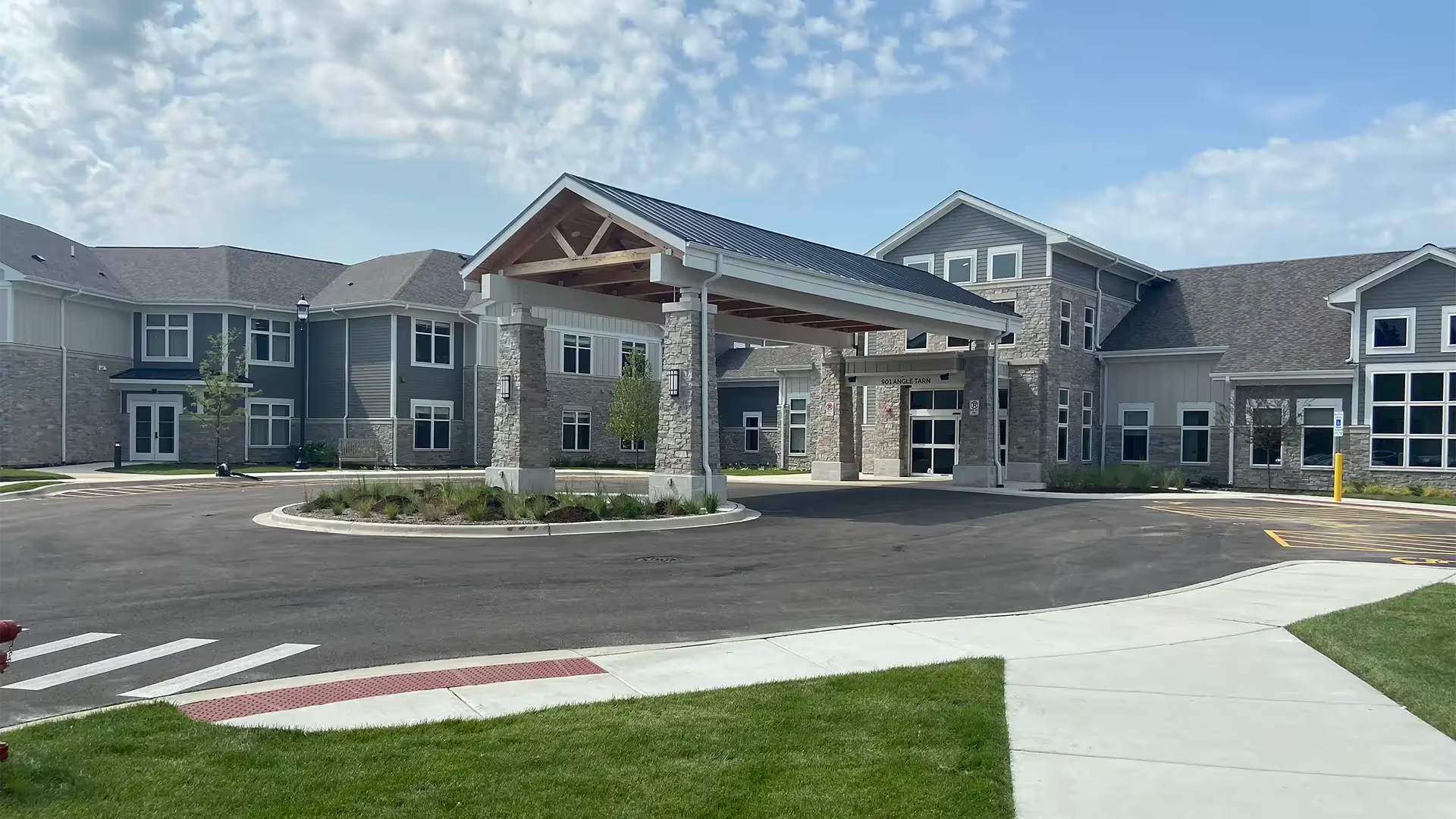
The Oaks at Algonquin presents as a newly built, amenity-rich senior community with many features that appeal to prospective residents: modern architecture, abundant natural light, multiple dining venues, a theater, salon, gym, courtyard spaces, and full in-unit kitchens for many apartments. Reviewers consistently praise the physical environment and common areas for cleanliness and aesthetic appeal, and many families noted that the community offers a wide range of social and recreational programming including field trips, arts activities, and regular events that foster resident engagement.
Care quality and staff performance are frequently cited as a central strength. Across reviews the caregiving teams, nursing staff, activity staff, and many front‑line employees are described as compassionate, knowledgeable, and attentive. Several reviewers highlighted proactive leadership at the executive level and named individual staff whose responsiveness improved residents’ experience. Memory-care programming and end‑of‑life support received positive comments from families who felt residents were treated with dignity and appropriate clinical attention.
Dining is a mixed area. Many residents and families reported occasions of restaurant‑quality meals and specialty dining options through on‑site restaurants, while others described inconsistent menu execution, small portions, and limited accommodation of dietary restrictions. There are recurring complaints about a mandatory meal-plan requirement for independent living despite in‑unit kitchens, and limitations in menu variety and special-diet flexibility. Operational lapses such as supply shortages or service interruptions were noted on occasion.
Operational patterns suggest variability in consistency. Reviewers often point to staffing instability and short staffing as drivers of several downstream issues: longer response times to call buttons, intermittent service delays in dining, and perceived declines in the consistency of care. Maintenance responsiveness is described as uneven; when issues can be handled locally staff often respond promptly, but complex requests can be delayed because of corporate processes. Storage limitations and some smaller unit layouts were noted as practical drawbacks for residents with more possessions.
Management, billing, and communication emerged as the most recurrent concerns. Multiple families described billing errors, missing invoices, or confusing charges, and a subset raised stronger concerns about improper financial deductions. Several reviewers characterized leadership communication as inconsistent, and some described turnover or changes in management that affected continuity. Policies such as mandatory meal plans, rental increases, and move‑out or billing inflexibility contributed to perceptions of poor value among some residents and families.
Taken together, The Oaks at Algonquin appears to offer a high-quality physical environment and many staff who deliver compassionate, engaging care and activities. Prospective residents should weigh these strengths against operational weaknesses that appear to be systemic: menu and dietary accommodation variability, billing and administrative transparency problems, staffing instability with associated response‑time delays, and certain policy rigidities (mandatory meal plans, billing/move‑out terms). Families considering the community would be advised to: (1) verify accommodation of specific dietary needs and the financial terms of meal plans and leases in writing, (2) discuss staffing levels and response expectations for call systems, (3) confirm maintenance response procedures, and (4) ask for recent examples of how management has resolved billing or communication issues. These steps can help align expectations with the facility’s present strengths and ongoing operational challenges.