Reviews present a mixed but actionable portrait of Alton Memorial Rehabilitation & Therapy. A large portion of feedback highlights strong clinical rehabilitation services: physical and occupational therapy staff are frequently described as skilled, engaged, and effective at helping residents regain function and return home. Many families and residents reported compassionate, attentive nursing and CNA care, a warm, family-like atmosphere, and engaging recreational programming that supports socialization and morale. Several reviewers also praised an accessible administration and certain clean, renovated areas of the building.
At the same time, there are recurrent operational weaknesses that families should weigh. Staffing levels and shift coverage are commonly cited as inconsistent, producing long waits for assistance, slow call-light response times, and irregular personal-care schedules. Reviewers also raised concerns about medication administration and documentation, inconsistent clinical monitoring (including vital signs and bloodwork follow-up), and safety practices around transfers and fall prevention. Several reviews described serious safety and clinical-monitoring events that led families to remove residents or seek higher-acuity care; these comments suggest the need for careful, facility-specific follow-up on safety protocols and incident reporting.
Dining and activities are generally strengths: many reviewers found meals to be tasty, filling, and appropriately portioned, and activity staff to be proactive and engaging. However, there are complaints about inconsistent meal-service continuity and temperature control, with some meals described as arriving cold or hospital-style. Activity programming is often highlighted as a positive contributor to resident well-being, particularly when combined with individualized therapy plans such as a Rehab-to-Home program.
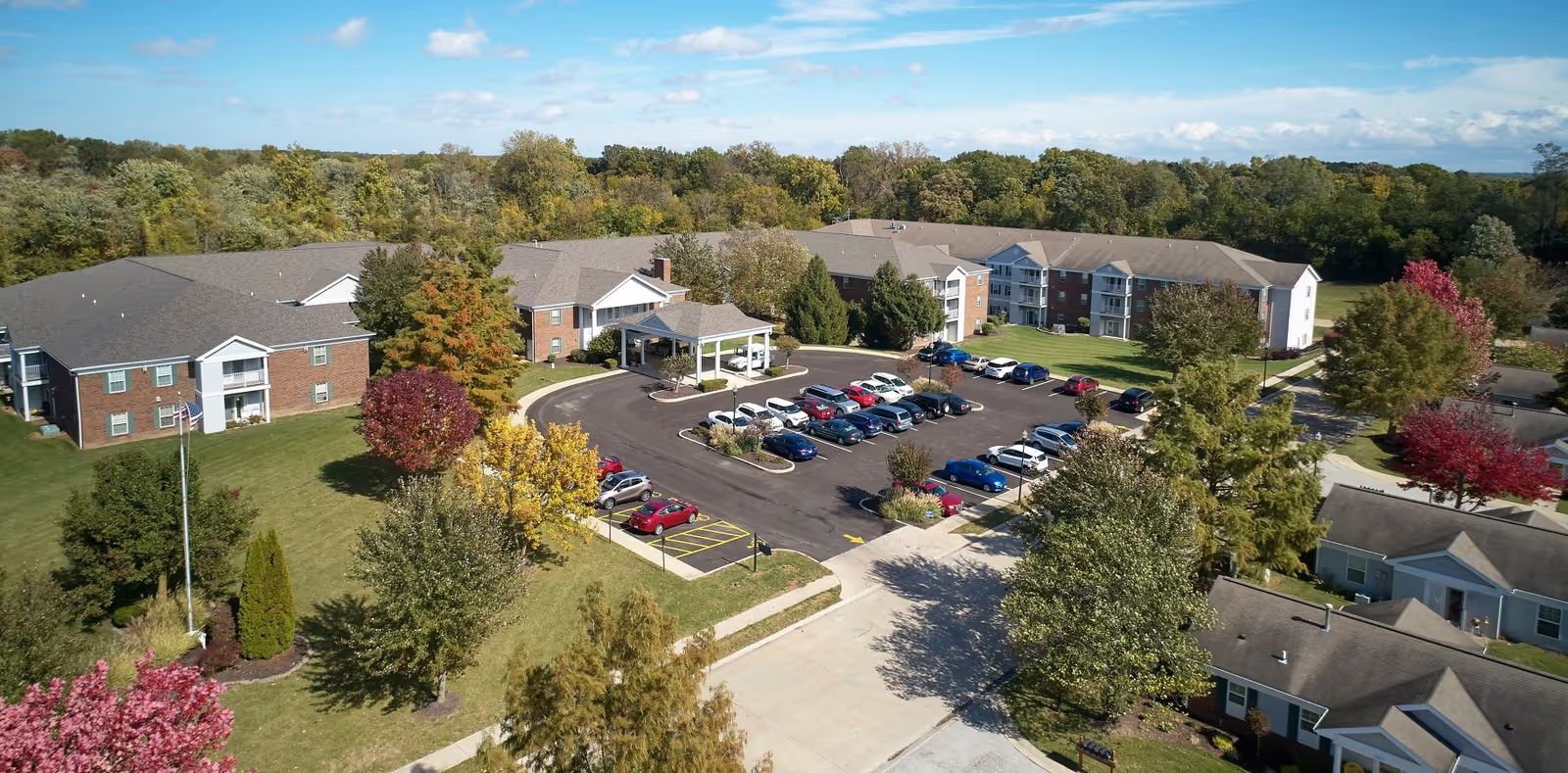
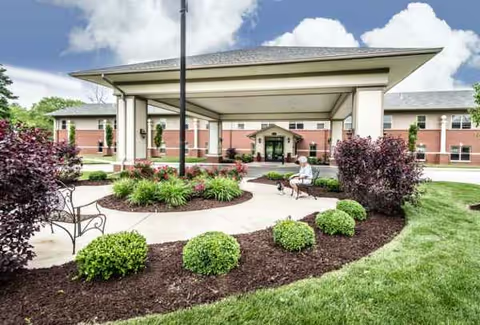
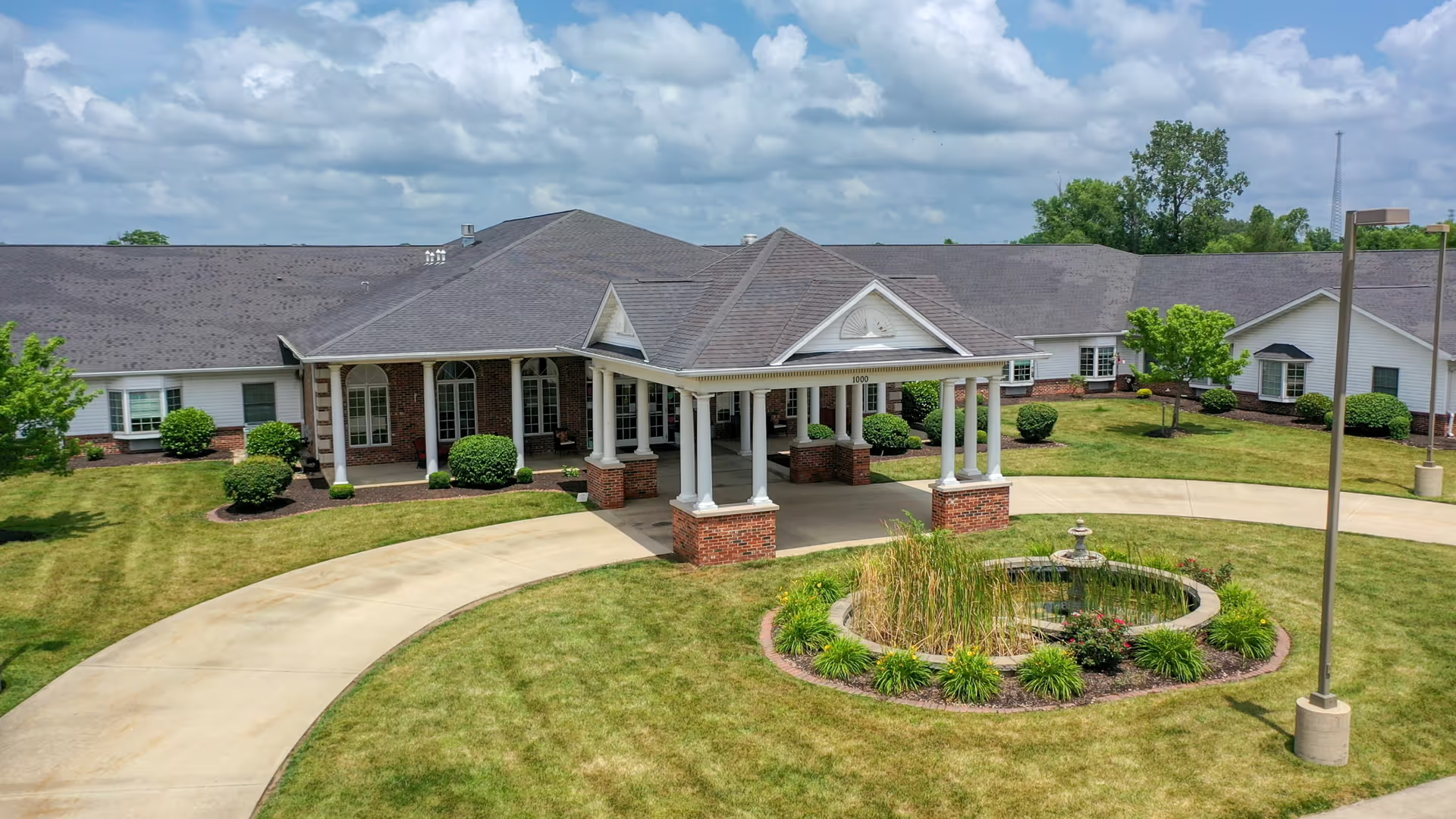
Facility condition reports are mixed. Several reviewers praised clean, renovated, and well-maintained areas, while others described sanitation concerns or dim/older sections of the building. Practical issues such as limited front-desk coverage, constrained parking, and variable laundry/personal-property handling also recur and can affect daily convenience and trust.
Management and communication appear variable: some families commend an approachable administrator and clear communication about care plans, while others describe inconsistent oversight, poor follow-up on clinical orders, and missing documentation. A few reviews included allegations of mishandling of personal property and other serious individual claims; those accounts, combined with clinical-safety concerns, merit direct inquiry during a tour.
For prospective residents and families: observe staffing levels at the unit and during shift changes, ask for specifics about therapy frequency and measurable goals, review medication-administration and incident-reporting procedures, confirm housekeeping and laundry policies, and request examples of how the facility handles clinical escalation and family communication. A focused tour and direct questions about staffing ratios, fall-prevention protocols, and recent quality reports will help clarify whether the facility’s strengths align with a prospective resident’s needs.