Overall impression: Jennings Terrace is consistently described as an affordable, nonprofit senior community with a pronounced emphasis on personal, resident-centered care. Across accounts the facility's staff—nurses, CNAs, maintenance, housekeeping, dining, and activities personnel—are repeatedly characterized as compassionate, respectful and responsive. Many families highlight individualized attention, rapid responses in moments of need, hands-on transition support, and services such as on-site laundry, maintenance, and therapies that make the community practical for people who require a range of levels of care.
Care and staff: The dominant theme is strength of staff culture. Reviewers frequently note that caregiving personnel are kind, knowledgeable, and willing to involve families. Nursing availability and skilled-care services (physical, occupational, and speech therapy) are available on-site and appreciated by families. At the same time, there are recurring references to variability in clinical attention on the nursing side, occasional delays or communication gaps, and staffing turnover that can affect continuity of care. These patterns suggest consistent interpersonal caregiving strengths alongside operational challenges in clinical staffing and scheduling.
Dining and services: Dining and ancillary services receive generally positive feedback. An on-site chef, three meals daily, regular housekeeping, and a highly praised laundry service are commonly cited as strengths. Activity-based meals and events (ice-cream socials, buffets, and family-friendly meal options) are mentioned. A minority of accounts raise concerns about occasional lower-quality prepared items and small portions, indicating some inconsistency in meal experience.
Activities and social life: Jennings Terrace offers a wide range of on-site activities — bingo, crafts, exercise classes, music, clubs, and faith-based programs — and many residents report feeling engaged and supported to stay active. However, reviewers also note unevenness in programming frequency (especially evenings) and relatively limited off-site outings in some periods. Activity quality is often praised, but the scope and scheduling of outings and evening events appear uneven.
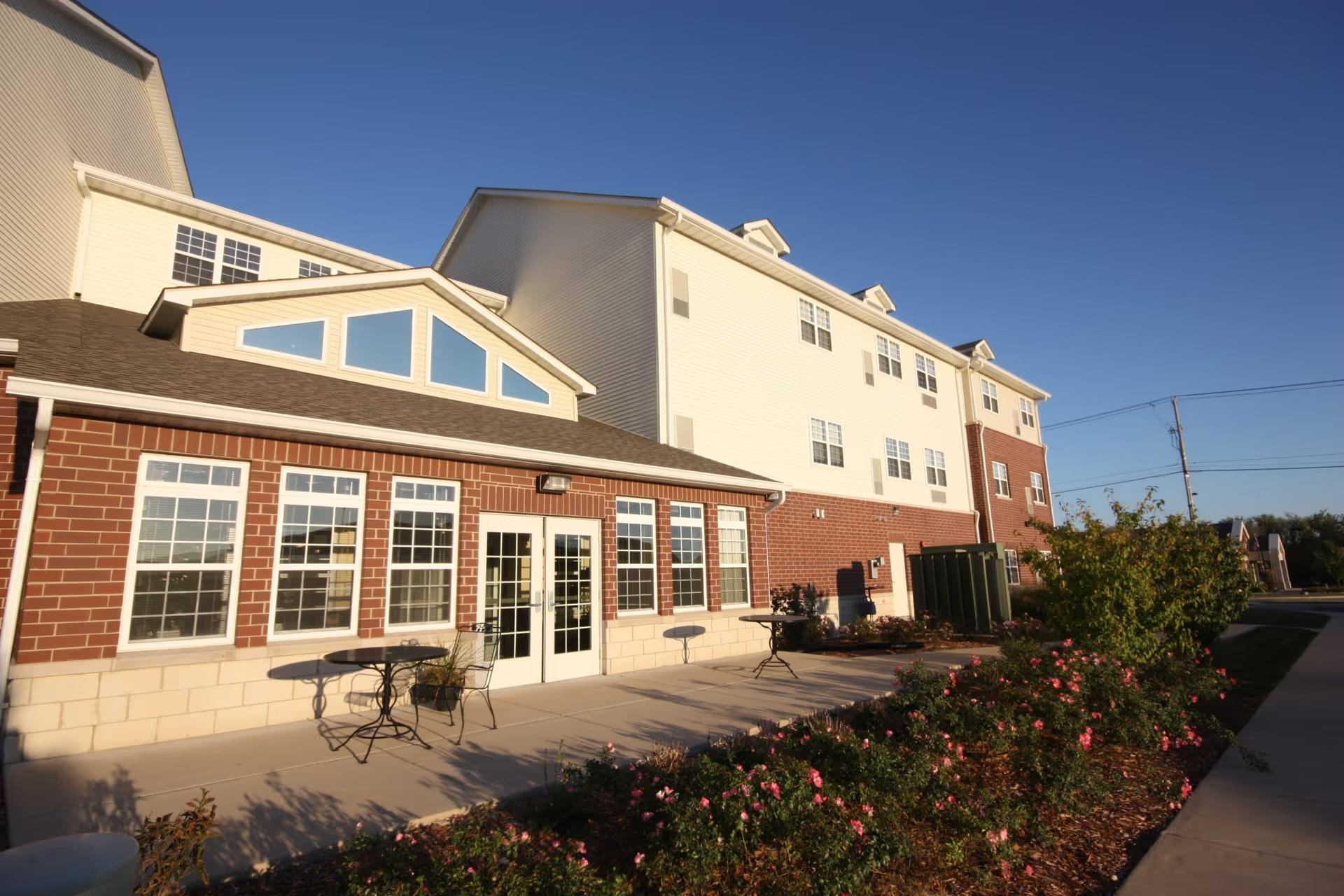
Facilities and environment: The facility is described as older and in need of modernization in places. Strengths include clean common areas, a pleasant atrium/courtyard, and functional dining and activity rooms. Weaknesses include small resident rooms, limited private-bathroom options (shared showers and sign-up systems), dated carpeting and furnishings, temperature-control limitations (inadequate central air or a need for window units), and explicit pest-control and cleanliness concerns in specific areas. These physical-plant issues can affect resident comfort despite strong staff performance.
Management and operations: Jennings Terrace's nonprofit status and affordability are important selling points. Families appreciate hands-on managers and staff who foster a family-like culture. Operationally, reviewers identify confusing billing systems, administrative disorganization at times, and instances of management turnover. A subset of accounts raises serious governance concerns about board transparency and management conduct; these are presented as allegations and suggest an area needing clear documentation and oversight. Together with staffing continuity issues, these operational weaknesses can create friction for families navigating placement or billing.
Who may it suit: The facility appears well suited for budget-conscious families seeking warm, personalized caregiving in a small-to-medium community with on-site therapy and regular social programming. Prospective residents who prioritize strong interpersonal care, available therapies, active programs, and a nonprofit price point are likely to find Jennings Terrace a good fit. Those who require larger private rooms, extensive in-room amenities, modernized accommodations, robust central air conditioning, frequent off-site outings, or clearly defined memory-care programming should evaluate those constraints carefully and discuss them directly with management prior to placement.
Conclusion: Jennings Terrace presents a clear trade-off: consistent, compassionate frontline staff and practical on-site services within an older, less-modern physical plant and a mixed operational record on administrative clarity and clinical staffing consistency. Families should weigh the facility's strong relational care culture and affordability against the facility-level limitations described above and seek specific, up-to-date information on room types, HVAC, memory-care availability, staffing ratios, pest control, and billing practices during tours and contract discussions.