The Whitley of Aurora presents a mixed but coherent profile: many families and residents praise a newly built, attractive facility with a riverfront setting, a clean and bright interior, and a small, family-like community feel. Front‑line staff—nurses, CNAs, and activity staff—are frequently described as compassionate, personable, and attentive. The community offers a broad activities program (daily in-house options, monthly calendars, live entertainers, crafts, outings), on-site salon services, scheduled transportation, and therapy/rehab support. An in-house physician program and regular medication reviews are noted as conveniences that support continuity of care for some residents.
Care quality descriptions vary. Numerous comments highlight dedicated, skilled nursing and supportive end-of-life/hospice coordination, and several accounts describe positive hands-on caregiving and good personal attention. Counterbalancing that are repeated operational concerns: staffing levels and high turnover are commonly cited, with specific gaps in overnight clinical coverage and inconsistent responsiveness to urgent needs. These patterns have translated into uneven experiences—some residents receive reliably attentive care, while others and their families describe delays in clinical response, missed overnight medication administration, or insufficient staffing presence in memory-care units.
Dining and activities are overall strengths for many residents. The meal program provides structured, balanced choices and multiple dining spaces, and activity staff maintain an active calendar with regular events and outings. A number of families praise the food, while others find the cuisine bland or variable in quality—indicating inconsistent culinary execution. The activities program is a clear positive, with frequent mention of engaging options that support socialization and cognitive engagement.
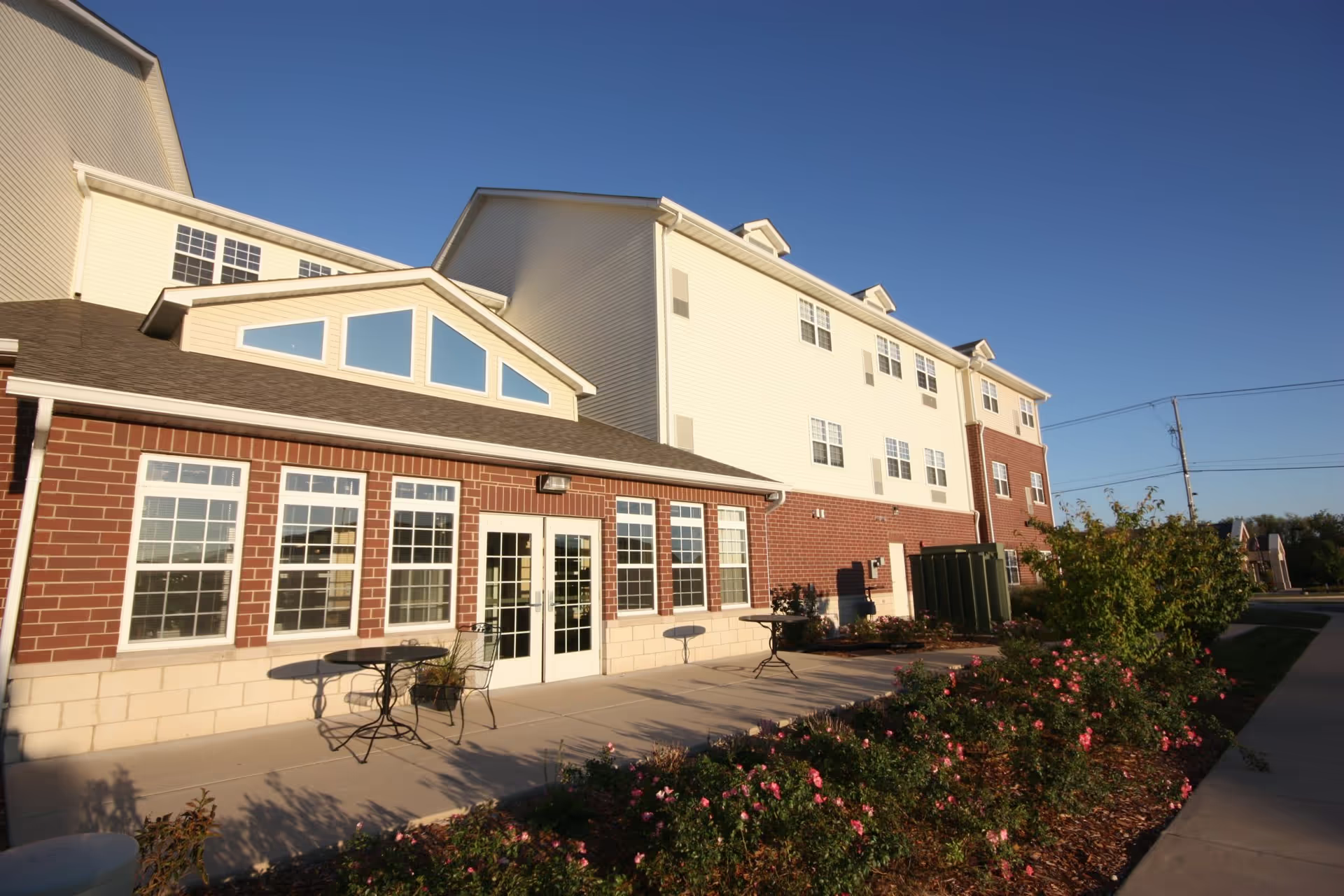
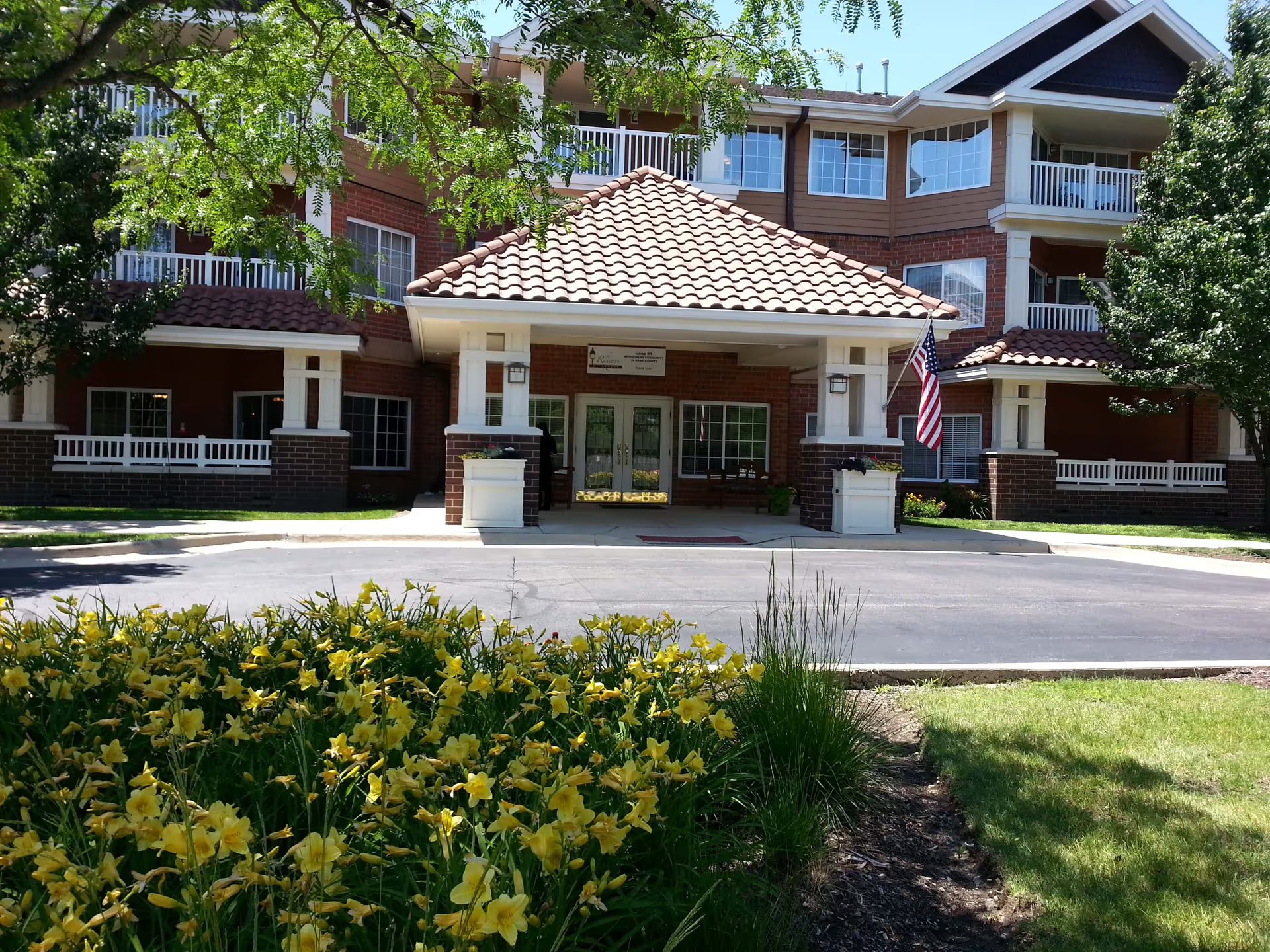
Facility features are regularly praised: new construction, clean and updated apartments, pleasant common areas, and a desirable location. At the same time, reviewers raised operational security and privacy concerns linked to access-control and memory-care unit procedures. Comments suggest vulnerabilities around doors, gates, and internal room access that merit administrative attention and remediation to ensure resident safety and privacy.
Management and communication emerge as a key dividing line. Some families commend responsive directors and staff who follow up and provide peace of mind. Other narratives describe management transitions, reduced staffing after ownership changes, inconsistent family communication (including during clinical incidents), and billing or refund follow-through problems. There are also serious individual allegations—including concerns about belongings and billing—that families and prospective residents should investigate further during tours and contract review.
Overall, The Whitley of Aurora appears to offer many of the amenities, activities, and personal-care strengths that families look for in a newer assisted living/memory-care community, but it also exhibits recurring operational challenges. Prospective residents and their families should verify current staffing levels and overnight clinical coverage, review security and memory-care access protocols, ask for recent staffing and incident data, and confirm administrative and billing processes during the decision-making process.