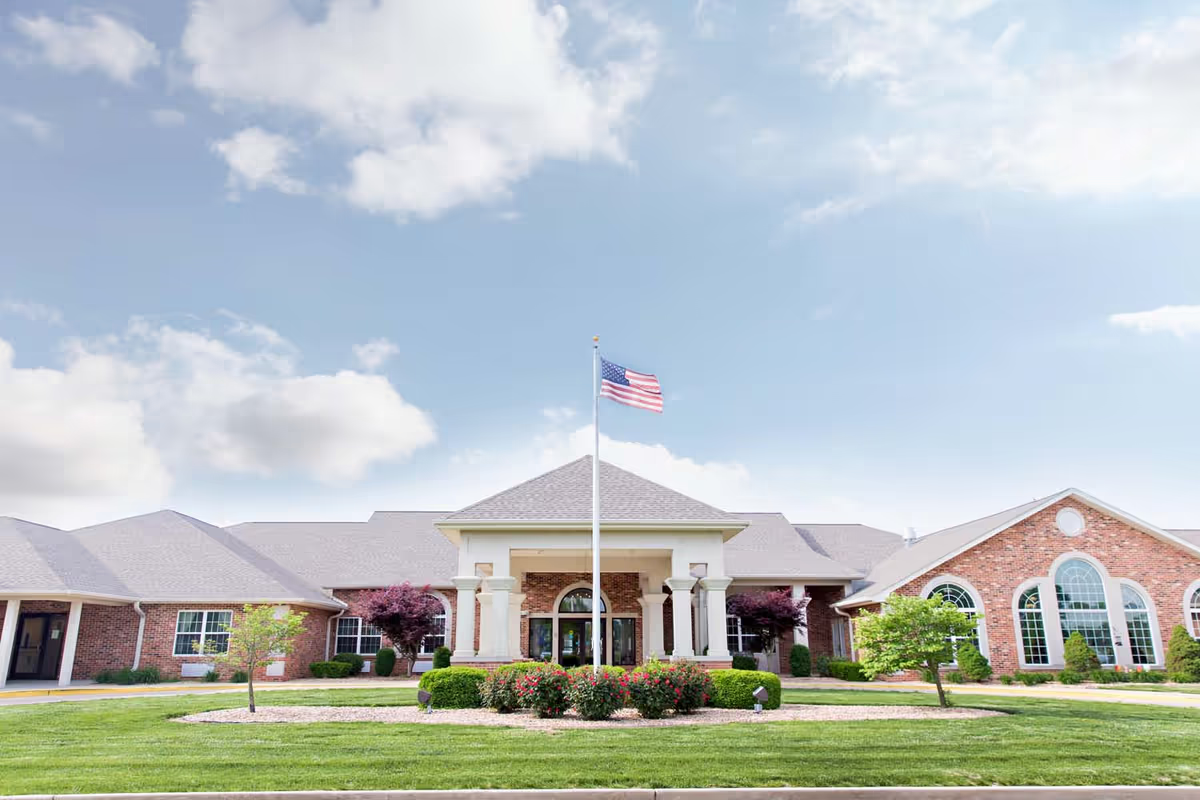
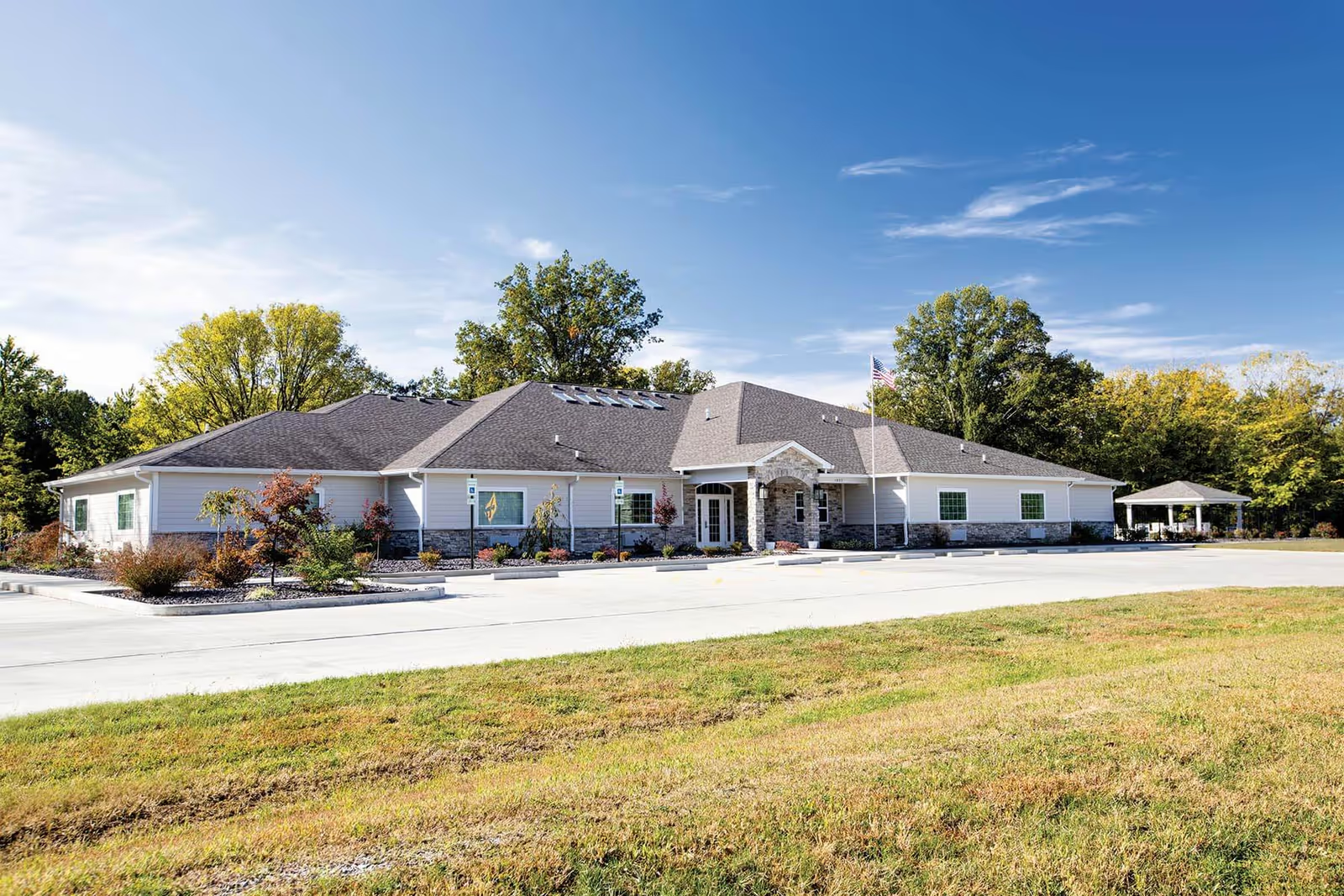
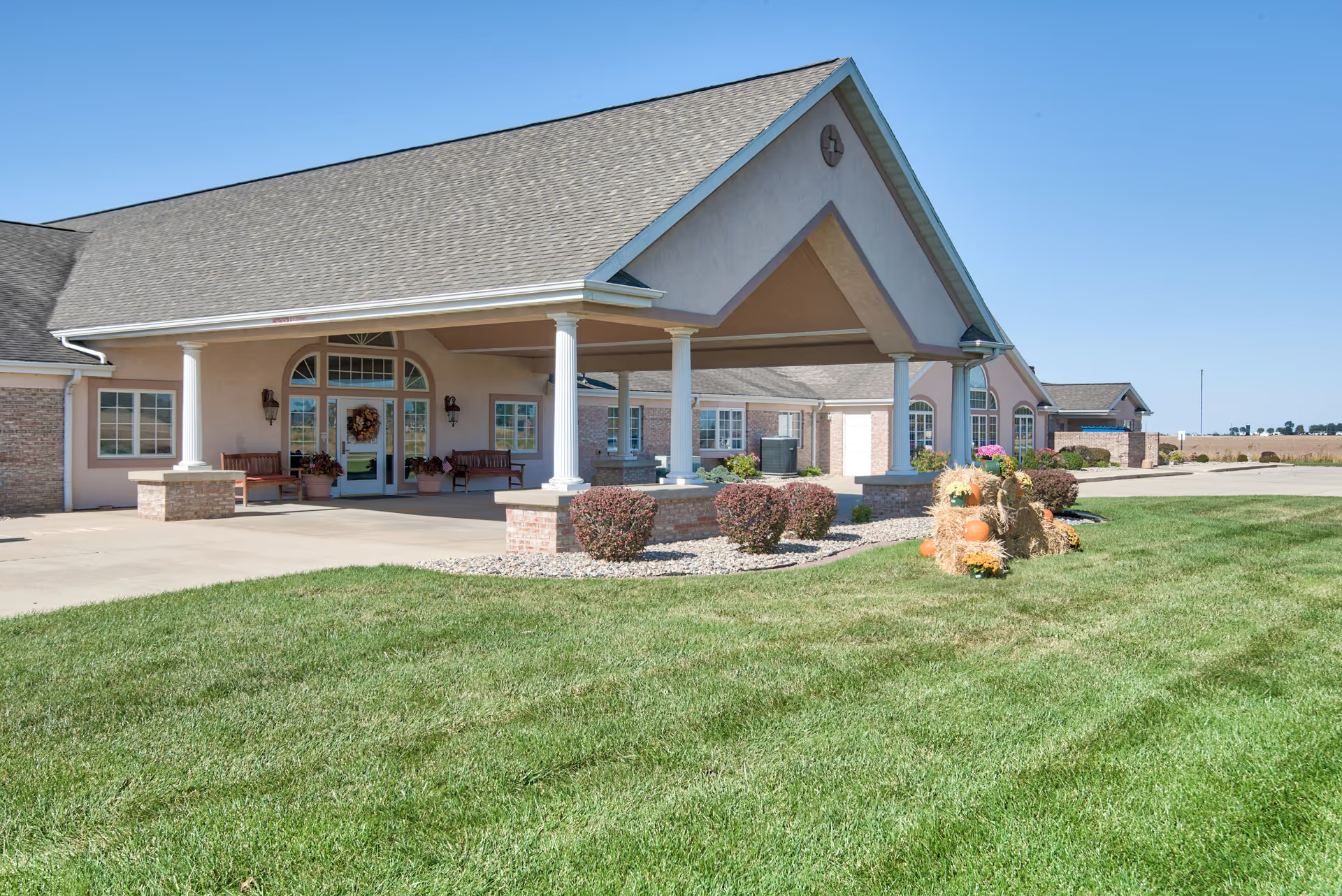
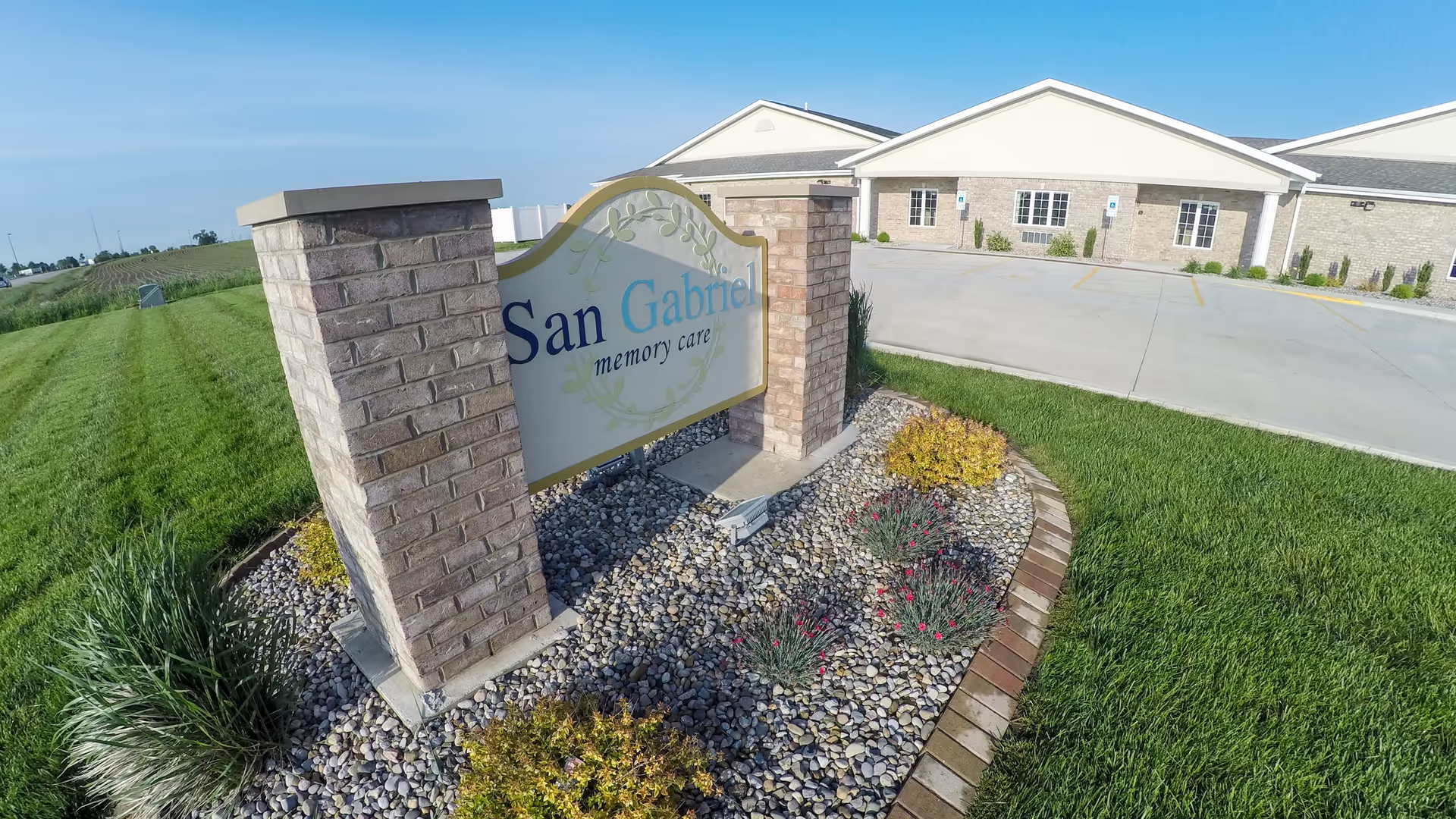
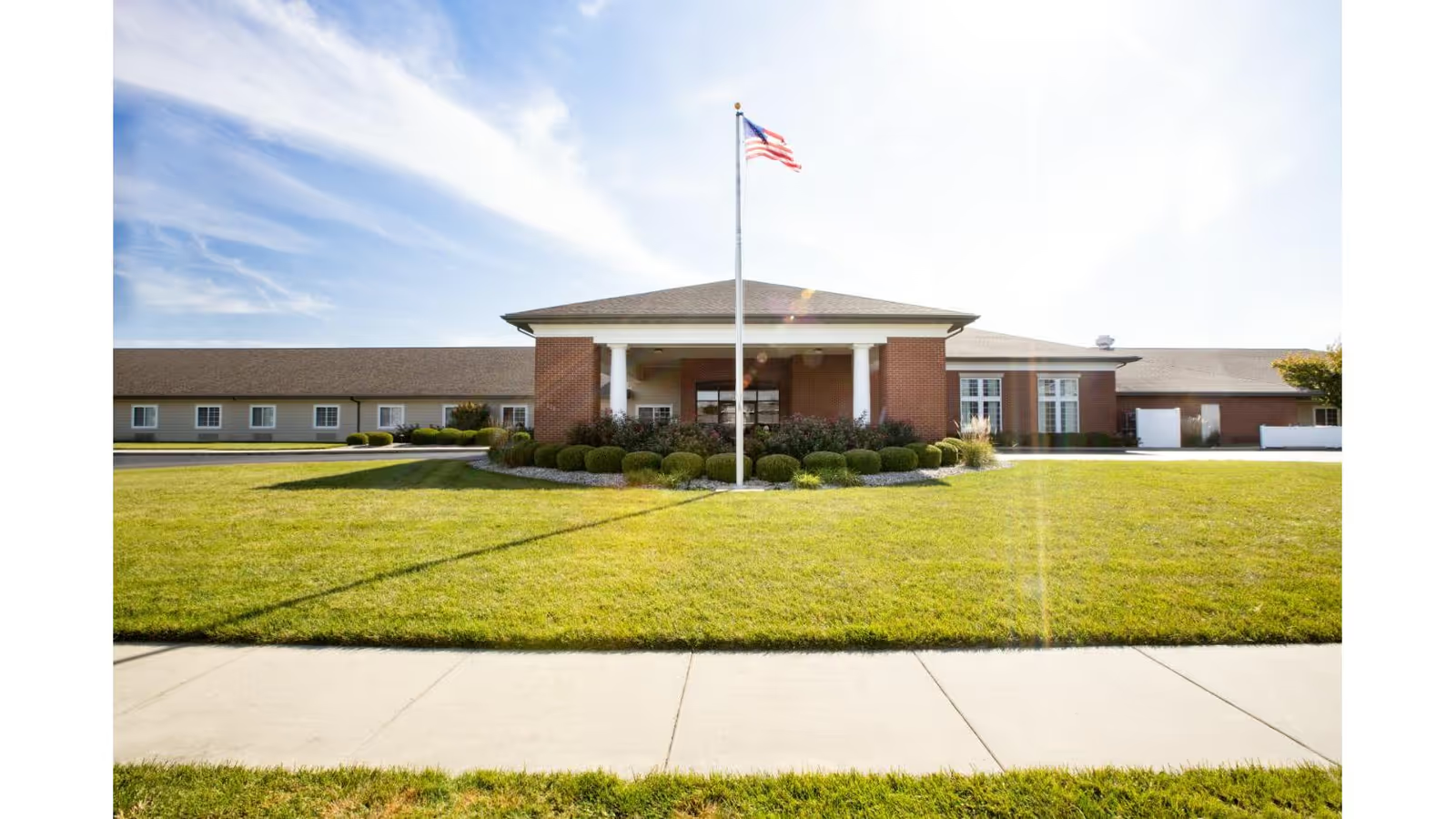
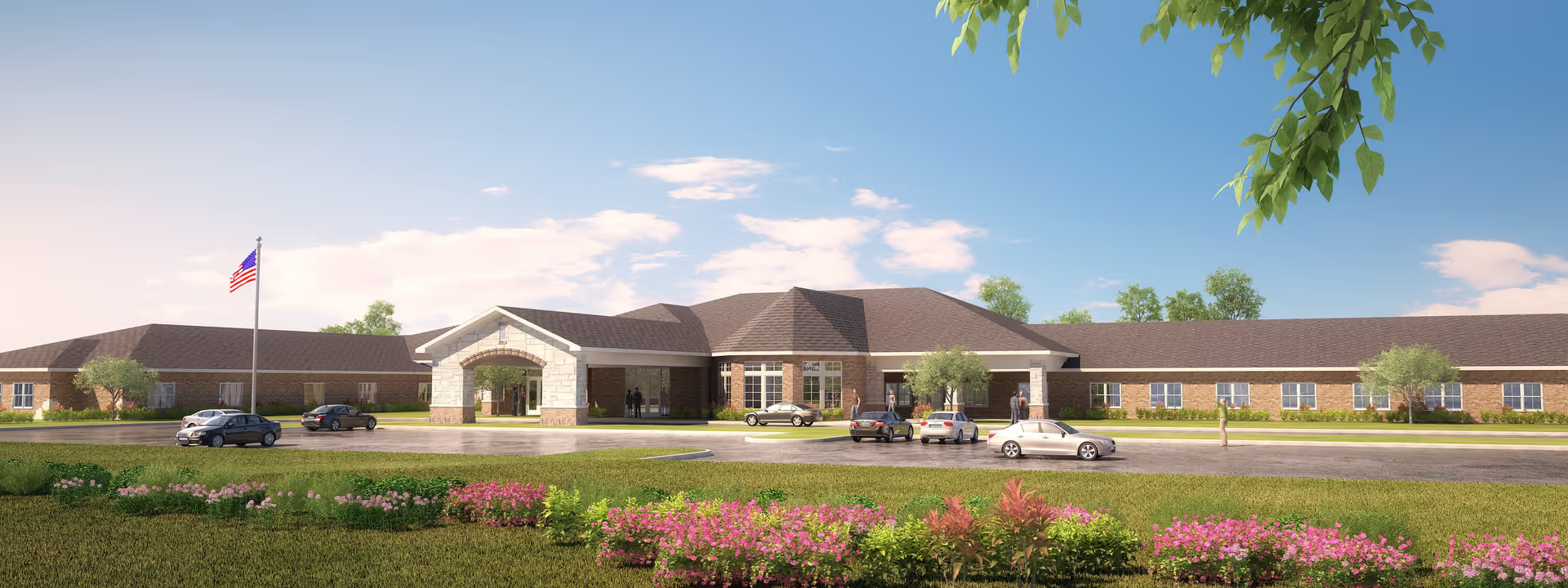
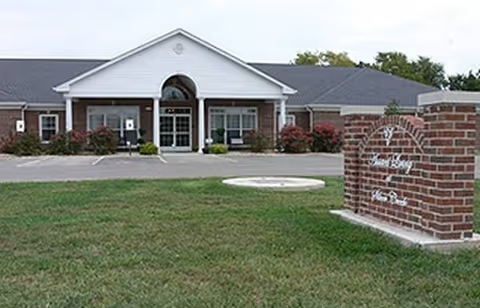
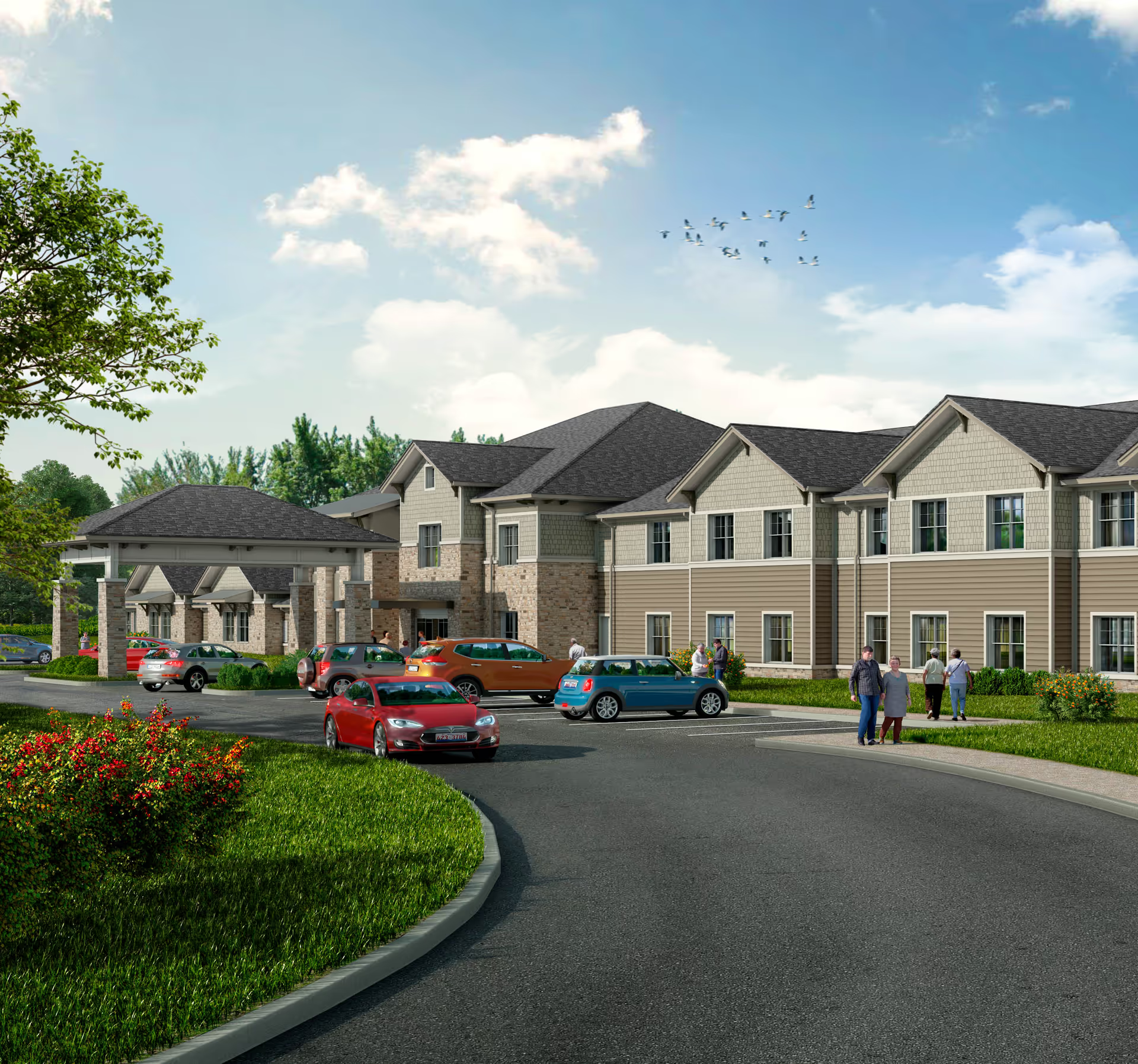
Reviewers describe Aviston Countryside Manor as a facility that produces strongly positive experiences for many families while also generating serious operational concerns for others. The most consistent positives concern the interpersonal side of care: staff are frequently described as compassionate, attentive, and family‑oriented, with CNAs, nurses, and rehabilitation therapists credited for supportive day‑to‑day care and notable short‑term recovery progress. Several families highlighted rapid mobility gains under therapy, persistent staff attention, and helpful transportation services that support appointments and transitions.
Care quality is characterized by a mix of strengths and inconsistencies. Praise centers on loving, respectful interactions and solid clinical oversight, with multiple accounts of nurses and aides providing effective hands‑on assistance. At the same time, some reviewers expressed concerns about staff responsiveness and conduct, and there are indications that staffing strain can lead to delays or uneven attention. These patterns suggest generally strong clinical capability that may be vulnerable to variations in staffing or workflow on particular shifts.
Dining and activities are described largely positively. The dining room environment and meal quality receive favorable comments, and activity programming — including a noted activity director — contributes to a friendly, social atmosphere. Residents and families frequently mention an amiable community and positive peer interactions among residents.
Facility condition reports are mixed. Several reviewers describe the facility as very clean and well maintained, while others raised sanitation and odor concerns in some common areas and noted variability in housekeeping practices. There are specific operational complaints about needing areas cleaned before family access, which points to inconsistent environmental services rather than uniform failure. Prospective families should inquire about current cleaning protocols and environmental monitoring.
Management and administration are generally perceived as engaged; management is described as well run and accommodating in many accounts. However, inconsistent family‑access procedures and communication gaps were also reported, suggesting the need for clearer visitation and notification policies. The aggregate pattern indicates that leadership is present, but operational consistency (staffing, environmental services, family communication) can fluctuate.
Overall, Aviston Countryside Manor appears to offer a compassionate care culture with effective rehabilitation services and pleasant dining and activity options. Notable patterns to clarify during a tour or intake conversation include current staffing levels, routines for housekeeping and odor control, and the facility’s visitor‑access and family communication procedures. These follow‑up questions can help families confirm whether the facility’s evident strengths align reliably with their expectations for daily care and environment.