Care quality and staff Overall, reviewers overwhelmingly emphasize strong direct care from dementia-trained caregivers and nursing staff. Families frequently describe compassionate, hands-on attention, personalized interaction, and staff who build familiar relationships with residents. Nursing leadership and on-site clinical resources are cited as strengths that support medical oversight. At the same time, an important pattern emerges: while many families praise individual caregivers and the nursing team, recurring turnover and occasional lapses in continuity of caregivers undermine consistency of care for some residents.
Dining and daily living The dining program is widely described as home-style, with fresh meals, frequent snacks, and a pleasant dining atmosphere. Many families appreciate variety and homemade items. However, there are intermittent operational problems reported around meal-service continuity (for example, missed or delayed meal delivery), and reviewers cited examples that point to uneven execution during certain shifts.
Activities and social engagement The community places strong emphasis on cognitive and social programming tailored to memory-care needs. Reviews highlight frequent recreational and therapeutic activities, music, outings, and structured engagement that families perceive as improving quality of life. Activity spaces, courtyards, and dedicated rooms support a varied schedule and social interaction.
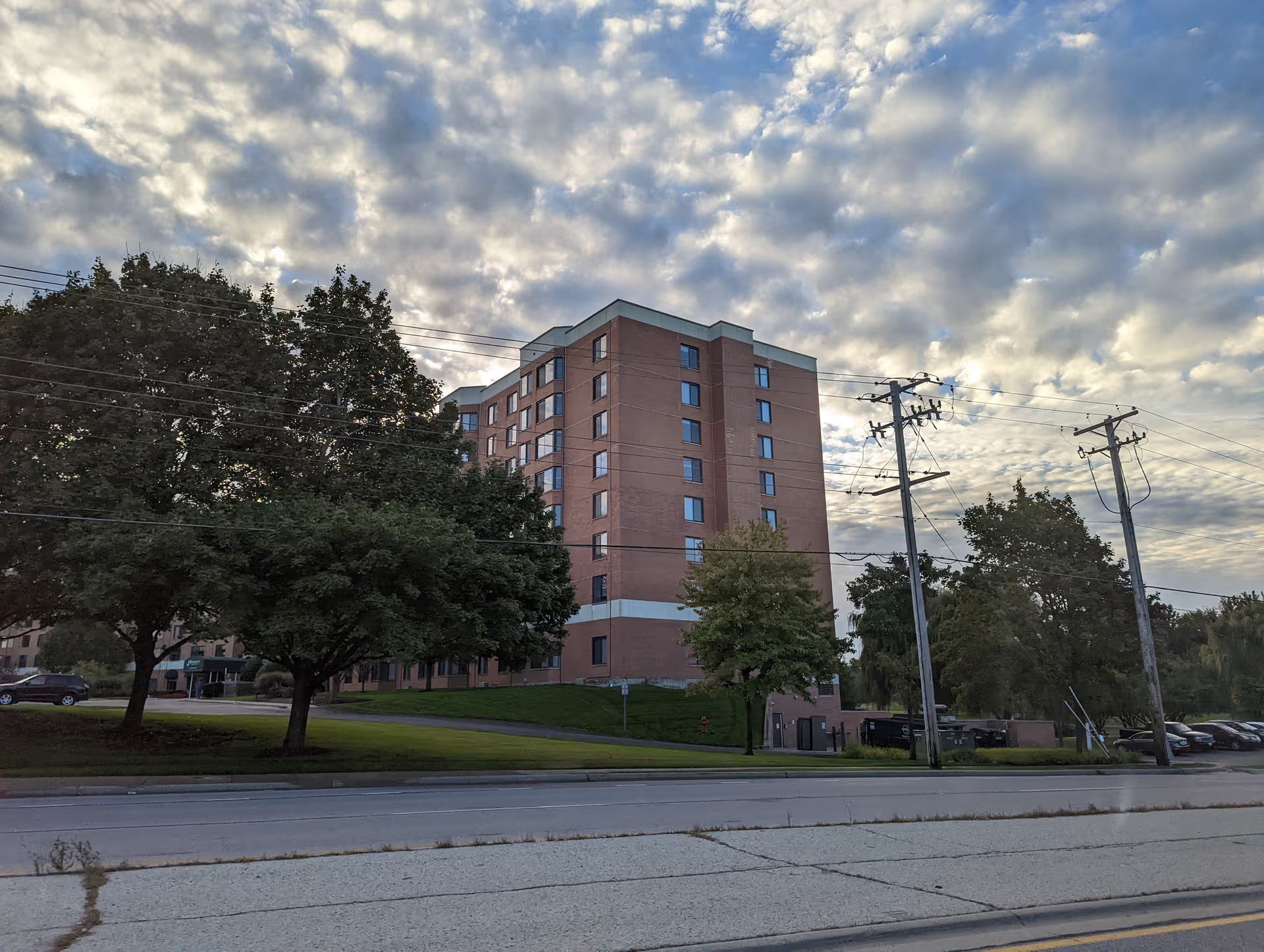
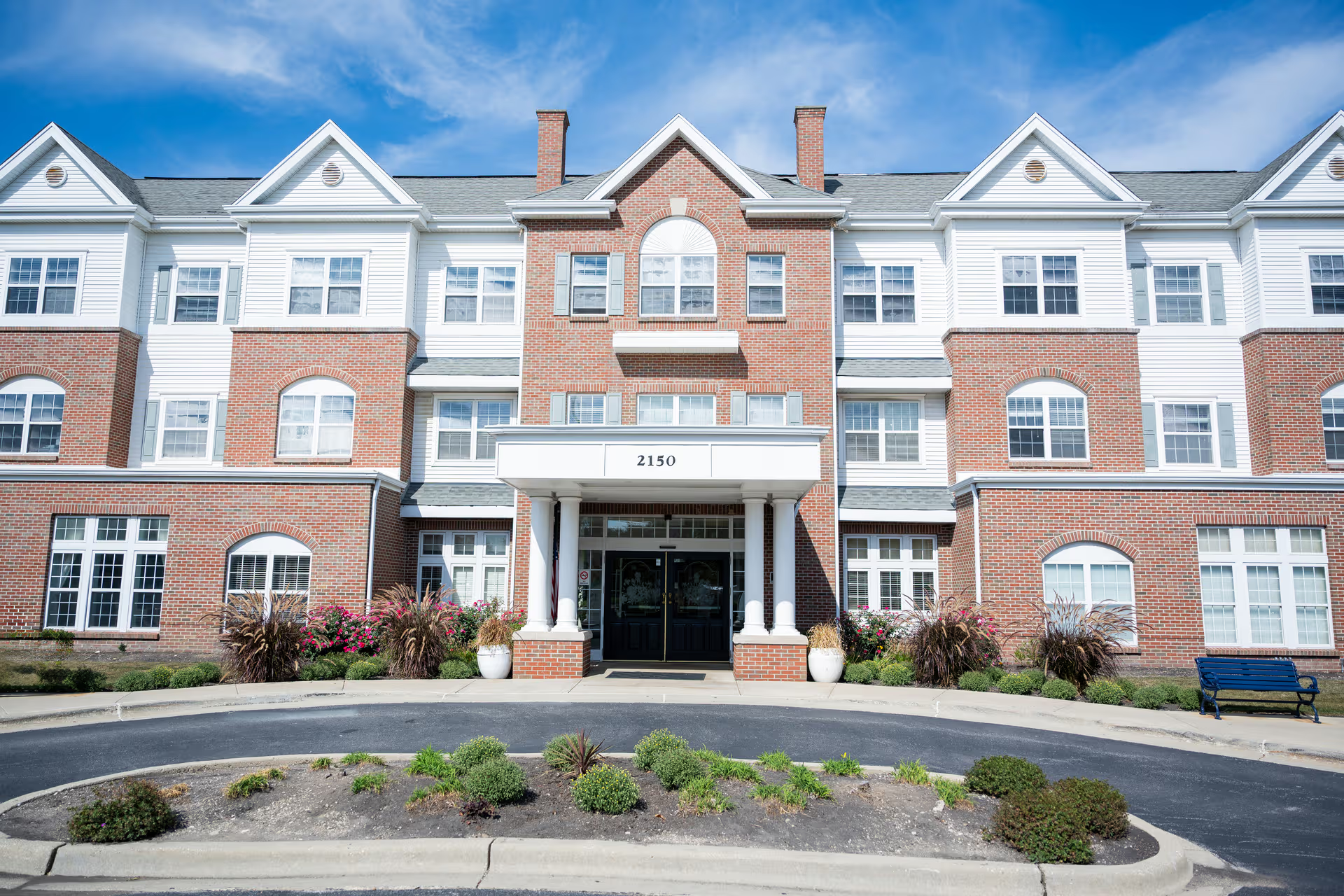
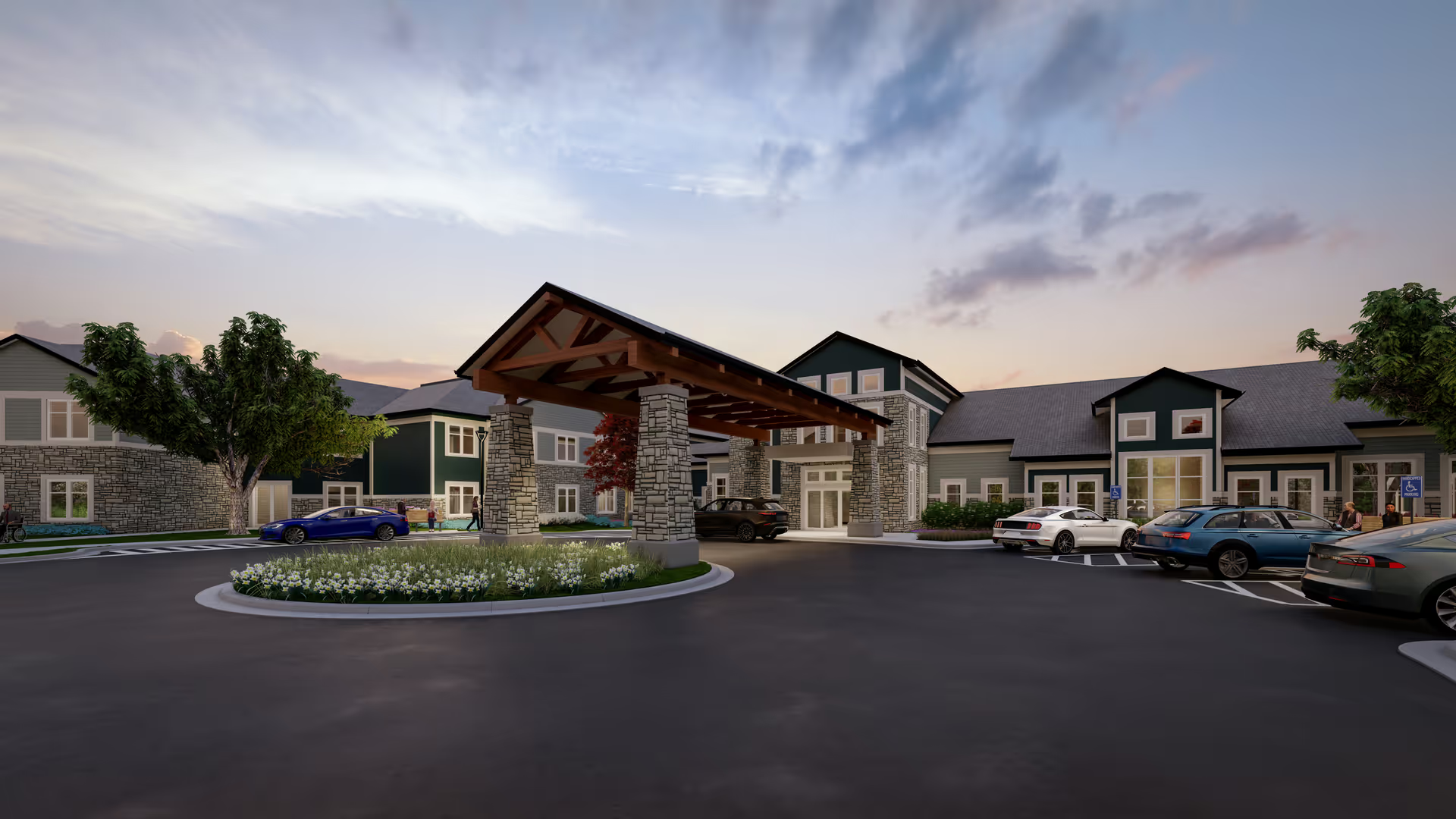
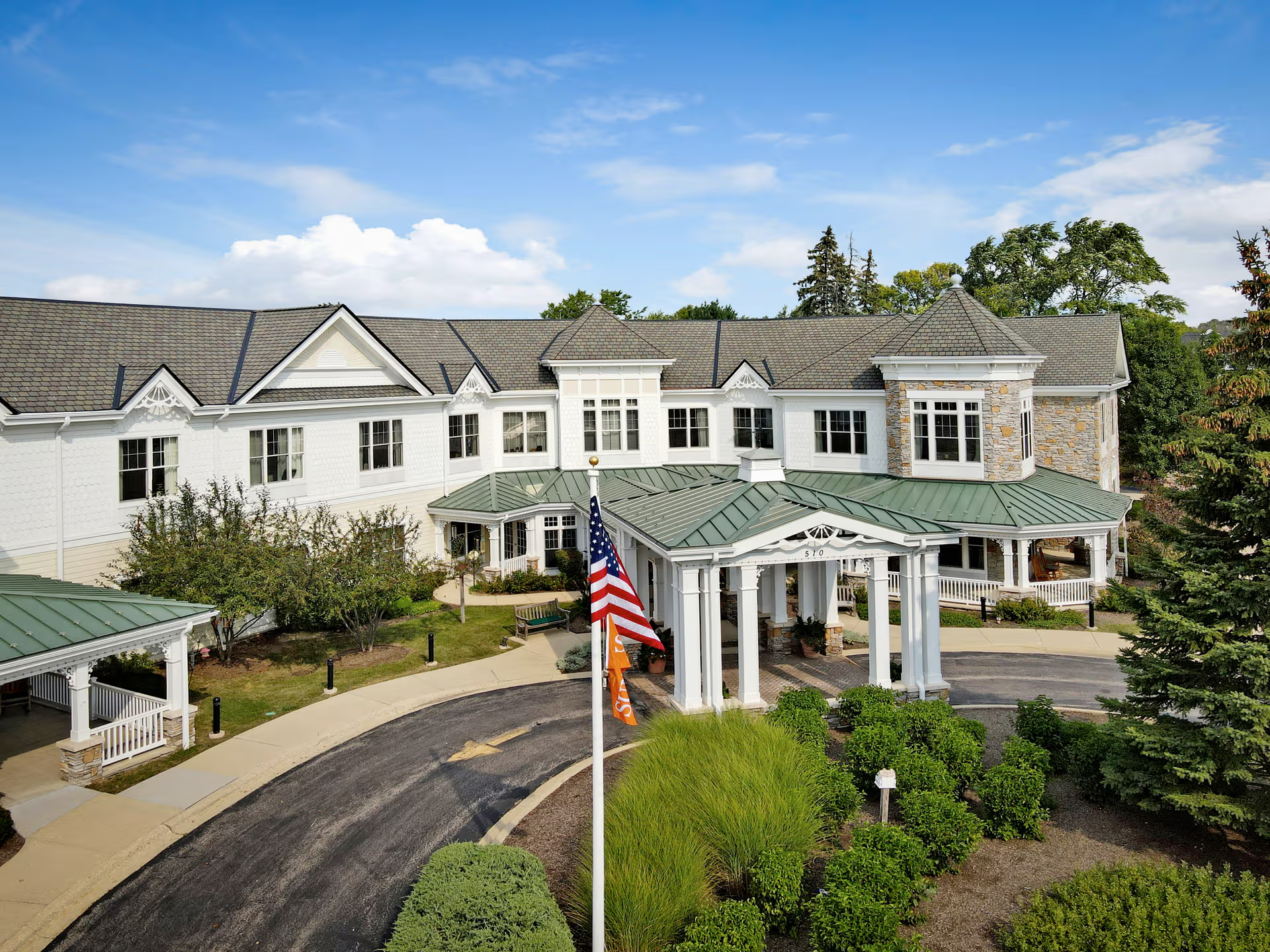
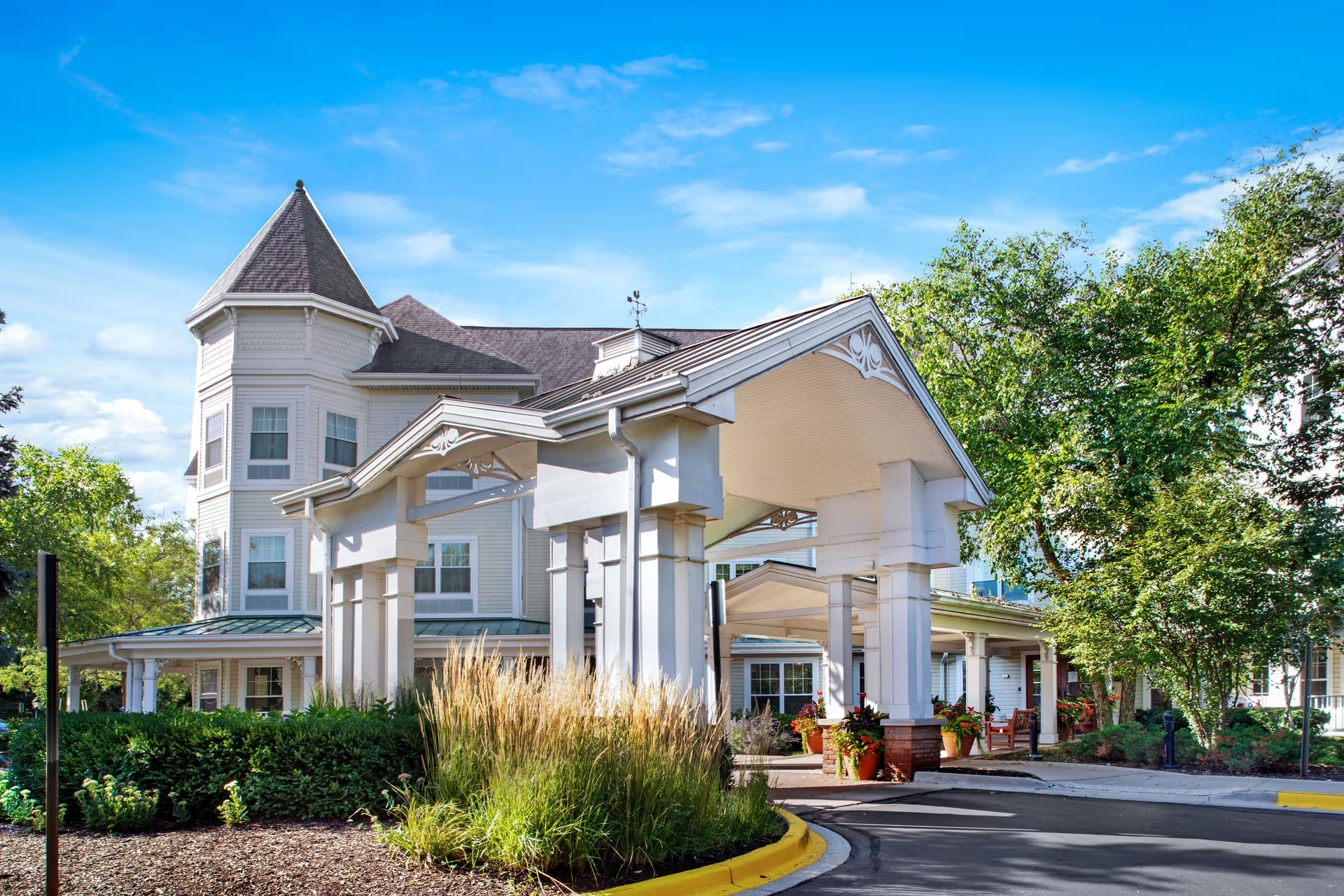
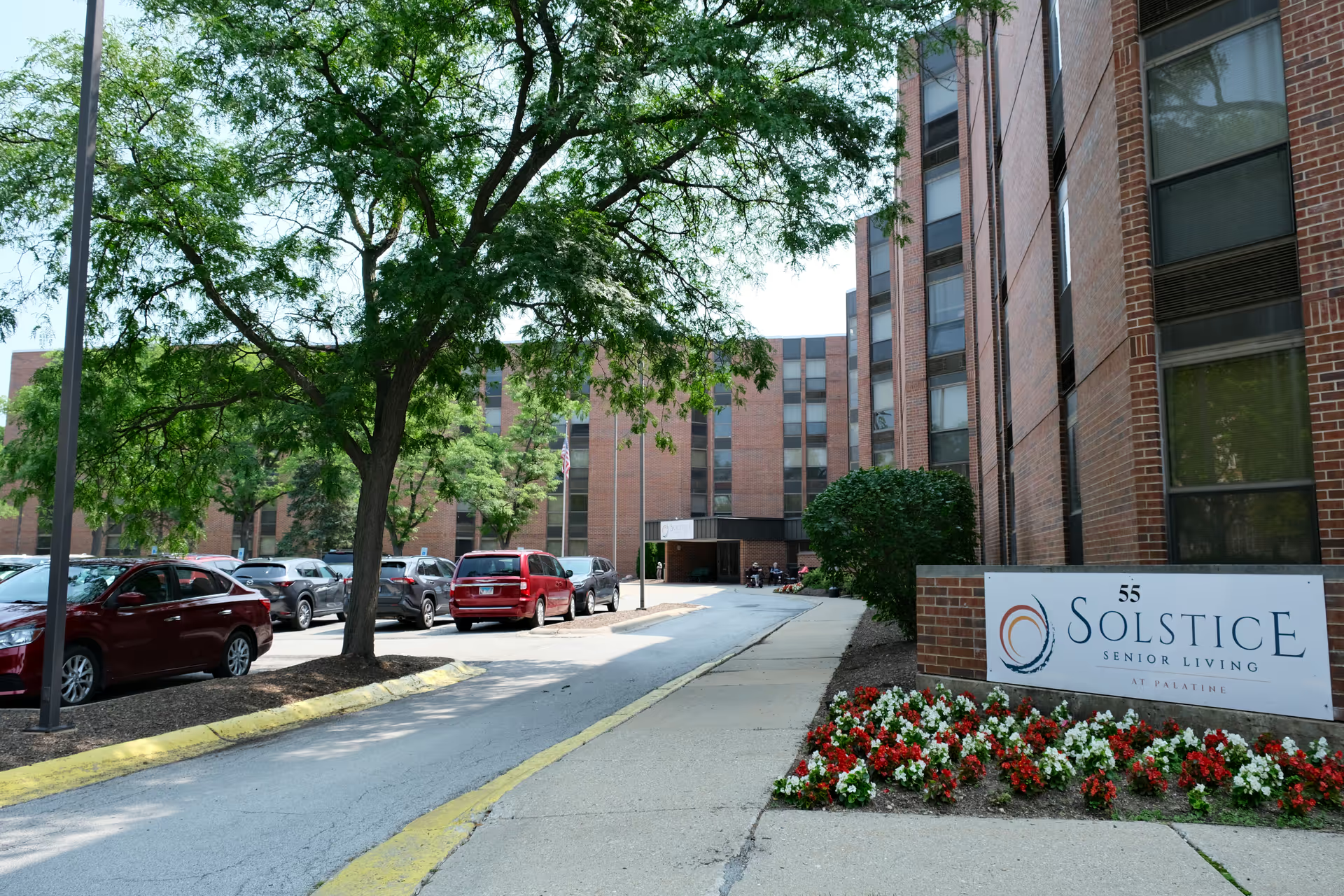
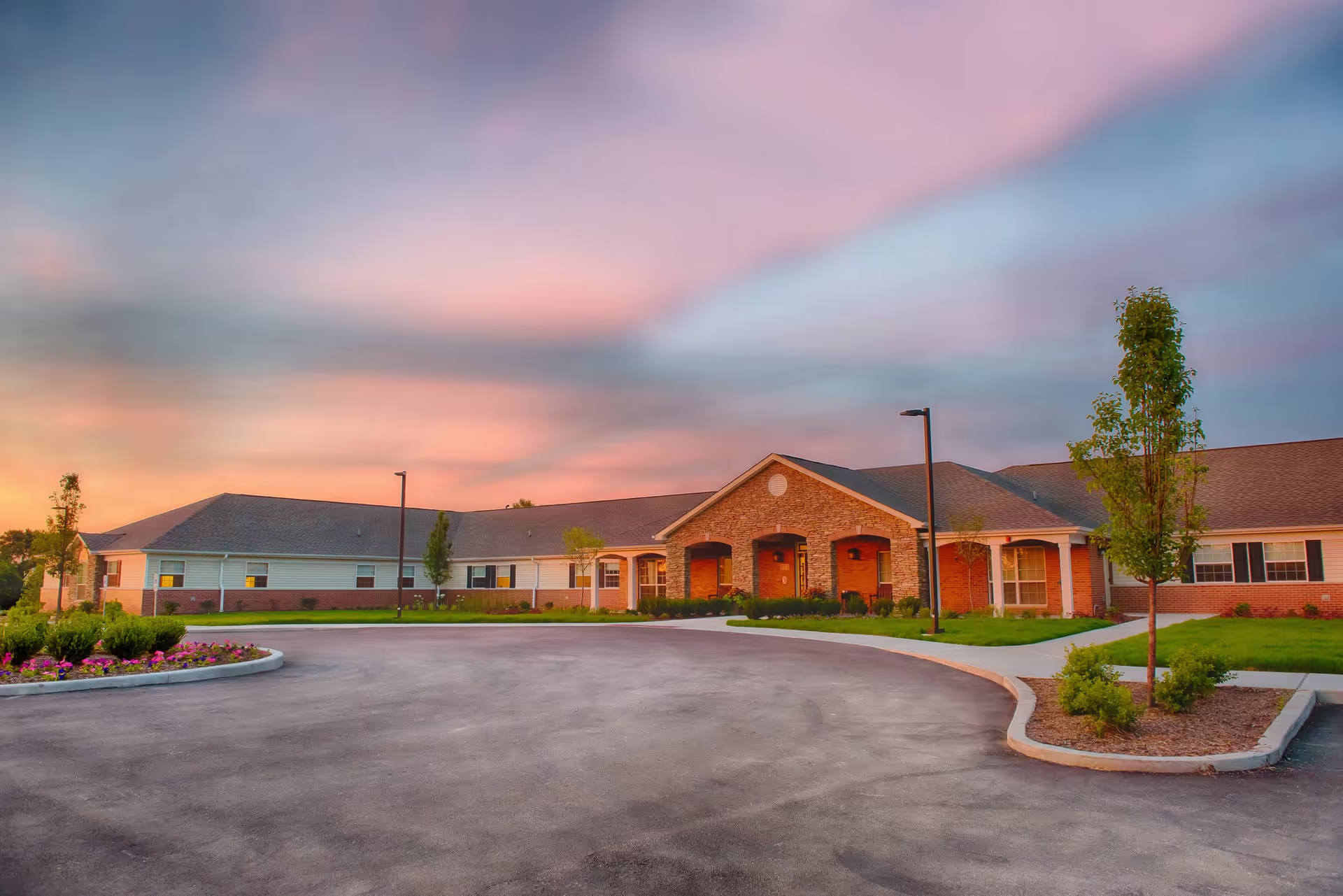
Facilities and amenities Physical plant comments are uniformly positive: the building is new, bright, well decorated and described as clean and home-like. Rooms tend to be spacious and furnished, and there are convenient on-site amenities such as a salon, therapy areas, and outdoor courtyards. Safety features appropriate to memory care and a secure design are noted as part of the facility’s strengths.
Management, communication, and operations Reviews present a mixed view of management. Many families praise accessible leadership, proactive family communication, and the availability of directors and nursing leadership. Conversely, other families report variability in management responsiveness and operational support. Specific operational weaknesses inferred from reviewer experience include inconsistent staffing levels (notably mornings and overnight), gaps in medication administration and clinical follow-up, and process shortcomings in resident identification and shift handovers. Additional operational concerns include personal-item and laundry handling, inconsistent bathing/personal-care scheduling, and perceptions of rigid billing or move-out policy enforcement (including nonrefundable fees and limited flexibility around transitions).
Notable patterns and recommendations for prospective families The dominant pattern is a facility that offers strong dementia-focused programming, supportive clinical resources, and a clean, engaging environment, with many reviewers expressing high satisfaction and recommending the community. Counterbalancing that are repeated operational issues tied to staffing stability and certain care processes that can affect daily consistency for residents. Prospective families would be well served to discuss staffing continuity (particularly mornings and overnight), medication-administration and handover protocols, handling of personal items and laundry, meal-service reliability, and billing/move-out terms during tours and admissions conversations. Those areas represent the primary themes that emerge from the reviewer set and are appropriate topics to clarify before placement.