Overall impression: Reviews describe a facility with many strong day-to-day strengths — warm, relationship-focused caregiving, well-regarded memory-care programming, and a community atmosphere that several families found home-like and hotel-quality. Dining and food service are frequently highlighted as strengths (a knowledgeable chef, varied menus, and accommodations for dietary needs). Activities are often engaging and include outings, celebrations, and dementia-focused programming that families credited with improving resident engagement.
Care and staff: Care staff and nursing aides receive consistent praise for compassion, attentiveness, and hands-on support. Several families cited positive bonds between staff and residents, dependable assistance with daily tasks, and effective end-of-life/hospice coordination. That said, reviewers also described variability in staffing coverage and responsiveness; some accounts noted delays in nursing availability, near-miss medication events, and concerns about medication-delivery accuracy. These comments point to strengths at the frontline caregiving level alongside operational inconsistencies in clinical oversight and medication-management processes.
Dining and activities: Dining is a commonly noted positive — multiple reviewers praised menu variety, professional kitchen staff, and the ability to accommodate special diets. Activities programming is broad and includes group exercise, entertainment, outings, and memory-specific offerings; many families credited programming with supporting mobility and social engagement. Conversely, a subset of reviewers found the activity mix limited or under-resourced in certain units, and a few noted added costs for some programs that affect overall value.
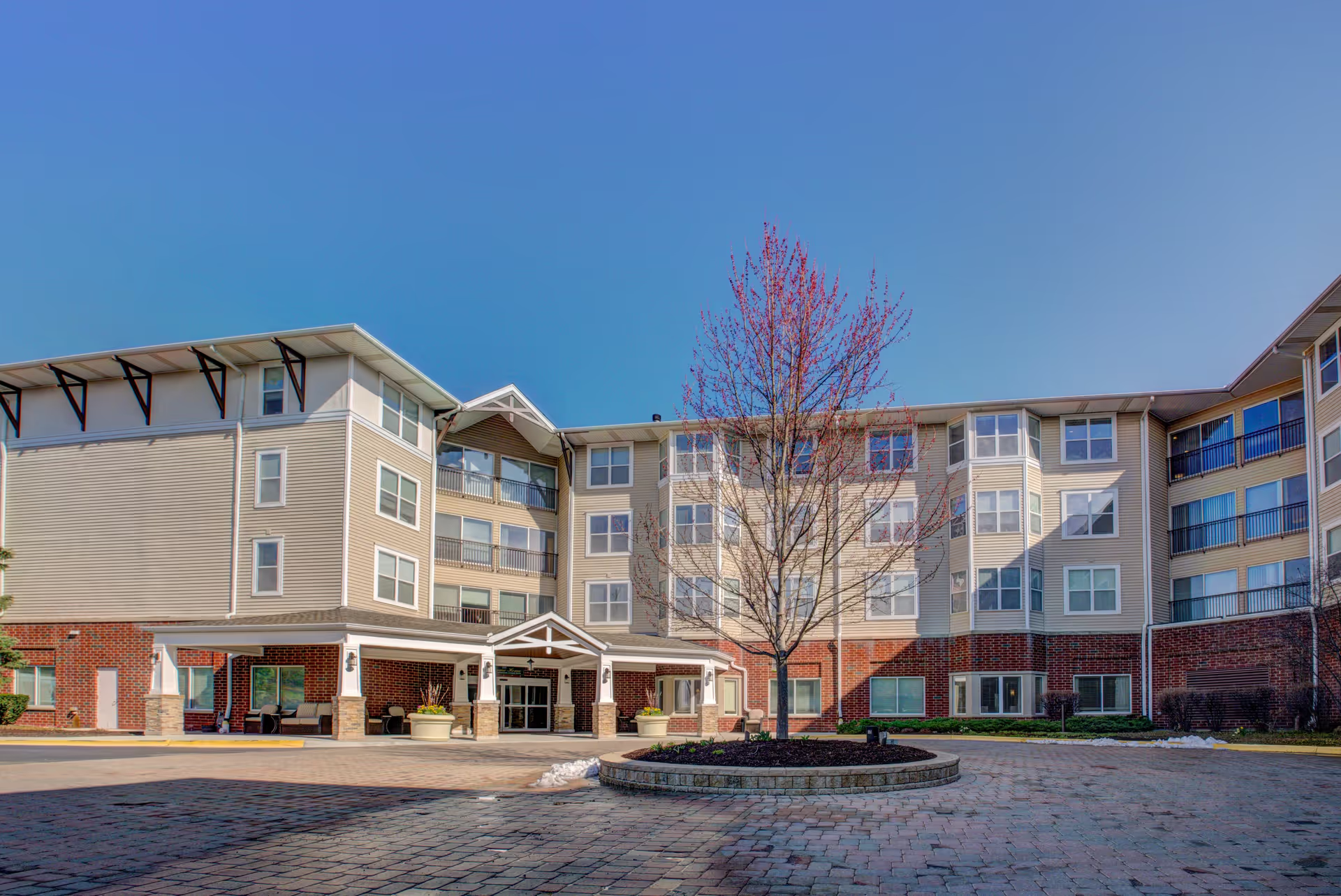
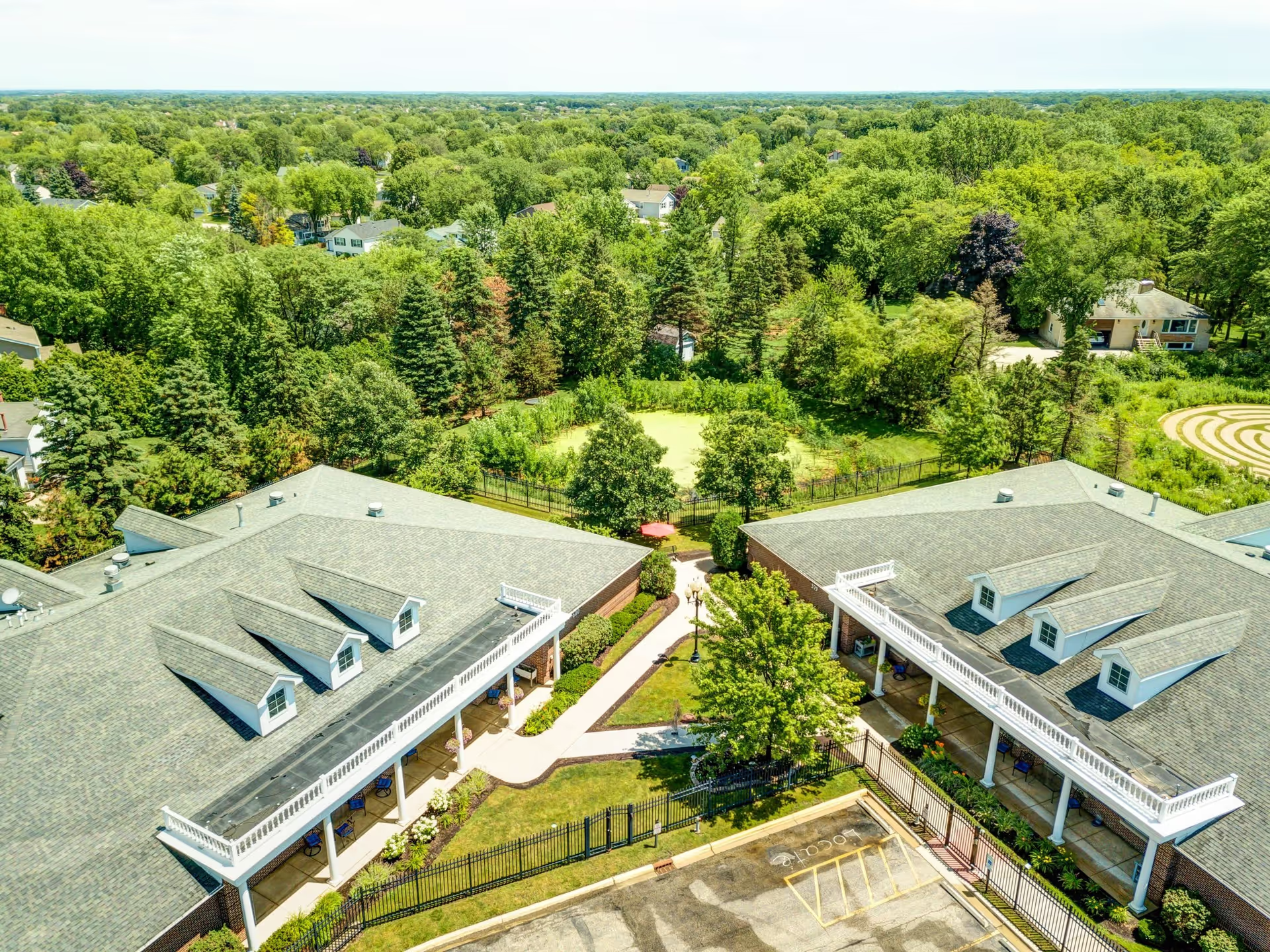
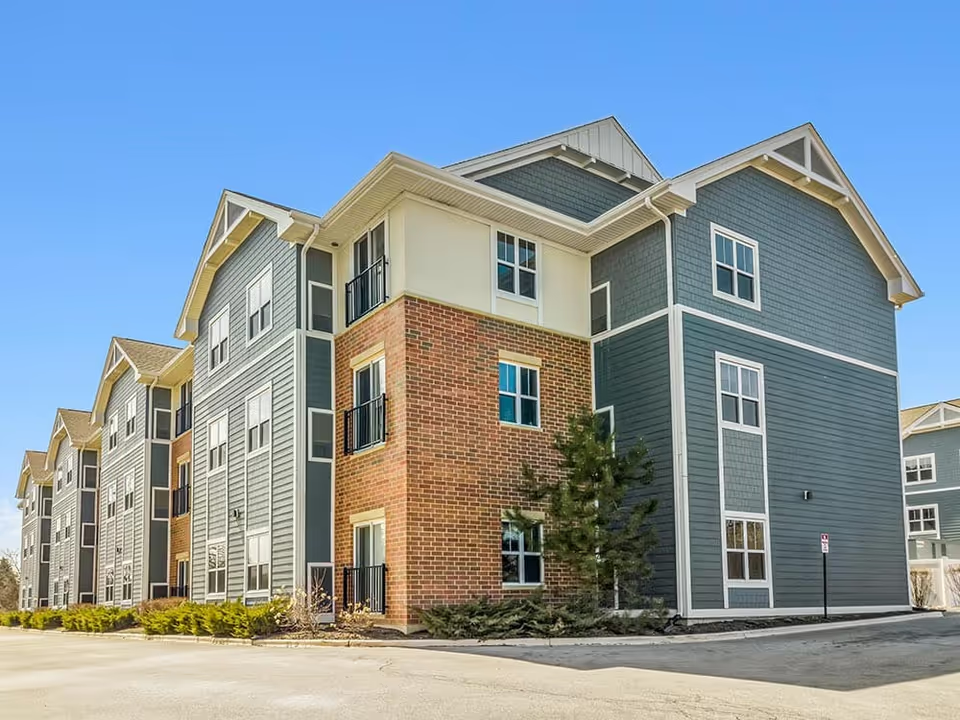
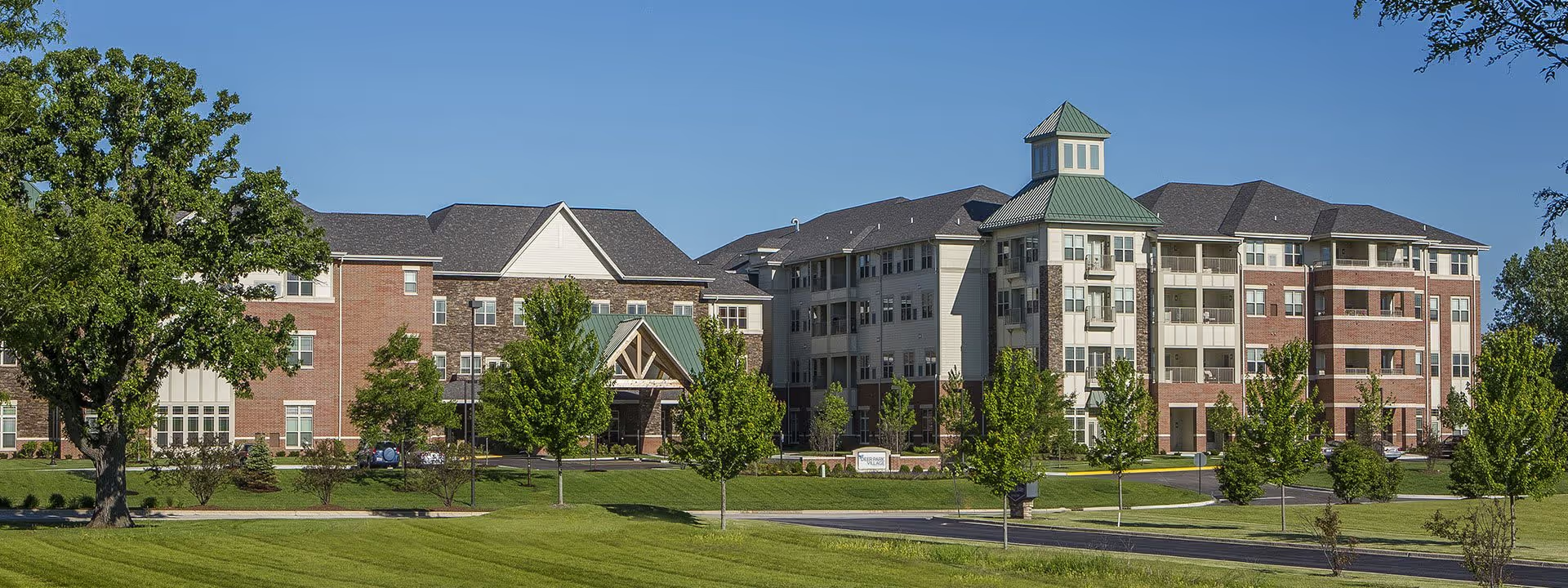
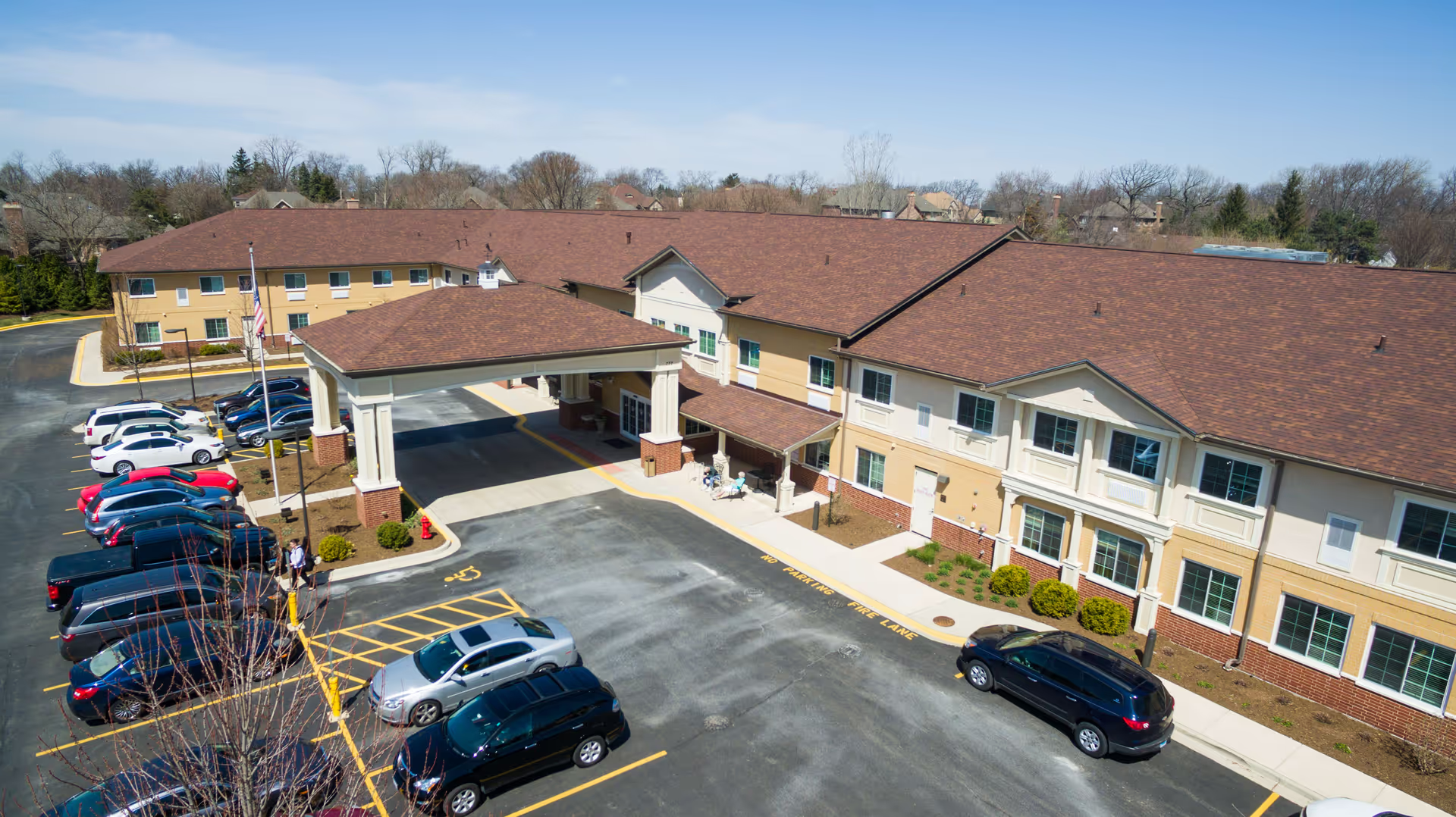
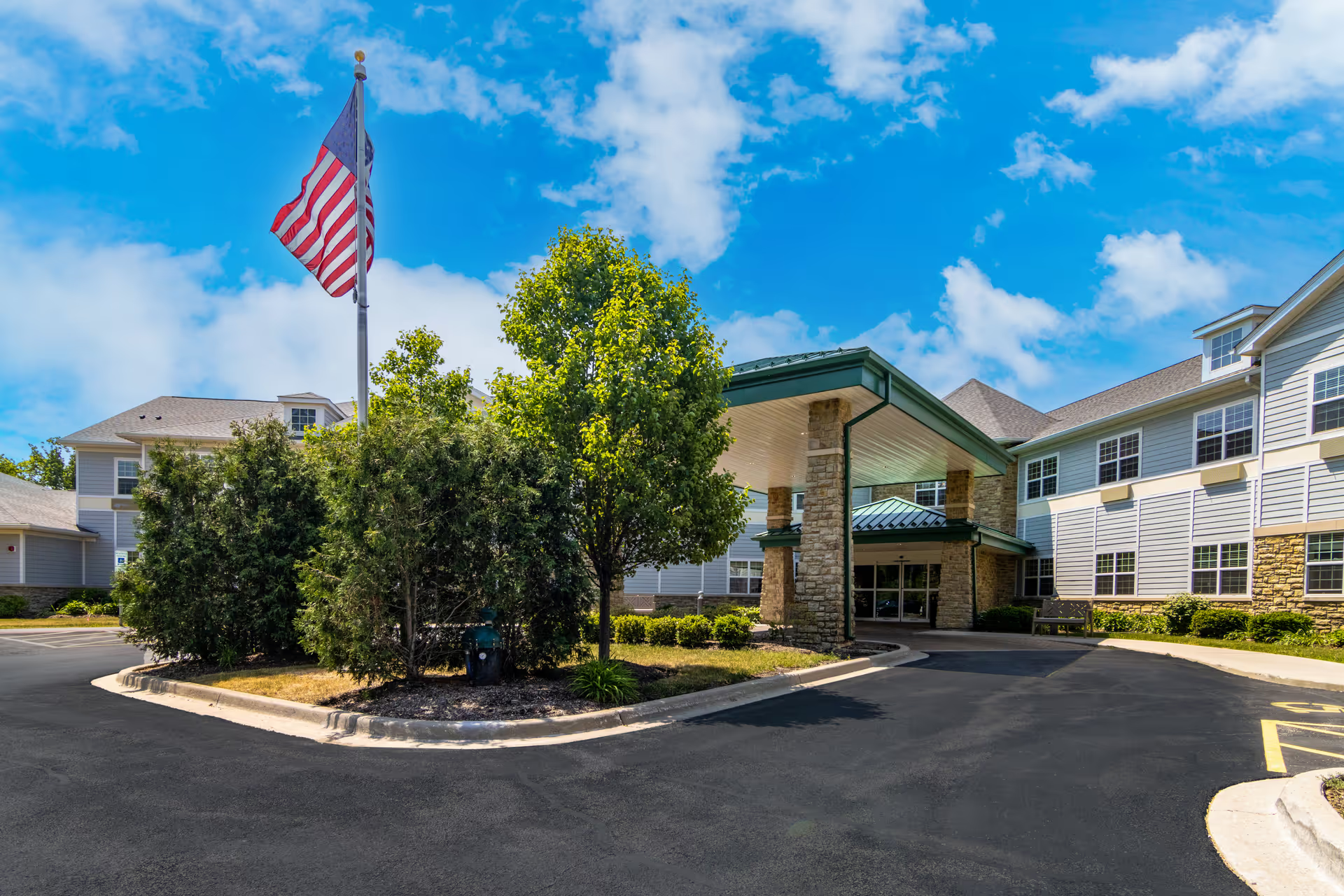
Facilities and operations: The physical environment is frequently described as clean, bright, and well-appointed, with accessible bathrooms and pleasant common areas. The community scale is often seen as beneficial — many families appreciated the intimate setting and security. However, some reviews raise operational concerns: intermittent sanitation and supply-management issues in particular areas, occasional odor and clutter observations, and small room sizes in some units. Maintenance responsiveness is generally praised but was contested in a few accounts that described supply shortages or unresolved repairs.
Management, administration, and policies: A recurring theme is uneven experience tied to management and ownership changes. Several reviewers praised specific administrative staff for responsiveness and support during move-in, while others reported disengaged executive leadership, delays in insurance/billing paperwork, and problems with reimbursement processing. Notable operational gaps cited include an absence of a formal visitor check-in/check-out process and inconsistent family communication from administration. Cost is another clear pattern — the community is perceived as relatively expensive, and some families cited recent price increases as a concern for long-term affordability.
Notable patterns and guidance for prospective families: The reviews suggest a polarized pattern — many families experience high-quality, personalized care and strong social programming, while a smaller set of accounts describe serious operational shortcomings (staffing variability, medication-administration weaknesses, administrative delays, and infection-control lapses). Prospective residents and families should prioritize in-person assessments that probe staffing ratios (including night and memory-care coverage), medication-safety protocols, infection-prevention policies and staff-sick-screening procedures, documentation and billing timelines, and the visitor check-in process. Asking for recent inspection records, examples of staffing contingency plans, and introductions to clinical leaders can help clarify whether the facility’s operational practices align with the positive frontline culture many reviewers describe.