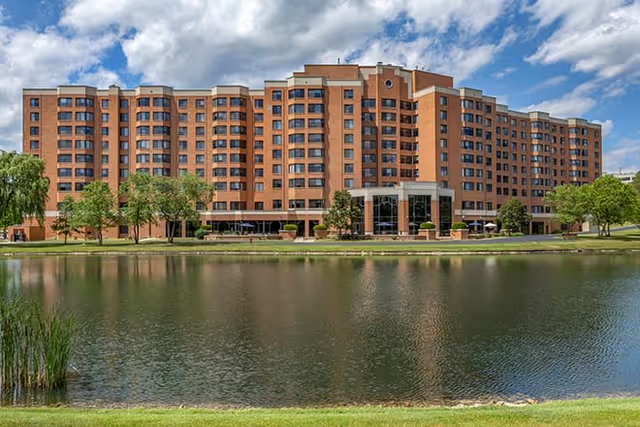
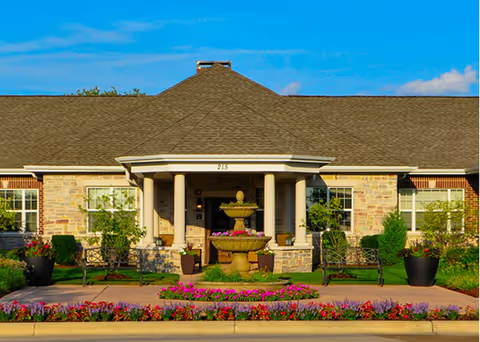
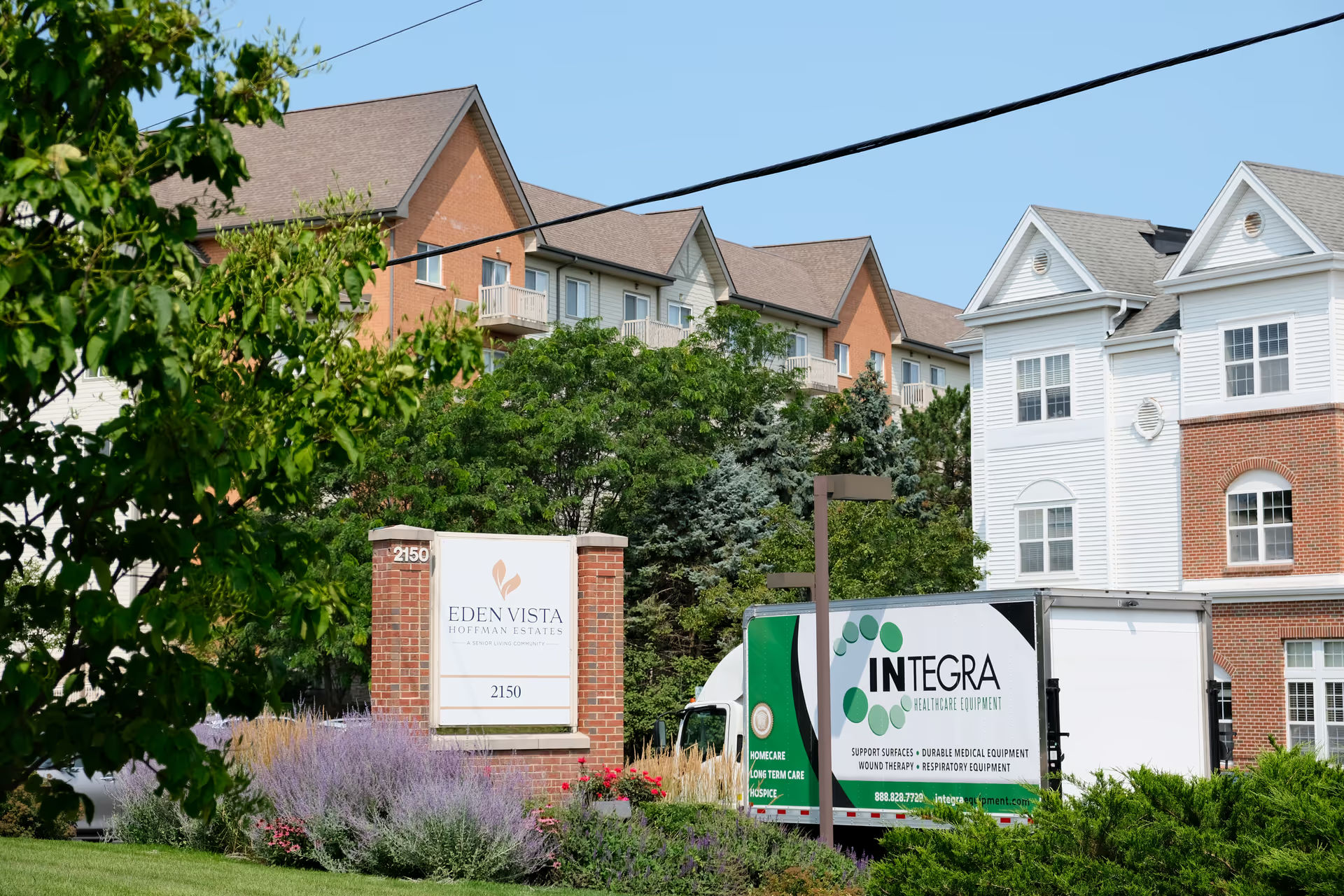
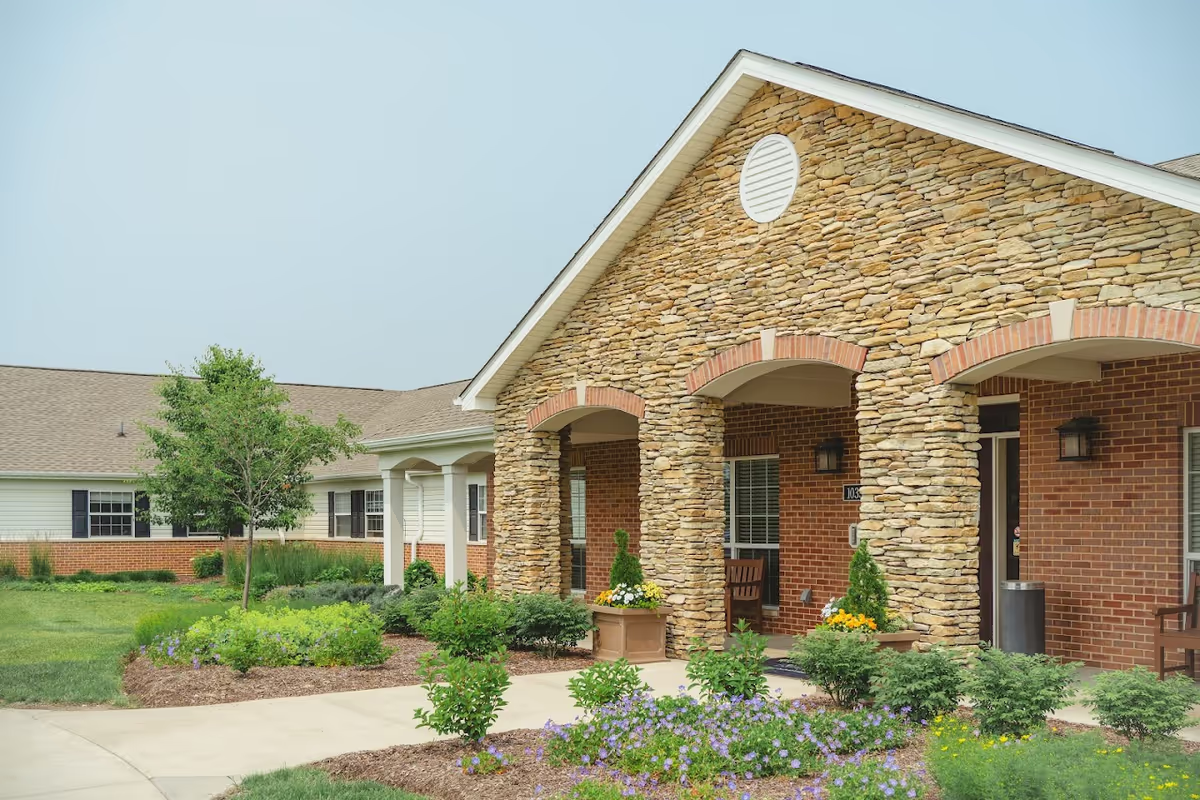
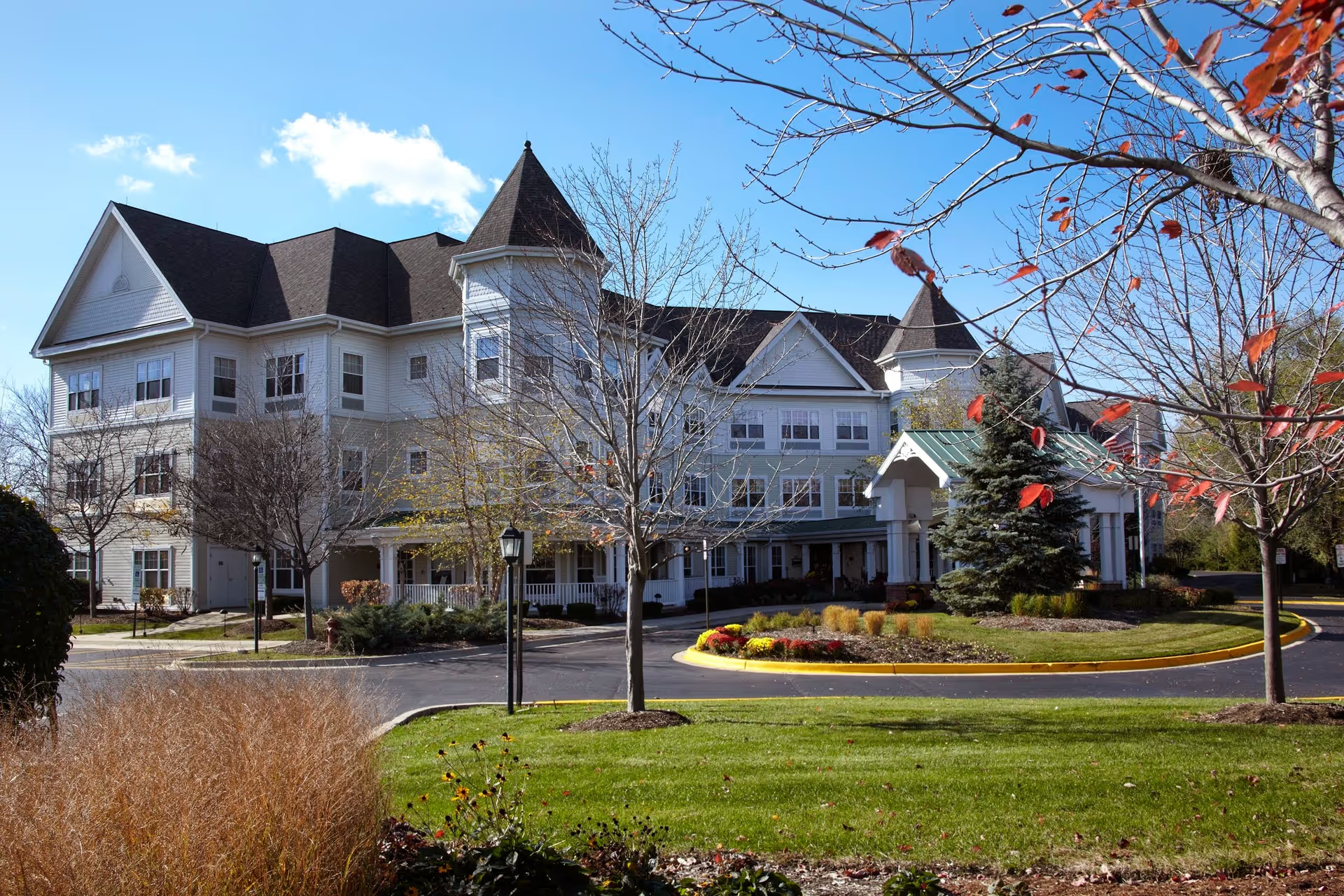
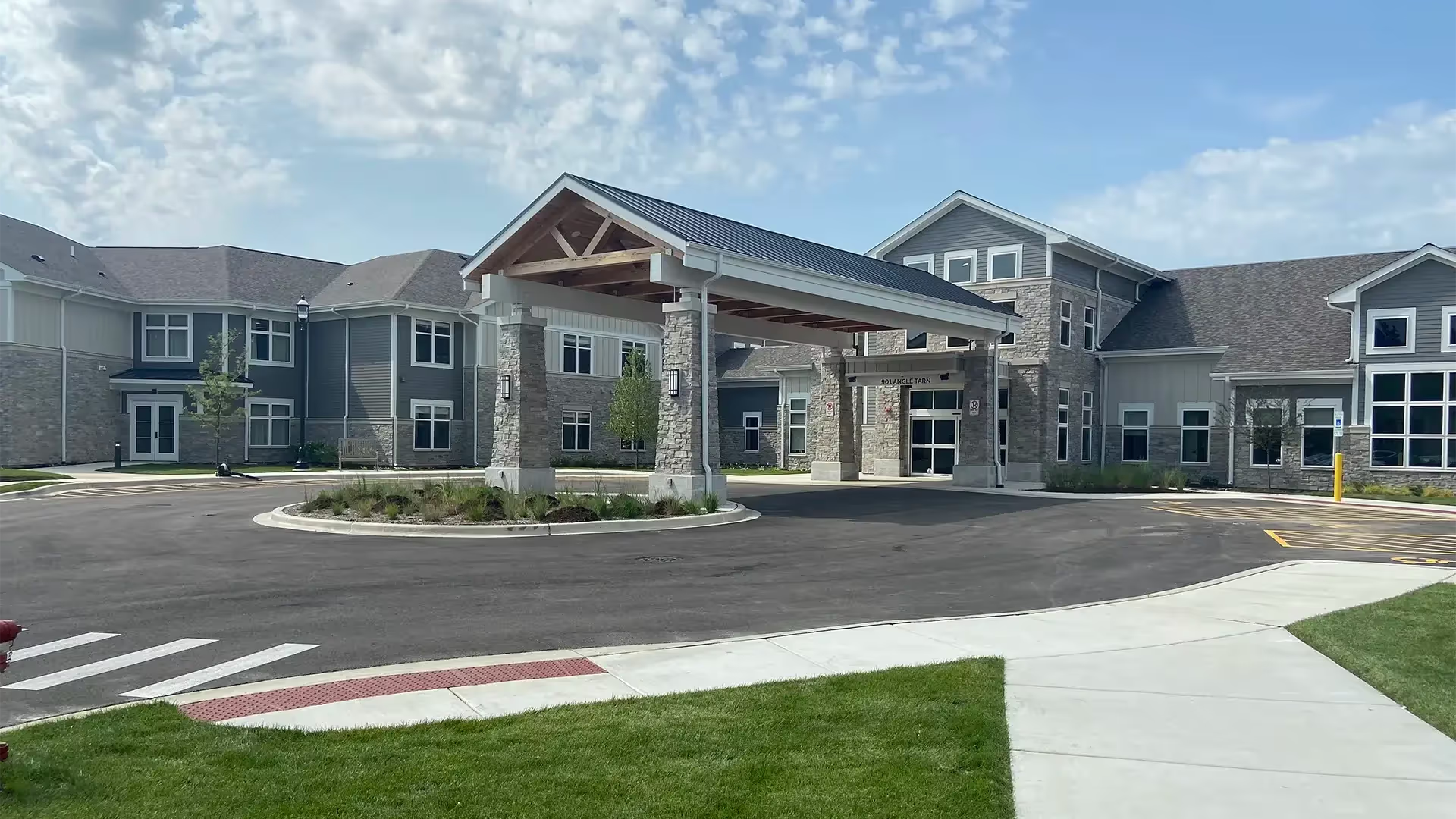
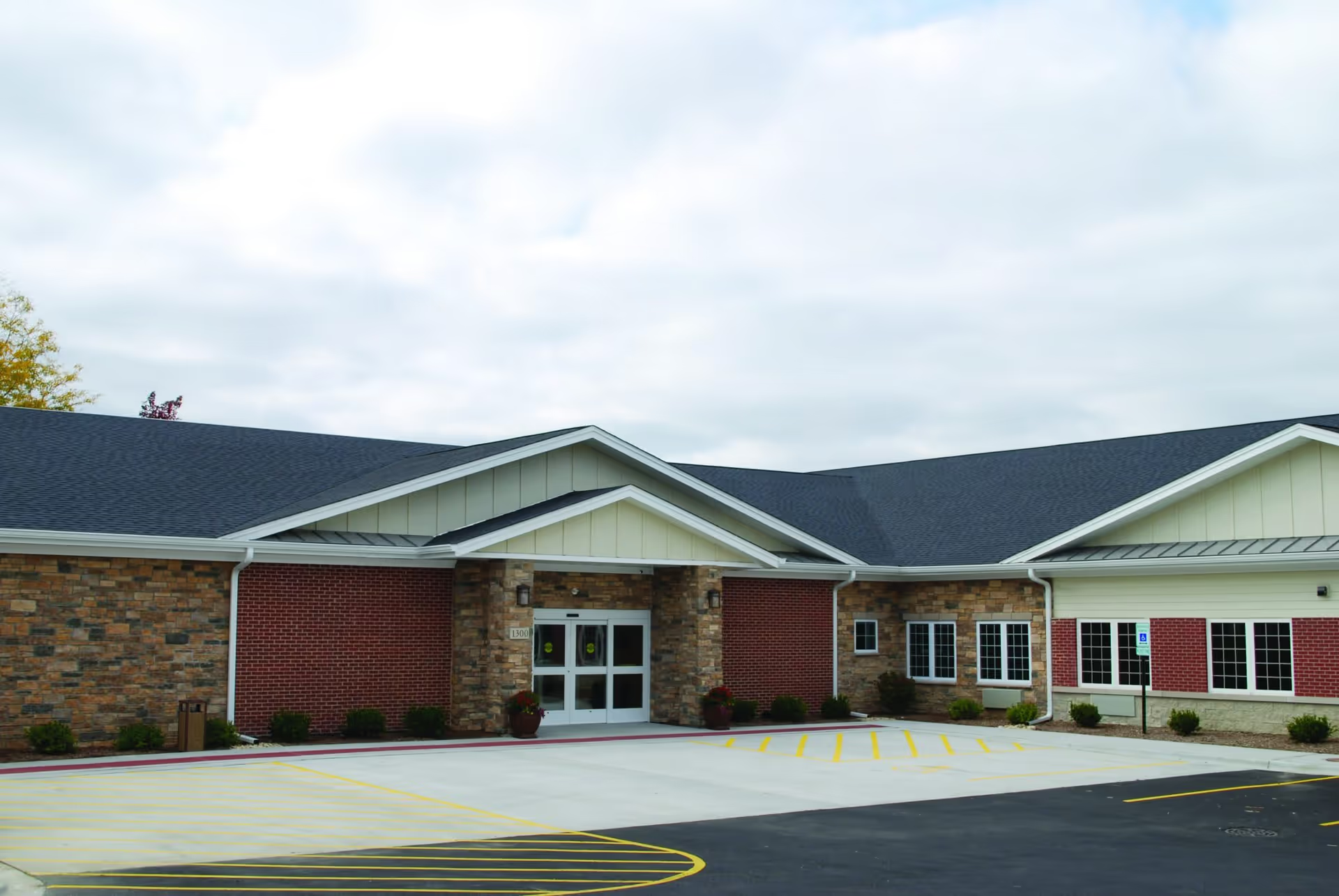
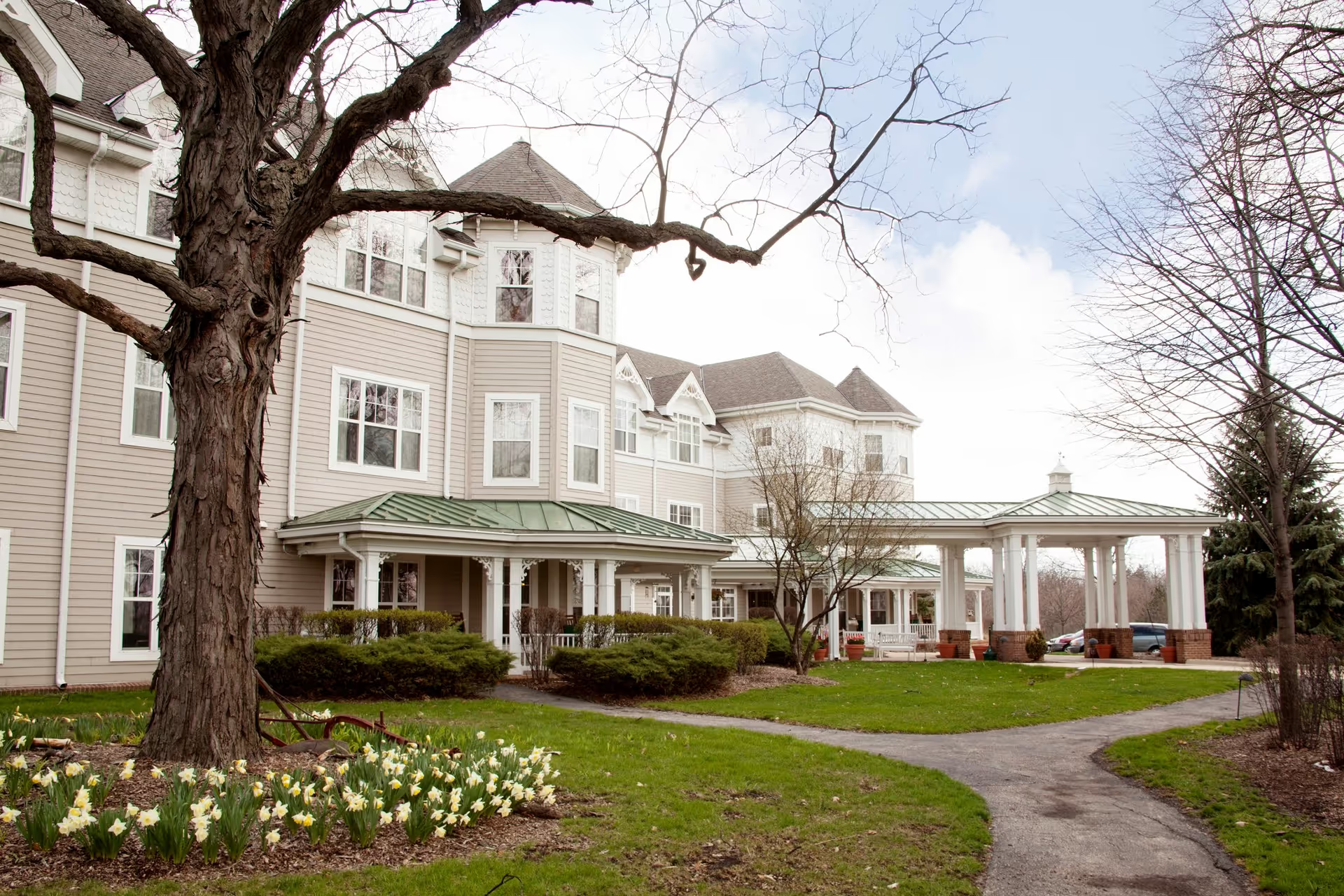
Overall impression: Westbrook Senior Living is frequently described as a clean, modern, and well-appointed community with substantial amenities and an active social program. Many families cite the facility's hotel-like ambiance, landscaped grounds and multiple gathering spaces (bistro, library, theater, courtyards) as important strengths. The campus design and continuum of care (independent, assisted, memory) are commonly viewed as assets for residents who want to age in place.
Care and staff: The dominant theme across reviews is praise for frontline staff. Caregivers, nurses and unit leaders are repeatedly characterized as compassionate, respectful and proactive; reviewers highlight attentiveness to health changes, helpful family communication, and strong memory-care practices. Several accounts describe continuity of care and long-tenured staff on resident-facing teams, and families commonly attribute increased peace of mind to engaged unit directors and proactive check-ins. At the same time, there are recurring operational concerns about staffing levels—particularly in dining and during after-hours—and instances where limited staffing appears to reduce personalization of services.
Dining and activities: Dining receives mixed but generally favorable feedback. Many reviewers describe high-quality meals, varied menus and attractive dining spaces; others report inconsistent food quality, occasional boxed or to-go presentations, and slow service tied to staffing. The activities program is a consistent positive: a broad calendar (exercise, music, crafts, outings, lectures, games) and an engaged activity director contribute to strong resident engagement. A practical limitation noted by families is occasional activity or outing cancellations when transportation or staffing resources are constrained.
Facilities and amenities: Westbrook's physical plant is a clear strength. The community is frequently described as new or recently renovated, with thoughtfully designed common areas, safe outdoor spaces, and accessible apartment features (bathroom design, full refrigerators, balconies in some units). A few reviewers noted smaller apartment sizes or the need for periodic unit updates, but overall impressions emphasize cleanliness and attractive finishes. The location—often near parks or shopping—is cited as an additional benefit.
Management and operations: Many reviewers compliment admissions staff and unit-level leadership for thorough tours and family communication. However, there are consistent themes of concern about higher-level operational practices: price increases, perceived corporate-driven decisions, and turnover in executive roles generate uncertainty for some families. Specific operational patterns of note include variable communication around transitions between care levels, restrictive memory-care admissions practices reported by some families, billing or administrative confusion in isolated cases, and perceived reductions in service that affect value for money.
Notable patterns and considerations for families: The reviews show a strong concentration of positive experiences focused on staff compassion, clinical attentiveness, engaging programming and attractive facilities. Countervailing patterns to explore during a visit include current staffing ratios (especially for dining and evenings), recent and projected price changes, written policies for transitions between levels of care, real-time examples of meal-service continuity, and how memory-care admissions decisions are made. Prospective residents and families will likely get the clearest picture by touring during a mealtime and a scheduled activity, asking for staffing and turnover data, and requesting recent family-communication examples.