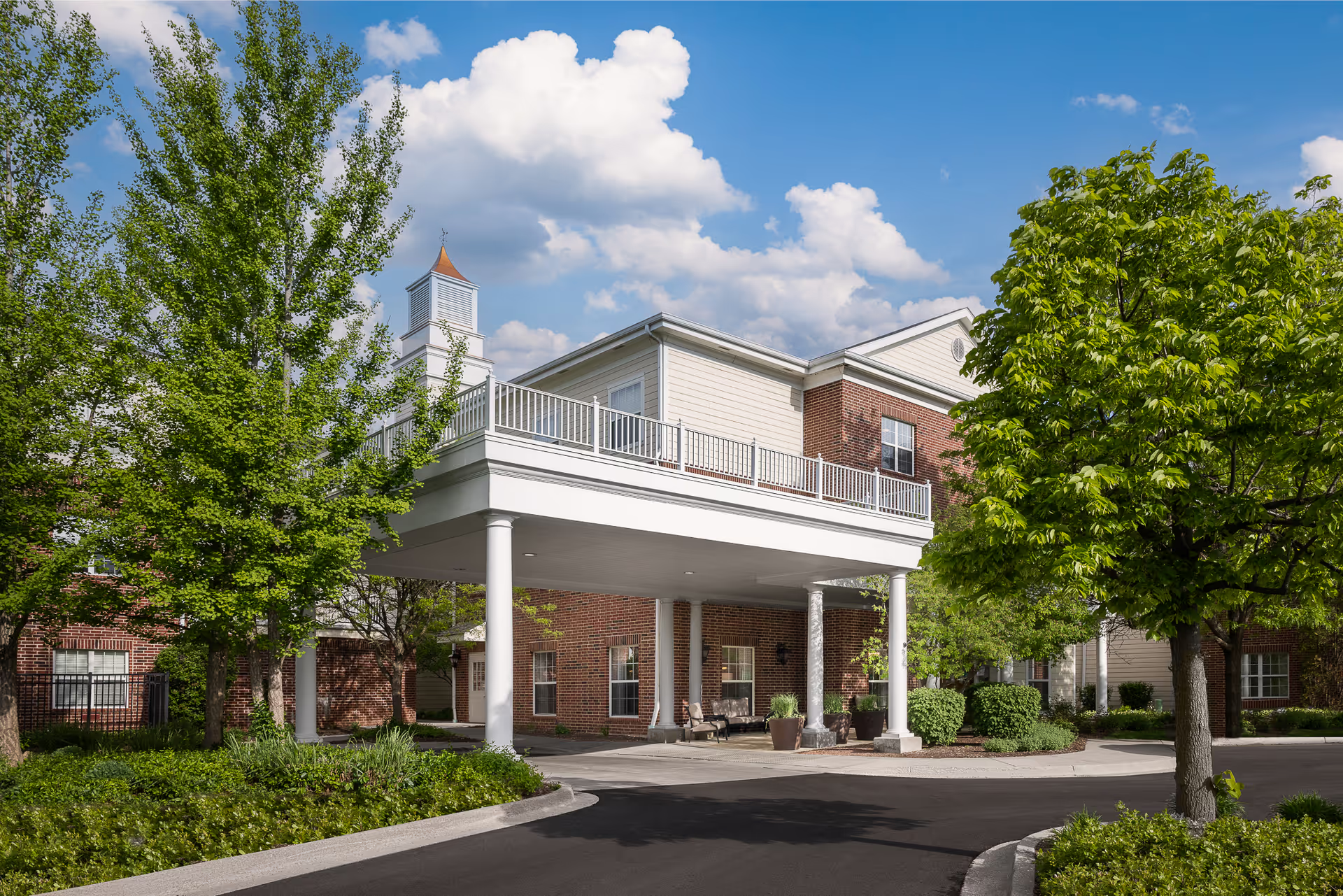
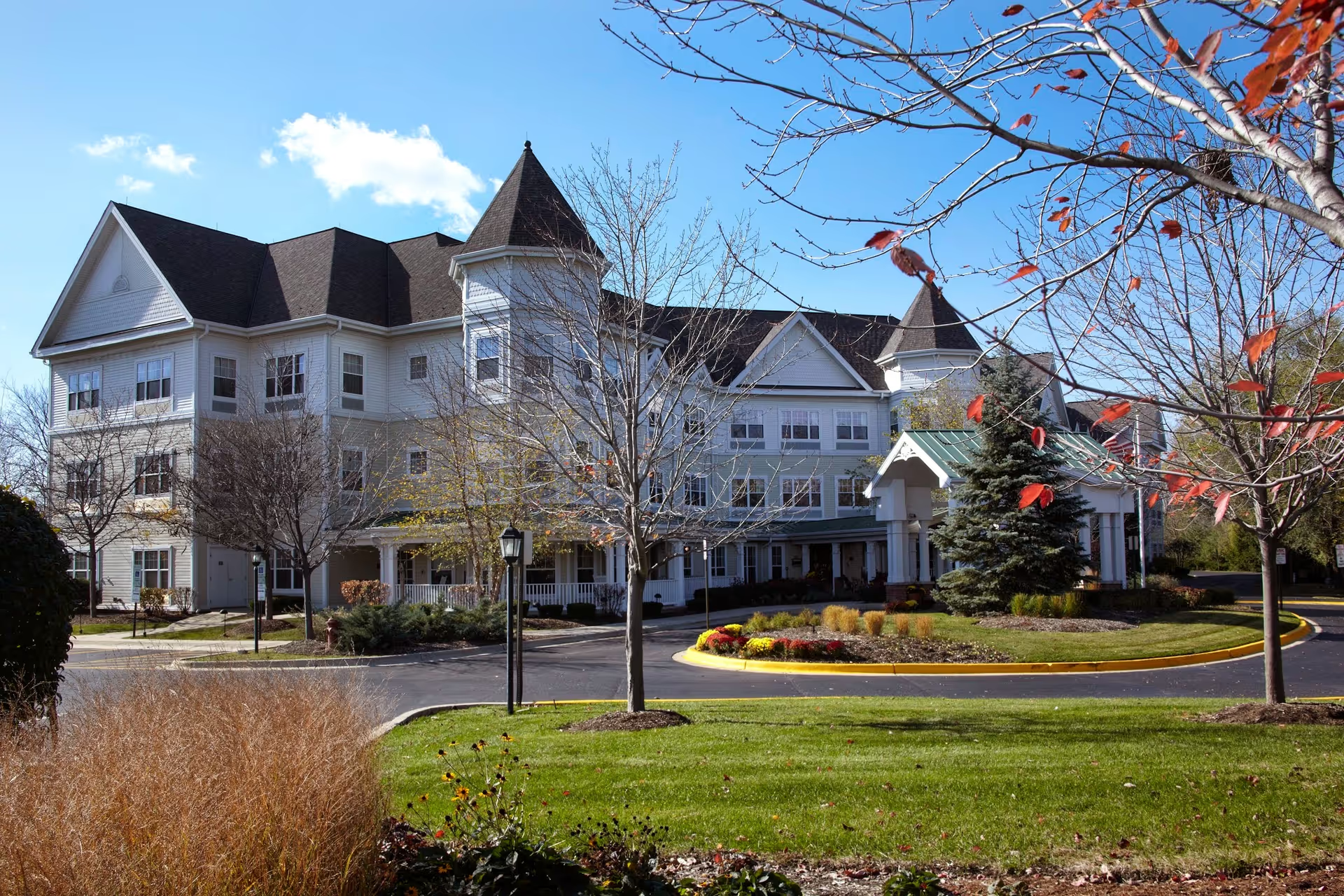
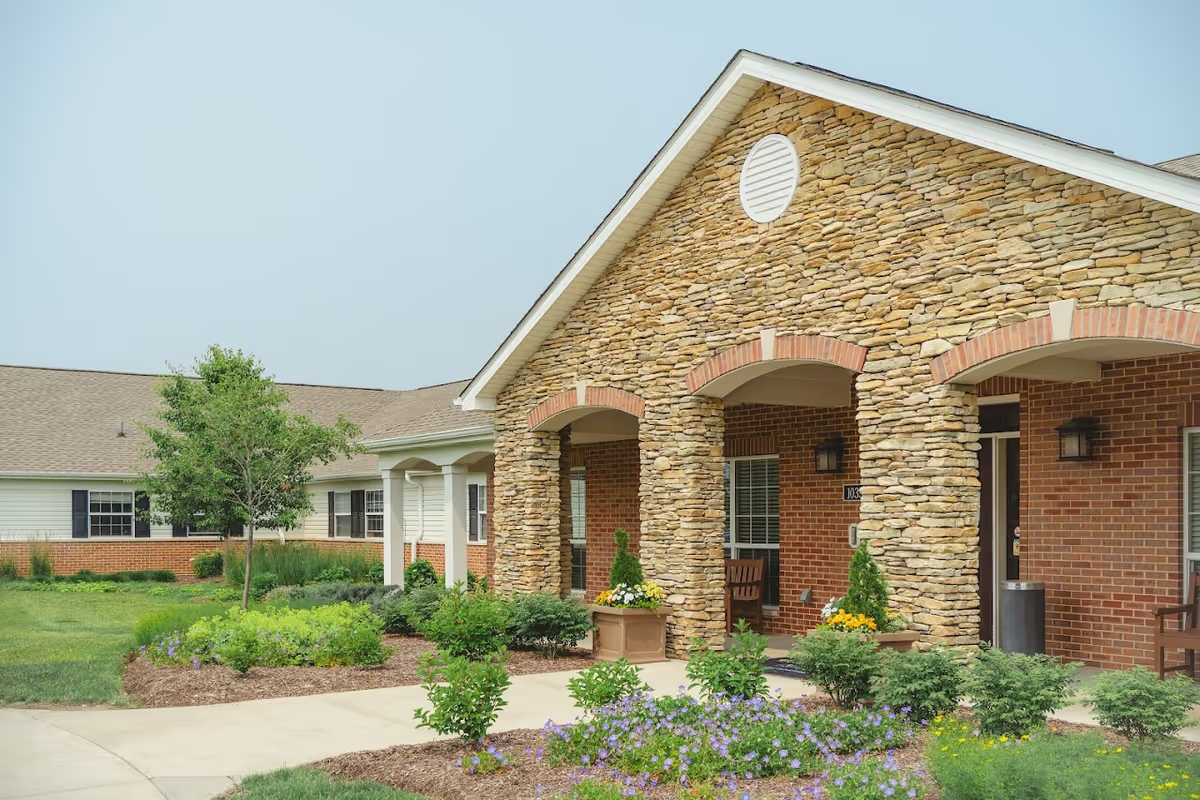
Sunrise of Bloomingdale is frequently described as a well-kept, homelike assisted-living community with a distinctly mansion-like aesthetic. Reviewers commonly praise the facility’s attractive common spaces (wrap-around porch, sunroom, comfortable sitting nooks), accessible layout for many apartments, and proximity to shopping and restaurants. The community projects a small-facility atmosphere: many families describe staff who know residents by name and a family-style culture that contributes to social engagement and perceived safety.
Care quality reports are mixed but lean positive in many accounts. Strengths include compassionate caregiving, a 24/7 nursing presence, on-site therapy services, and weekly physician visits. Numerous families credit staff with attentive, personalized care that led to improved mobility, weight gain, or social adjustment. The community also operates a separate memory-care unit with its own dining space and programming, which several families found beneficial for residents with cognitive needs.
Dining and activities are consistent strengths. The community emphasizes restaurant-style meals overseen by a gourmet chef, frequent snacks, and special events such as monthly brunches, themed parties, and outings to parks, malls, and restaurants. Structured programming includes exercise classes, games (bingo, Wii bowling), movies, and frequent field trips; many reviewers highlight the breadth and frequency of these offerings and the positive effect on resident engagement.
At the same time, a number of operational concerns recur across reviews. The community is private-pay and relatively expensive, with additional ala-carte charges; reviewers raise affordability and the risk of depleting funds as a practical constraint. Staffing consistency and responsiveness are variable in several accounts — with some families noting staff shortages, rushed assistance, or uneven availability to support participation in activities. Clinical gaps were reported in specific cases, particularly around continuity of dementia medication, access to geriatric psychiatry, and timely placement on the memory-care floor. These issues have led some families to seek outside clinical intervention.
Other facility-level weaknesses include occasional variability in meal quality and menu choices, parking limitations, small room sizes or limited wheelchair-friendly unit availability, and a handful of accounts describing pest-control and infection-control concerns. There are also several mentions of management and communication weaknesses — delays in answers, inconsistent follow-up on incidents (including property loss), and variability in how administrative issues are handled.
Overall, Sunrise of Bloomingdale appears to be a strong fit for families seeking an active, homelike assisted-living environment with robust activities, appealing dining, and engaged caregiving—provided the cost model aligns with the family’s budget. Prospective residents and families should verify current staffing levels, memory-care bed availability and medication-management protocols, infection-control and pest-control practices, and the detailed fee structure (private-pay versus payer acceptance) during a visit or tour to ensure the community’s operational practices match their expectations and clinical needs.