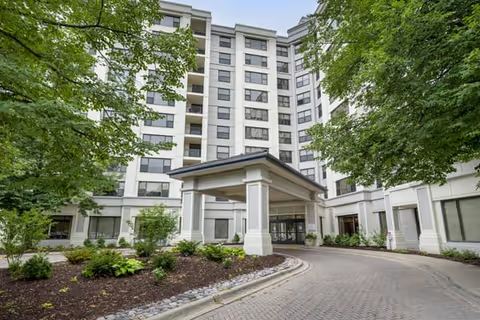
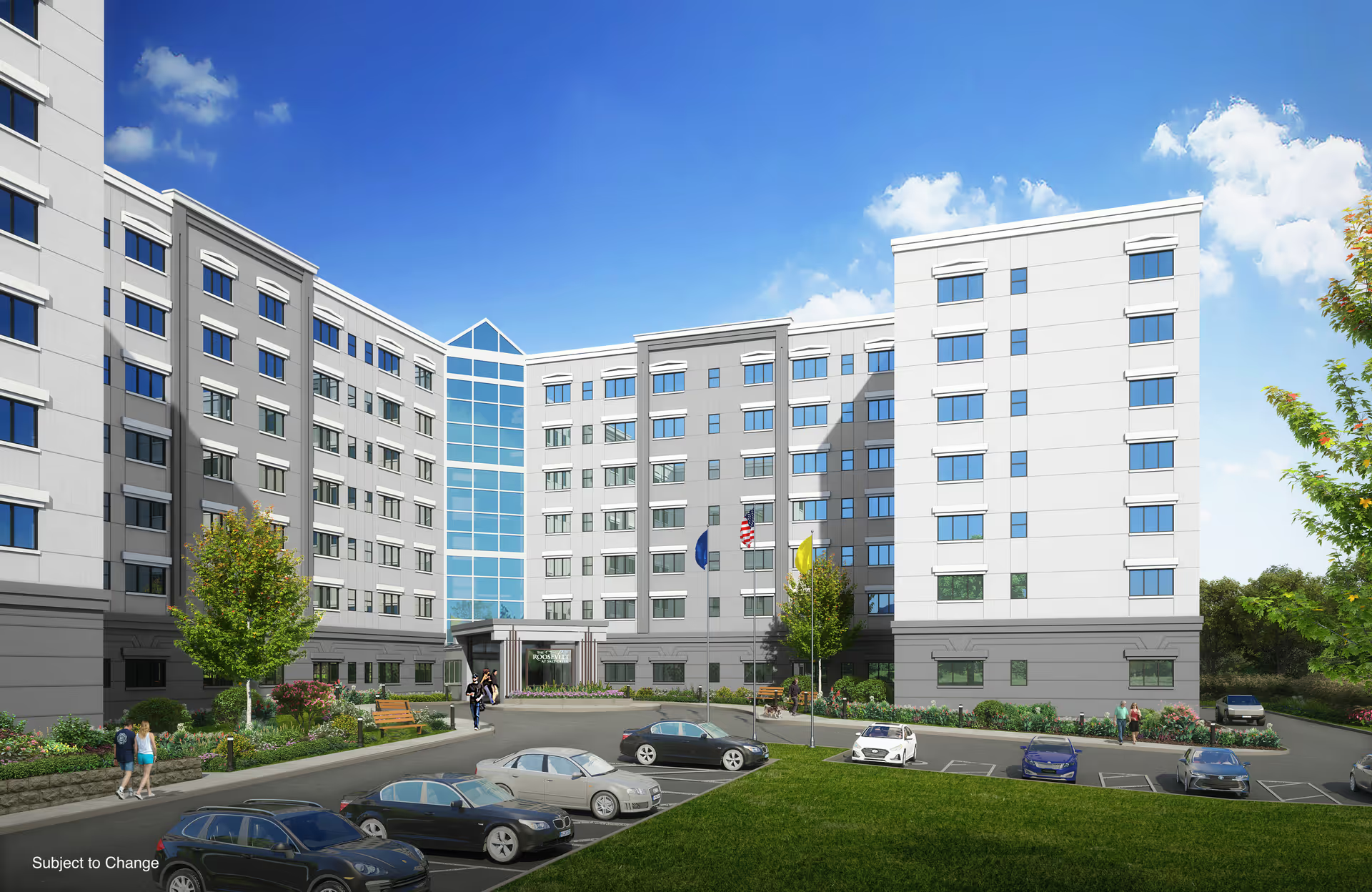
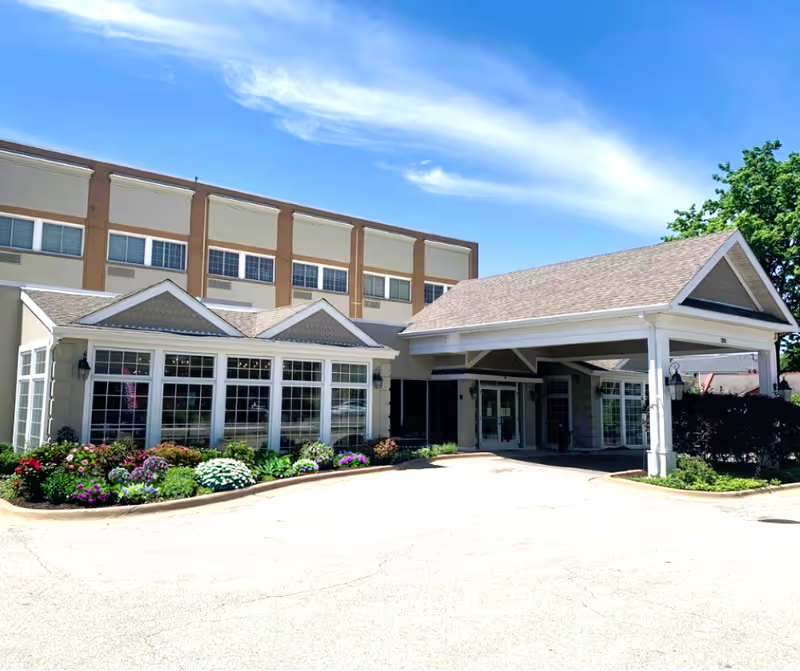
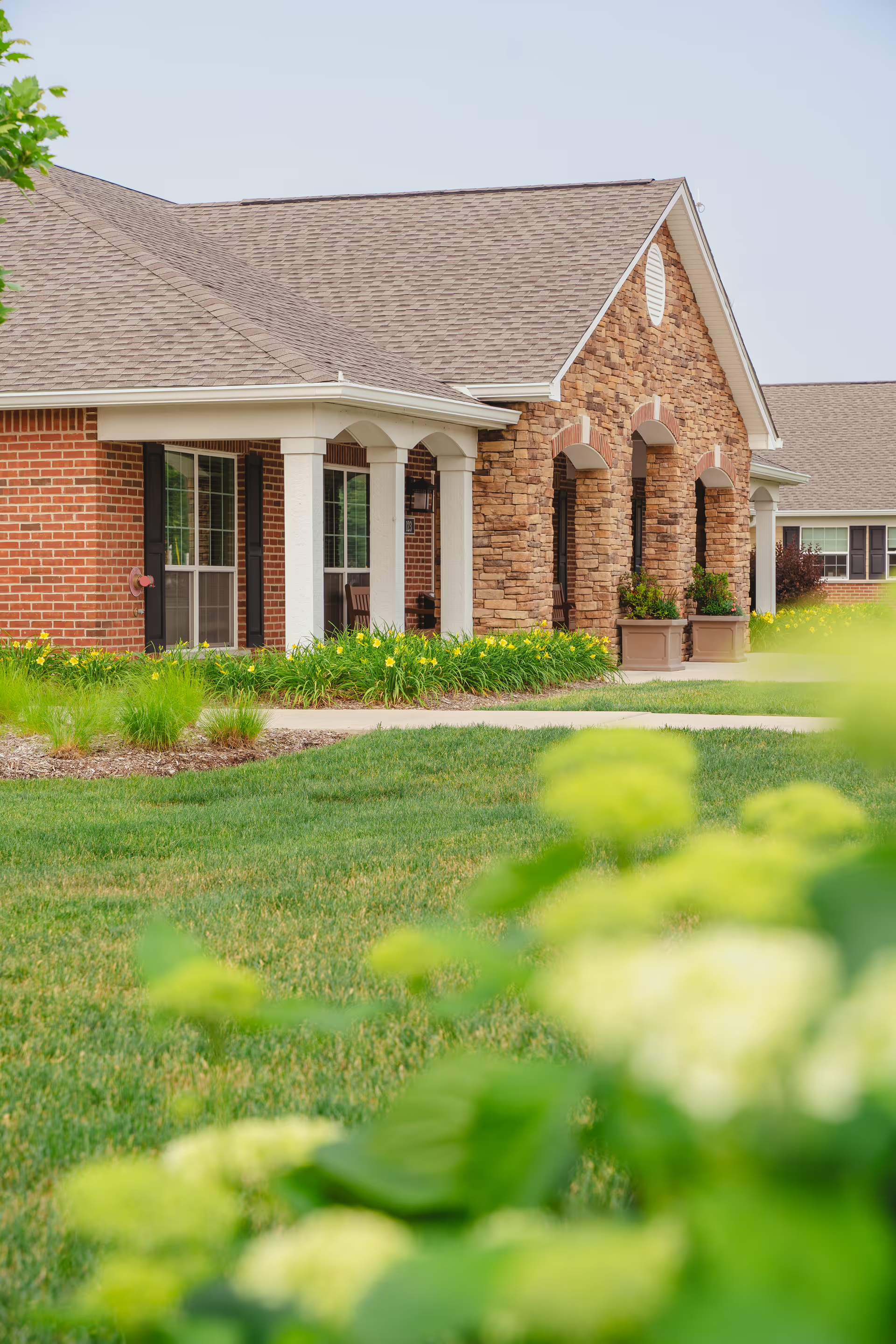
Overall impression The Radcliff presents as a new, well-appointed assisted living and memory care community with a strong emphasis on hospitality. Many families praise the facility's appearance, amenities, and a restaurant-style dining program led by an experienced kitchen team. Staff across roles — CNAs, nurses, dining and housekeeping teams, and visible ownership — are frequently described as warm, engaged, and willing to go beyond expectations. The property offers a broad slate of activities, social opportunities, and concierge-style move‑in support, and the pricing model is often described as inclusive and straightforward.
Care quality and staffing Care experience at the Radcliff appears mixed. Numerous accounts highlight attentive, responsive caregivers and clinical staff who facilitate daily care, social engagement, and coordinated transitions for residents. At the same time, a subset of accounts describes operational gaps that affected clinical reliability: missed medications or delayed responses, falls and transfers that led to hospital visits, and variability in overnight/memory-care coverage. These incidents suggest inconsistent staffing levels, training gaps, and periodic weaknesses in clinical oversight and emergency-response processes. There is also a noted pattern of leadership turnover and management changes during early occupancy, which has contributed to variability in staff scheduling and supervisory continuity; one allegation of schedule documentation inconsistencies was also raised.
Dining and activities Dining is a clear institutional strength. The community receives repeated praise for chef-prepared meals, varied menus, snacks, and a family-style dining culture. Residents and families frequently note that food quality, presentation, and the dining environment are high priorities. Activity programming is robust, with frequent events, entertainment, wellness programs, religious services, and engagement opportunities that support socialization and quality of life.
Facilities and amenities The physical property is consistently described as bright, modern, and clean, with numerous common areas (outdoor patios, a bar area, fitness and rehab spaces, salon, and private family rooms). Many families value the convenience of inclusive services (laundry, housekeeping, parking, cable/phone) and complimentary move-in support. Observations about unit size and outdoor access vary: some reviewers appreciated spacious layouts and skyline views, while others noted small apartment footprints and limited private outdoor space for certain unit types. The community has experienced typical "start-up" issues while finishing out amenities and increasing occupancy.
Management, communication, and policies Ownership and on-site leadership are often cited as accessible and involved, which many families find reassuring. Conversely, communications and follow-up have been inconsistent in some cases: families reported delayed callbacks, limited explanation after clinical incidents, and perceived pressure around assessments and cost-of-care transitions (particularly into memory care). These concerns point to opportunities for clearer admission processes, documented transition policies, and standardized family-notification protocols. Prospective residents should review contract terms, memory-care pricing, and the community's protocol for escalating clinical concerns.
Notable patterns and recommended due diligence The Radcliff offers strong hospitality, dining, and engagement programming that make it attractive to many families. However, a pattern of inconsistent staffing, variable clinical oversight, and operational growing pains has produced divergent experiences. For a balanced assessment, prospective residents and families should ask for current staffing ratios (including overnight and memory-care coverage), turnover metrics, medication-management and emergency-response procedures, housekeeping/personal-care schedules, documentation practices, and written policies on transitions between care levels and refunds. An in-person visit during different times of day, and speaking directly with nursing leadership, can help clarify whether the facility's operational practices match the aspects that reviewers most often praised.