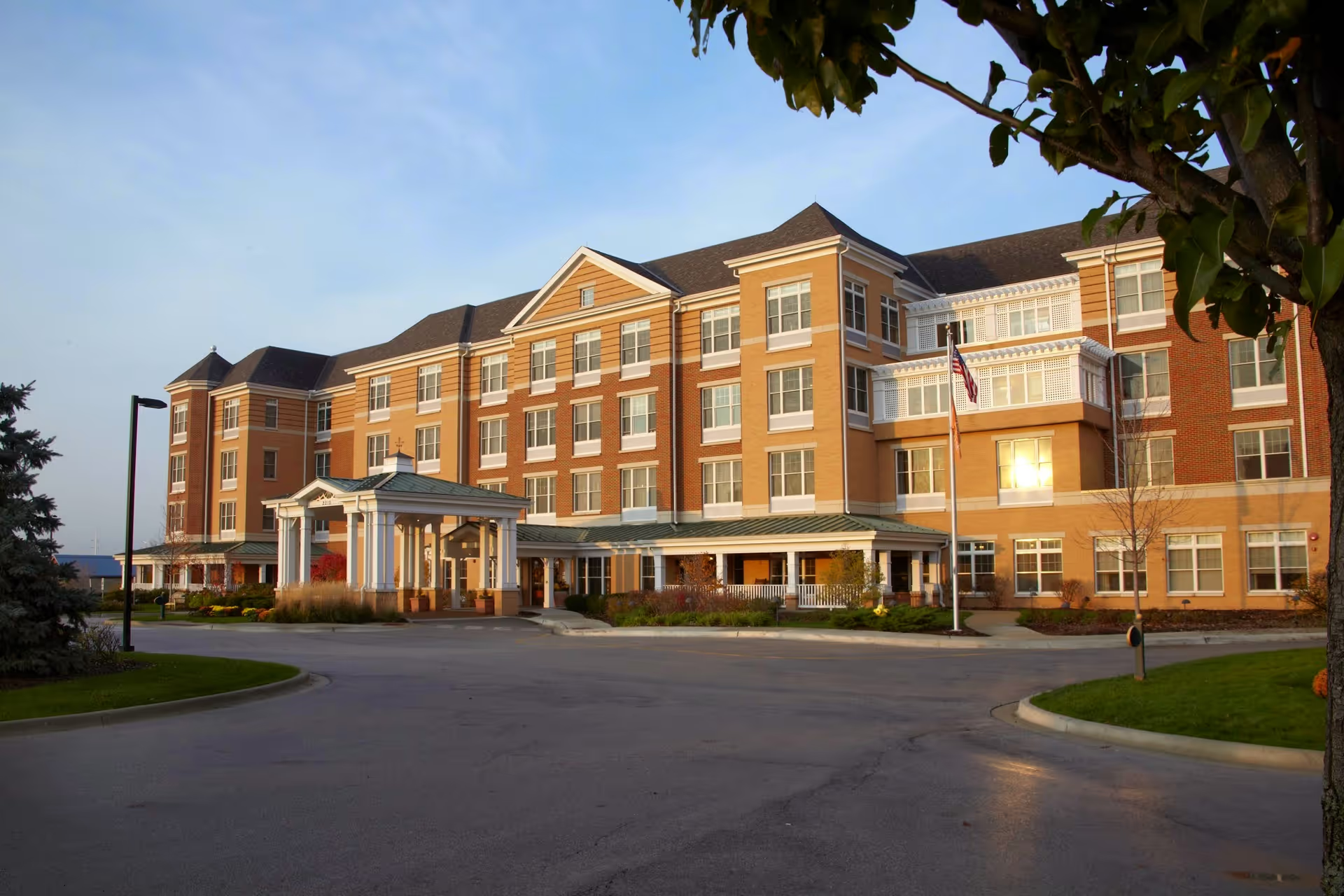
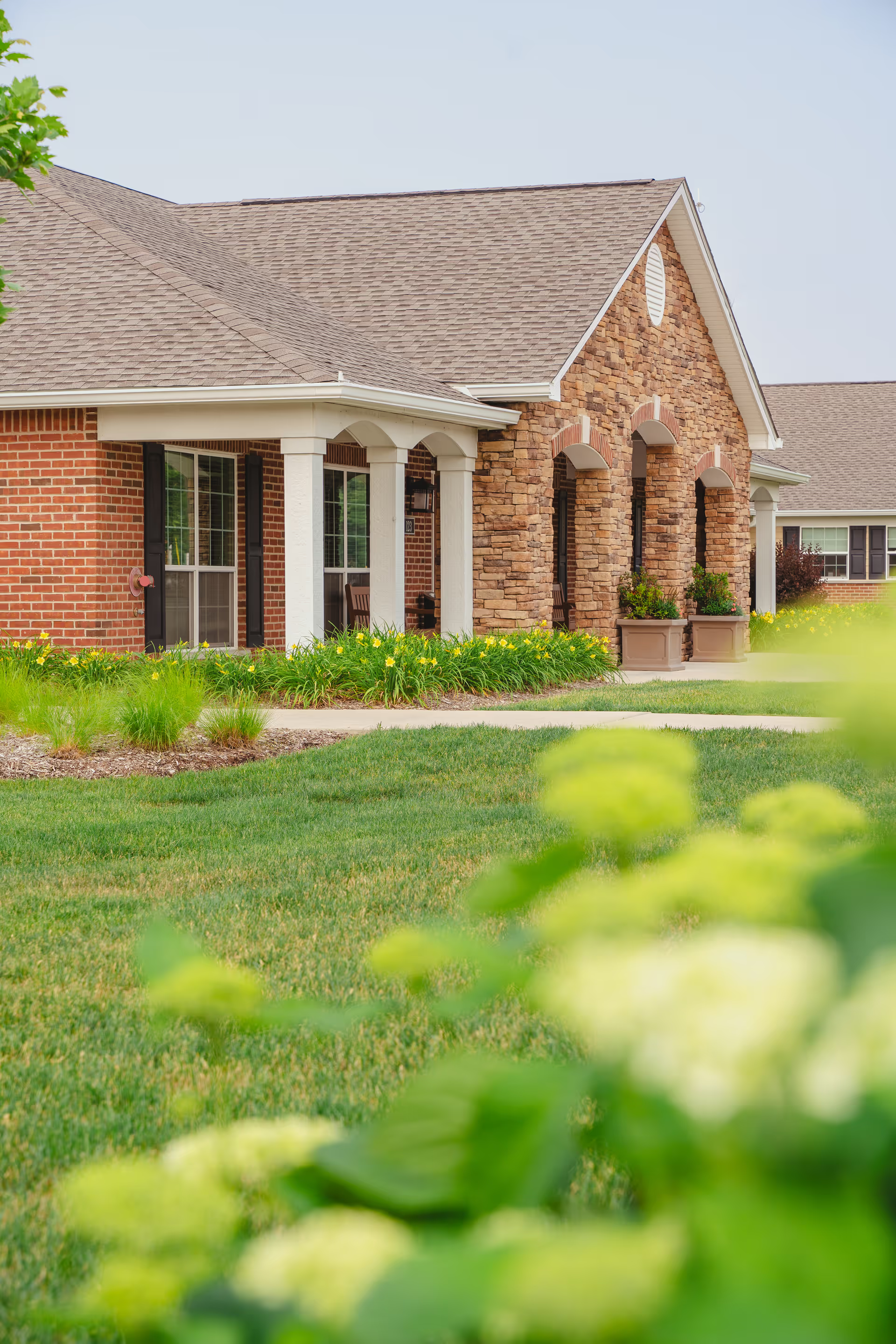
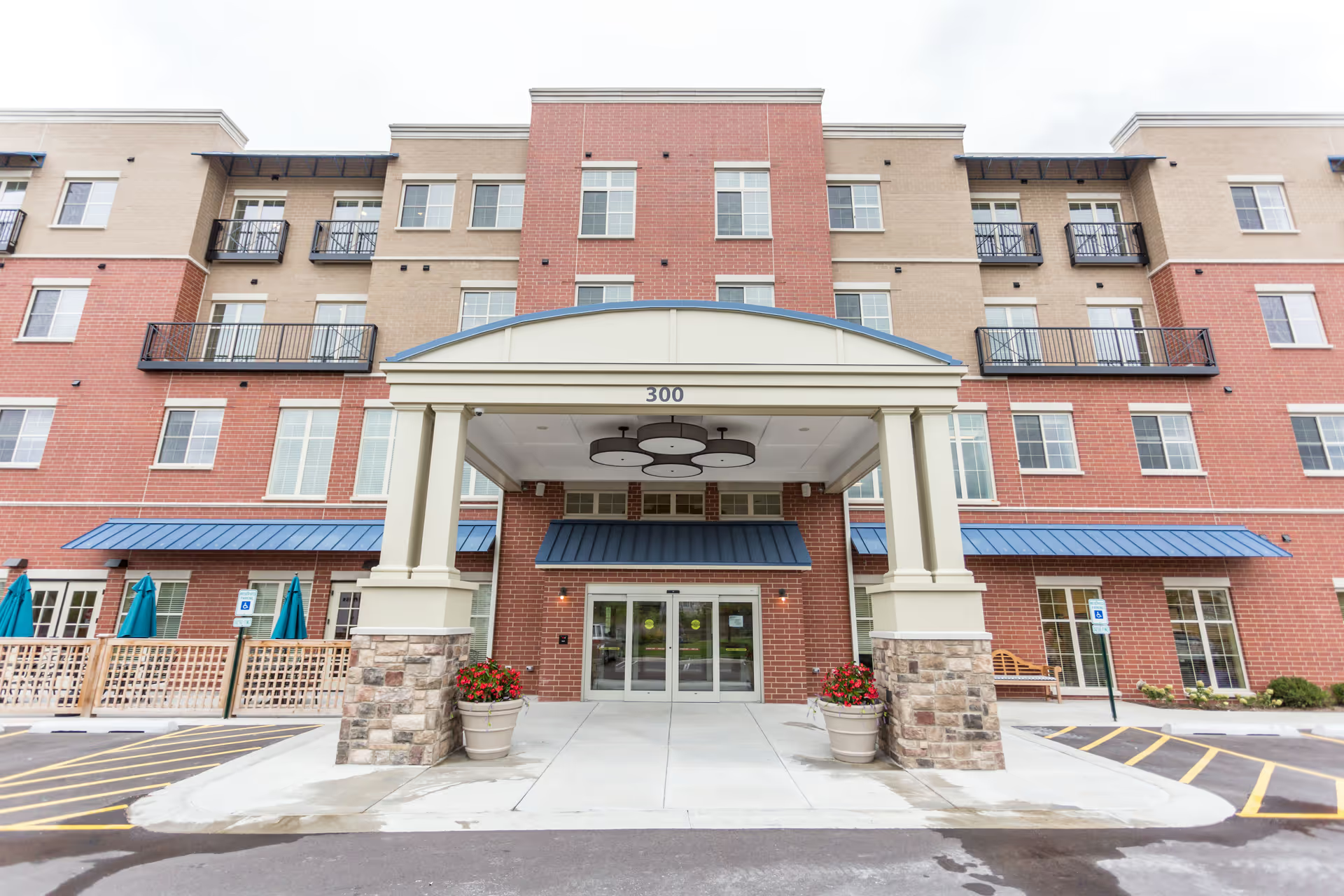
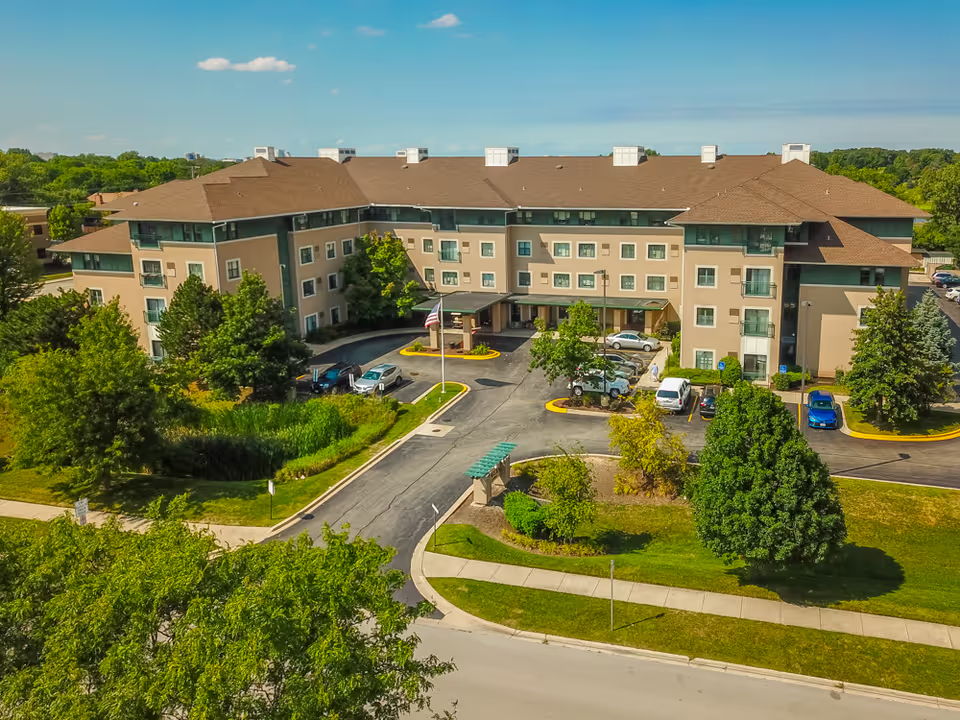
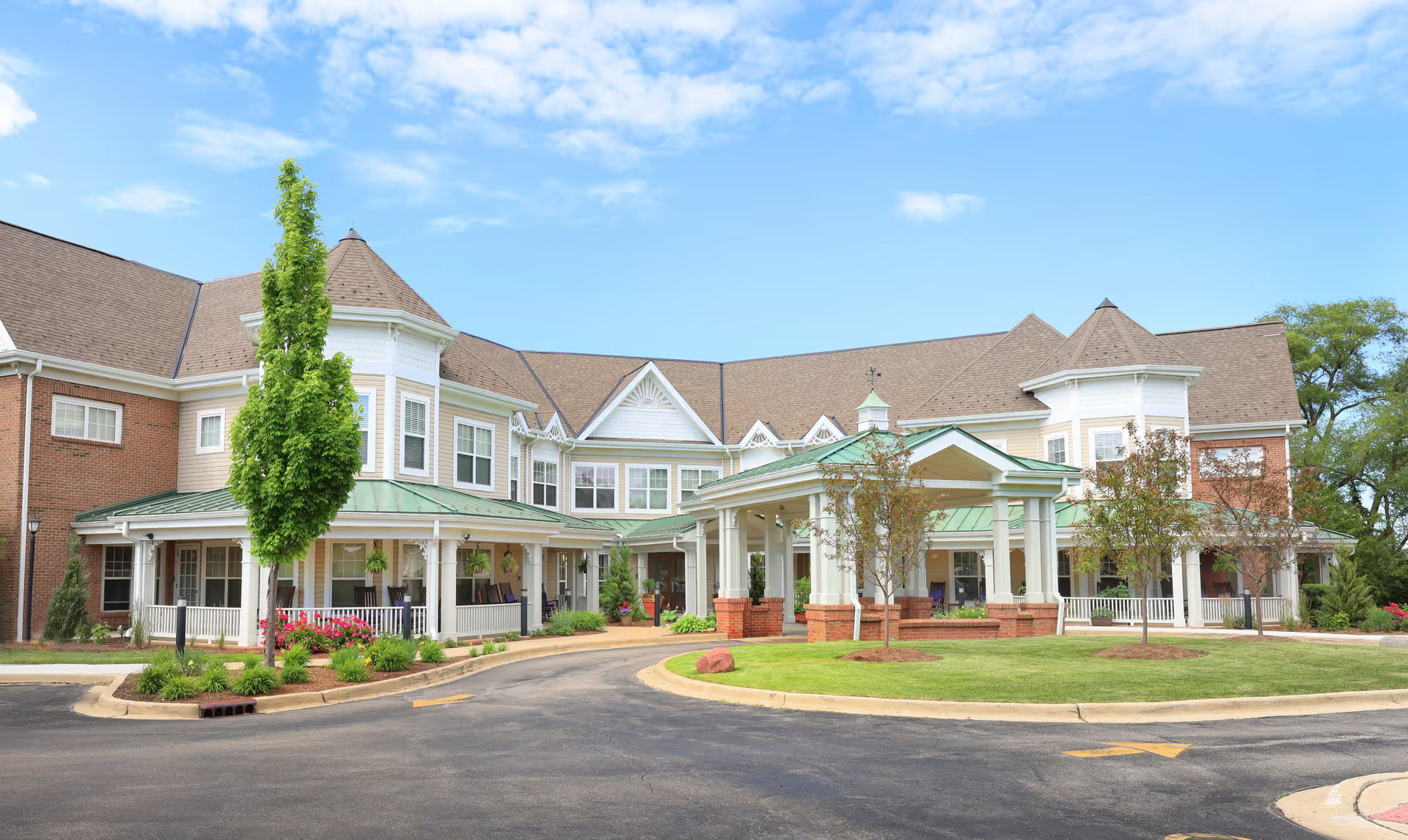
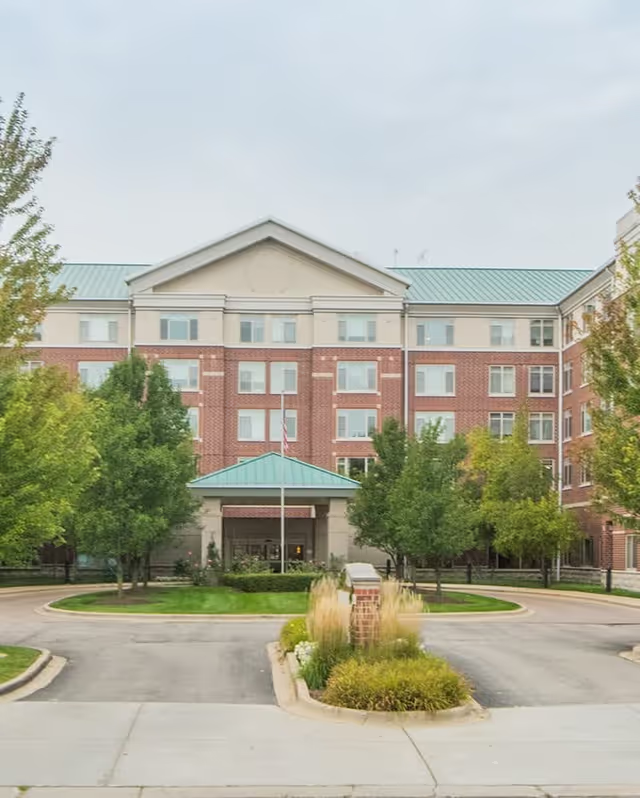
Terra Vista of Oakbrook Terrace presents as a purpose-built memory-care community with many consistently praised strengths. Reviewers commonly describe a clean, modern physical plant with a large landscaped central courtyard and multiple activity spaces designed for dementia-friendly navigation. The facility’s programmatic emphasis on memory care — including evidence-based clinical programming, specialized staff training, a circular/wander-friendly layout, and onsite clinical access — is frequently cited as a fit for residents with Alzheimer’s disease or related dementias.
Staff behavior and day-to-day caregiving are often highlighted as core strengths: many families describe compassionate, patient caregivers who know residents by name, use effective redirection techniques, and provide frequent activity documentation via photos and video updates (Caremerge and similar channels). Life-enrichment programming is robust, with a varied activity calendar, outings, themed events, and therapeutic options that engage residents across cognitive levels. Dining and dietary accommodation receive positive commentaries for taste and flexibility, and housekeeping/maintenance attention contributes to an attractive, home-like environment.
Alongside these strengths, reviews show notable operational variability. Staffing levels and scheduling emerge as recurring concerns: reviewers indicate periods of understaffing, long shifts, and limited availability of one-to-one assistance during busy times. These staffing constraints are linked in some accounts to delayed clinical assessments, slower incident response, and challenges getting timely updates from nursing staff. While many families praise the facility’s communication practices, others describe uneven continuity of communication across shifts and units.
A second cluster of concerns relates to program continuity and clinical governance. A few reviews note infection-control events and questions about how outbreaks were managed; others describe reliance on vendor-prepared meals that may affect consistency of dining quality. There are also mentions of new-unit administrative items (licensing/certification pending) and isolated concerns about staff qualifications or supervision levels. Management and leadership receive mixed but mostly positive remarks: many reviewers commend transparent tours, educational programming for families, and hands-on administrative engagement, while a smaller number describe perceived gaps in senior-management follow-through on clinical incidents or budget-driven service changes.
For prospective residents and families, the overall pattern is one of a well-designed, activity-rich memory-care community with strong caregiving culture and family-focused communication — tempered by operational areas worth verifying during a tour. Useful topics to raise with admissions include current staffing ratios and shift patterns, incident-response and family-notification protocols, infection-control procedures, the presence and scheduling of CNAs and licensed nurses, vendor arrangements for meals, and the licensing status of newer units. Verifying these operational details will help match the facility’s many programmatic strengths to an individual resident’s safety and care needs.