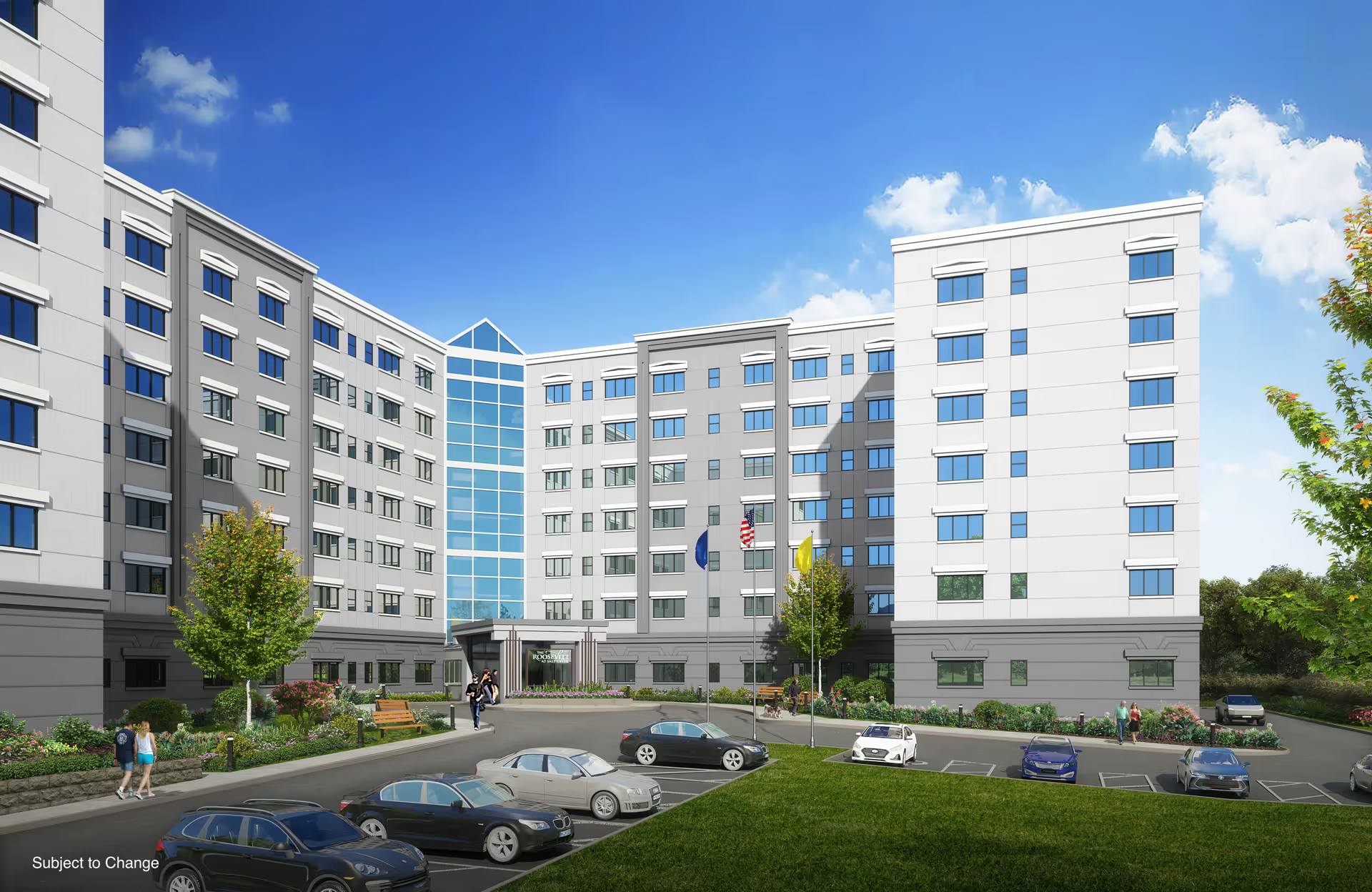
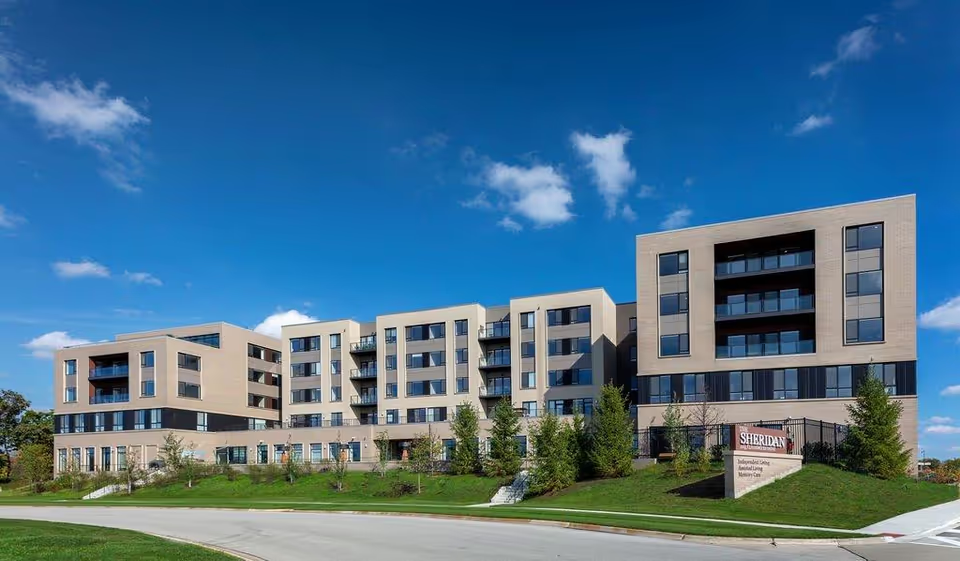
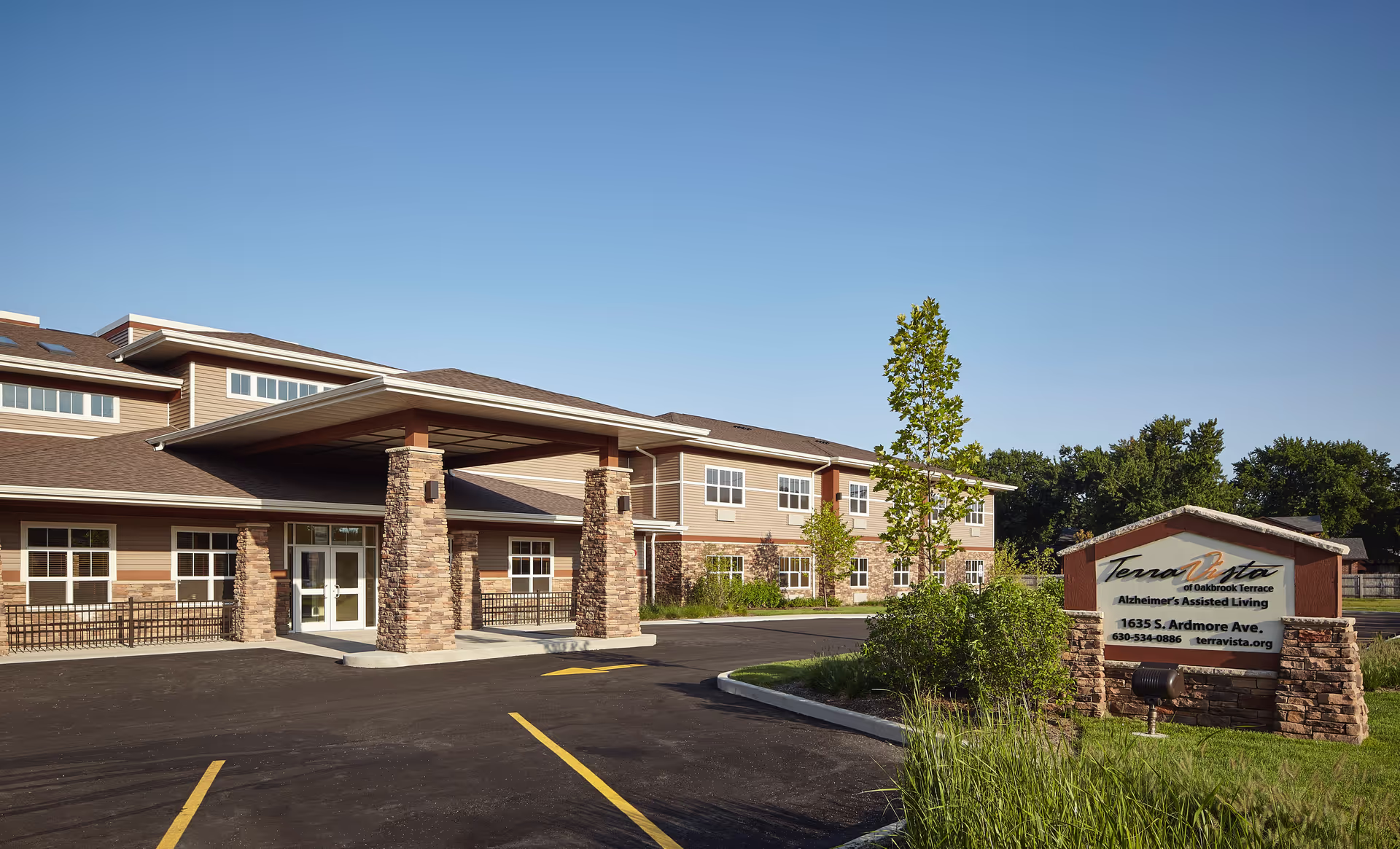
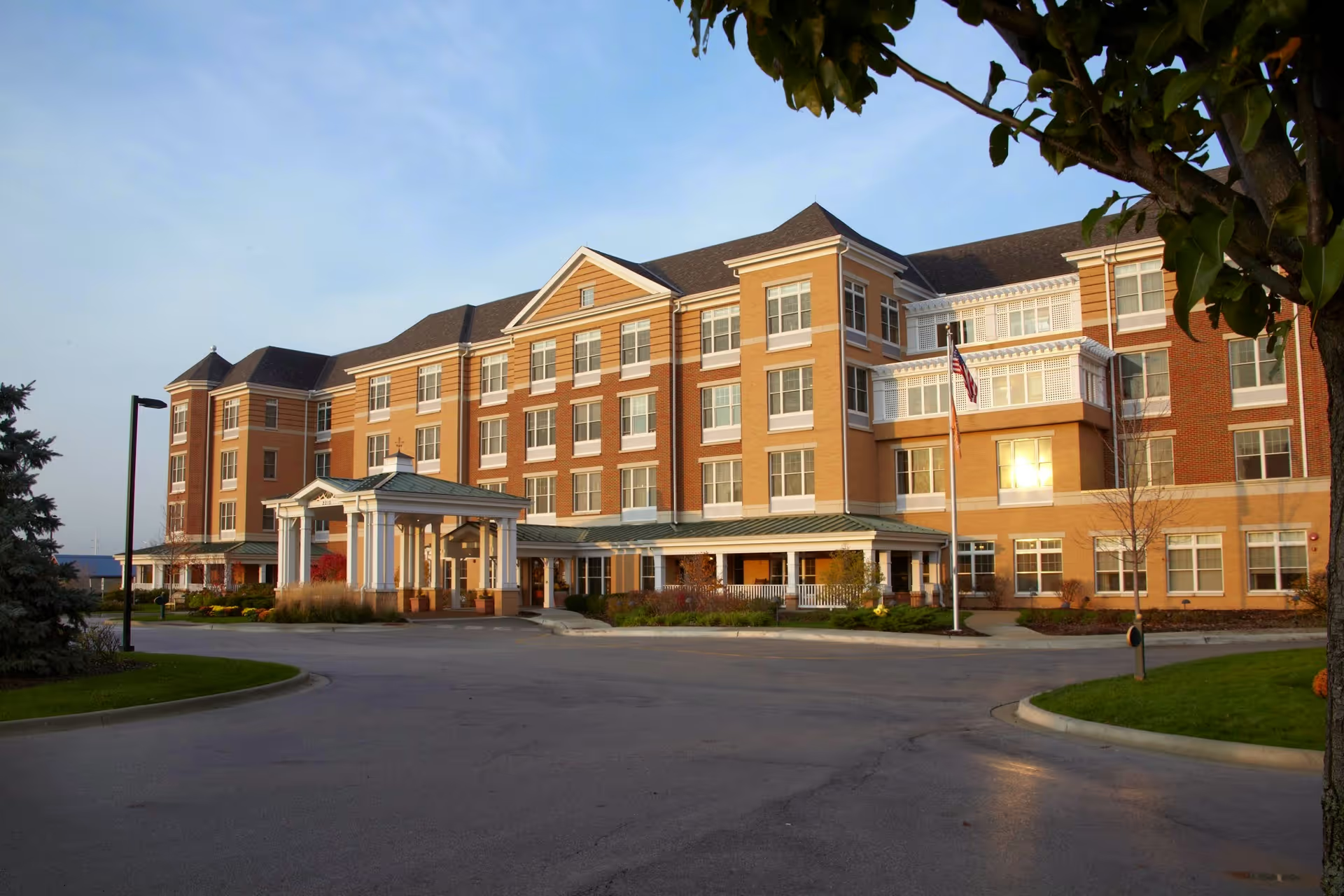
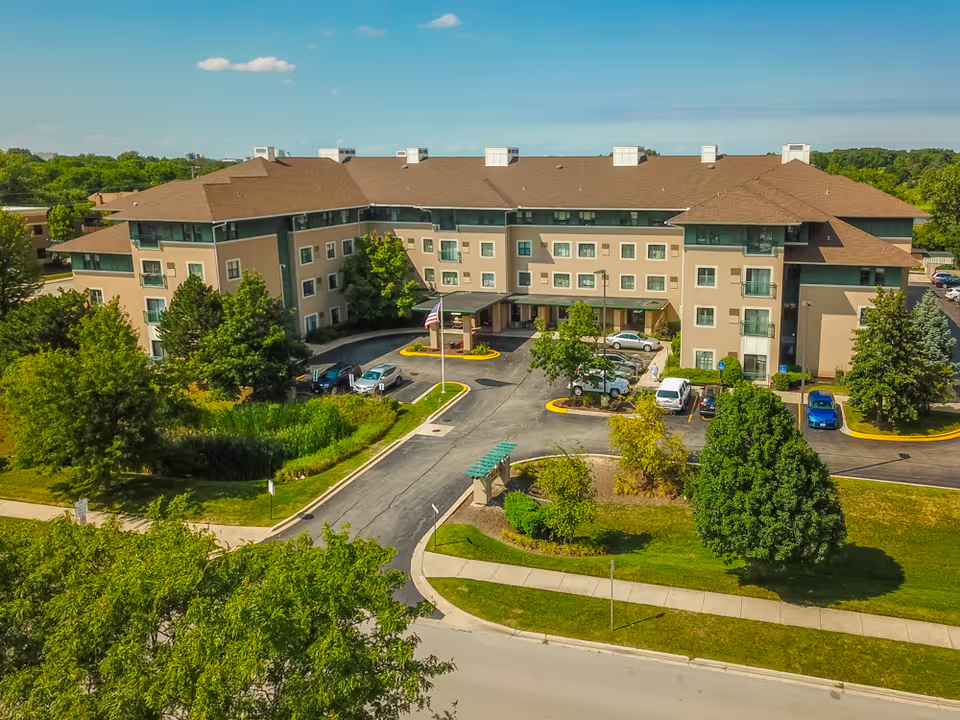
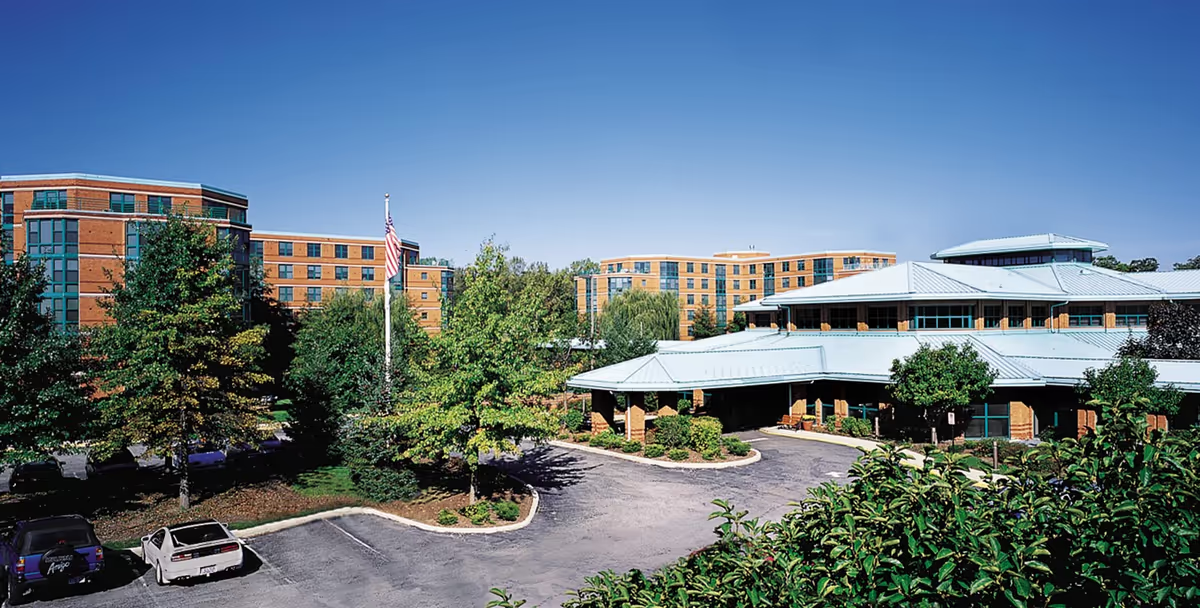
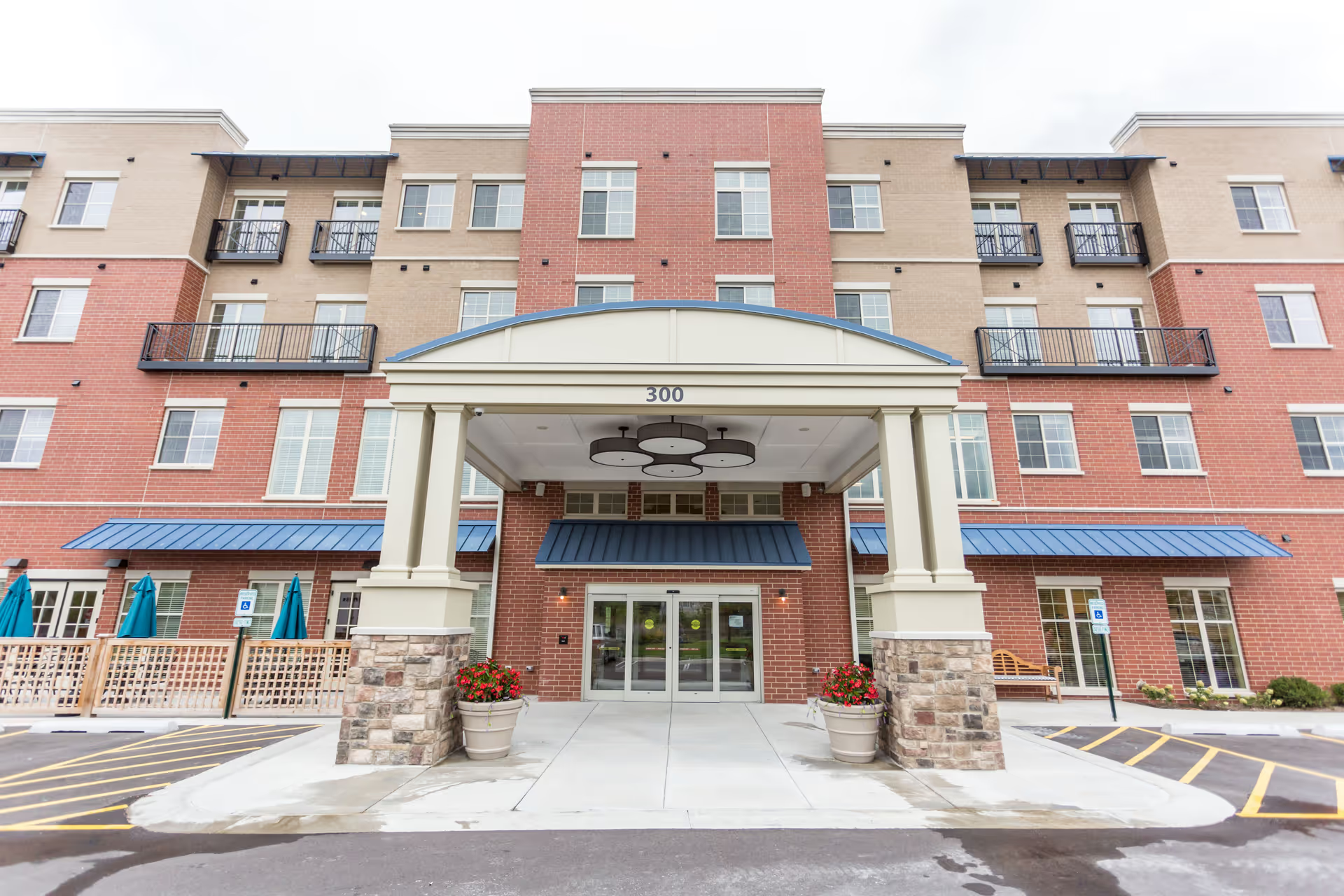
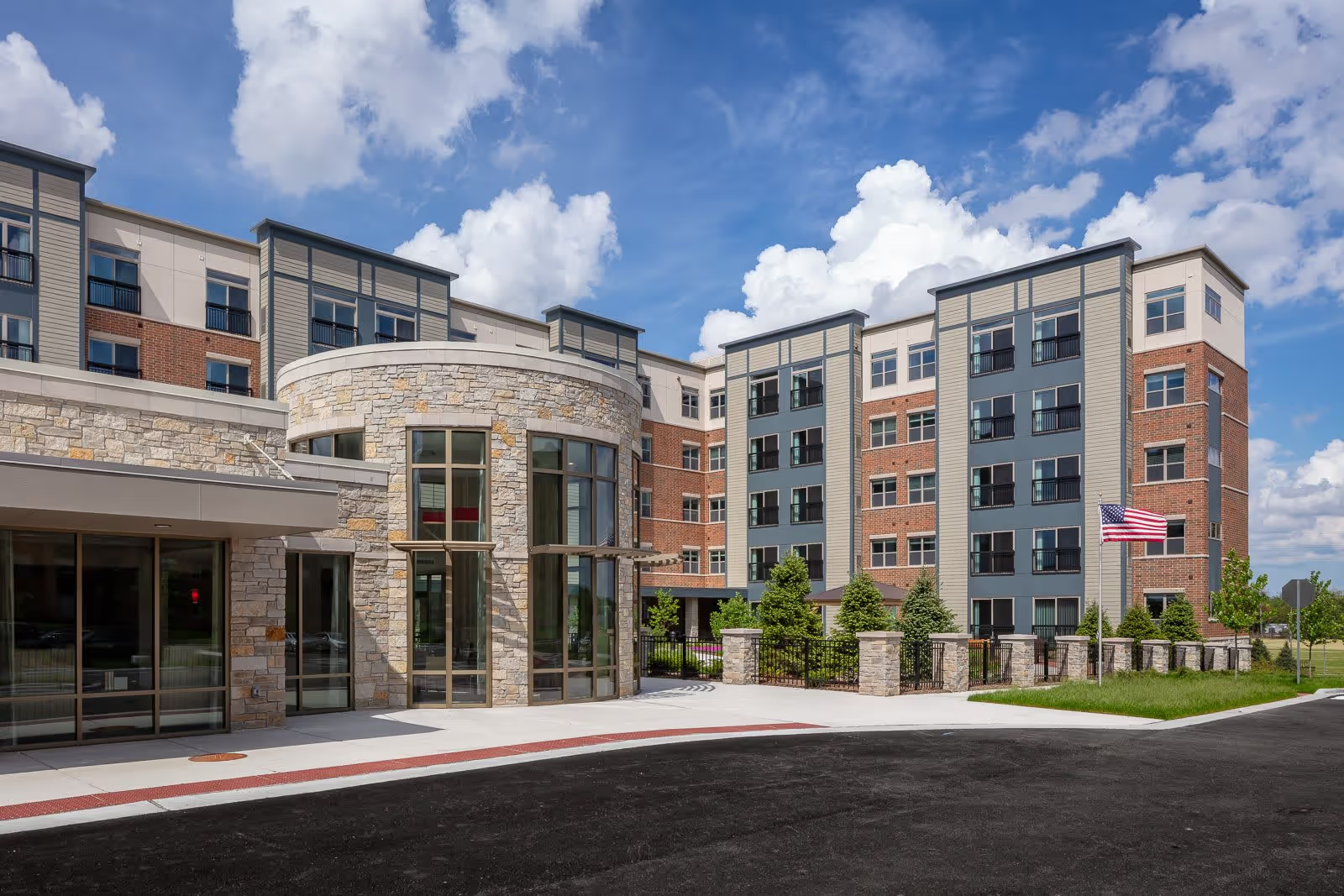
Overall impression: The Indigo at Elmhurst is described predominantly as a clean, modern, small-scale senior community with an emphasis on a home-like atmosphere, bright public spaces, and attractive outdoor courtyards. Many families praised the facility’s dementia-aware layout, private rooms, accessible walking paths, and the general physical condition of the building and grounds. Admissions and move-ins are often characterized as smooth, with staff-led welcome rituals and personalized assessments that contribute to positive transitions.
Care and staff: Caregivers and nursing staff receive widespread positive feedback for warmth, compassion, and personal familiarity with residents; many accounts highlight staff who know residents by name and who engage them in daily activities. That said, reviewers also describe variability: while many report consistent caregiver assignments and excellent communication, a portion of comments indicate inconsistent responsiveness to call lights and scheduled needs. Several reviewers raised serious concerns about responsiveness to personal-care needs, timeliness of medication administration, and how clinical incidents are handled — issues that suggest variability in operational consistency rather than an across-the-board standard.
Dining and activities: Dining is generally regarded as a strength, with frequent mentions of good meals, snacks, and special touches. The activities program is a common highlight: families cite a wide variety of daily programming, outings, gardening events, and opportunities for family involvement. Leadership of the activities program appears uneven in a few accounts, with critiques focused on engagement quality and follow-through rather than the existence of activities themselves.
Facilities and amenities: The facility’s newer construction, bright decor, private rooms, en-suite bathrooms, on-site salon, and multiple courtyards are repeatedly noted as positives. The small neighborhood or single-floor memory-care layouts are valued for reducing crowding and increasing a sense of safety and freedom. Some reviewers mentioned limited ability to experience all communal offerings during tours; prospective families may want to request extended visits to observe routine operations.
Management and operational patterns: Administrative communication is often described as professional and helpful, with some families praising transparent COVID-19 updates and hospice coordination. However, recurring operational concerns include staffing stability, scheduling inconsistencies, and uneven staff professionalism across shifts. Cost is frequently referenced as relatively high; several families weighed perceived value against price. There are also comments about limited diversity and inclusion supports in specific cases, which may be relevant to families seeking culturally sensitive programming.
Notable patterns and guidance for families: The overall trend is strongly positive around environment, activities, and the compassionate demeanor of many caregivers, paired with scattered but significant concerns about consistency in clinical response, dignity-preserving personal care, and staffing reliability. Prospective residents and families should verify current staffing ratios, sample care plans, medication-administration protocols, fall-prevention measures, and how the community addresses dignity and incontinence-care. Touring during different shift times, requesting caregiver assignment information, and speaking with families of current residents can help assess whether the community’s strengths are consistent with a specific prospective resident’s needs.