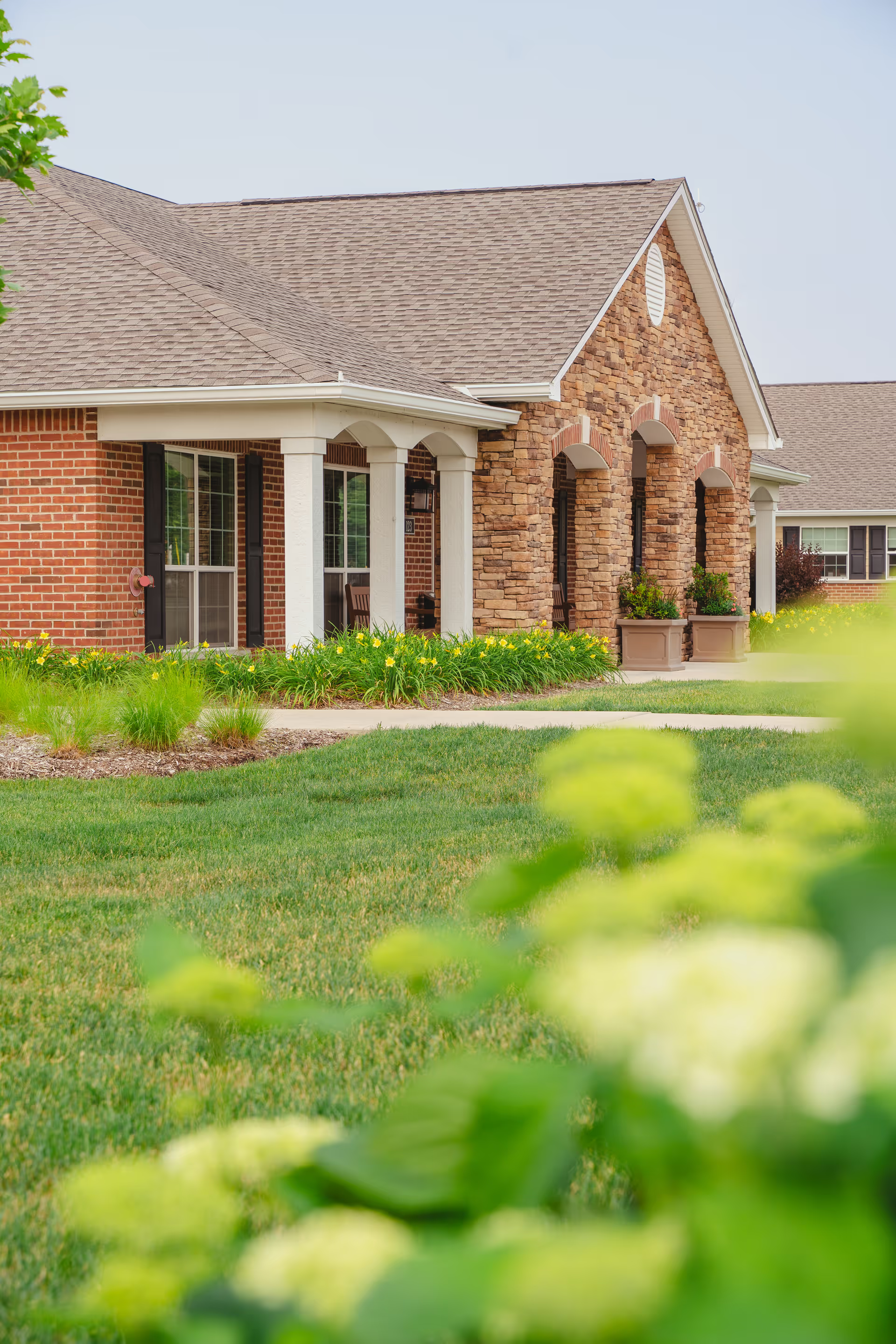
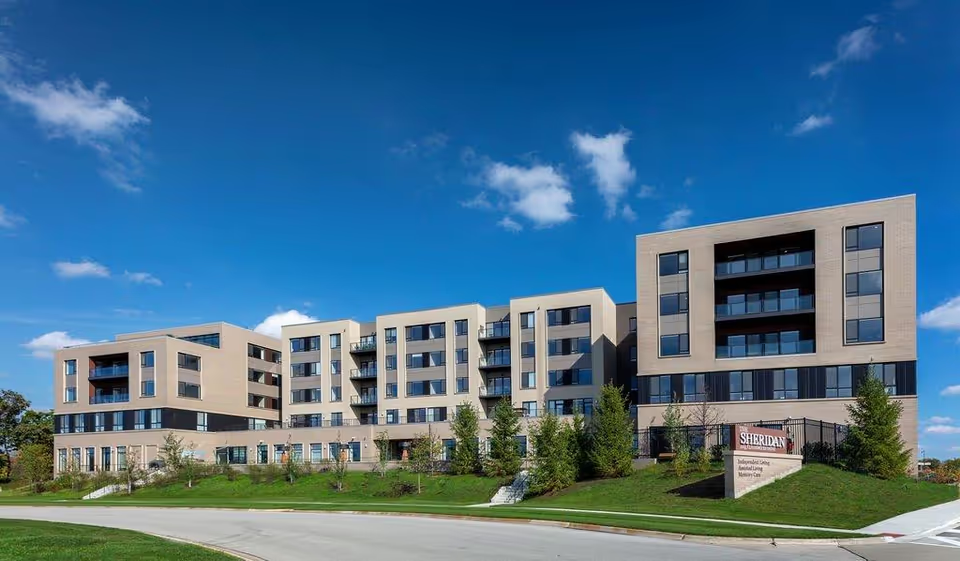
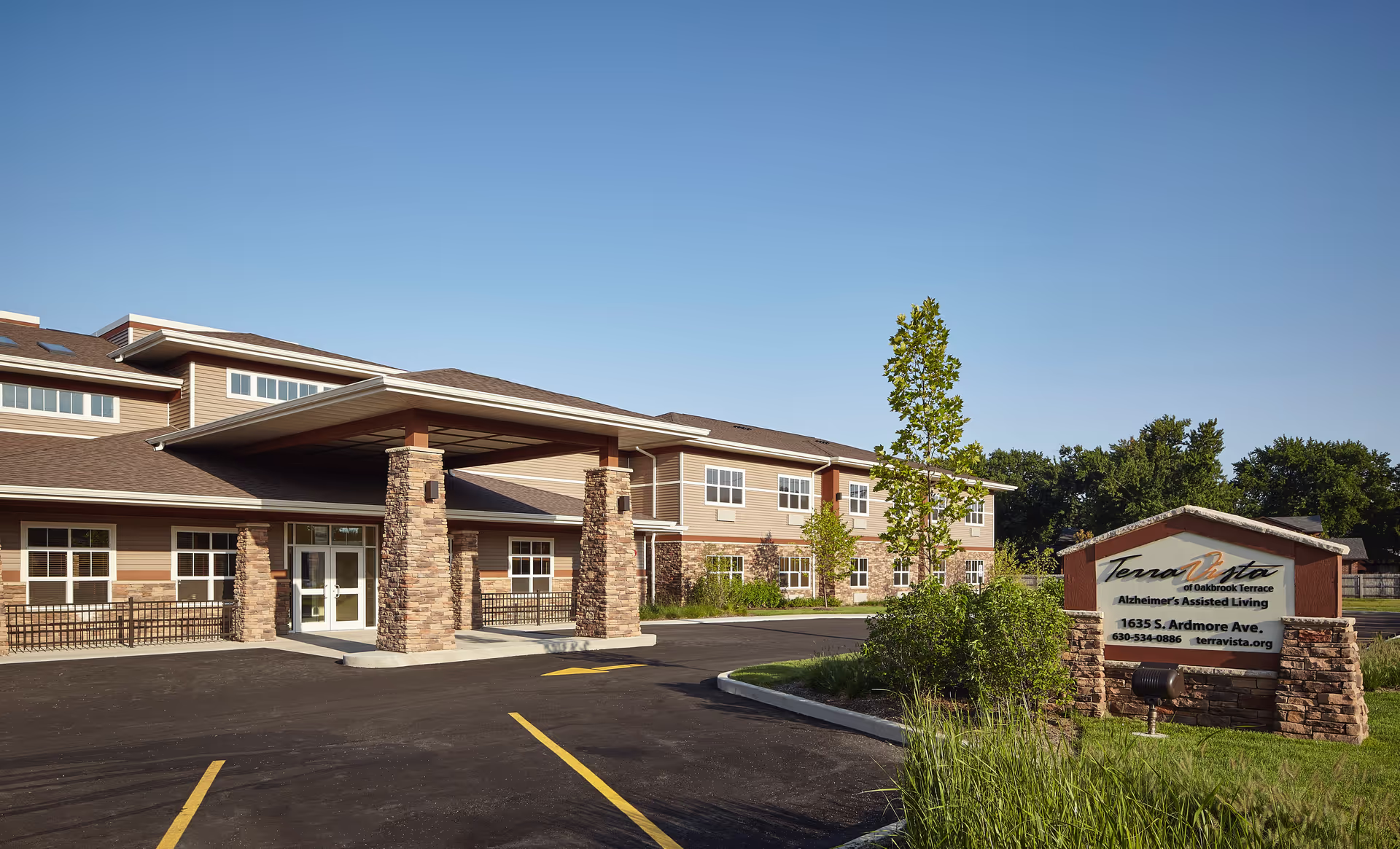
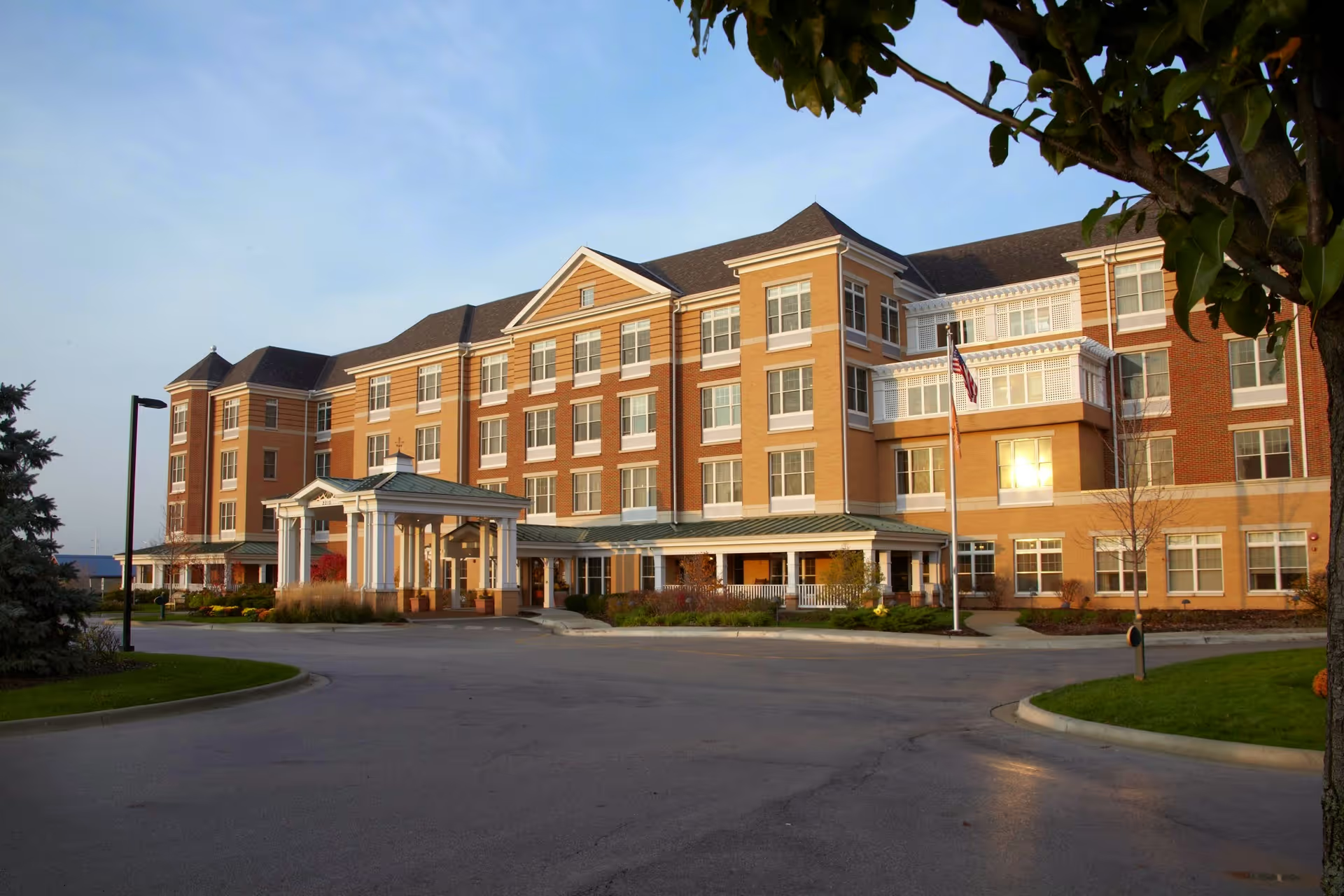
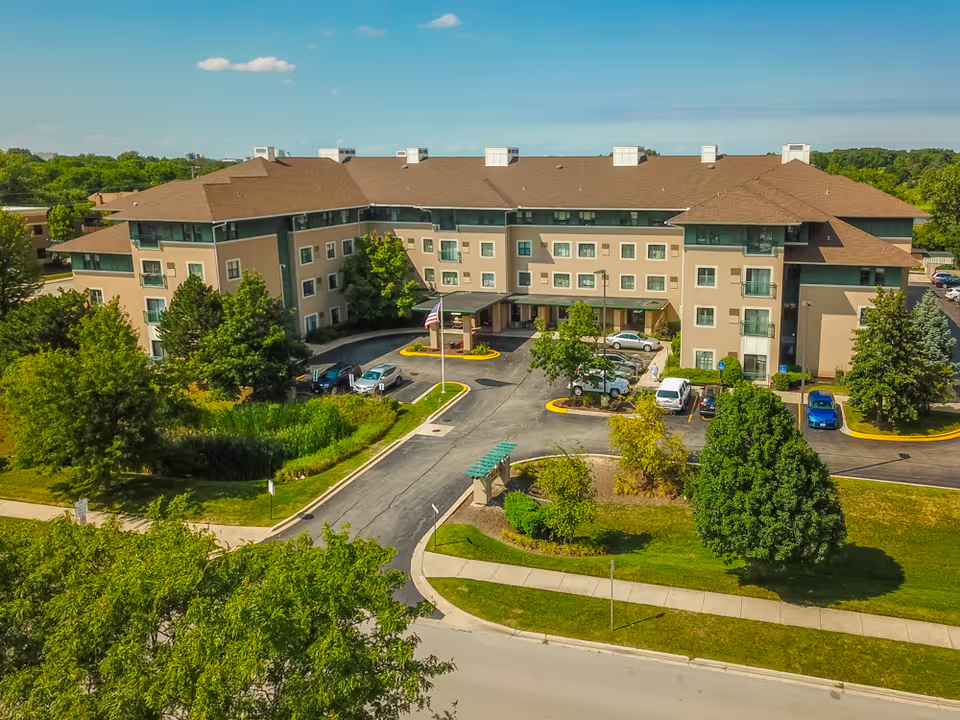
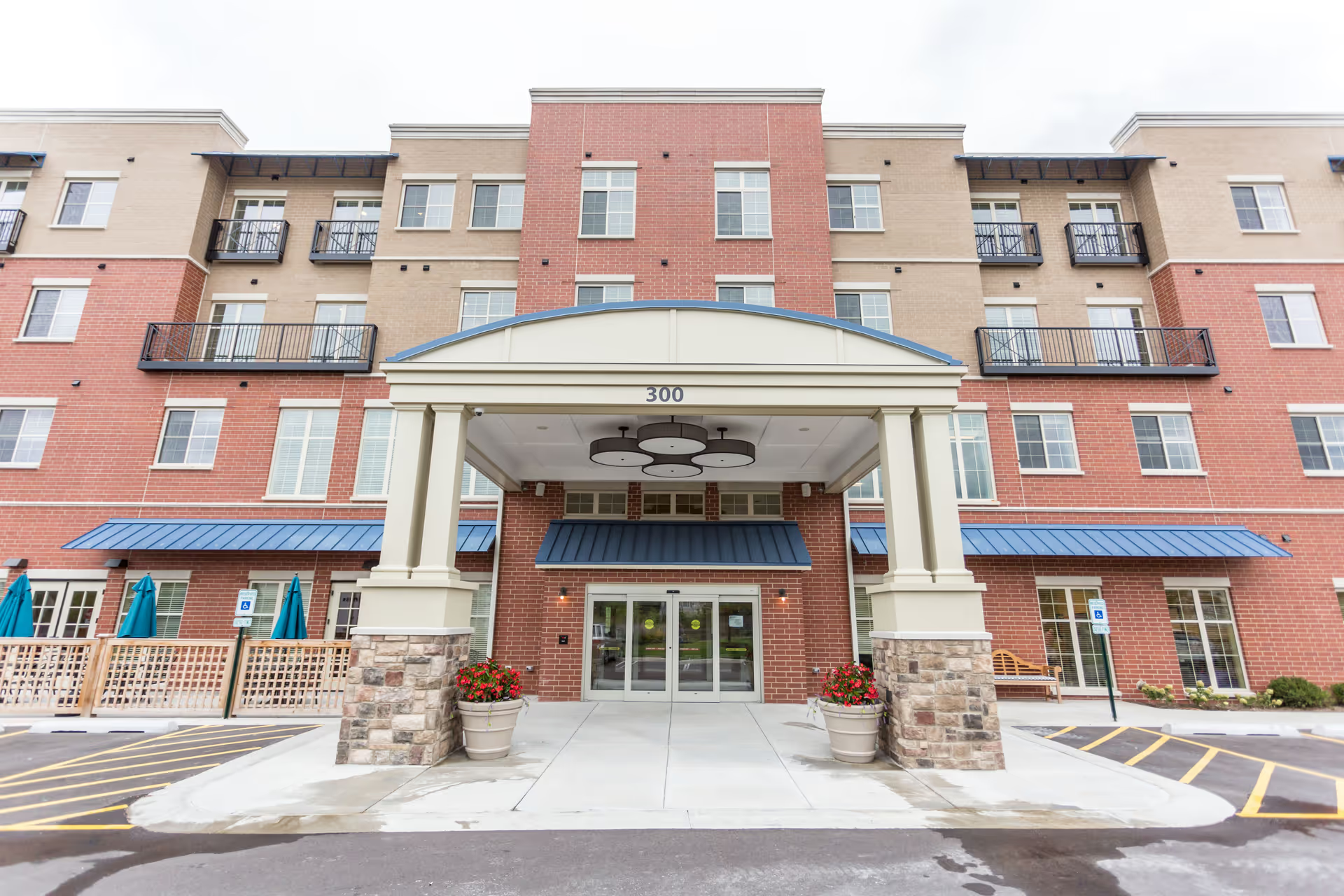
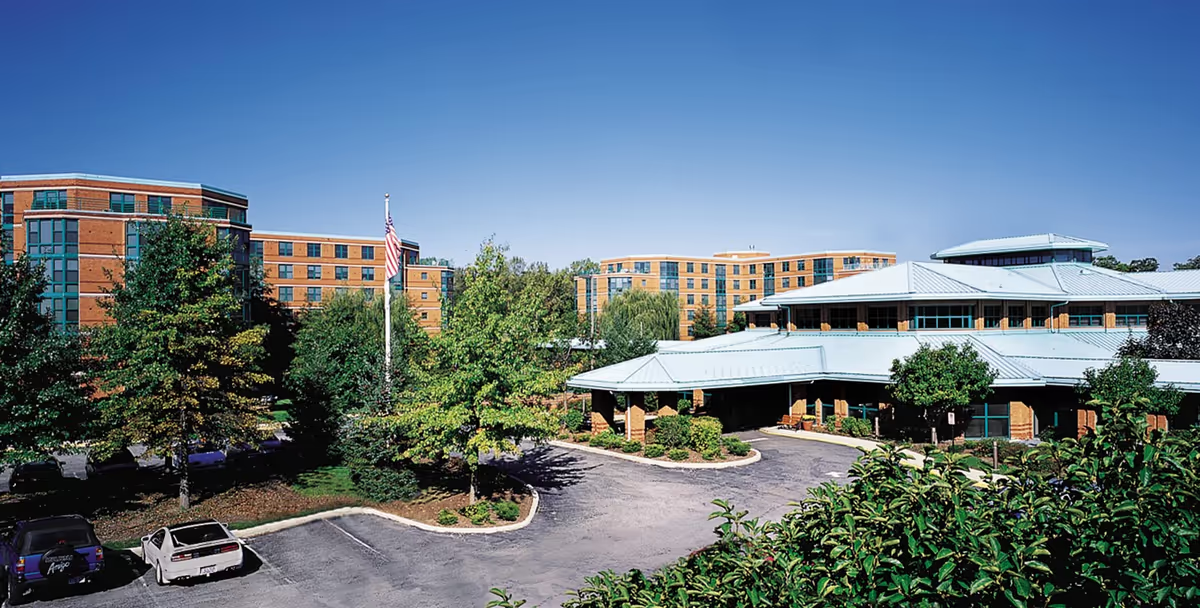
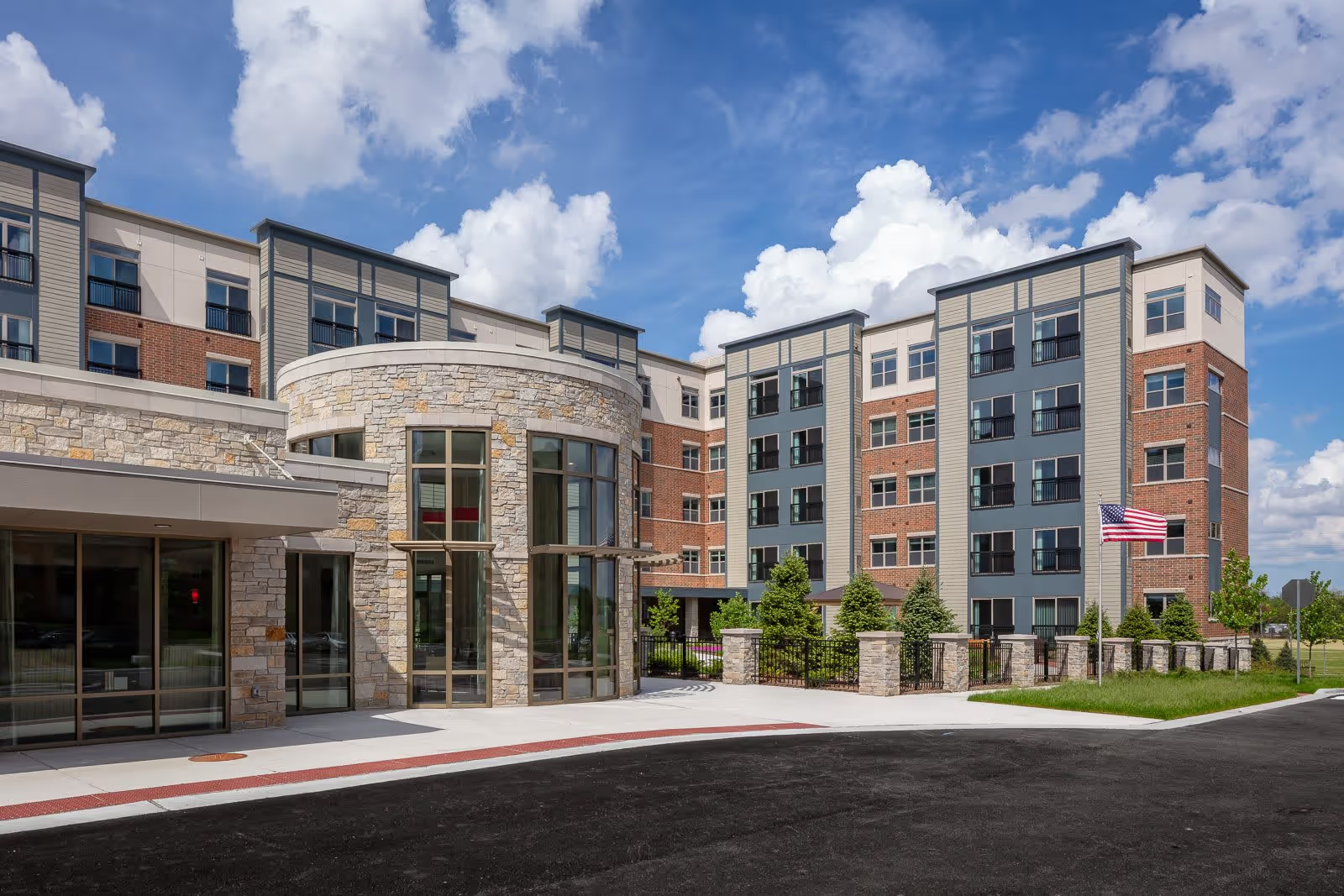
The Roosevelt at Salt Creek presents as a well-appointed senior living community with strong strengths in hospitality, amenities, and social programming. Reviewers consistently highlight a warm, family-like atmosphere and a stable caregiving team; staff at multiple levels are described as compassionate, attentive, and helpful during transitions. The property has undergone substantial renovations that reviewers praise for modern finishes, spacious remodeled apartments with updated kitchens, and hotel-like common areas. Onsite amenities—including a pool, theater, fitness spaces, and broad dining-room seating—contribute to an active lifestyle for independent and assisted living residents.
Care and clinical services show a mixed but largely positive pattern. Many families praised onsite rehabilitation, outpatient therapy, and access to an onsite medical group and podiatry. The community's infection-control practices and onsite vaccination efforts during COVID were cited favorably. At the same time, there are operational concerns around clinical follow-through: reviewers described delays or coordination gaps for specialty care, wound management, podiatry visits, and pain-medication timing. These observations suggest variability in clinical operations that prospective residents and families should explore during a tour and care-plan discussion.
Direct caregiving quality is frequently described as a major strength, yet several accounts indicate inconsistent performance among some direct-care staff and occasional responsiveness issues. Memory-care capacity is available, but there are recurring comments that the community may be less well suited for residents in middle-stage dementia who require wandering management or specialized behavioral supports. Prospective families should verify the community's protocols and staffing ratios for higher-acuity cognitive care.
Dining and activities are prominent assets. Many reviewers enjoyed varied menus, three-meal service, housekeeping, and a full activity calendar with trips, dances, and on-site programs. However, dining service execution is uneven in some accounts—examples include slow table service, inconsistent meal delivery, and occasional variability in food quality. The community also excels at social programming and events, creating regular opportunities for resident engagement and peer support. A noted operational trade-off is that ongoing renovation work has caused intermittent noise and disruption; similarly, some reviewers wished for more dedicated quiet or private activity spaces such as a library or permanent game room.
Management and move-in experience are often cited positively: sales and transition staff receive frequent praise for being informative, non-pushy, and supportive, and move-in logistics are described as smooth in many cases. That said, reviewers also describe administrative accuracy issues like schedule errors, misspellings, and communication gaps; these administrative items may be important to clarify before committing. Cost and payment structure are other practical considerations: several comments point to high entrance fees and limited payment flexibility, which may affect affordability for some families.
Overall, The Roosevelt at Salt Creek appears to offer a high-quality physical environment, robust amenity set, and an engaged community culture supported by largely compassionate staff. The primary patterns to investigate further during a visit are clinical-coordination reliability, dementia-care fit for higher-acuity cognitive needs, dining-service consistency, and the current scope and timing of renovation-related disruption. Families seeking a socially active, well-renovated community with strong hospitality should consider a tour and targeted questions about clinical protocols, staffing, and billing terms to ensure alignment with individual care needs.