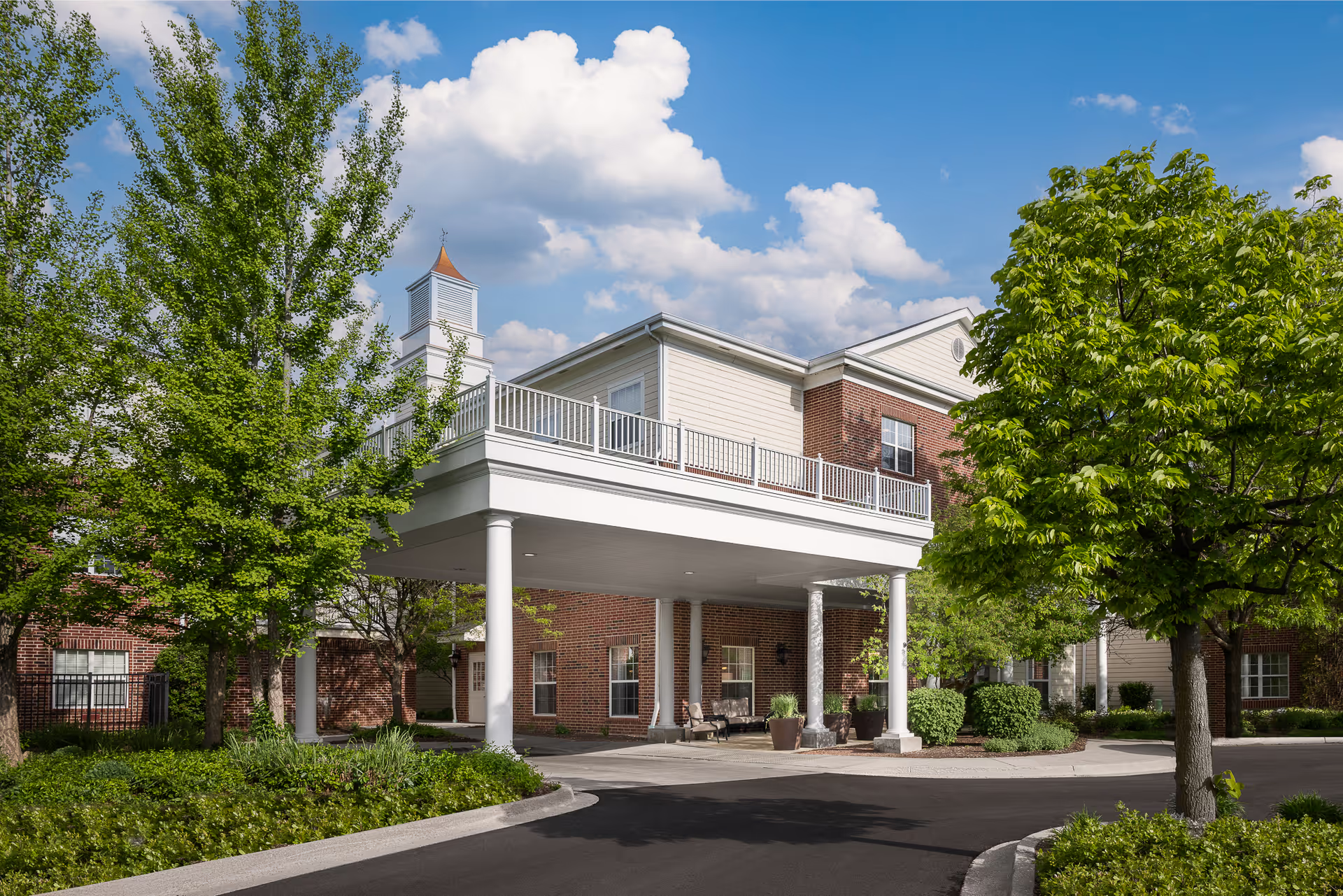
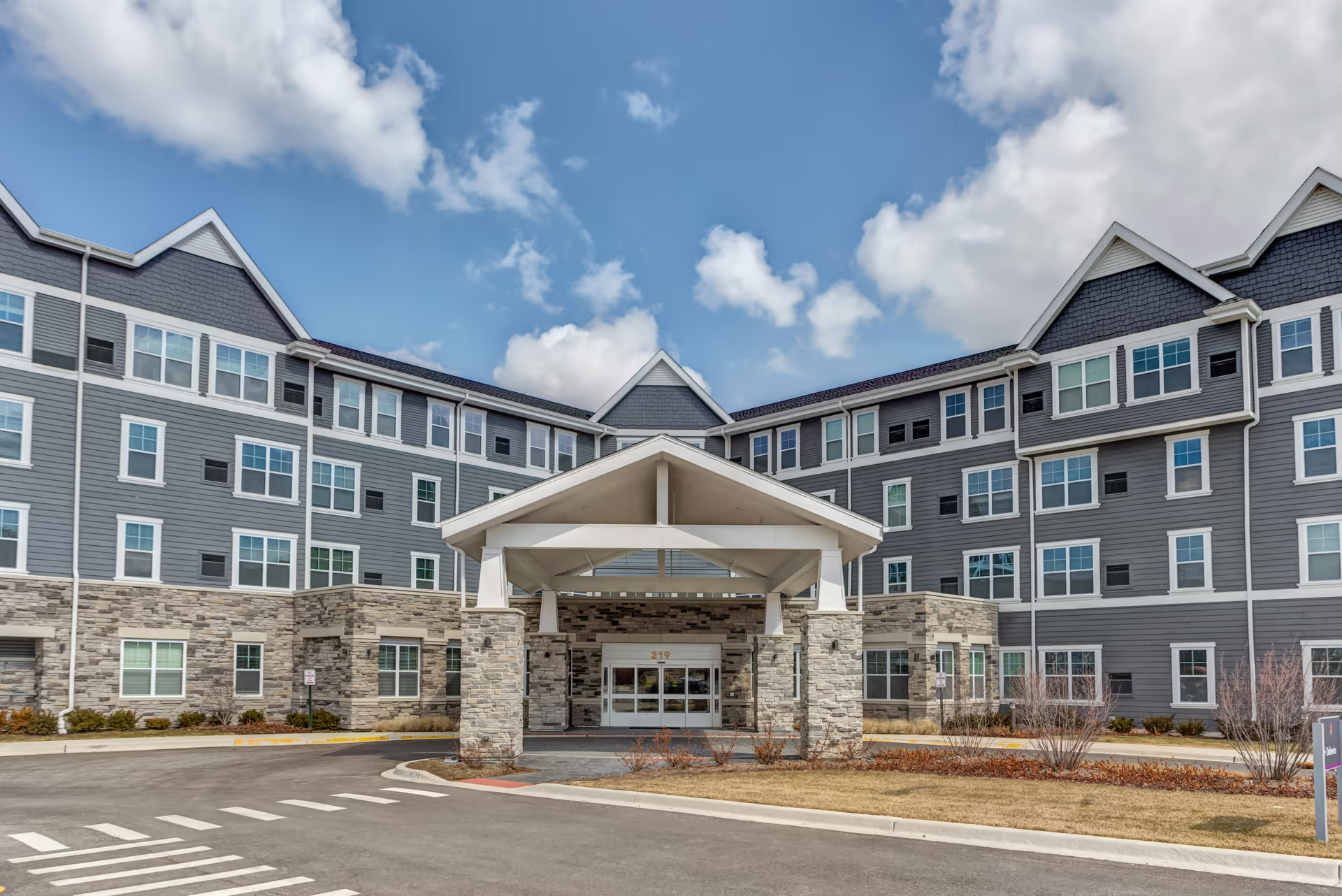
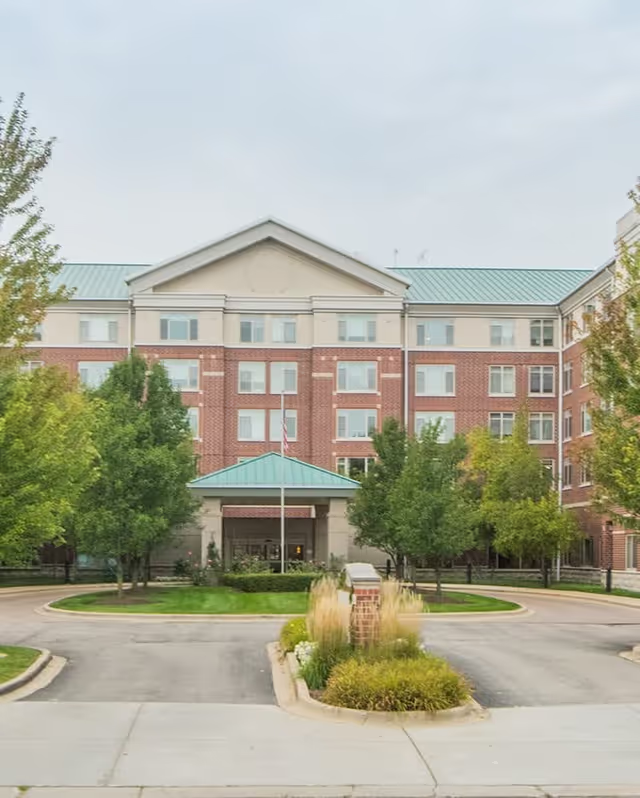
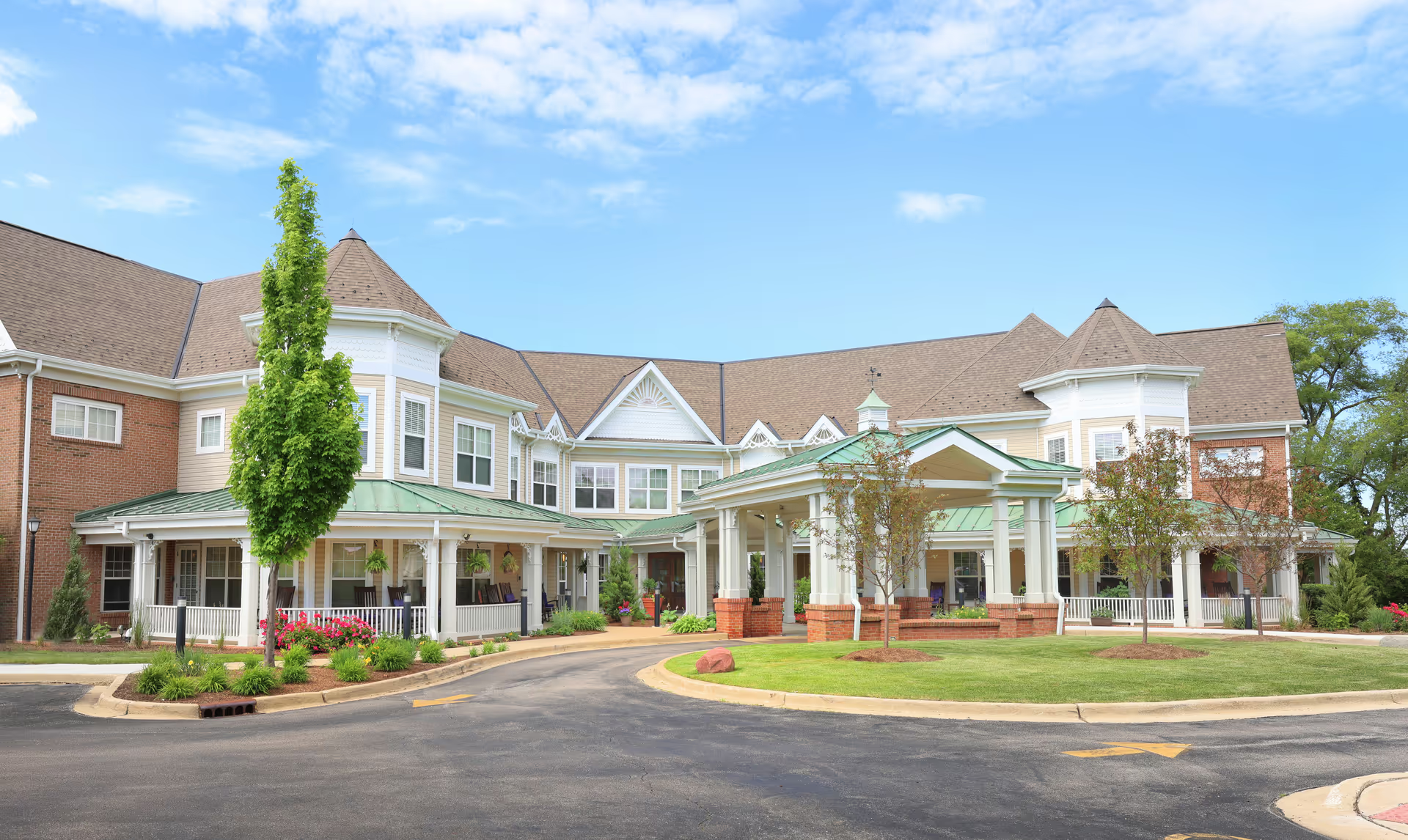
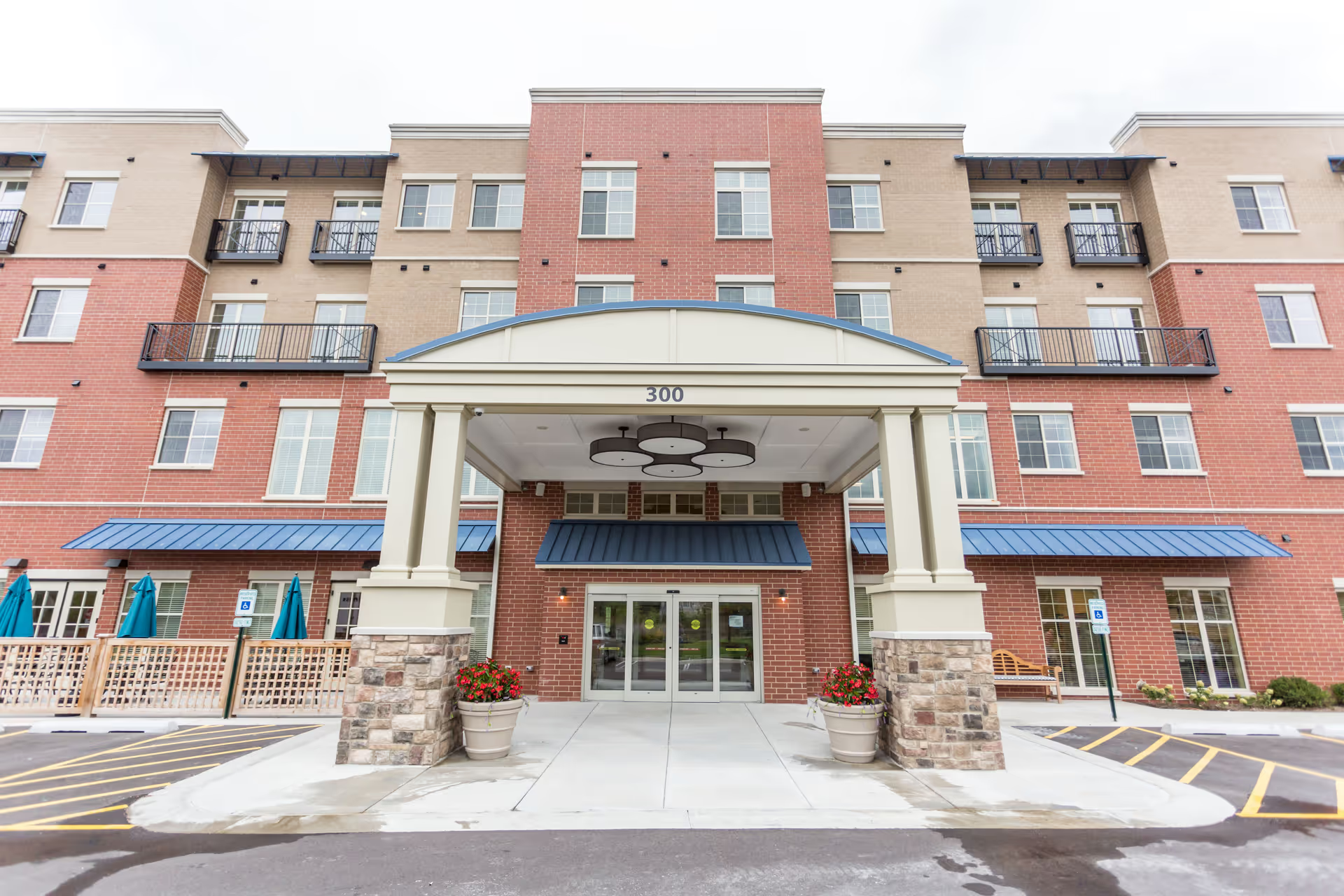
Overall impression: Reviews present a facility that many families find warm, well-kept, and focused on memory-care programming, with repeated praise for caregiving staff, activities, and the residential environment. Strengths most consistently cited include compassionate, engaged caregivers, a strong activities calendar tailored to cognitive needs, and an atmosphere described as bright, home-like, and tidy. Several families emphasize the benefit of the community’s smaller size and private-room options, which they feel support personalized attention and a calmer setting for residents with dementia.
Care and clinical oversight: Clinically, the facility has visible strengths — on-site nursing coverage, access to clinicians, routine health checks, and staff who are described as attentive to daily medication and nutrition. Many families commended nursing staff and named caregivers for hands-on, individualized care. At the same time, reviews reveal a pattern of operational clinical concerns: leadership turnover and gaps in sustained clinical oversight have coincided with increased reliance on agency nurses and uneven caregiver continuity. These operational patterns are associated with specific concerns about medication-administration processes, care coordination for changing medical needs, and occasional delays in staff responsiveness.
Staffing and culture: Staffing quality emerges as the single most mixed area. Numerous comments highlight standout employees and a generally compassionate staff culture, with specific activity, housekeeping, and caregiving personnel singled out for praise. Conversely, other accounts describe high turnover, use of temporary agency staff unfamiliar with residents’ routines, and variability in training and responsiveness. The result is a bifurcated picture: strong day-to-day experiences when stable, well-trained teams are present, and service-quality gaps when staffing is inconsistent.
Dining, activities, and amenities: Dining is frequently praised for quality, accommodating special diets, and personalized attention; reviewers also note themed meals and family-event dining. A minority of comments point to limited meal-choice consistency or an ala carte approach that feels restrictive to some families. Activities are a clear institutional strength — music, crafts, exercise, themed events, pet therapy, and family nights are routinely reported. The physical plant is described as well maintained, with bright common areas, easy layouts, private visiting rooms, and effective safety features. Housekeeping and cleanliness receive strong positive feedback overall, though isolated sanitation and laundry-process lapses are noted.
Management and communication patterns: Family communication and engagement are often cited positively when leadership is stable — administrators who attend events, publish activity newsletters, and maintain open channels are praised. However, several reviews describe management turnover, inconsistent administrative responsiveness, and occasional billing or coordination issues. These patterns can amplify family concern when coupled with clinical or staffing irregularities. Prospective families should ask about current leadership stability, staff turnover rates, and the facility’s use of agency staff during tours.
What to watch for and recommended questions: For families considering this facility, the common trade-off is between a clearly strong memory-care program and possible operational variability tied to staffing and leadership changes. During a visit, ask about current clinical leadership, frequency of agency staff use, training and orientation processes for temporary staff, protocols for medication administration, capacity to manage higher-acuity wounds, laundry/sanitation quality controls, and how the facility communicates care changes and billing matters to families. Doing so will help assess whether the present operational environment aligns with the level of continuity and clinical oversight your loved one requires.