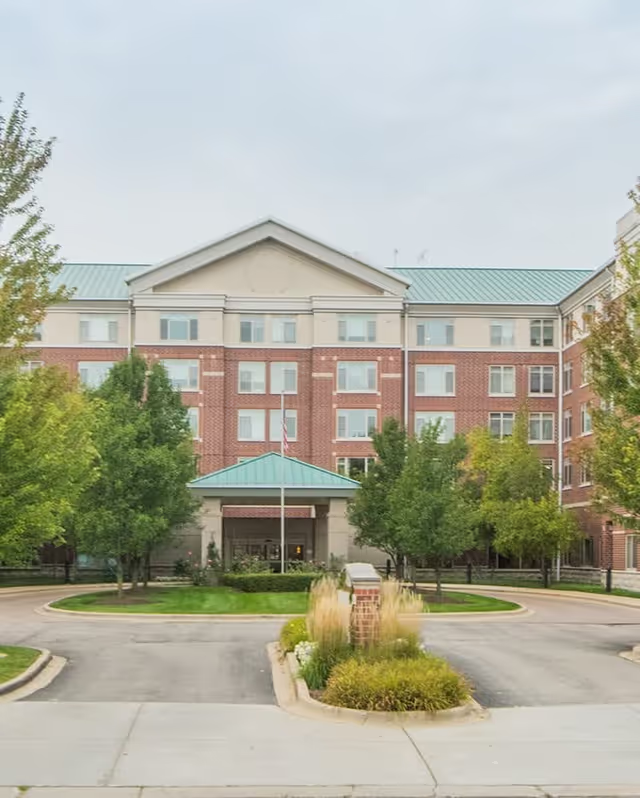
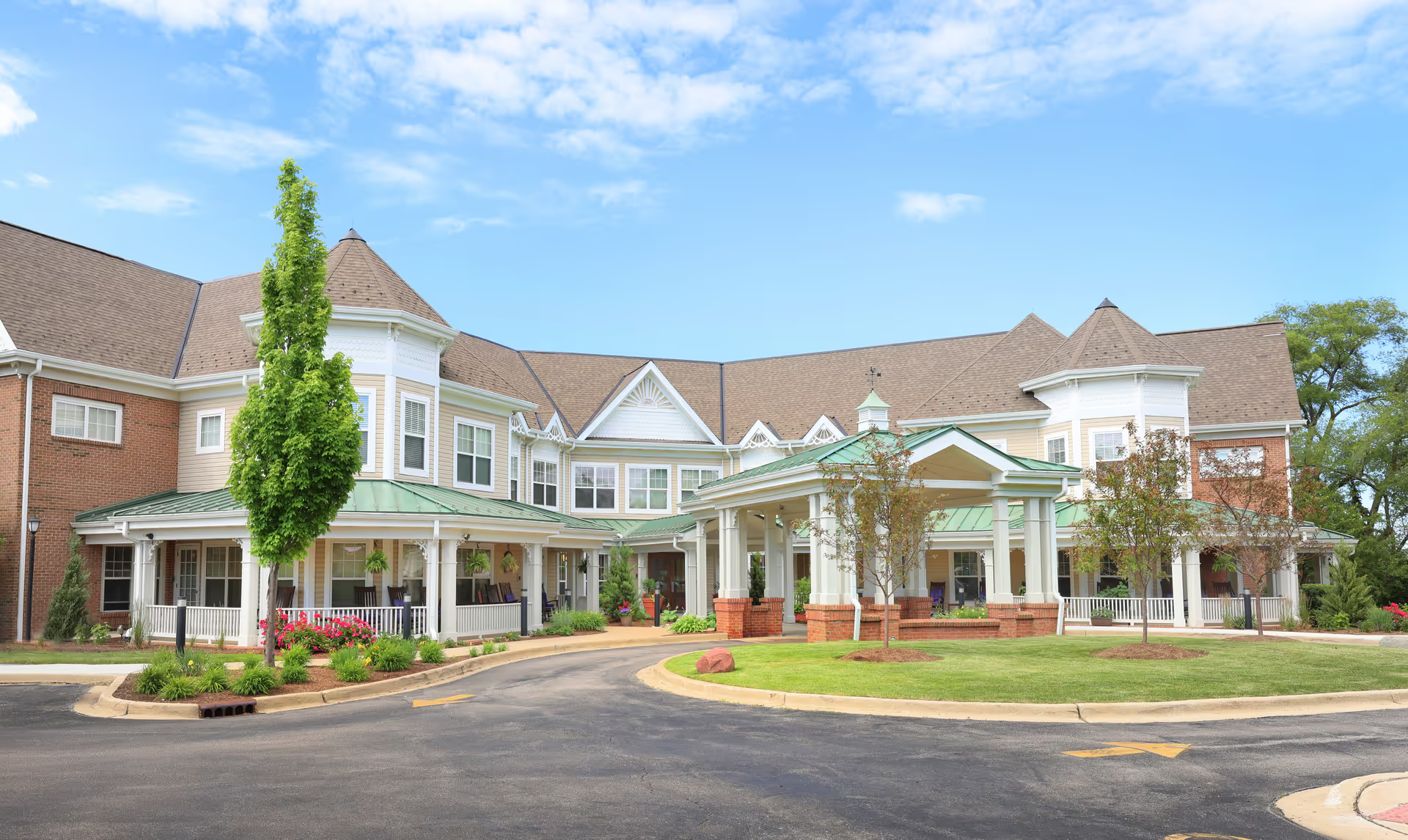
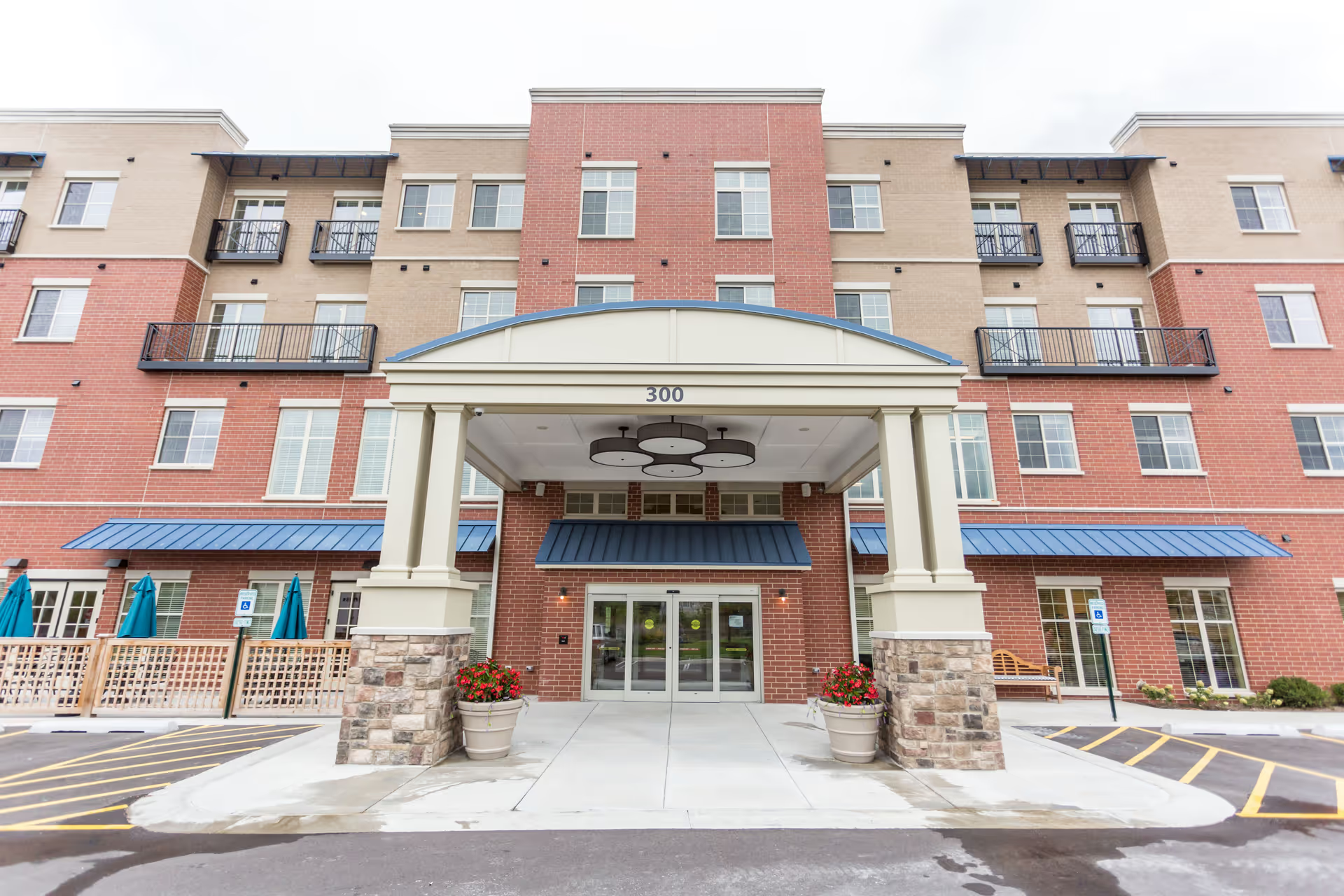
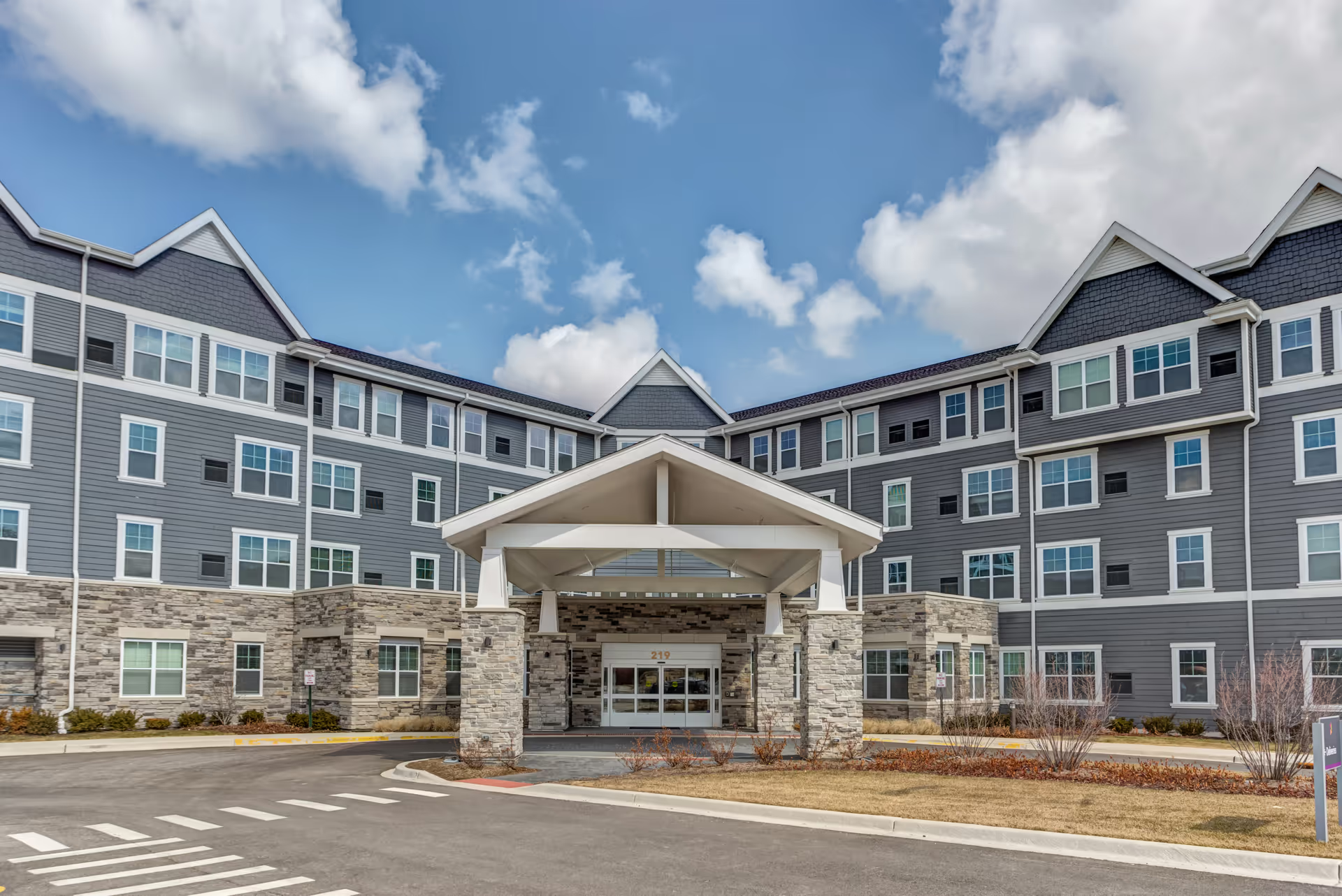
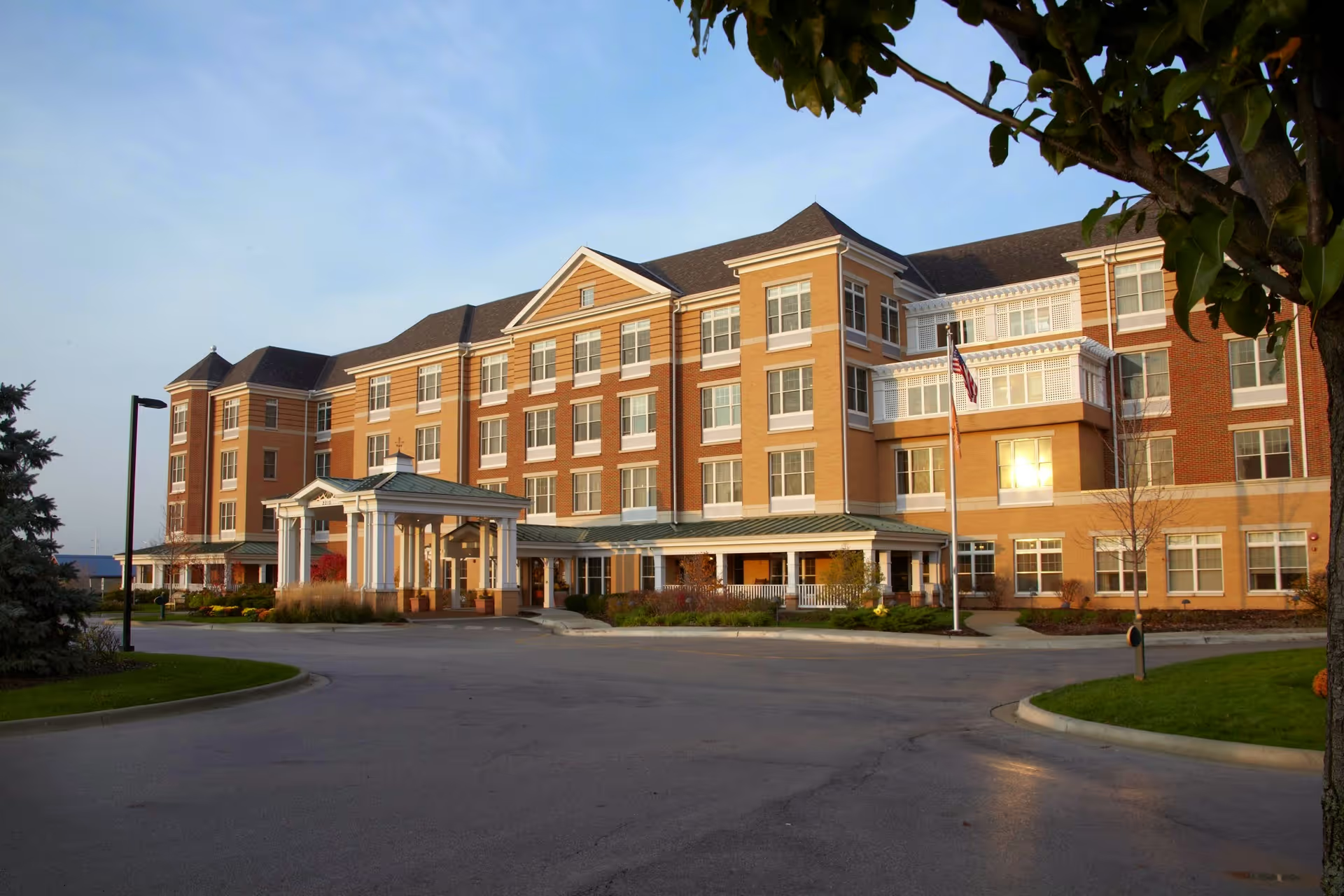
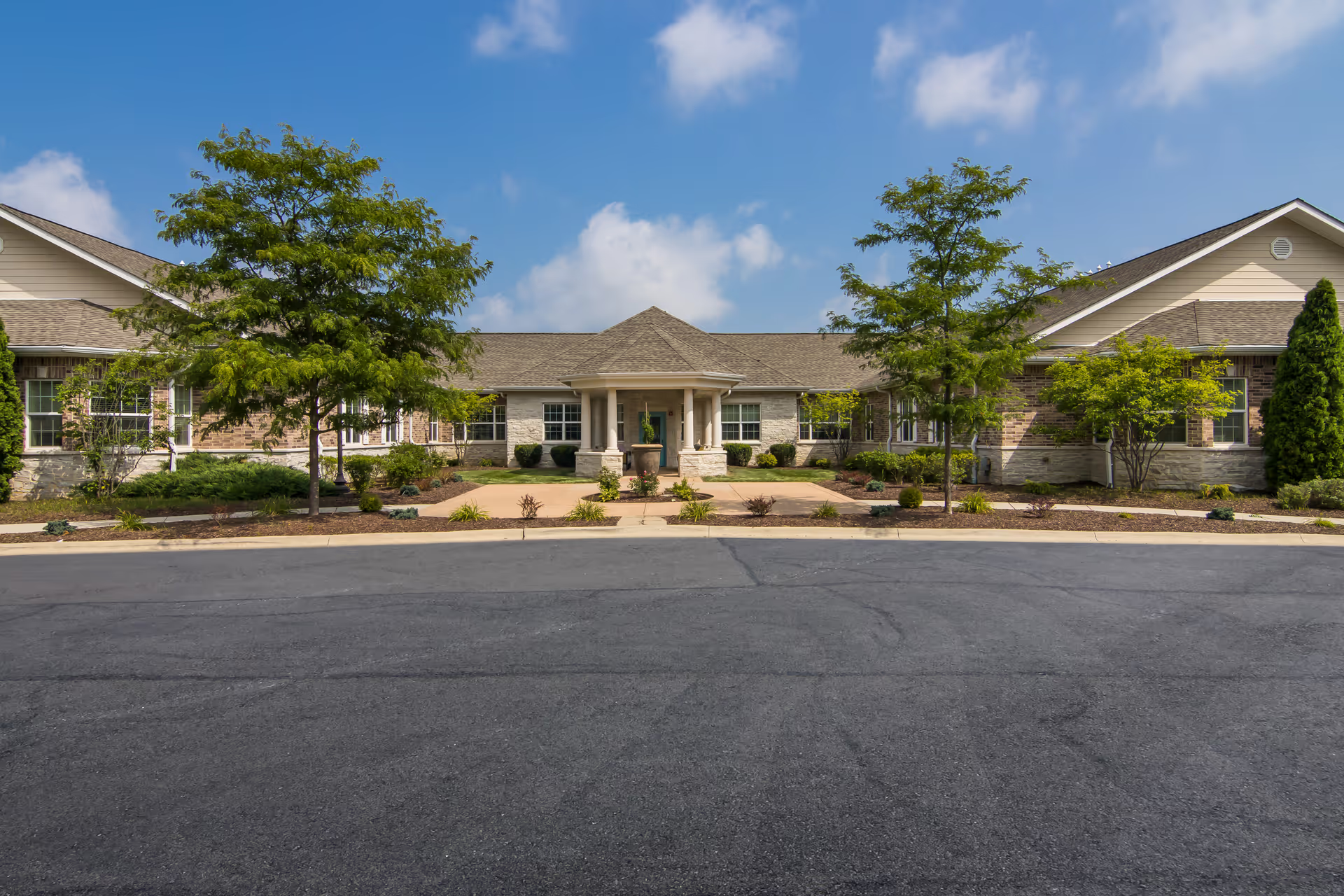
Maple Glen Memory Care Community is described overall as a modern, well-maintained memory-care environment with a clearly family-oriented culture. Reviewers consistently highlight the facility’s new, upscale construction, bright rooms, and pleasant outdoor courtyard. Housekeeping and general cleanliness are commonly cited as strengths, and the décor and reminiscence-focused design contribute to a memory-supportive atmosphere.
Care quality impressions are mixed but lean positive: many families praise the compassion, patience, and dementia-specific skills of nursing and direct-care staff. Reviewers note that caregivers and activities personnel often form close, individualized relationships with residents, which supports engagement, socialization, and a sense of home. The community’s hospice partnership and end-of-life support were singled out as strengths in providing dignity and comfort when needed.
Dining and activities receive frequent positive comments. Meals are described as tasty and nutritionally appropriate, and the activities program is characterized as creative and well-run, with energetic directors who tailor engagement to residents’ cognitive abilities. Communication with families is a commonly mentioned strength — routine newsletters, photos of activities, and direct outreach from staff provide families with visibility into daily life and contributed to reports of peace of mind for many relatives.
Facility operations show areas of concern that prospective families should evaluate further. Several reviewers described administrative inconsistency and disorganization, including lapses in timely care-plan updates and coordination. Staffing continuity and turnover were recurring operational themes; inconsistent staffing levels can affect day-to-day responsiveness and supervision. Related clinical-process weaknesses were noted, including fall-prevention practices, infection-control vigilance, and tracking of personal items, all of which point to gaps in operational controls rather than the quality of frontline caregiving alone.
Front-desk continuity and reception coverage were called out as uneven in a subset of accounts, and some families perceived variability in activity availability despite overall praise for the program. A number of reviewers also referenced cost as relatively high compared with alternatives; financial flexibility and pricing should be discussed during touring and contracting.
In summary, Maple Glen presents as a well-appointed, memory-focused community with many strengths in caregiving warmth, activities programming, dining, and environmental design. Those positives are tempered by operational challenges around administration, staffing continuity, and certain clinical and property-management processes. Prospective residents and families will likely find the community’s culture and direct-care staff appealing, but should probe specific protocols for falls, infection control, personal-item handling, and how the community ensures timely care-plan updates and front-desk coverage during the tour and contract discussions.