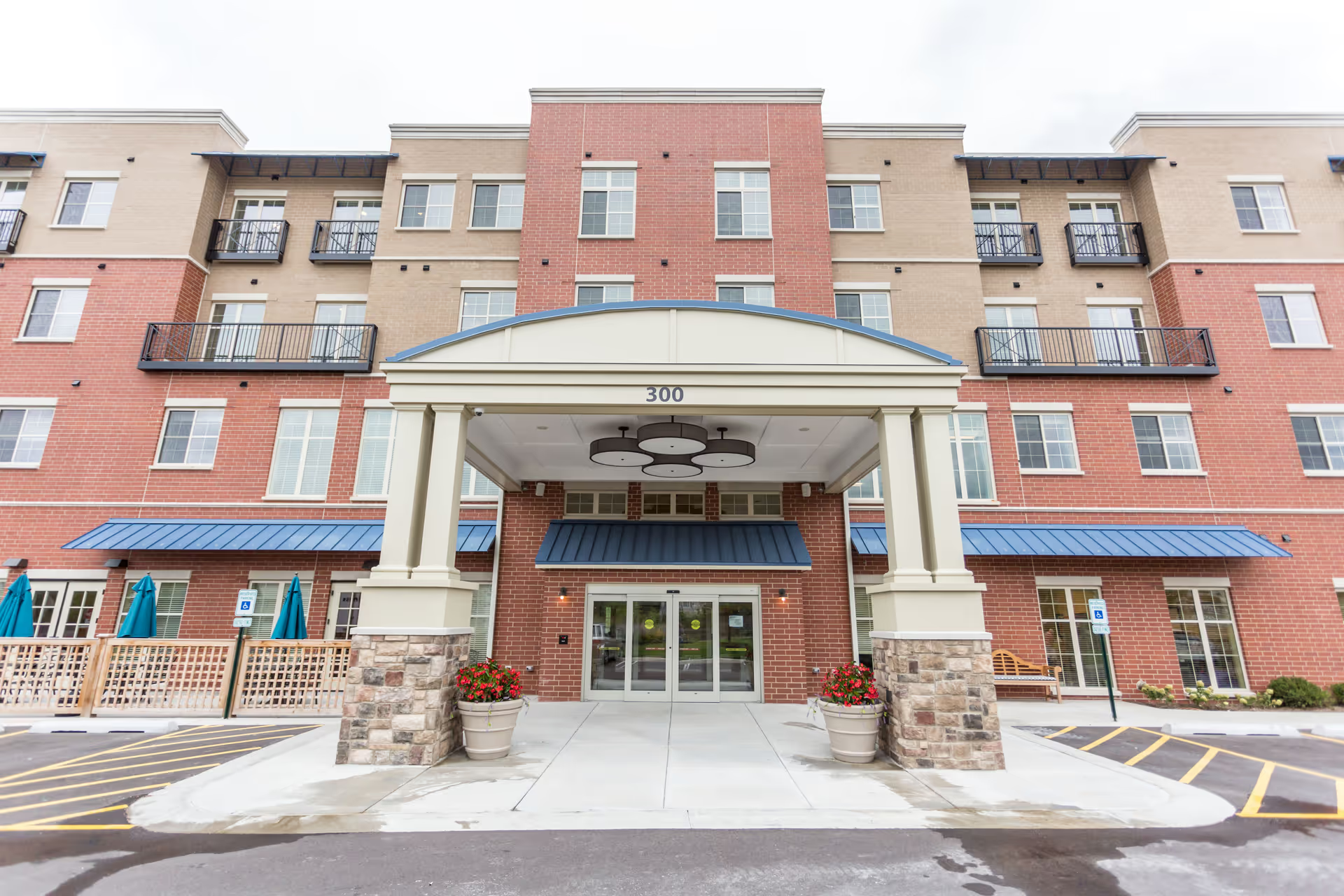
Alto Wheaton is generally described as a clean, recently constructed community with a strong emphasis on personalized care. Reviewers frequently highlight compassionate nursing and caregiving, an attentive front desk, and management that communicates proactively with families. The community’s memory-care unit receives consistent praise for warm, individualized attention and engagement. On-site therapy and rehabilitation services (PT/OT) are noted as professional and helpful, and many families cite effective safety systems such as timely call-button responses.
Staff and leadership are commonly seen as strengths: reviewers cite friendly, familiar interactions, staff who know residents by name, and executive-level responsiveness during move-ins or clinical questions. That said, staffing patterns are uneven by shift and time: turnover and variability in night-shift coverage and occasional comments about younger or less experienced staff create inconsistent experiences. Prospective families should ask about current staffing levels, turnover history, and how the community staffs higher-acuity shifts or weekends.
Dining and food service elicit mixed feedback. Several families praise nutritious, visually appealing meals and attractive dining spaces, while others describe inconsistencies in food quality, portioning, and dining-room service. Kitchen transitions and variable server attentiveness were mentioned; reviewers also raised concerns about hidden service fees. It would be prudent to inquire about menu variety, portion sizes, dietary accommodations, and how the community handles service lapses.
Activities and social life are a visible part of the community culture. Alto Wheaton offers a range of programs—movie nights in a theater, baking, puzzles, exercise classes, gardening/greenhouse activities, and family events—that support engagement, especially on the memory-care floor. Because the facility tends toward a small-to-mid size and a family atmosphere, activity breadth can be narrower than in larger campuses; families seeking a very wide range of specialty programming should compare offerings directly.
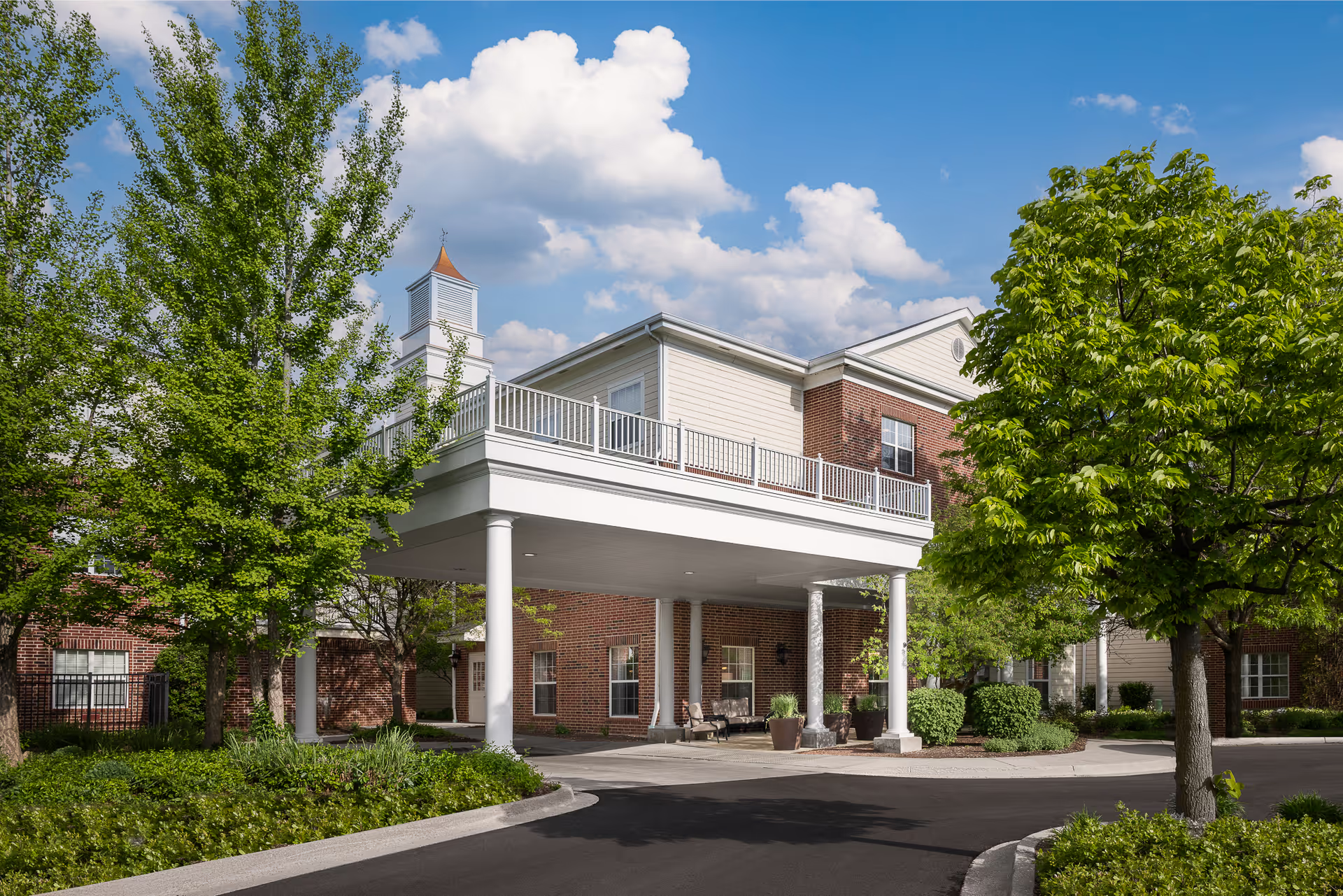
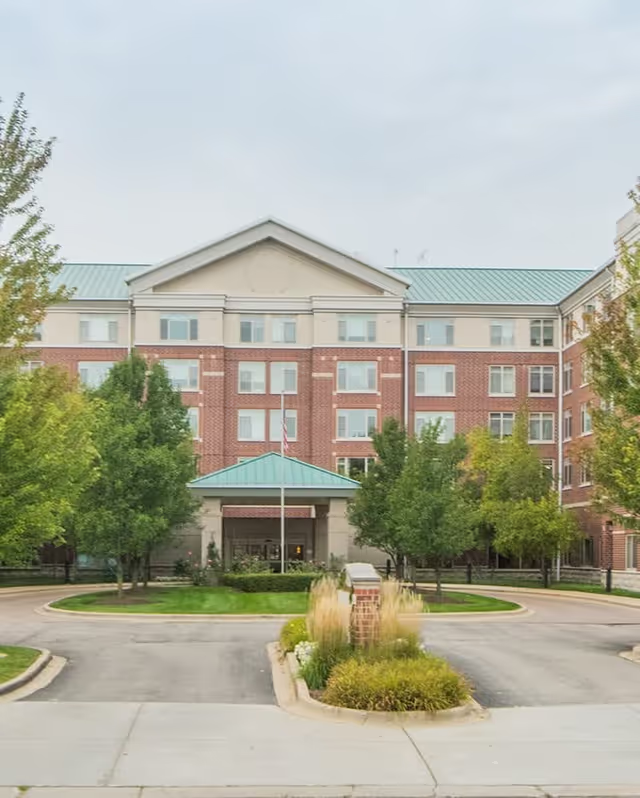
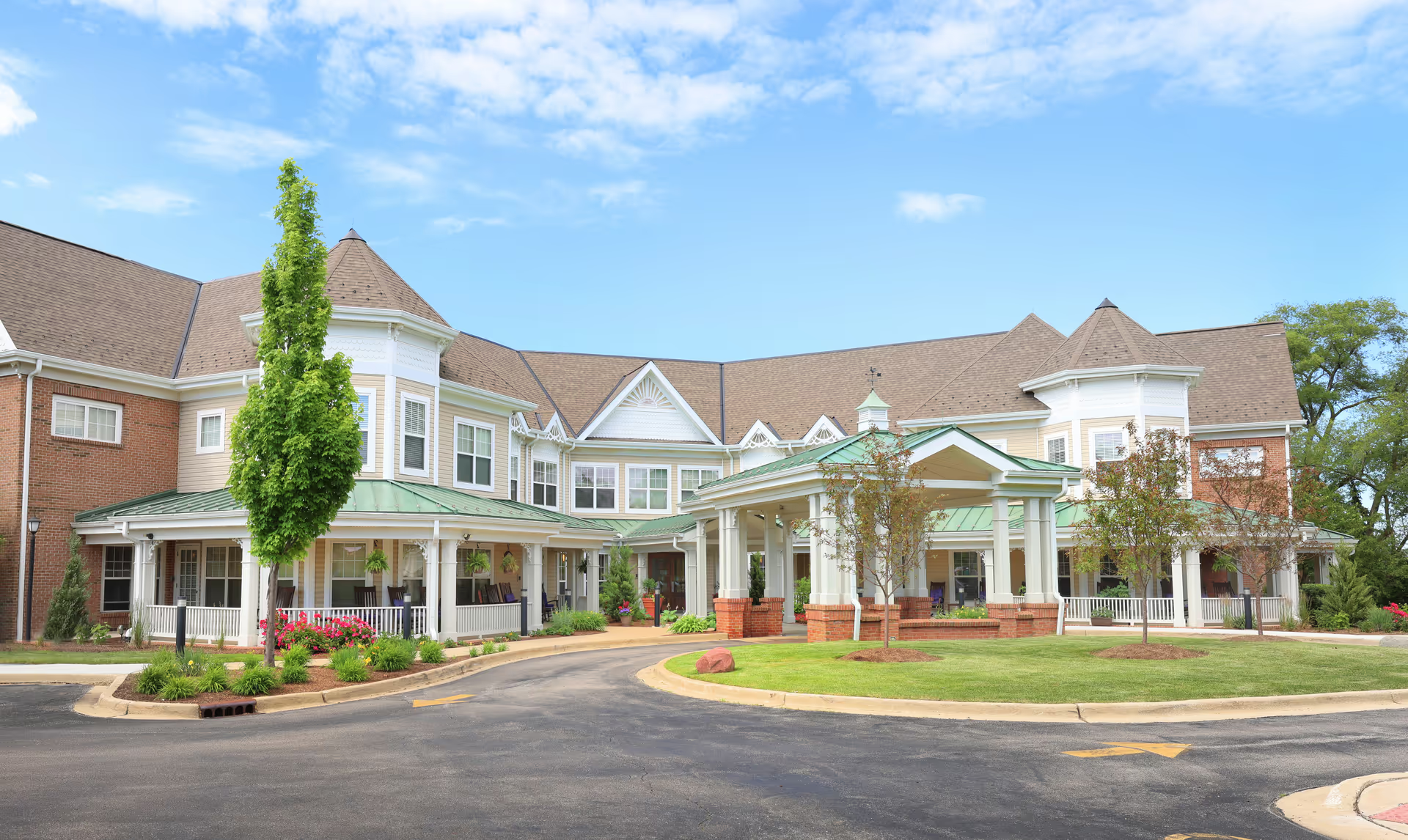
The physical environment is frequently described as attractive and well-maintained: modern apartments, pleasant common areas, and amenities such as a theater, gazebo, and a modest fitness area. A few operational issues recur—limited exercise equipment, some maintenance nuisances (carpeting stains, an elevator button needing attention), and service gaps like laundry assistance—so confirm which resident services are included and how maintenance requests are handled.
Notable patterns to weigh: many reviewers recommend Alto Wheaton for families seeking personalized, safe, and clean memory or assisted living in a smaller, hotel-like setting. However, there are consistent caveats around staffing variability, occasional operational inconsistencies, and mixed dining experiences. A small number of serious, isolated incidents raised concerns about emergency response coordination and post-incident communication; prospective families should review the community’s incident-response protocols, emergency transfer procedures, and policies for family notification. Practical pre-visit questions include current staffing ratios, turnover rates, sample activity calendars, meal menus and service policies, vaccination and infection-control practices, and a clear list of included versus additional-fee services. Overall, Alto Wheaton appears to be a strong fit for those prioritizing attentive, personalized care and a newer, well-kept environment, while families prioritizing robust fitness facilities, the broadest possible activity roster, or strict budget constraints may want to compare alternatives carefully.