Across the collected reviews, Clare Oaks / The Oaks campuses generate a bifurcated portrait: many families and residents praise the clinical rehabilitation services, the caregiving staff, and the active, small-community environment; concurrently, a set of operational weaknesses recurs that can affect safety, communication, and long‑term satisfaction.
Care and staff: Positive commentary consistently highlights compassionate, knowledgeable nurses, CNAs, and therapists who deliver effective physical, occupational and speech therapy. Many accounts credit the therapy teams with meaningful functional gains and timely, well‑explained care plans. At the same time, reviews identify chronic staffing pressure in certain units that manifests as longer call‑light response times, delayed assistance with activities of daily living, and variability in night/weekend coverage. Several reviews describe coordination problems at transitions of care — early discharges, incomplete discharge medication lists, and family frustration with the discharge process — and there are isolated, serious concerns about clinical outcomes following transfers that prospective families should investigate during a tour.
Dining and daily living: The community offers a range of dining options, social meals, and special events; many residents praise variety and presentation. Other reports cite inconsistent meal quality, temperature and timeliness issues, and occasional restrictions or administrative barriers affecting dining access. Housekeeping and maintenance receive frequent compliments for cleanliness and upkeep of common spaces and rooms, but there are also mentions of sanitation and equipment‑maintenance inconsistencies in some semi‑private or skilled units that merit clarification when visiting.
Activities and memory care: Activity programming, transportation to community outings, a chapel with spiritual services, and on‑site amenities such as a pool and walking paths are recurring strengths that support socialization and well‑being. However, reviewers describe uneven programming in memory‑care and some long‑term units: while higher‑functioning units are praised for robust engagement, memory‑care areas are described by some as offering limited stimulation and lower staff engagement. Families evaluating memory care should ask for specific programming schedules, staffing ratios, and examples of individualized engagement.
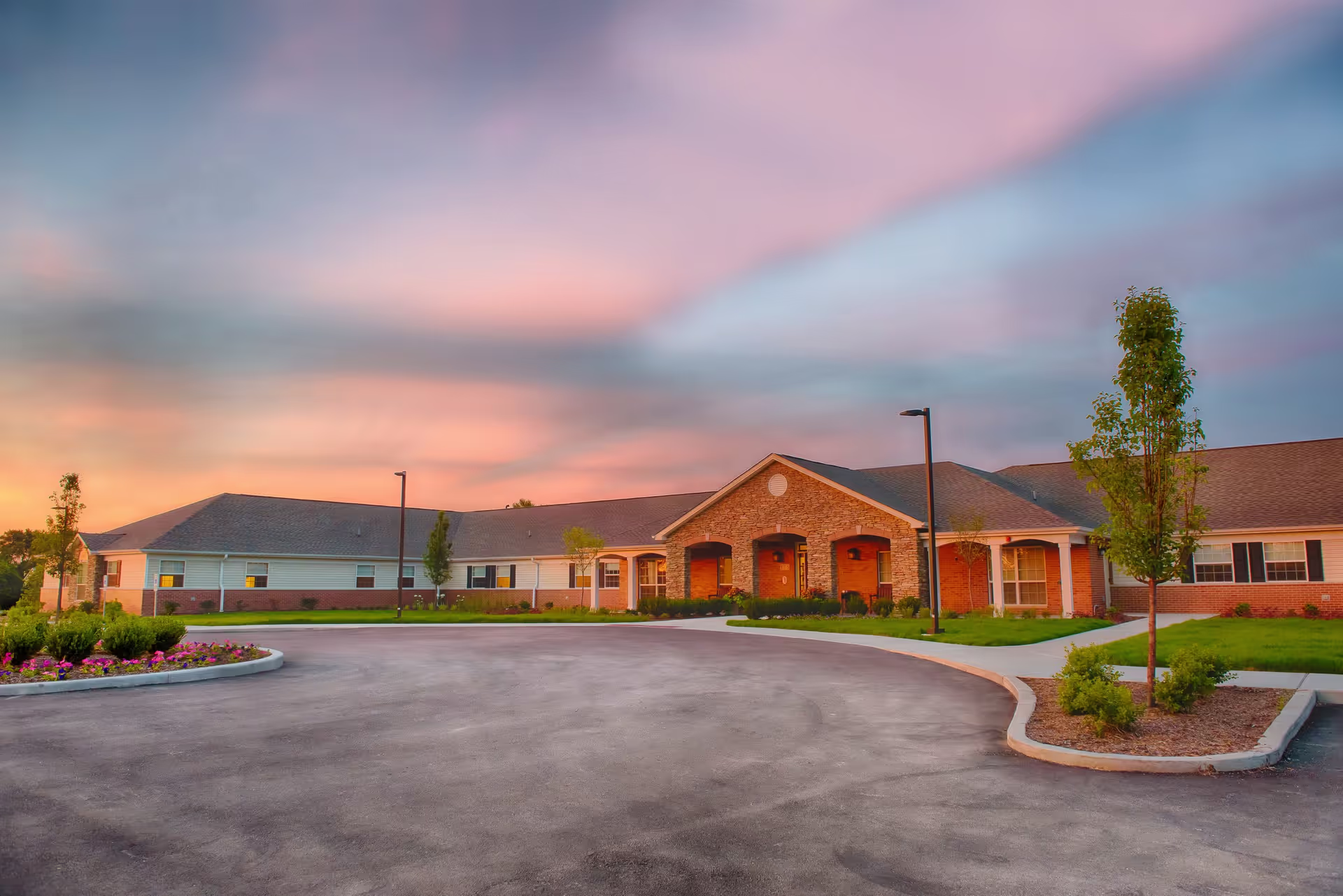
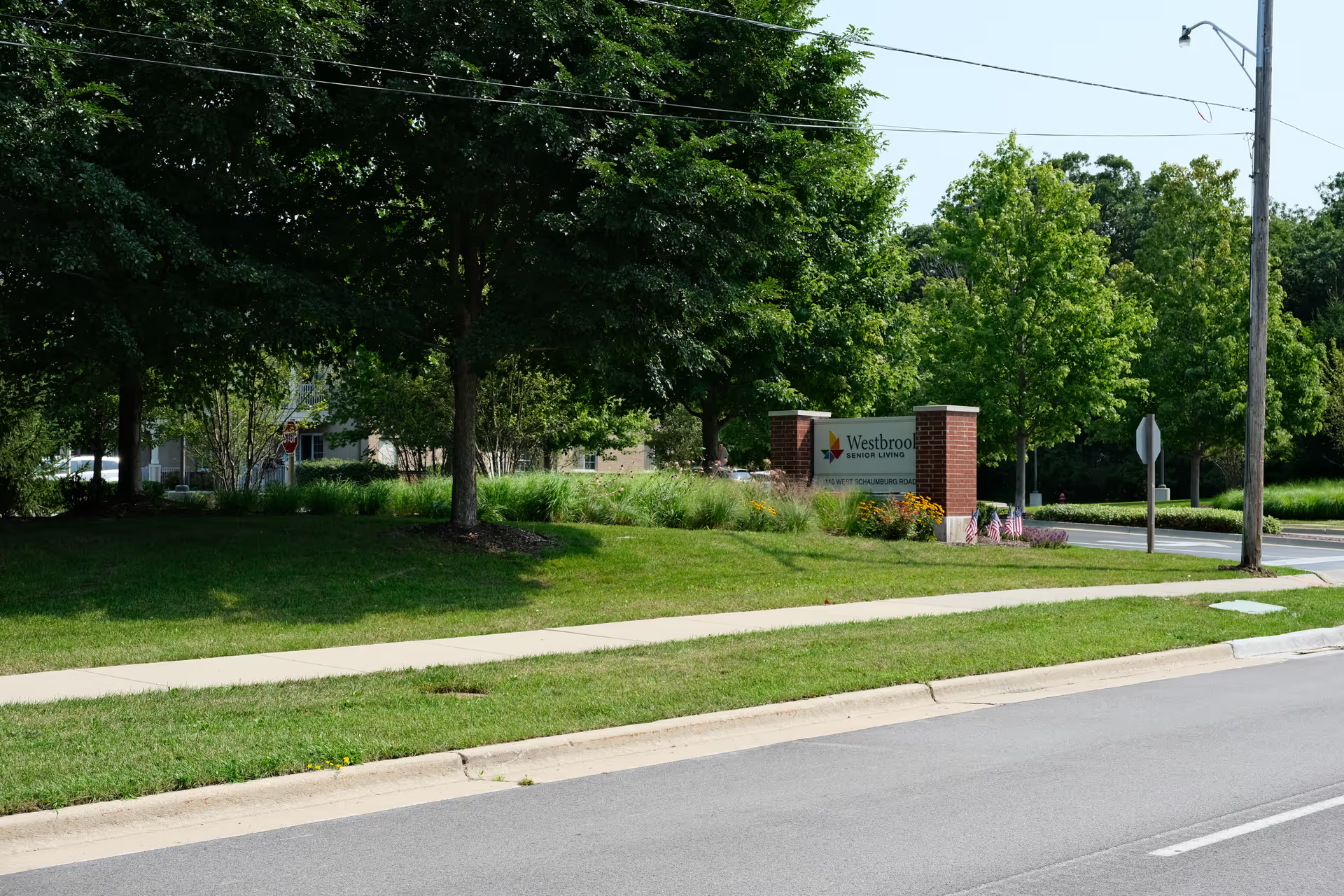
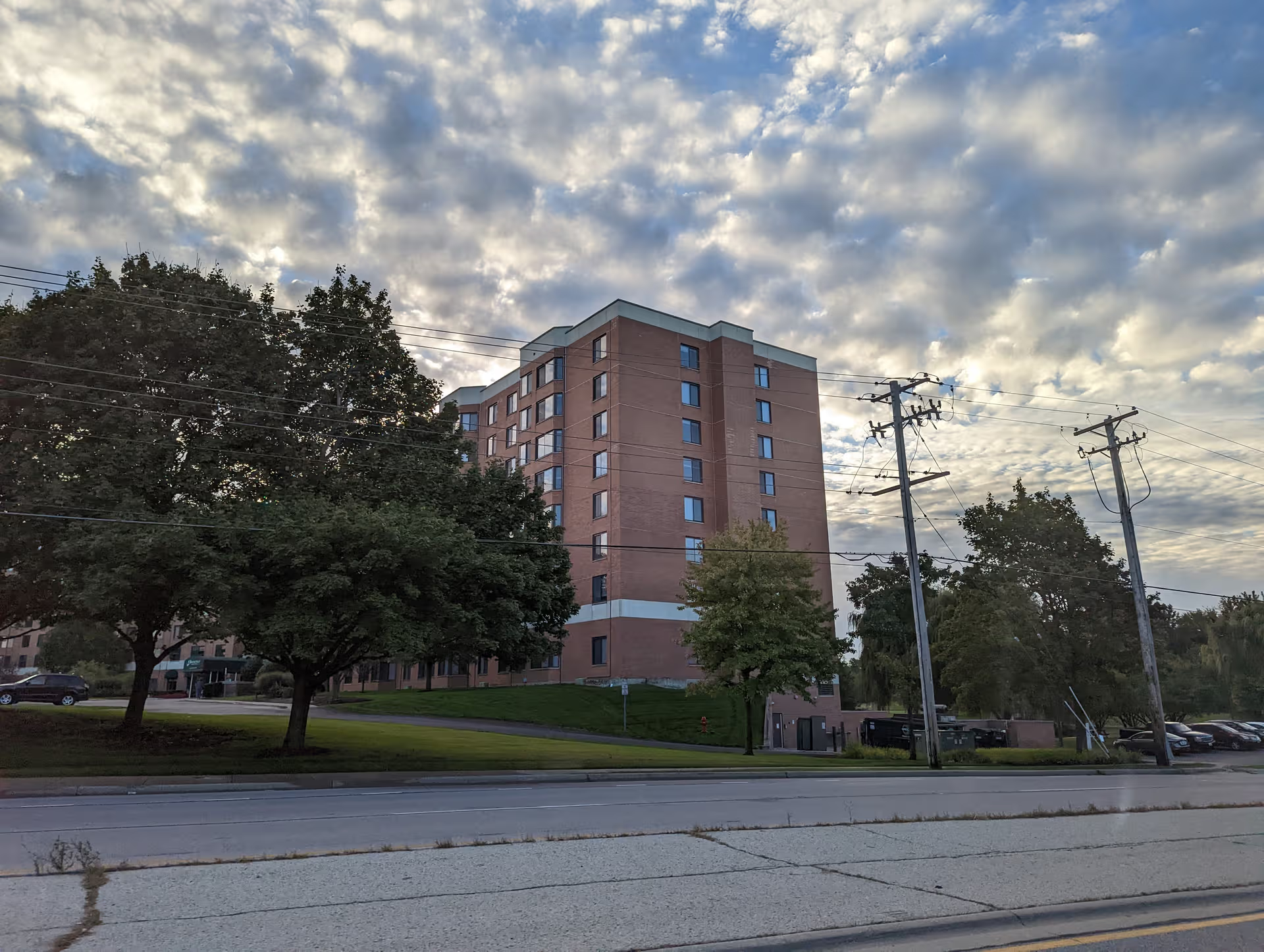
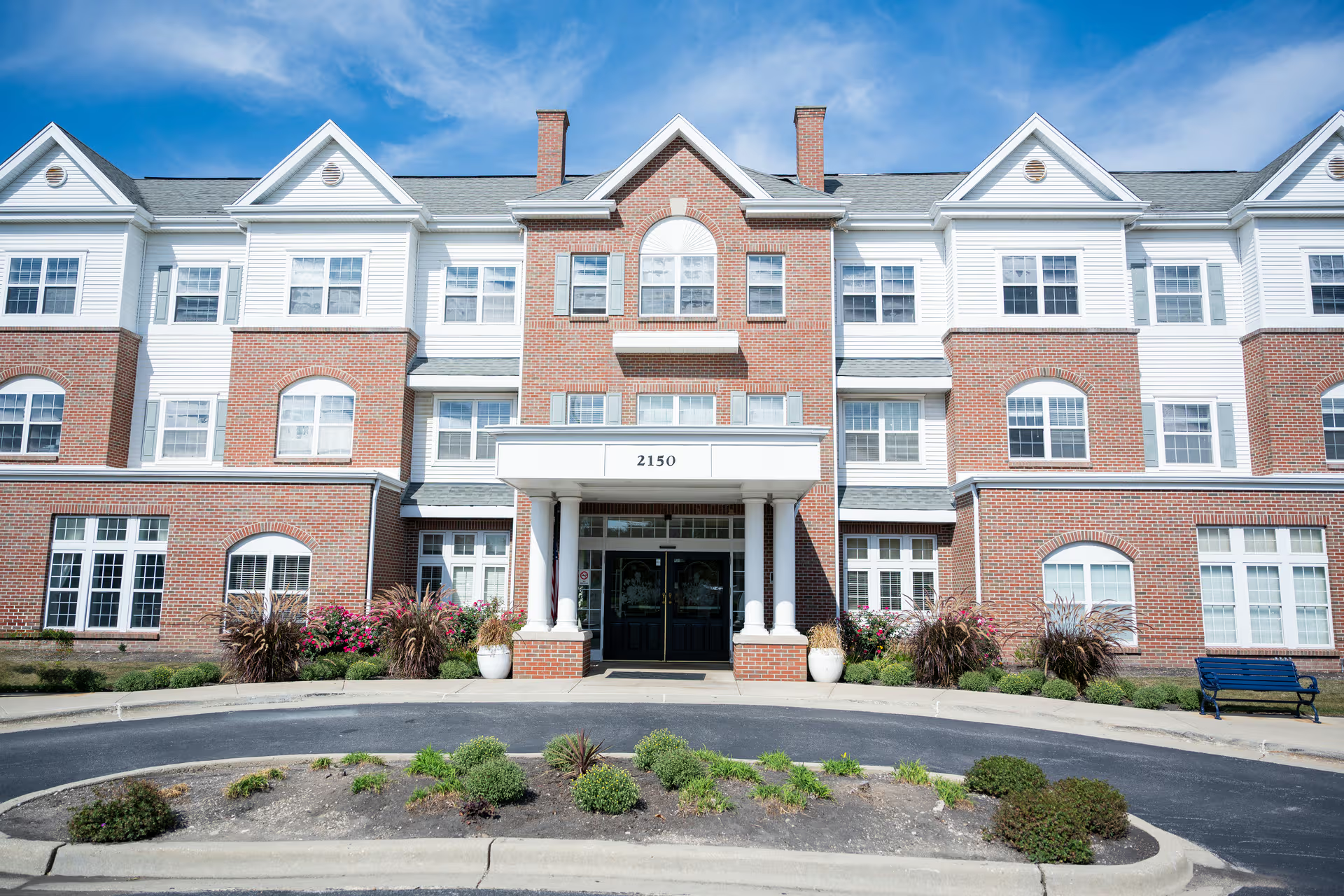
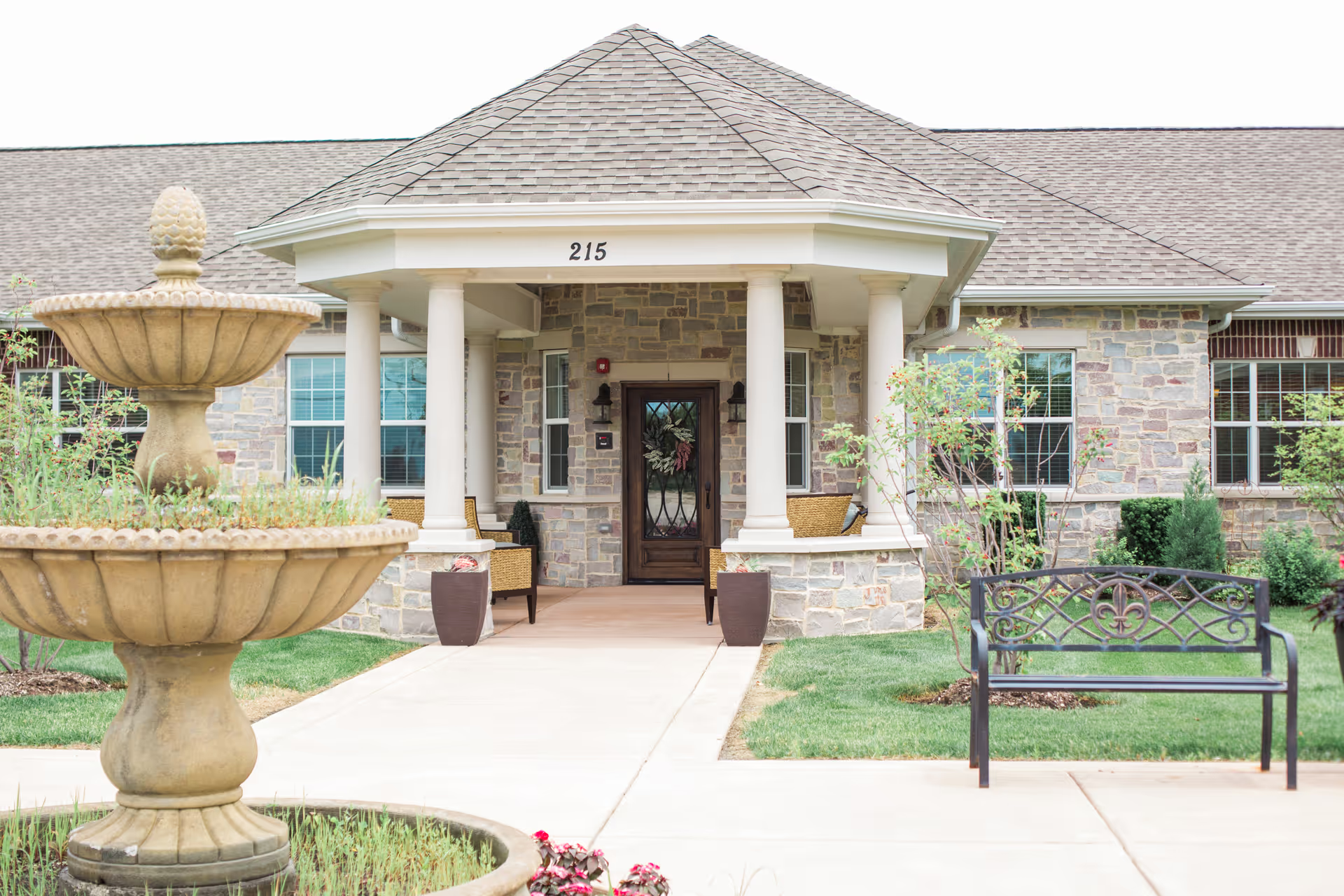
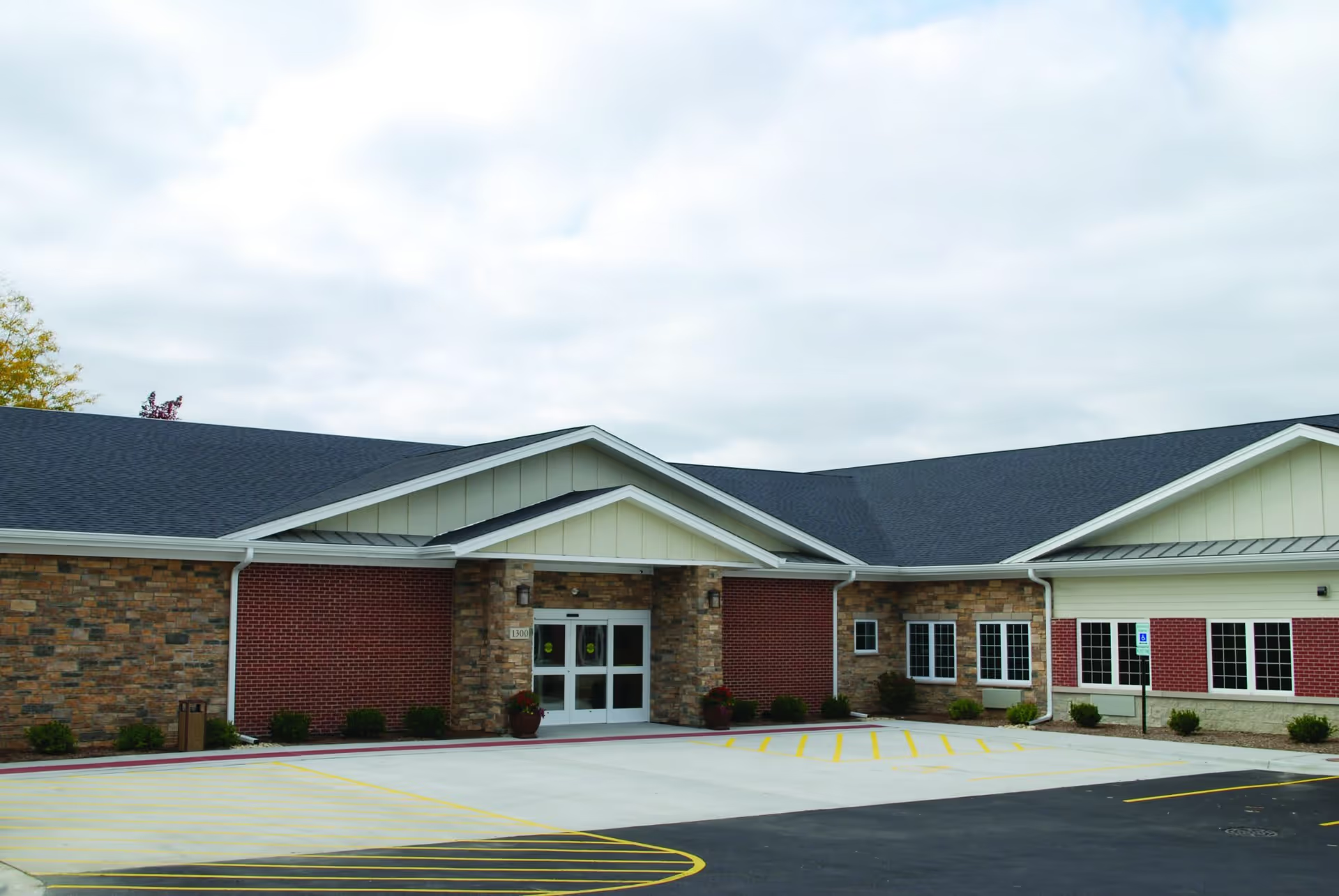
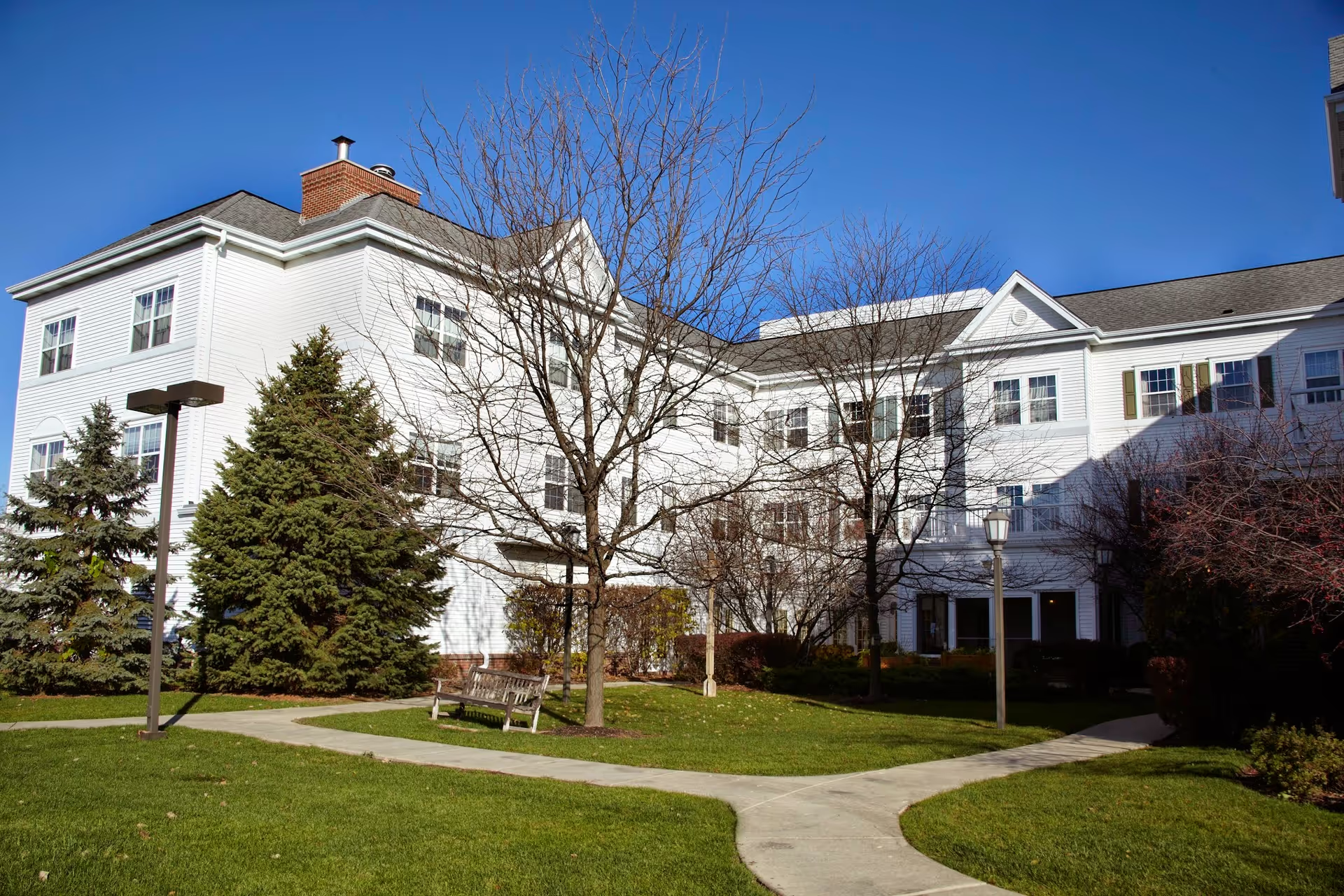
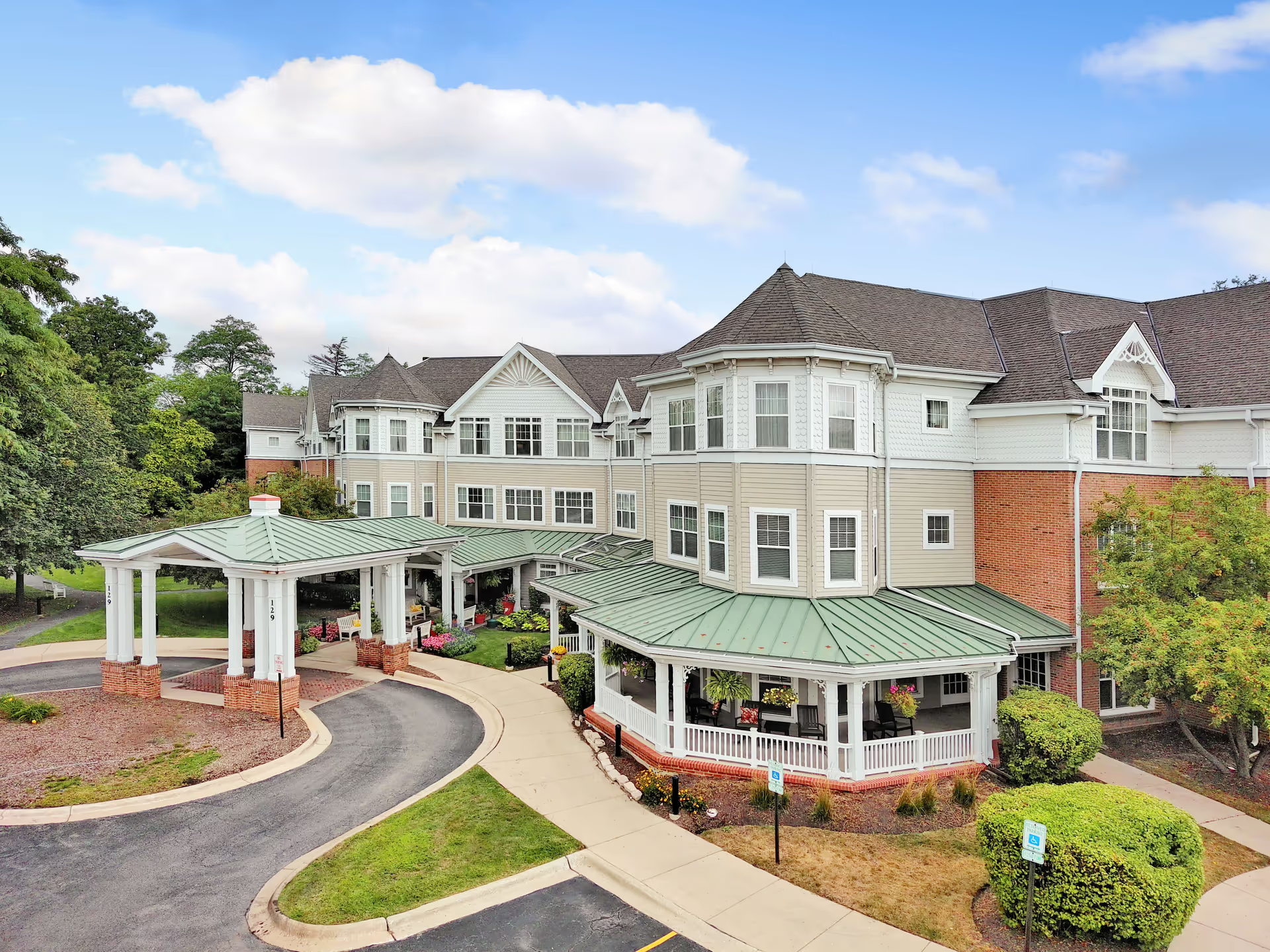
Facilities and administration: Many reviewers report a welcoming, homelike environment, pleasant apartment layouts, and well‑maintained grounds. Conversely, transitions in ownership and isolated administrative issues — including accounting or buy‑in disputes and references to legal or financial controversies — appear in the review set. These items point to the need for prospective residents to review contractual terms, refund/condo policies, and recent operational changes with the community’s leadership.
Notable patterns and advice for families: The dominant positive theme is high‑quality rehab and many instances of attentive, healing‑focused staff; the dominant concerns are operational: inconsistent staffing levels, communication and discharge planning gaps, variability in dining and memory‑care programming, and occasional medication/coordination problems. There are also isolated serious safety and post‑transfer outcome concerns referenced in the feedback. Prospective residents and families should arrange an in‑person visit focused on unit‑level differences (skilled vs high‑functioning vs memory care), ask about current staffing ratios and recent changes in ownership or leadership, request sample activity and therapy schedules, review dining menus and complaint/quality metrics, and obtain written clarity on financial and discharge processes. These targeted questions will help reconcile the facility’s strong rehabilitation reputation with the operational risks some families experienced.