Victory Centre of Bartlett elicits a mixed but distinct pattern: many families and residents praise the on-the-floor caregiving, social programming, and the facility’s medical supports, while others raise recurring operational concerns. Positive impressions center on staff who are described as compassionate and attentive, strong two-way communication with families (including timely clinical follow-up and hospice coordination), a robust activities calendar with outings and arts programming, and generally clean and well-maintained common areas and apartments. The community offers amenities such as on-site medical visits, transportation, pet-friendly policies, and a supportive-living track that accepts Medicaid, which some families cited as important for long-term planning and age-in-place needs.
Care quality is characterized by a dichotomy: many accounts highlight caregivers who provide consistent personal assistance (bathing, dressing, laundry support) and clinicians who monitor changes and connect families with medical care. Conversely, there are multiple indications of inconsistent staffing levels that produce delays in responding to call buttons and attending to direct-care needs. Several narratives point to gaps in memory-care supervision and concerns about clinical escalation for higher-acuity residents; those comments include descriptions of serious health events that families felt required clearer escalation and communication protocols. Medication administration and incident-response practices were also noted as areas where consistency could be improved.
Dining and activities are overall strong points for the community, with numerous families praising the meals, special events, bingo, entertainment, and opportunities for social engagement. At the same time, reviewers also report variability in meal quality, portioning, and dining service demeanor, suggesting that kitchen and dining execution is uneven. The activities program and transportation offerings are frequent highlights that support resident wellbeing and family confidence.
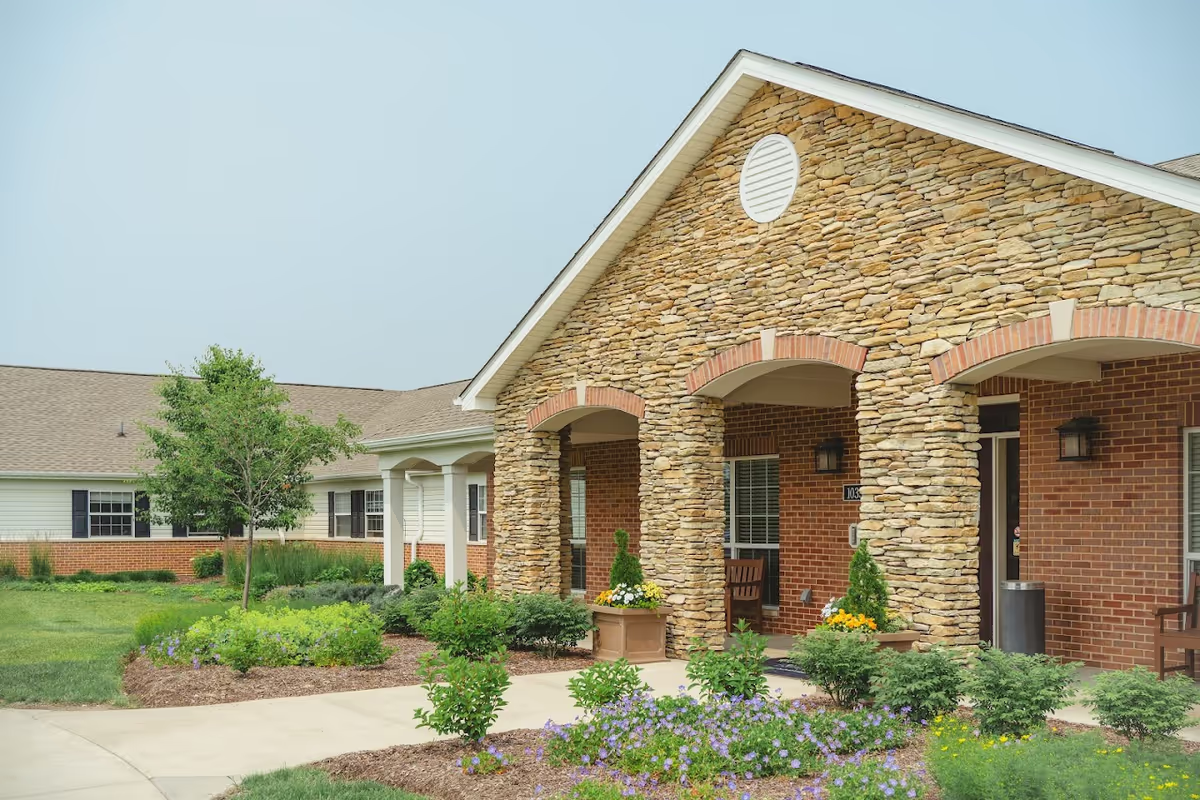
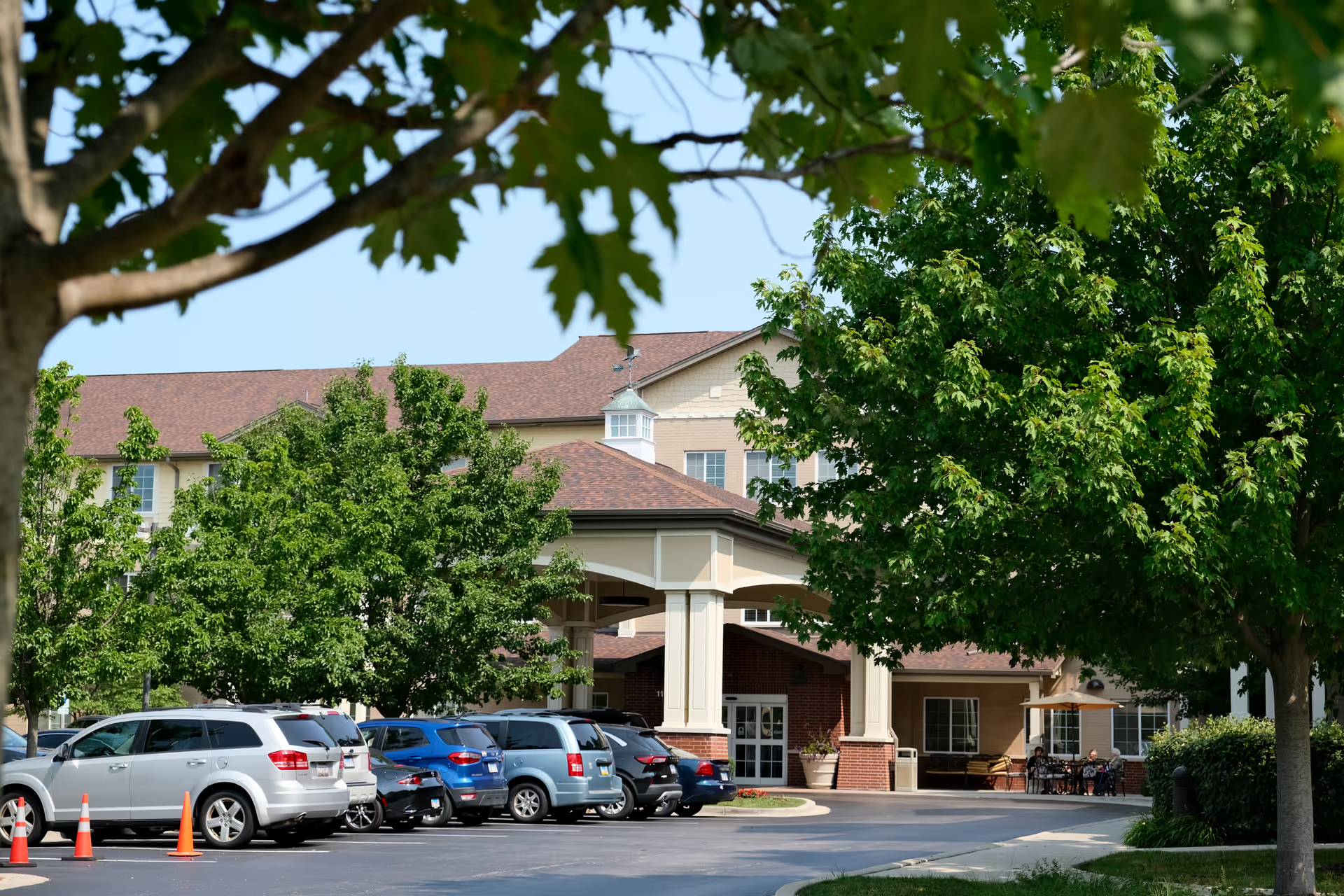
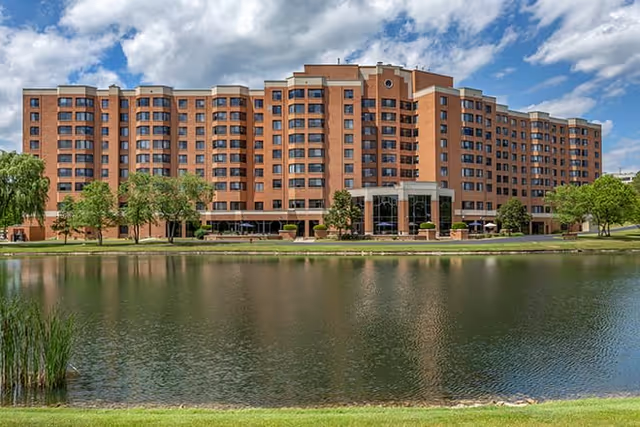
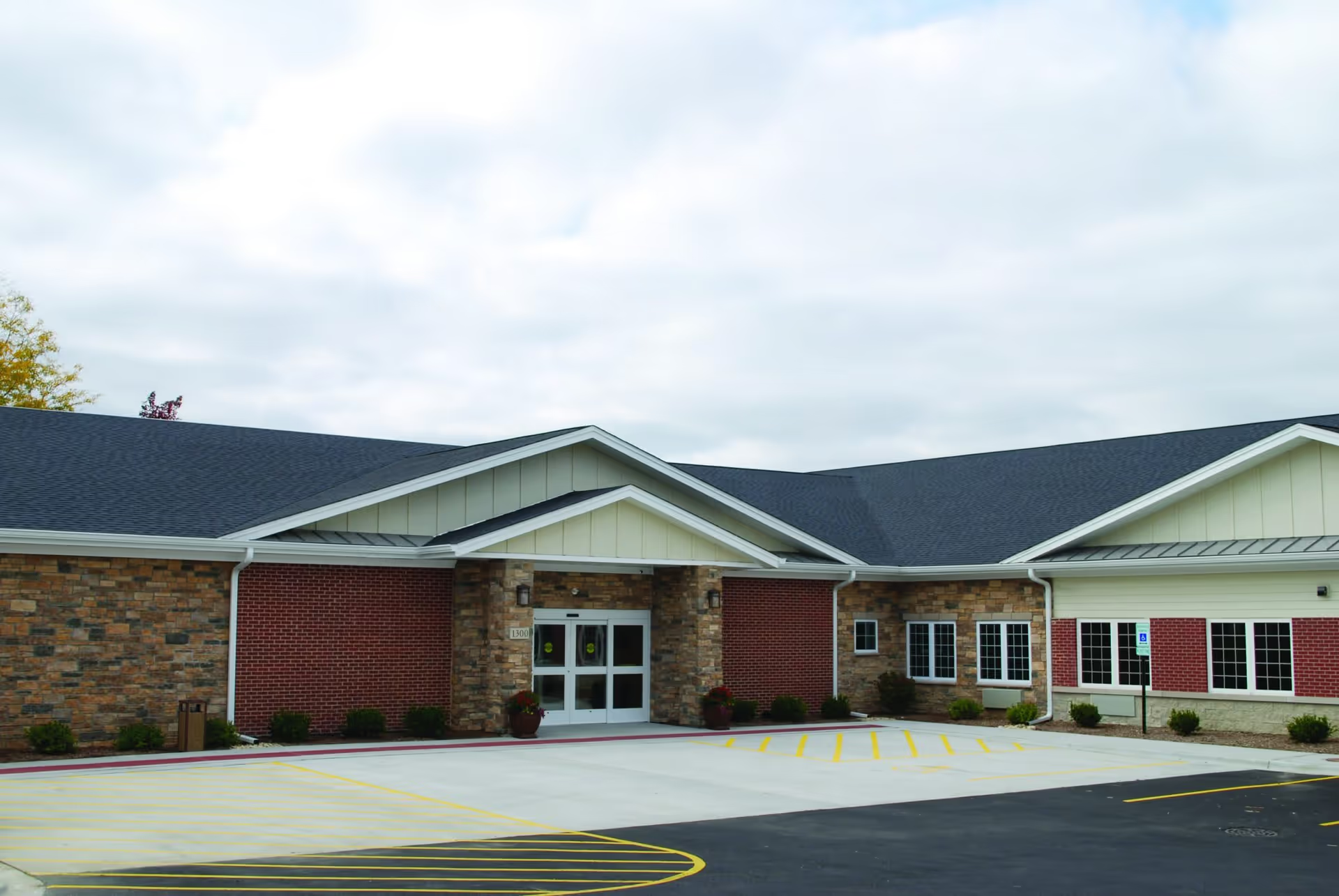
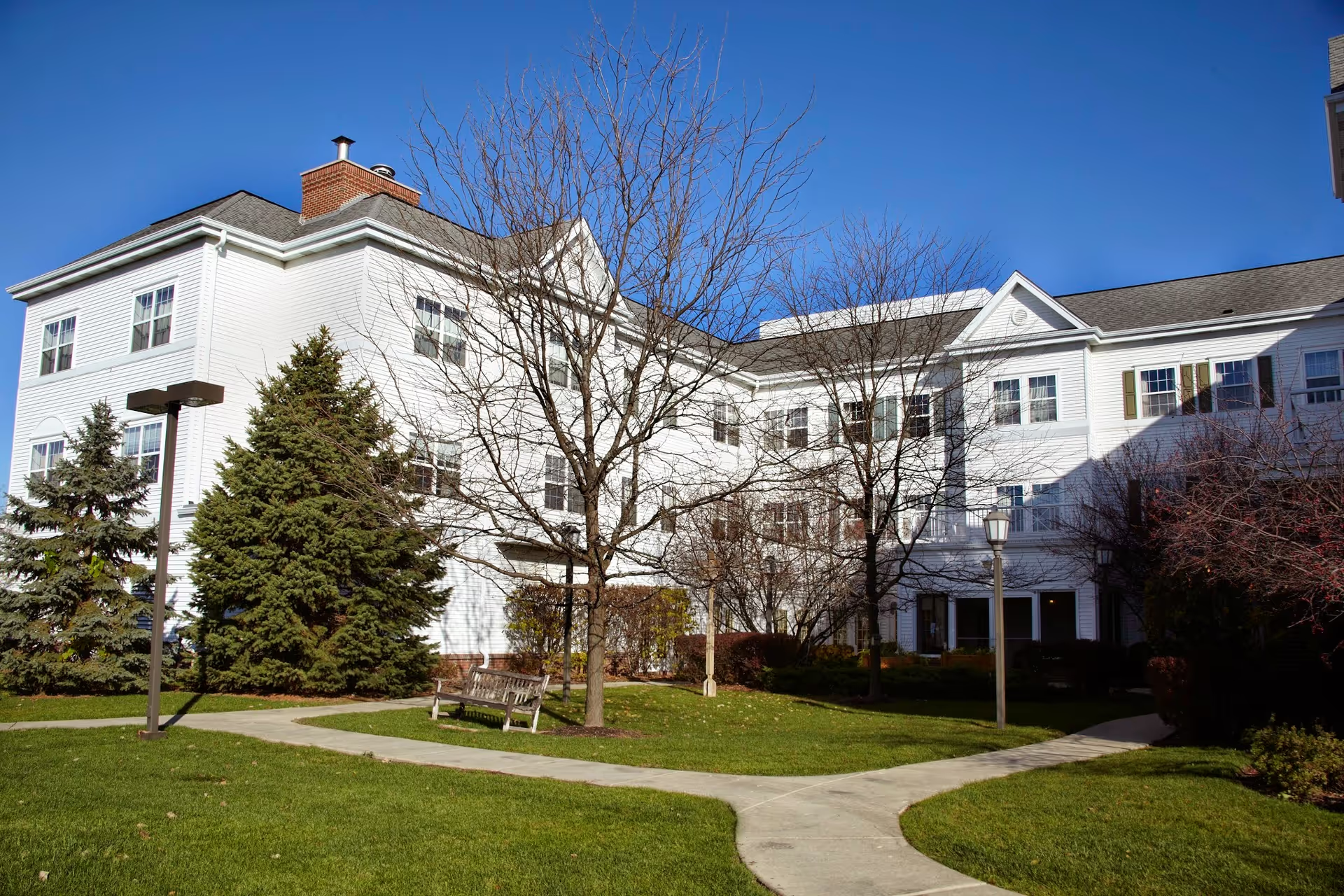
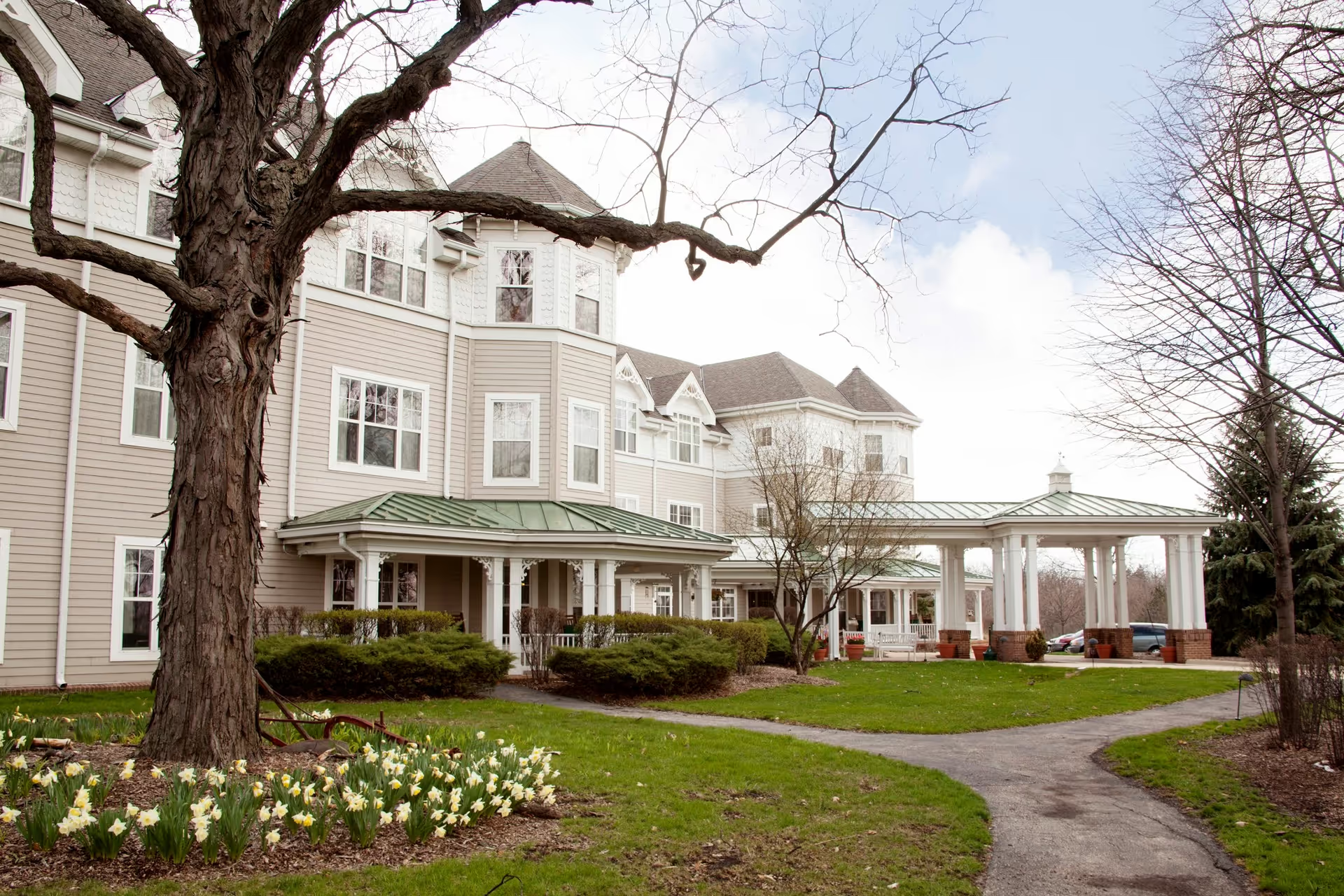
Facility and operations feedback is similarly mixed. The building and apartments are commonly described as comfortable, roomy in many units, and well-maintained; infection-control measures and pandemic precautions received positive mentions. Negative operational patterns include inconsistent housekeeping and laundry quality-control, variability in front-desk reception and tour/admissions experiences, and occasional physical-access constraints in smaller units or doorways. Billing and admissions processes were another recurring pain point—families described opacity around leases, upfront payments, extra charges, and disputes over notice and billing—alongside isolated but serious allegations regarding theft and financial irregularities that families expected the administration to address transparently.
Overall, Victory Centre of Bartlett demonstrates substantial strengths in caregiving relationships, social programming, and clinical connectivity for many residents, but also shows persistent operational weaknesses that impact families’ trust: staffing consistency, memory-care supervision, housekeeping/laundry controls, and administrative communication/billing practices. Prospective residents and families should weigh the community’s active programming, clinical supports, and facility amenities against the potential for variability in day-to-day responsiveness and administrative reliability; targeted questions about dementia-care staffing ratios, call-response times, laundry/housekeeping protocols, and billing/lease terms are recommended during tours and admissions discussions.