The reviews reflect a facility with pronounced variability in resident experience. Many families and staff emphasize strengths such as a caring, friendly direct-care team, active rehabilitation services, and programs intended to return residents to the community. Long-term residents describe social connections and a family-like atmosphere, and several reviewers highlight engaged leadership and motivated staff members. At the same time, a roughly equal number of accounts describe operational shortcomings that affect daily care and comfort.
Care quality appears inconsistent. Positive accounts cite effective physical therapy and successful transitions back to the community, while negative accounts point to delays in medication administration and documentation gaps, especially for pain and controlled medications. Reviewers also raised concerns about the timeliness of clinical follow-up (for example, delayed laboratory work) and about supply ordering and wound/ostomy management. These patterns suggest uneven clinical processes and variable adherence to medication-administration and documentation protocols.
Staffing and staff conduct are a mixed picture. Many reviewers praised CNAs and other direct-care workers as compassionate and attentive; others described inattentive shifts, long waits for assistance, and concerns about the tone or responsiveness of particular nursing staff. Several comments point to chronic staffing shortages that coincide with delayed care and service gaps. Communication with families is another recurring issue: some families felt well-informed, while others reported delays or lack of notification about clinical events.
Dining and activities also show divergence. Positive notes reference meaningful programs and some engaging activities (including a Journey of Hope program), but numerous reviews cite limited meal options, cold food, and inconsistent meal service. Activity programming was described as enthusiastic in some accounts and insufficient in others, indicating uneven availability of social and recreational offerings.
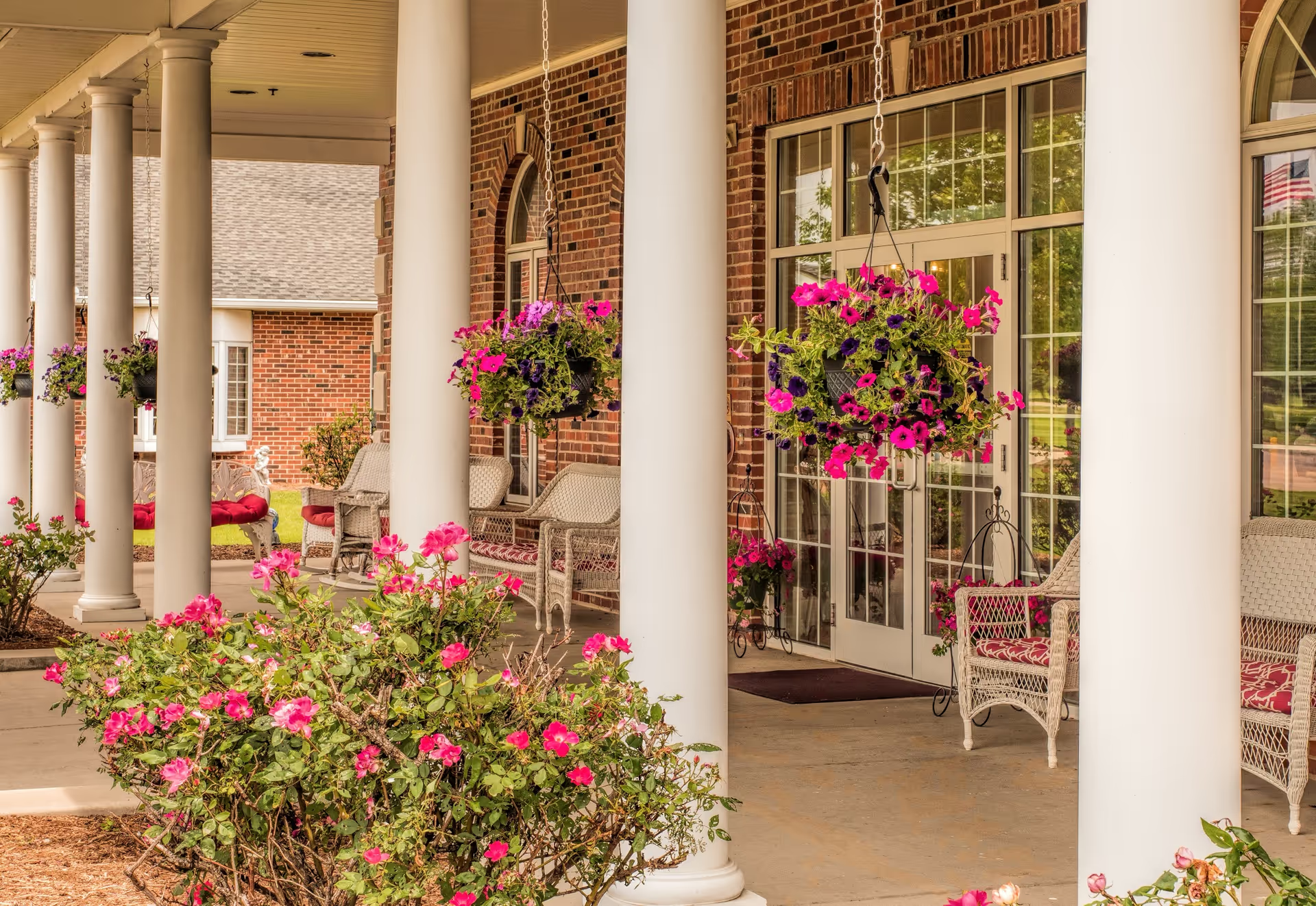
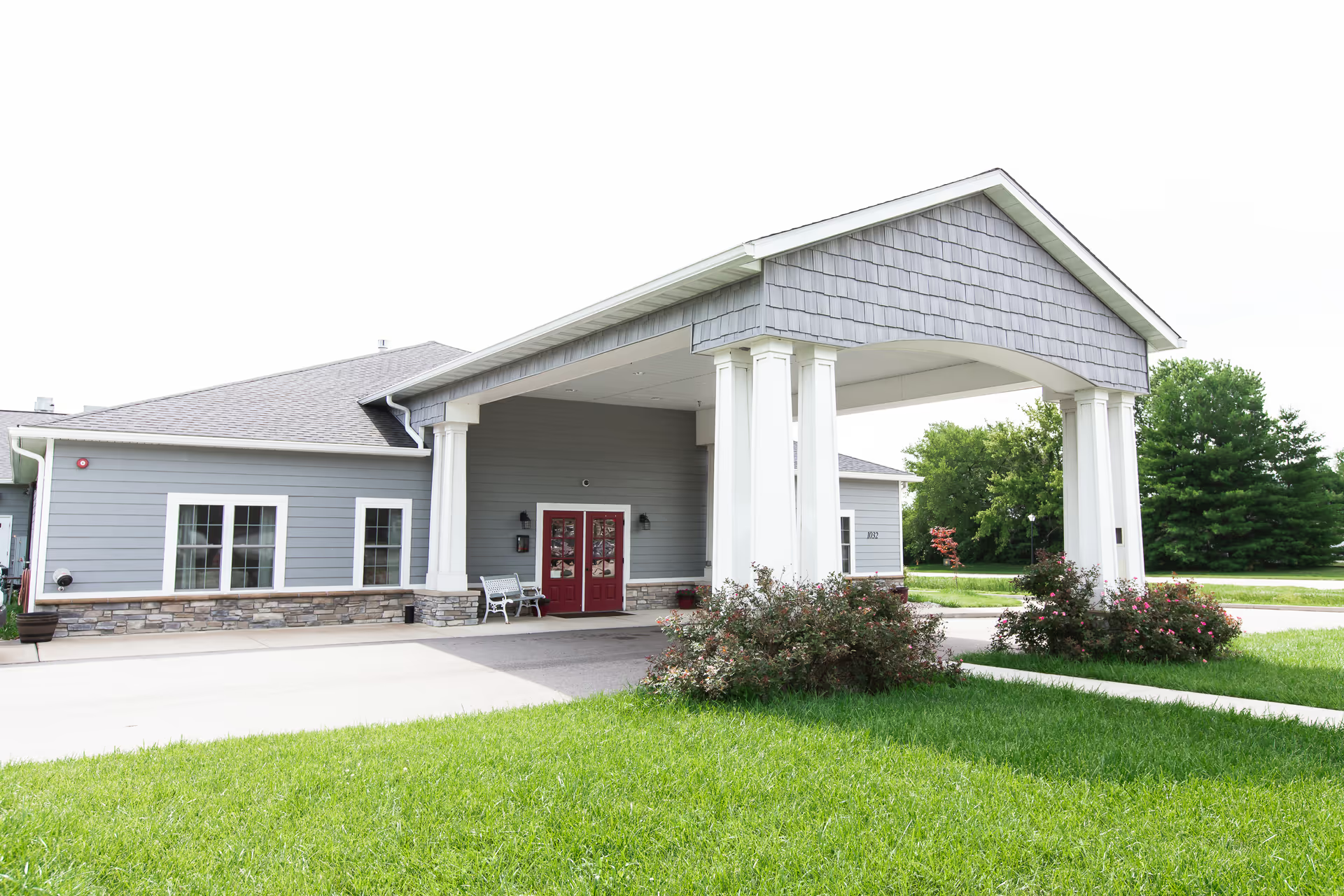
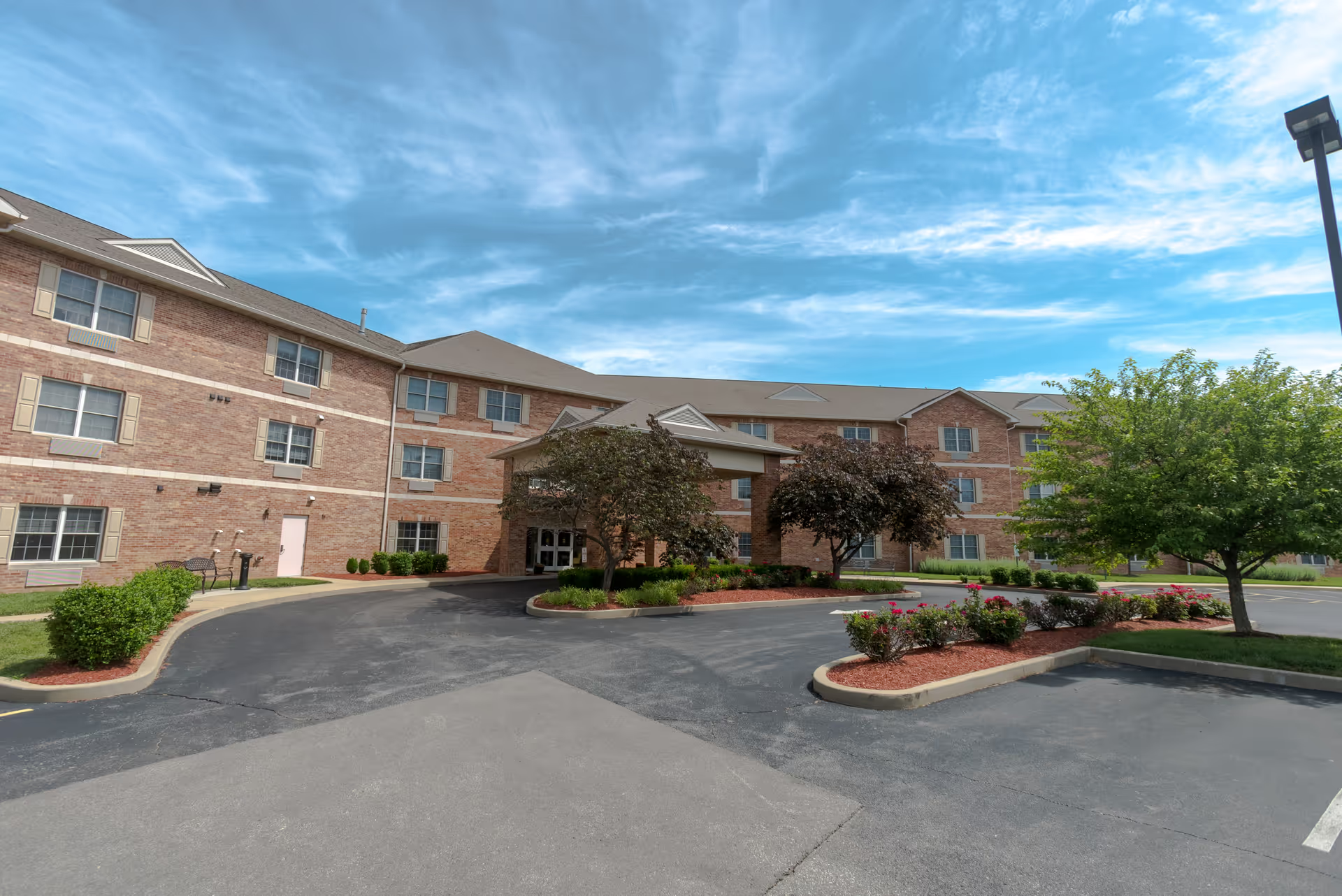
Facility condition and maintenance emerged as a clear area of concern for multiple reviewers. Complaints include inadequate climate control in resident rooms, plumbing problems, worn furnishings and mattresses, shared rooms with limited privacy, and general maintenance shortcomings in parts of the building. Cleanliness and odor-control were cited in both positive and negative terms; while some units were described as clean and orderly, other comments flagged sanitation and odor-control deficiencies and concerns about infection-control processes, including an outbreak management issue.
Administrative and management themes include both praise and serious allegations. Several reviewers commended leadership and an invested staff culture; however, there are also claims of insufficient responsiveness from supervisory staff, and at least one review referenced alleged billing or financial misconduct. Property-management controls are another operational weakness: missing personal items and clothing were noted, suggesting gaps in inventory and safeguards.
Overall pattern: the facility demonstrates clear strengths in staff compassion, some rehabilitation capabilities, and community-focused programming, but persistent operational weaknesses—especially in medication management, sanitation and odor control, staffing consistency, maintenance, family communication, and property safeguards—create uneven resident experiences. Prospective residents and families should plan an in-person tour covering staffing levels by shift, medication-administration and documentation procedures, infection-control protocols, property-inventory safeguards, meal-service practices, and rehabilitation program outcomes. Asking for recent survey results or corrective-action plans may also help clarify how management is addressing the concerns noted by reviewers.