Overall impression: Reviews present a mixed picture. Many families and short-term residents praised individual caregivers—particularly CNAs, some RNs, and therapy staff—and highlighted a capable rehabilitation program and cooperative discharge planning. At the same time, a substantial set of operational concerns appears across reviews that relate to staffing, safety, sanitation, communication, and administrative processes.
Care quality and clinical oversight: Positive accounts emphasize attentive bedside caregivers and effective rehabilitation outcomes for short-term patients. However, there are repeated descriptions of missed basic care tasks, delayed responses to changing clinical needs, and interruptions in medication or IV administration. Several reviews describe safety incidents such as falls or wound/infection progression that reviewers linked to delayed recognition or response; these indicate gaps in ongoing clinical monitoring and escalation procedures. There are also concerns about end-of-life and hospice coordination raised by some families.
Staffing and staff conduct: Many reviewers singled out compassionate CNAs and dedicated therapy personnel. Conversely, staffing levels were frequently characterized as inadequate, with nurses and aides appearing overwhelmed on busier shifts. Reviewers also raised concerns about the tone of communication from some staff members, inconsistent application of care plans, and variable clinical experience across shifts. Administrative leadership received mixed feedback: some families described supportive interactions with the administrator and director of nursing, while others cited inconsistent management responses and calls for stronger oversight.
Dining, therapy and activities: The facility’s inpatient therapy services and rehab outcomes were often praised, with specific notes about effective pairing of CNAs and therapy staff. Activity programming is present and posted, and some residents found it engaging. Food quality impressions were inconsistent—some reviewers were satisfied, while others described low-quality or unappetizing meals. Longer-stay therapy access and continuity were noted as areas needing improvement by families whose loved ones remained beyond short rehab stays.
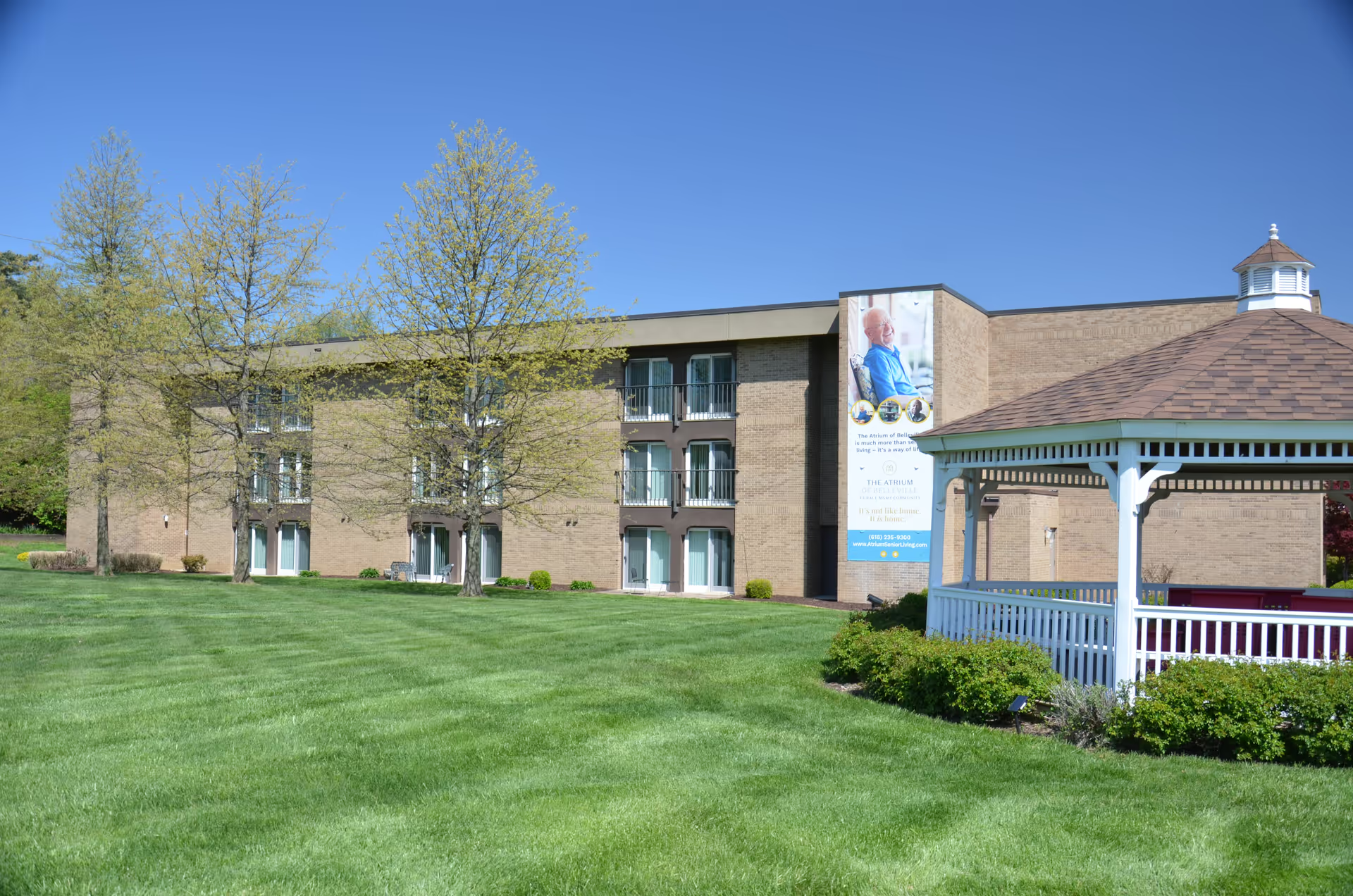
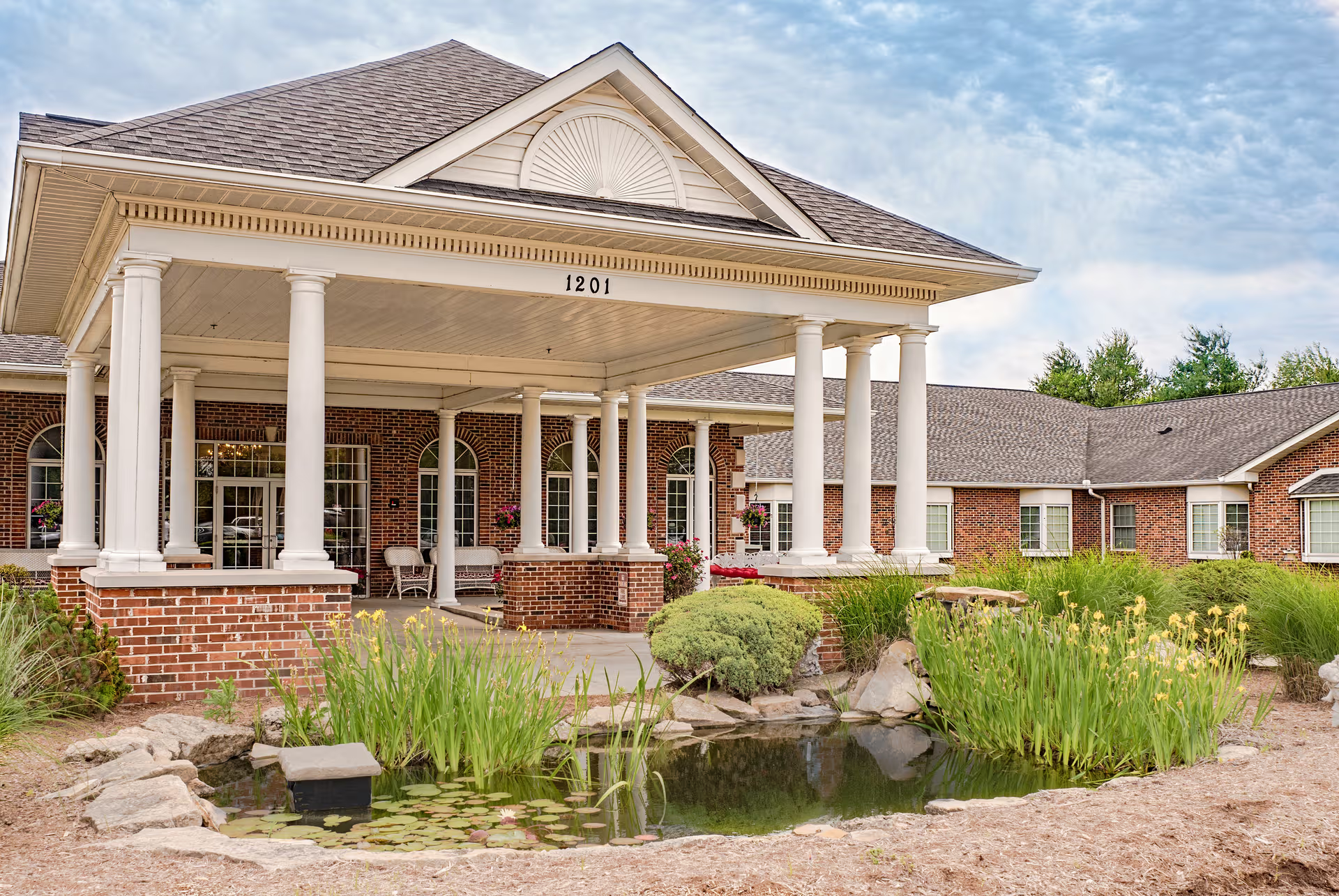
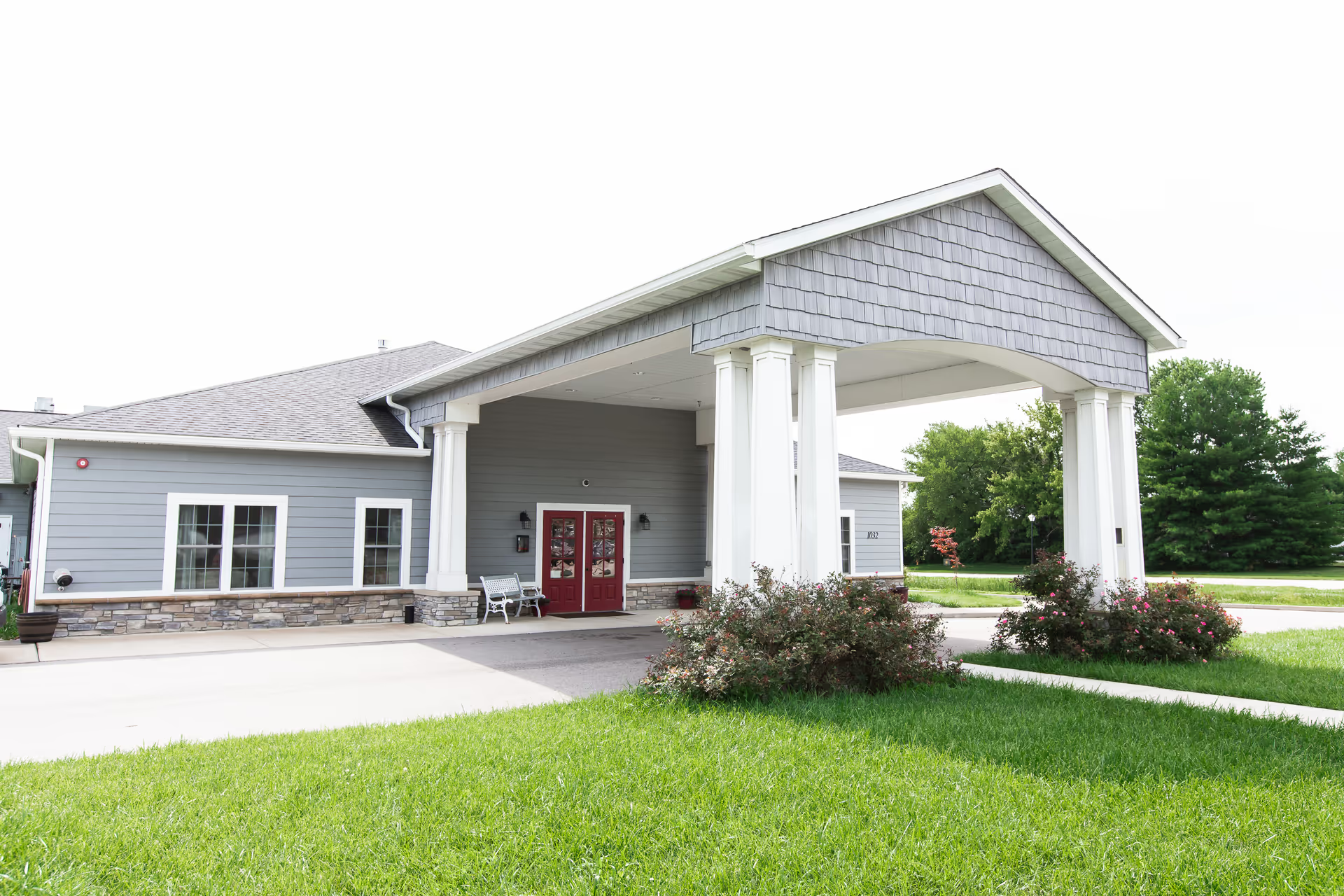
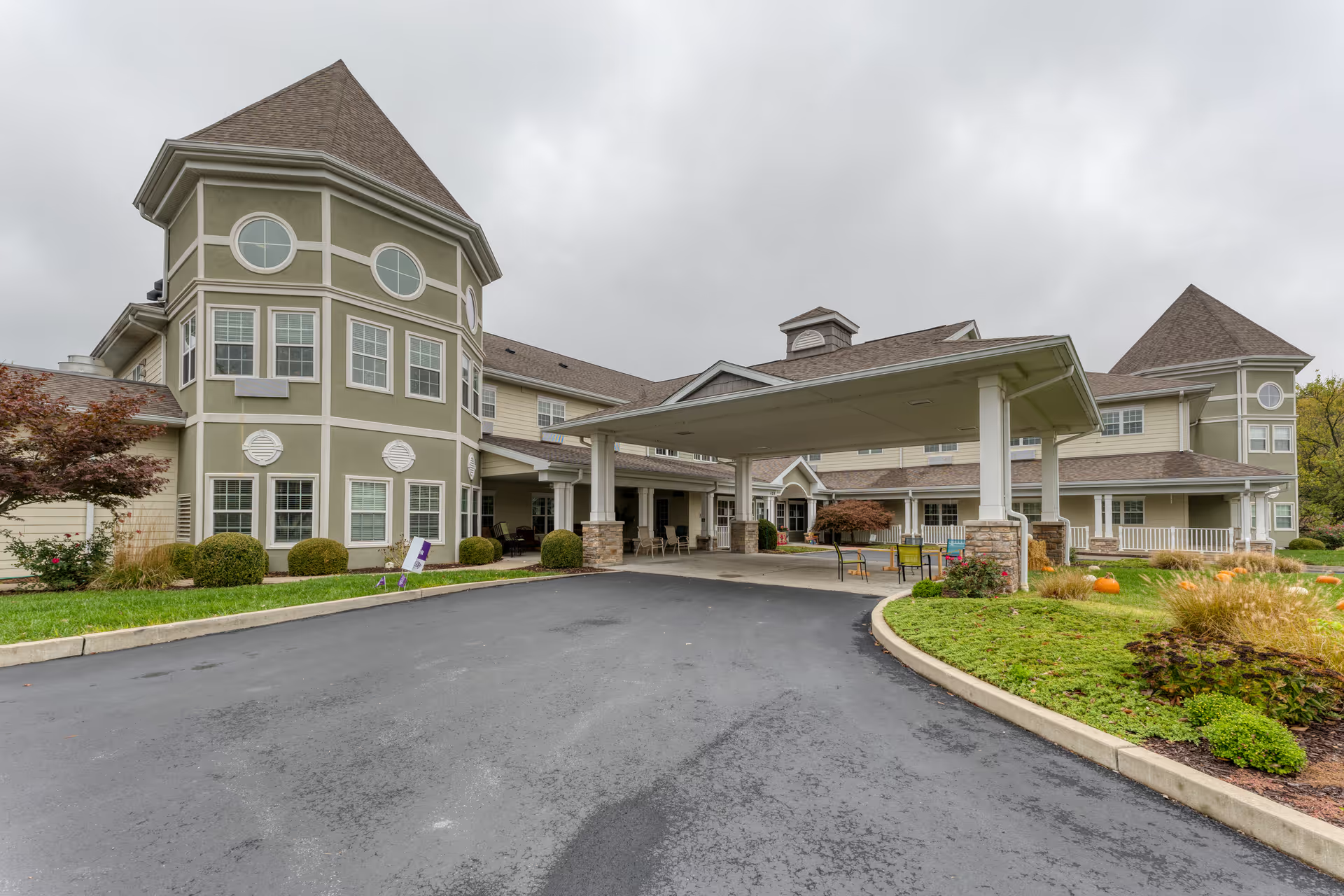
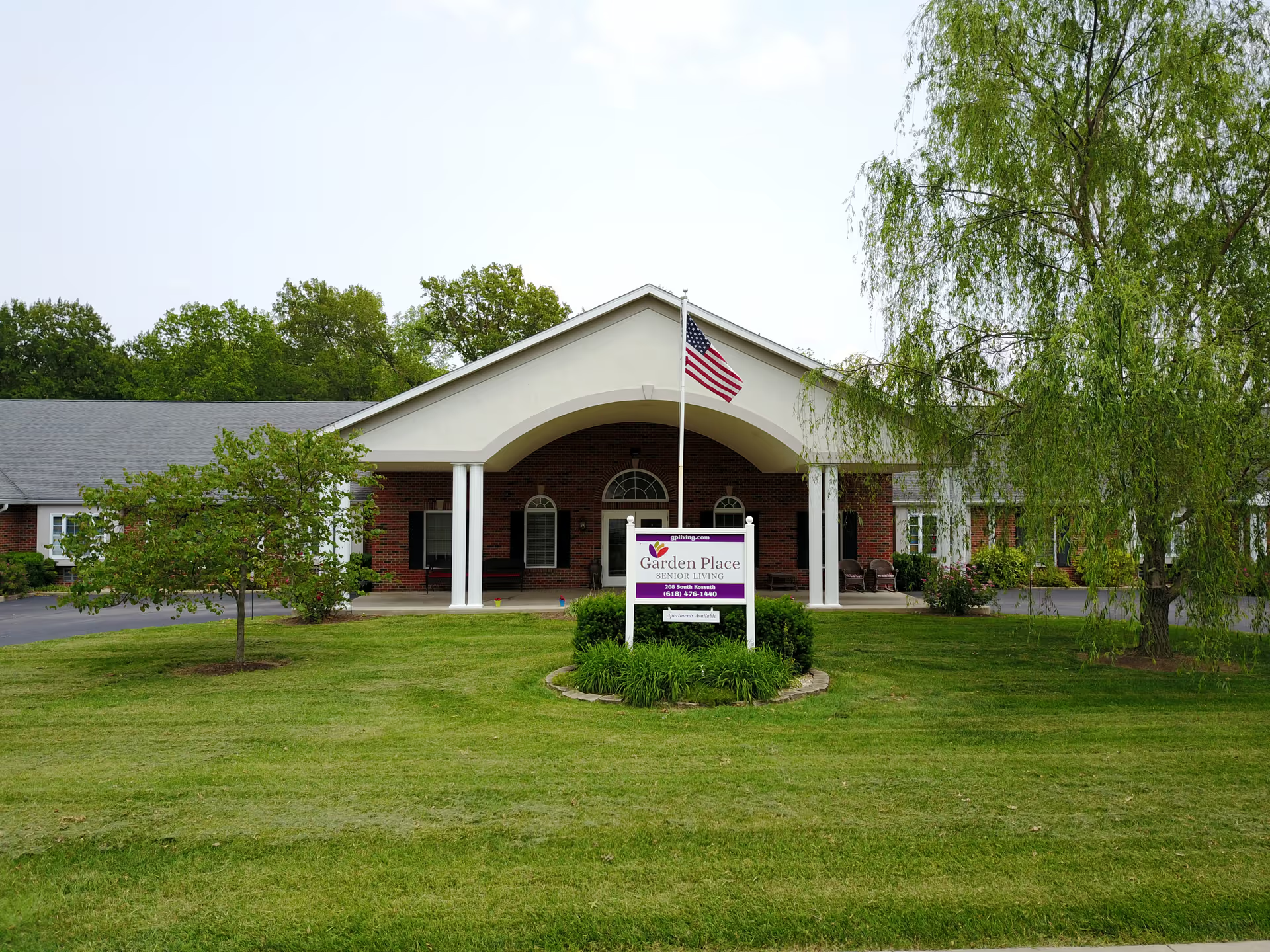
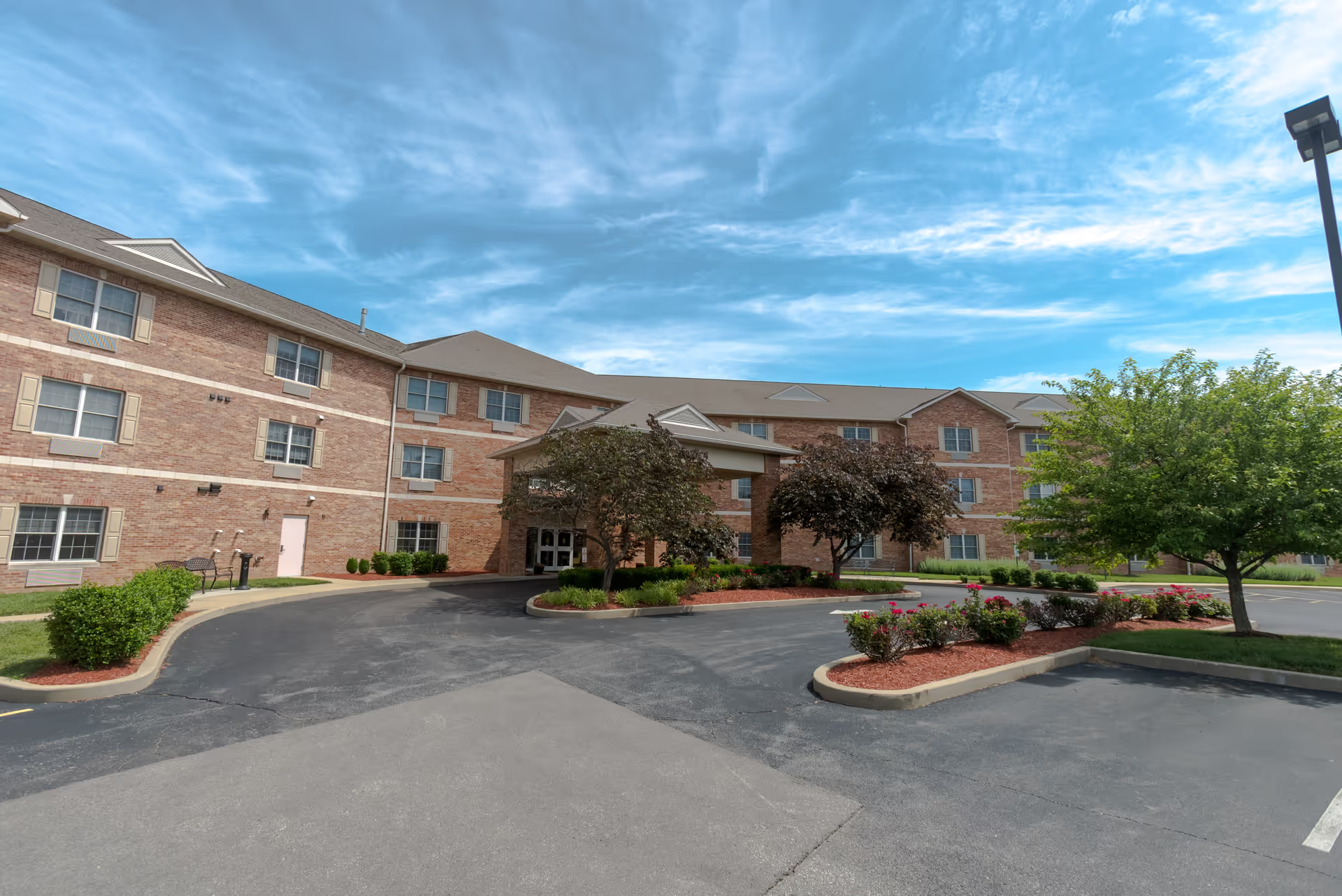
Facility environment and cleanliness: Reviewers offered divergent observations about the physical environment. Some described clean common areas and a welcoming dining/activity space; others reported maintenance shortcomings (peeling paint, exposed framing, worn finishes) and sanitation management problems in certain units. Pest-control concerns and issues with linens and bed maintenance were cited by a subset of reviewers. Safety equipment reliability (for example, bed-rail or transfer aids) was also mentioned as inconsistent.
Management, communication and administrative processes: Communication gaps were a recurring theme—delays or inconsistencies in family notification after incidents, difficulty reaching staff by phone, and restricted or unclear visitor-access procedures in some cases. Billing and discharge-process disputes, including threats of discharge and complex insurance transitions, were reported as sources of stress for families. There were also allegations concerning security and property control that warrant direct inquiry and documentation.
Notable patterns and recommendation: The pattern suggests strong unit-level caregiving and a capable rehab program can coexist with systemic operational issues—most prominently staffing shortfalls, inconsistent clinical oversight, sanitation and maintenance variability, and administrative/communication weaknesses. Prospective residents and families should inspect the specific unit where a resident would be placed, ask about current staffing ratios and recent staffing turnover, review infection-control and transfer/fall-prevention protocols, clarify hospice and escalation procedures, request names of assigned caregivers, and document admission and billing arrangements in writing. Visiting during different shifts and speaking with therapy leaders and unit CNAs can provide a more complete picture of day-to-day functioning.