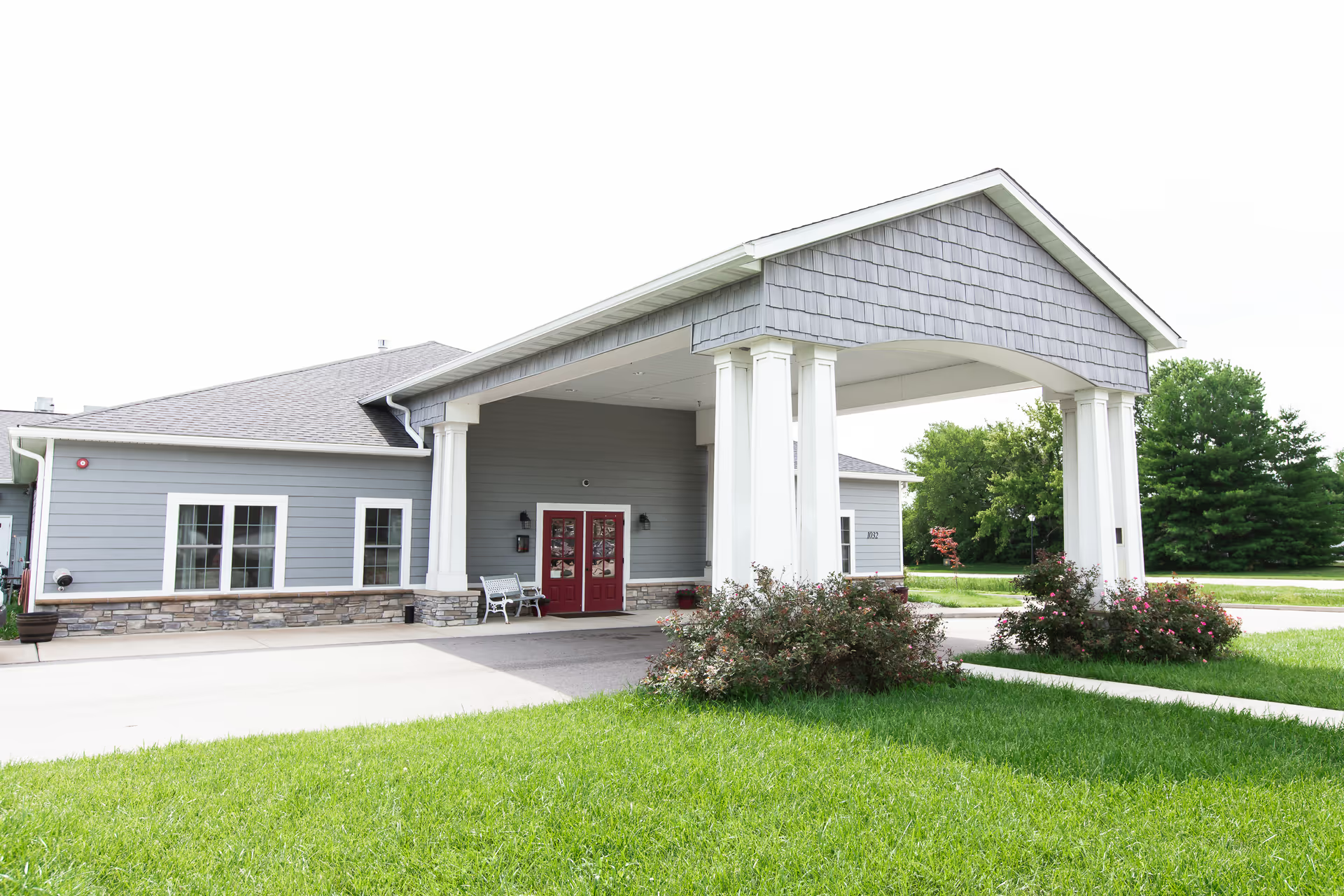
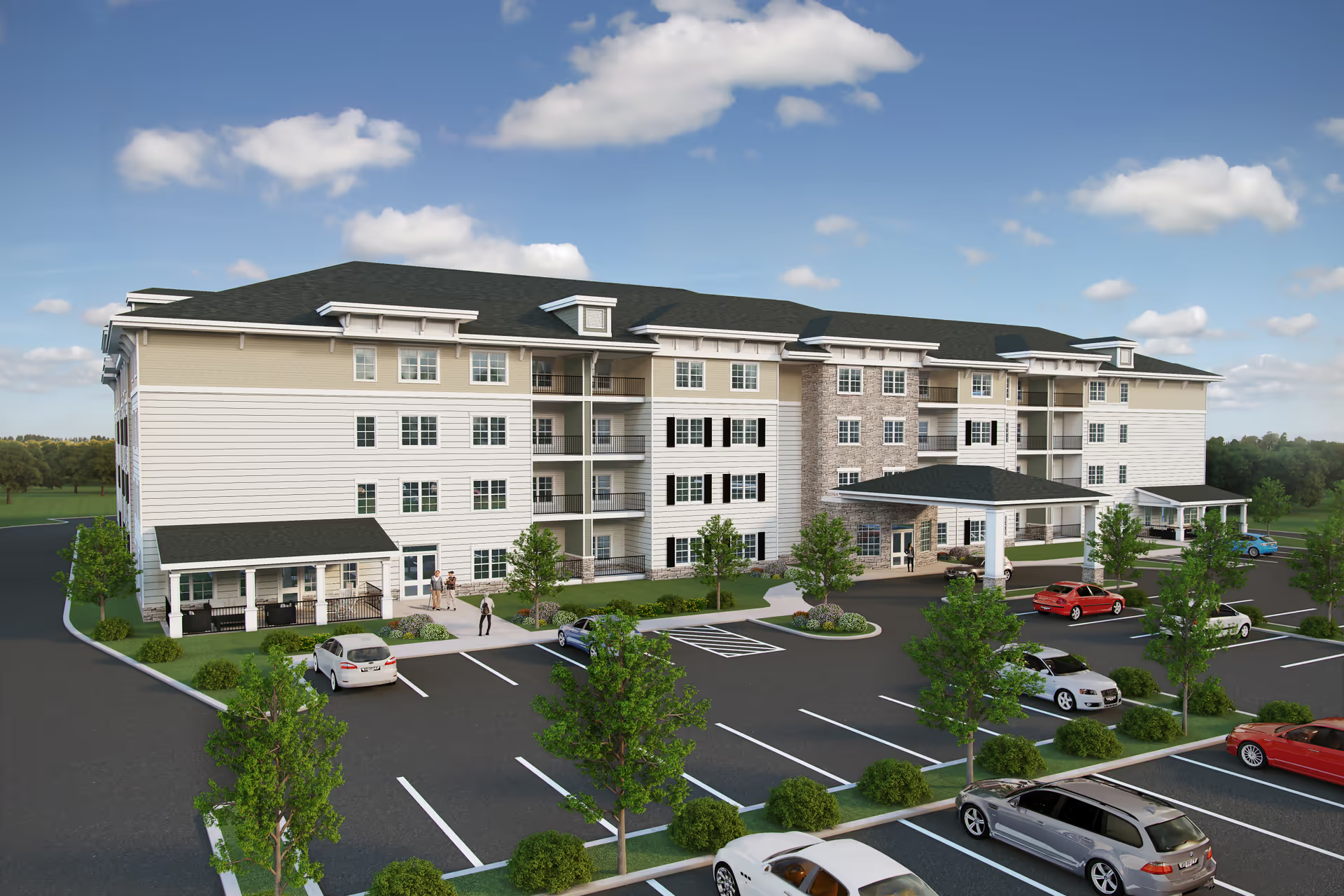
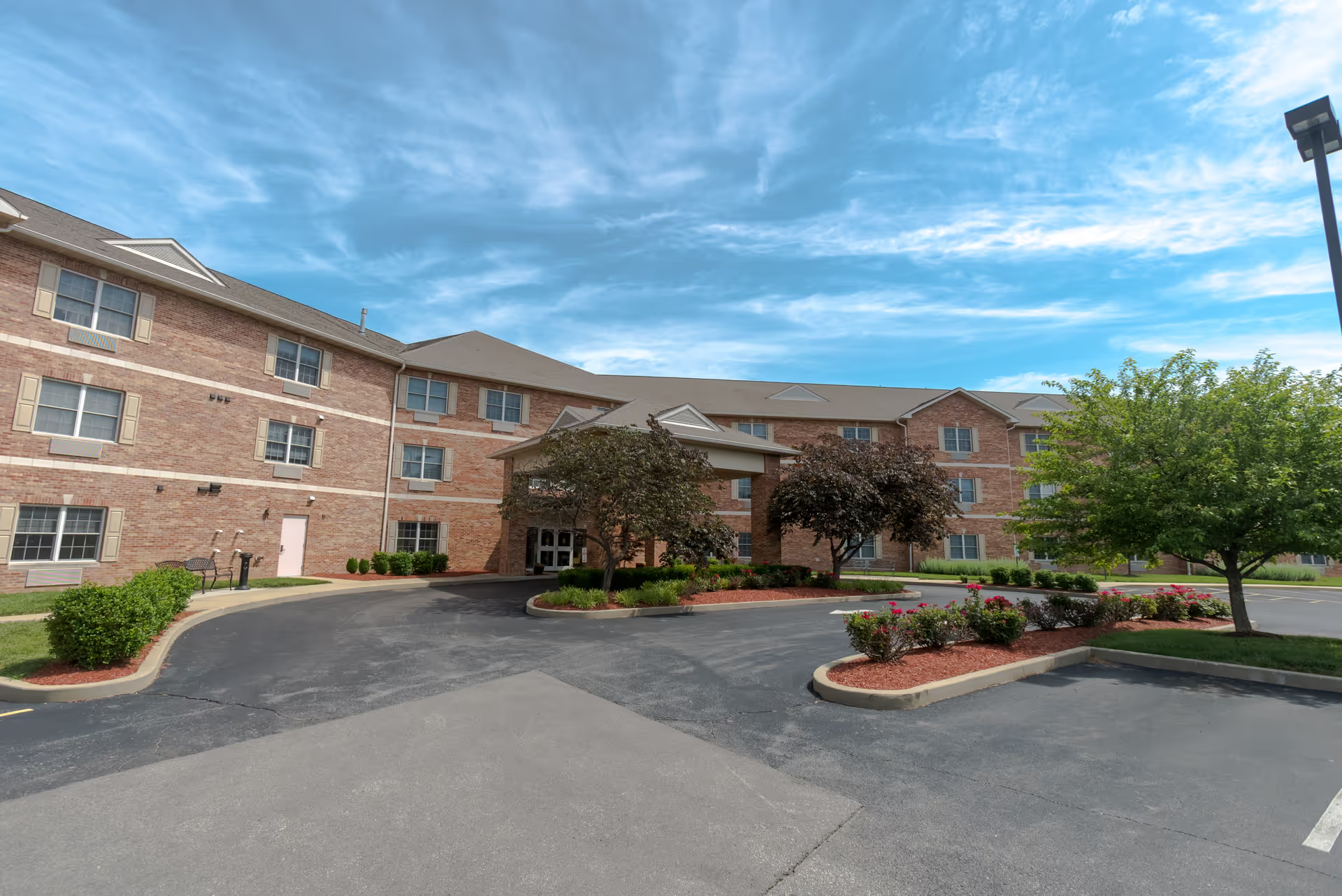
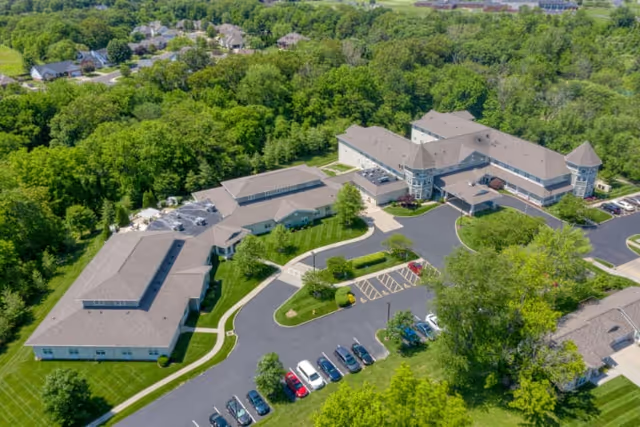
These reviews describe a facility with clear strengths in clinical rehabilitation and many aspects of daily care, but also recurring operational weaknesses that prospective residents and families should note. Positive comments frequently highlight compassionate, attentive nursing and aide teams, strong PT/OT services that produce measurable recovery progress, and proactive social-work and discharge planning including provision of home‑health equipment. Many families described the environment as clean and modern, with large rooms, spacious common areas, and an active, posted schedule of resident activities.
Care quality appears to be uneven across units and shifts. Several accounts praise skilled, patient staff and rapid recoveries, while others raise concerns about delayed assistance and lapses in routine care. The most consistent operational pattern is staffing variability: periods of understaffing are linked to long wait times for assistance and to reduced follow‑through on care tasks. Reviewers also described inconsistencies in medication administration timing and in the execution and documentation of rehabilitation care plans and follow‑up, which suggests gaps in protocols or in shift‑to‑shift handoffs.
Dining and activities are generally viewed positively, with engaging programming and satisfactory meals for many residents, but food quality is described as inconsistent by some families. The facility’s physical environment receives mixed but largely favorable remarks: many reviewers note a clean, state‑of‑the‑art setting with roomy accommodations and welcoming common spaces. At the same time, there are sanitation and incontinence‑care concerns reported in specific areas, along with comments about limited privacy in some shared bathrooms and common‑area configurations.
Management and communication draw mixed evaluations. Some families say administration is responsive and that case managers and social workers provide clear updates and effective aftercare plans. Others report unclear admission information, miscommunication about care expectations, and concerns regarding staff competence or conduct on particular shifts. There are also isolated but serious clinical flags — for example, concerns about skin‑integrity management and nutrition monitoring — that prospective families should investigate directly.
Overall, the facility demonstrates notable strengths in rehabilitation services and in teams that provide compassionate care; however, variability in staffing, care‑coordination, sanitation practices, and medication/therapy follow‑through create uneven experiences. Prospective residents and decision makers would be well served to ask targeted questions at tour and admission: typical staffing levels by shift, wound‑care and nutrition monitoring protocols, medication‑administration safeguards, how therapy plans are created and followed up, and how admission/affiliation logistics are handled. Observing a mealtime and an activity, and requesting recent quality‑audit or incident‑response information, can help families assess whether the facility’s strong elements will be reliably available for a specific resident.