Overall impression: Reviews describe a community with many structural strengths — renovated units, accessible suites, onsite rehabilitation services, and a varied activities schedule — alongside significant operational inconsistencies. Prospective residents and families will find strong therapy programs, attractive apartments, and a range of amenities that support independent and assisted living. At the same time, recurring themes point to variability in day-to-day care, facility maintenance, and administrative practices.
Care and staff: Many reviews praise individual caregivers, aides, and therapy staff as caring and attentive; these staff members are frequently cited as a reason families feel comfortable. However, staffing patterns are inconsistent: high turnover, numerous newer/younger employees, and reports of insufficient training contribute to variable professionalism and reliability. Several accounts indicate delays in responding to call lights and in medication administration, and there are broader concerns about clinical oversight and coordination (including hospice communication and chronic-condition management). Weekend and night coverage is described as particularly uneven.
Dining and activities: The activity program is a clear positive for many residents, with regular offerings such as bingo, live music, exercise classes, church visits, and outings that support social engagement. Dining experiences are mixed: some families note balanced meals and family-dining options, while others describe cold, overcooked, or inconsistent meals and kitchen-management strain. Dietary accommodations are perceived as inconsistent in certain cases.
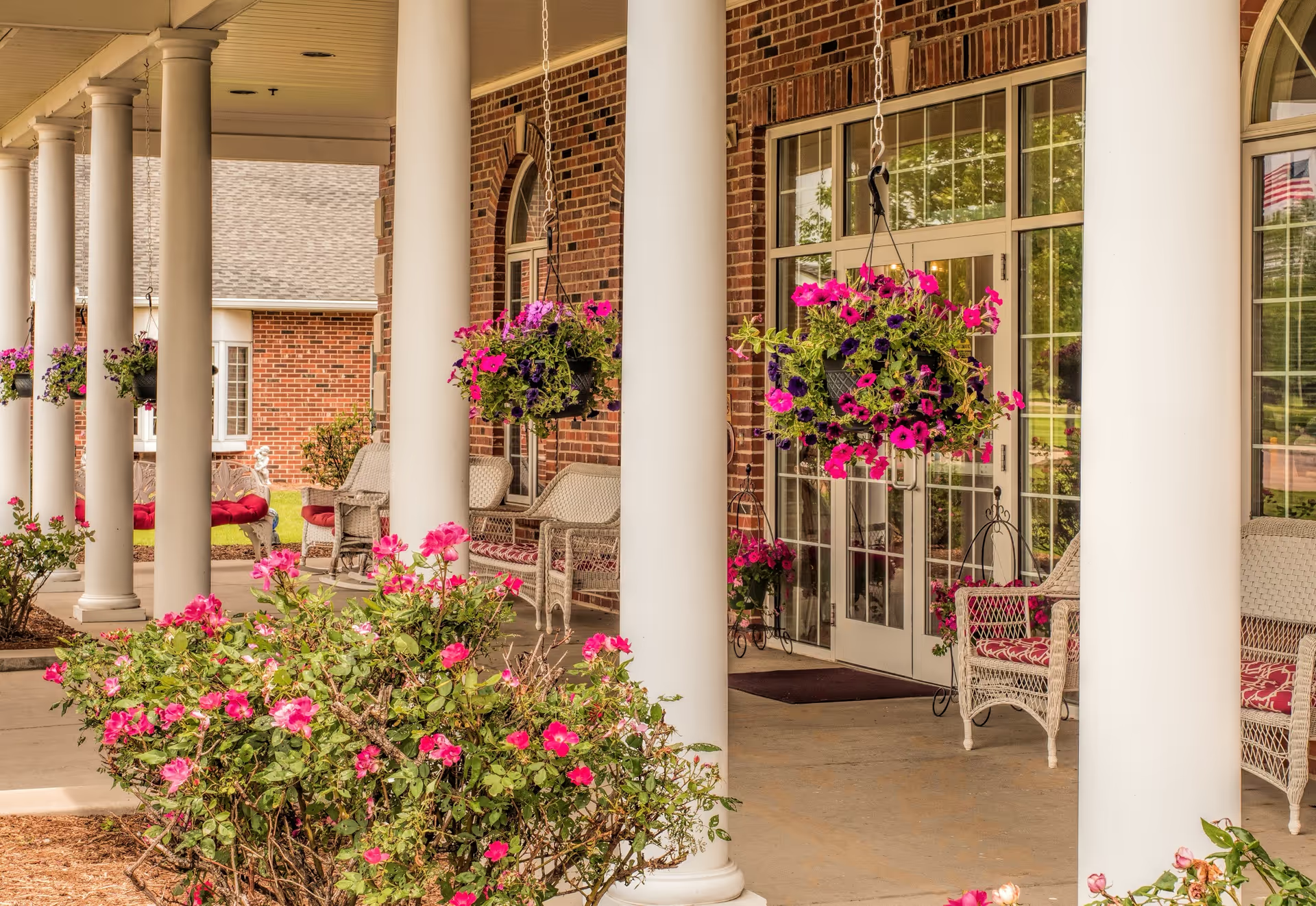
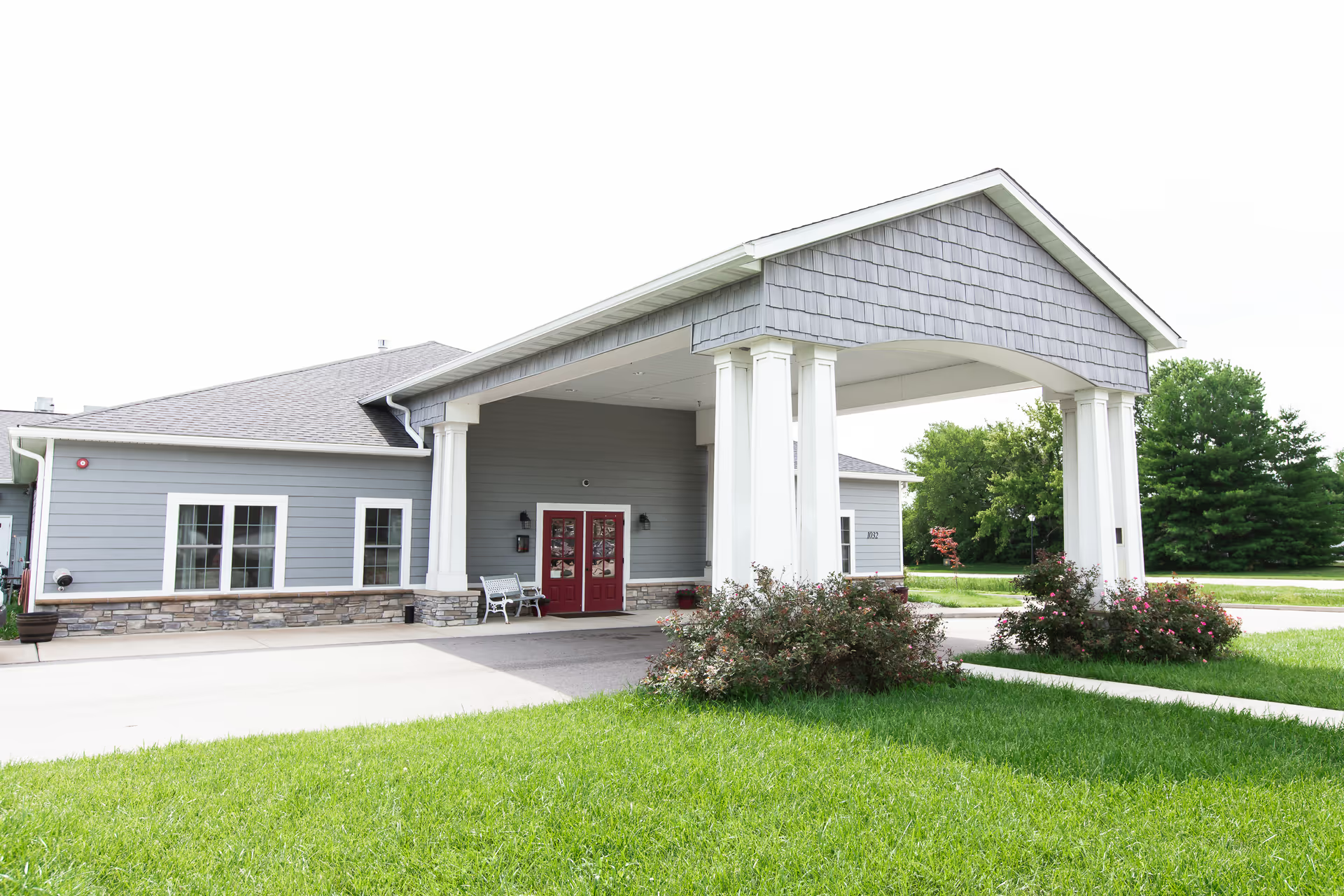
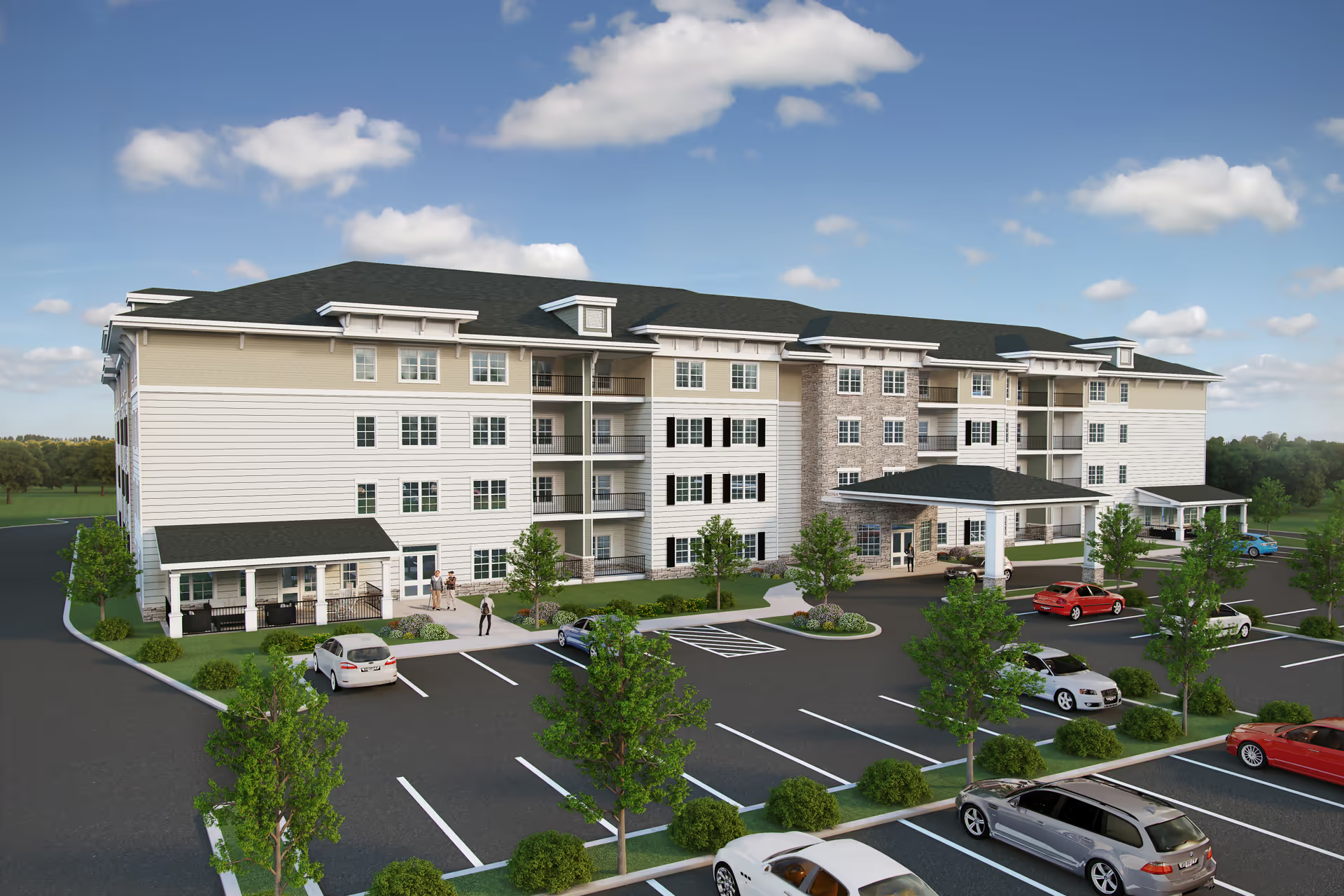
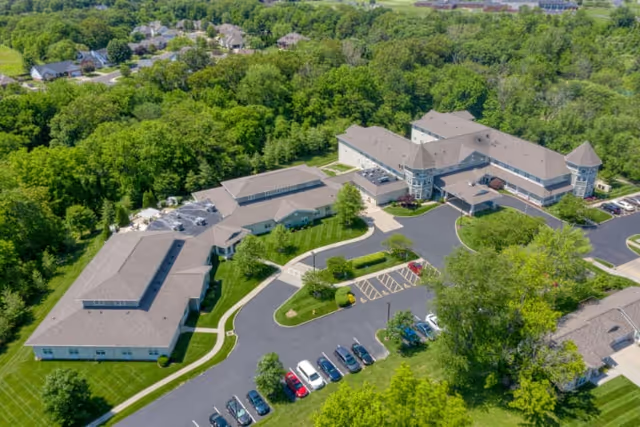
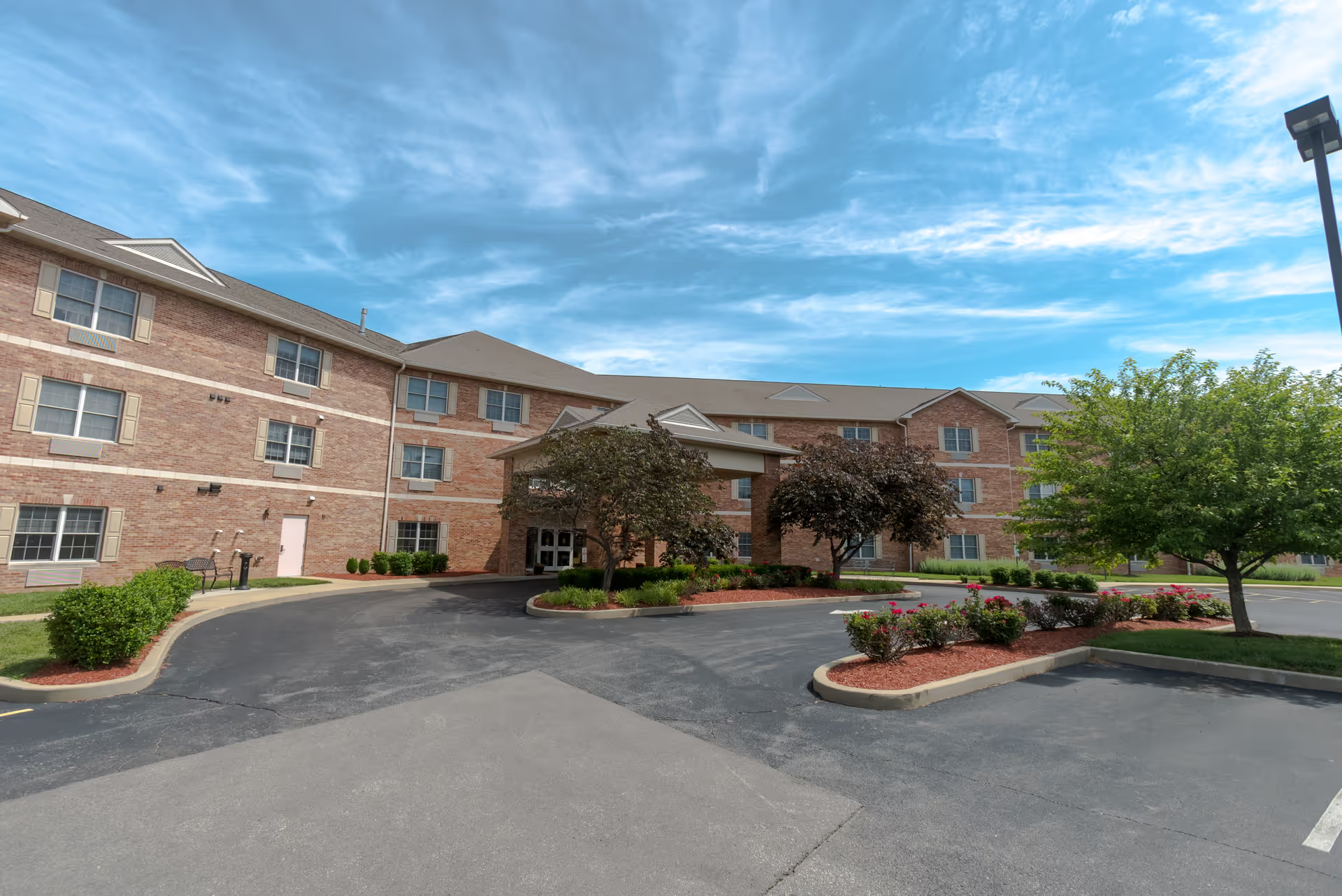
Facilities and maintenance: The campus includes renovated wings, bright common spaces, and accessible apartments, which many residents appreciate. Conversely, older sections and active renovations create a split experience: reports include HVAC problems, low water pressure, exposed/unfinished outlets, and other maintenance issues. Accessibility is generally good, but limited in-house transportation and long walks within the campus are logistical constraints for some residents.
Management, administration, and finances: Administrative and communication challenges surface repeatedly. Families cite unclear responses from management, unprofessional or illegible notices, and concerns over opaque billing practices and sudden rent increases. While individual staff members are sometimes praised for family-focused communication or advocacy, systemic responsiveness and leadership stability are described as areas needing improvement.
Safety, sanitation, and property concerns: Reviewers describe sanitation and incontinence-care concerns in some units and raise equipment-readiness issues (empty oxygen supplies, non-adjustable beds, toilet/commode availability). There are also a small number of serious personal-possessions complaints, summarized as allegations of theft and missing items. These accounts, together with reported lapses in medication administration and delayed responses, underline the importance of clear clinical oversight and consistent staffing.
Bottom line: St. Paul’s Senior Community offers many tangible advantages — strong rehabilitation services, renovated living spaces, active programming, and dedicated staff members — but the overall experience appears highly dependent on unit location, shift, and personnel assignment. Prospective residents and family advocates should weigh the facility’s amenities and therapy strengths against reported variability in staffing, food service, maintenance, and administrative transparency. Asking targeted questions about staffing ratios, weekend coverage, medication-management protocols, recent maintenance work, and billing/rent policies is advisable before committing.