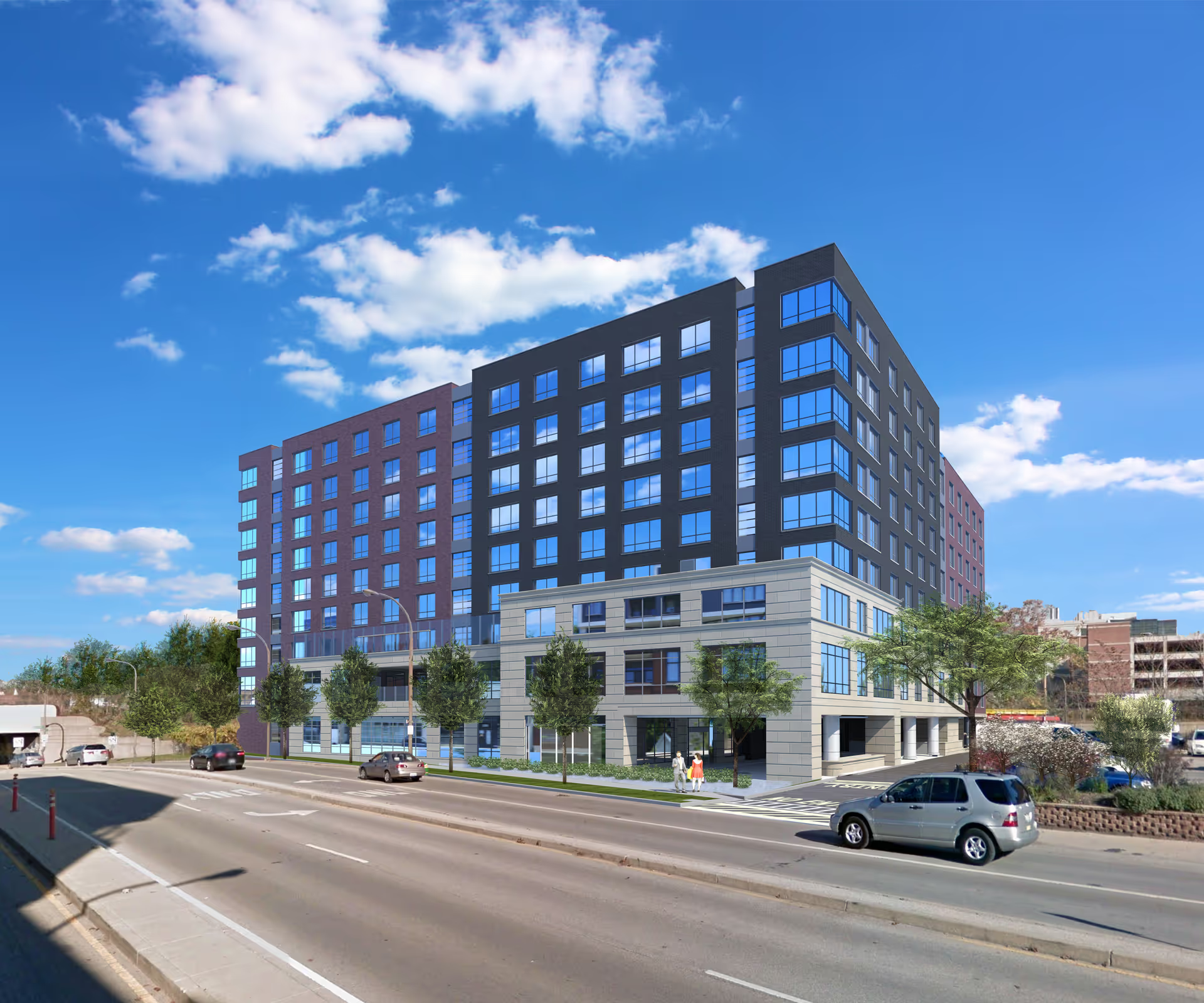
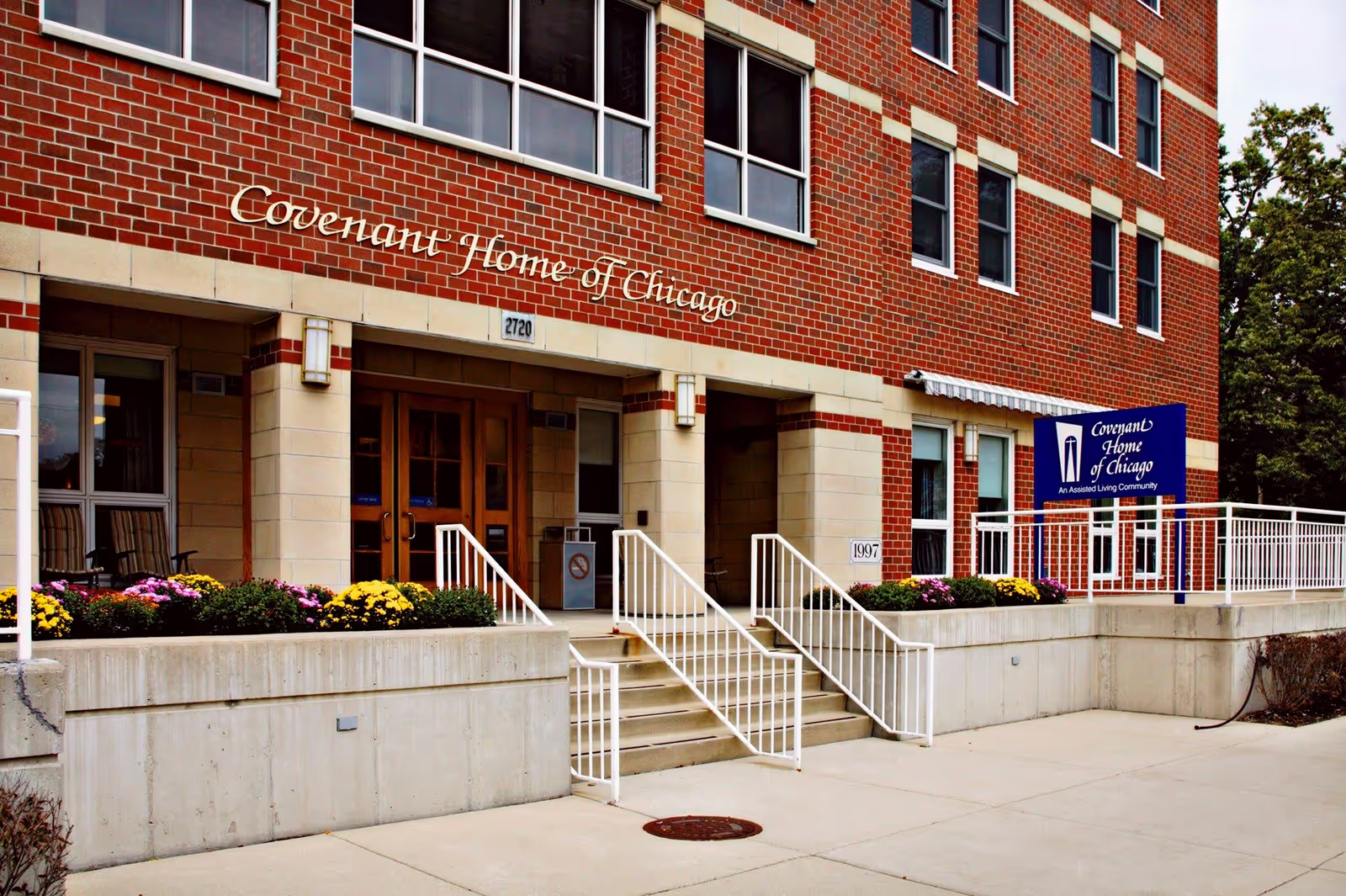
The reviews for Aperion Care Lakeshore present a markedly mixed picture. Many families and clinicians praised the facility’s clinical strengths: attentive frontline nurses and CNAs, visible leadership, an effective admissions team, and strong physical/occupational therapy programs that have supported successful discharges back to the community. Reviewers frequently identified specific staff members and administrators as positive influences on care coordination and transitions, and several accounts describe robust social-work engagement and on-site physician involvement. The facility offers multiple levels of care (short-term rehab, long-term care, memory care, psychiatric services) and a range of on-site amenities such as a library, computer lab, hair salon, and lounge spaces that contribute to a homelike atmosphere for some residents.
At the same time, there are recurring operational concerns that families should weigh carefully. Several reviews describe medication-administration inconsistencies and pharmacy oversight issues, which create anxiety about clinical reliability. Housekeeping and environmental-control problems are another theme: odor concerns in some areas, sanitation inconsistencies, pest-control concerns, and intermittent maintenance failures (air-conditioning, windows, television reception) were reported. These issues are manifested differently across units, producing uneven experiences between residents.
Care-delivery patterns were described as inconsistent in other ways as well. Some reviewers cited irregular assistance with personal care (bathing, oral care, clothing changes), limited meal options or unappetizing food, and CNAs who were distracted or not always engaged. Activity programming and resident engagement were viewed as adequate by some families but insufficient by others, suggesting variability in the social model from unit to unit or shift to shift. There are also concerns about security and property controls, with allegations of missing personal items and limited follow-through on those complaints, plus comments about restrictive access or visitor policies that felt impersonal to some families.
Communication and incident management emerged as a critical pattern: when leadership and front-line staff were responsive, families reported good outcomes and smooth transitions. Conversely, accounts describing delayed clinical responses, uneven family notification after incidents, and difficulty obtaining refunds or clear billing information indicate process gaps. Workforce-related issues — including training, language proficiency, and workplace culture — were cited as factors that may affect care consistency and staff morale. Taken together, the reviews suggest a facility with clear strengths in therapy and some individualized caregiving but with operational and consistency challenges that prospective residents and families should investigate during a tour, including direct questions about medication safety protocols, housekeeping standards, incident escalation procedures, visitor policies, and refund/billing policies.