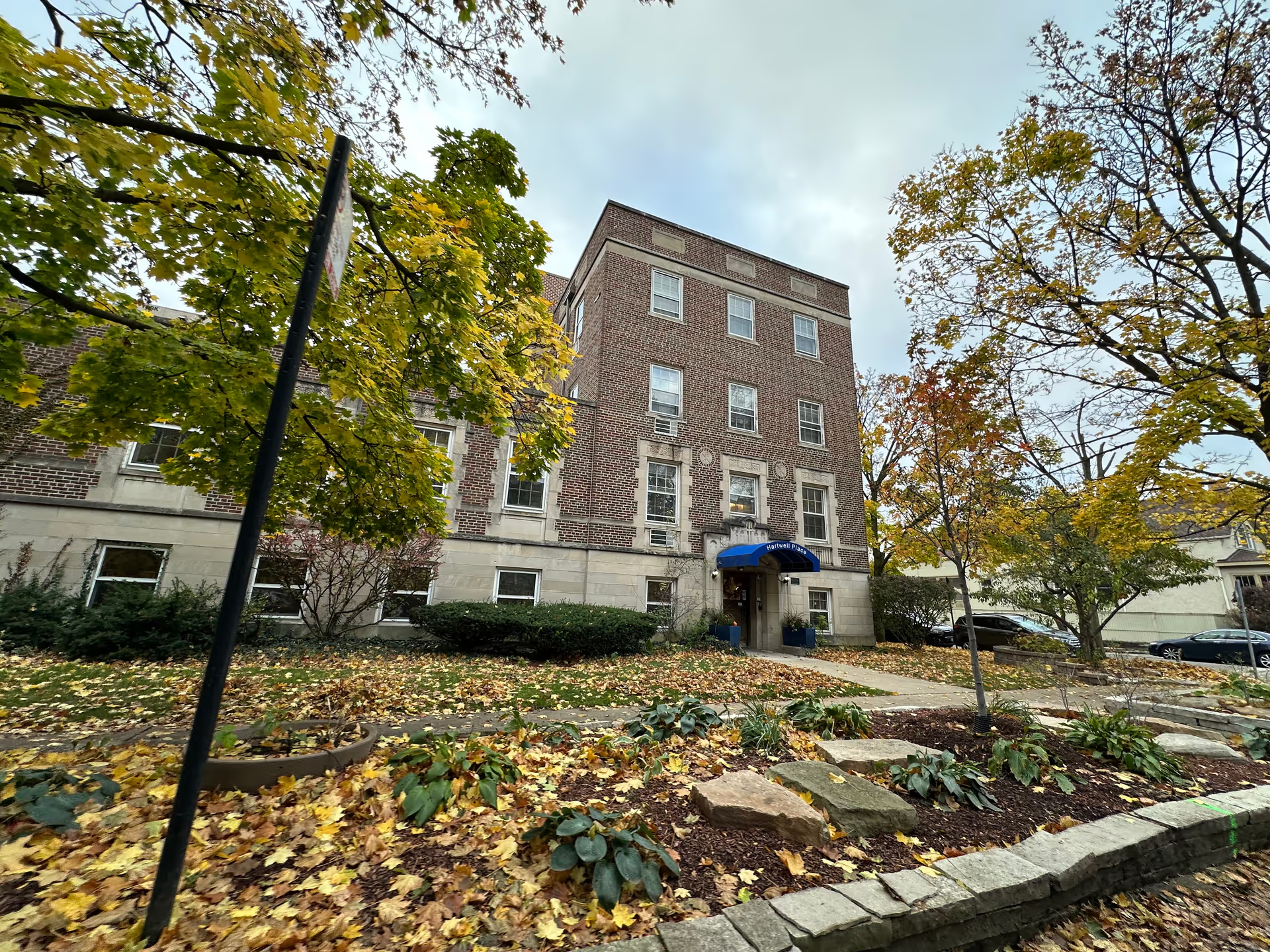
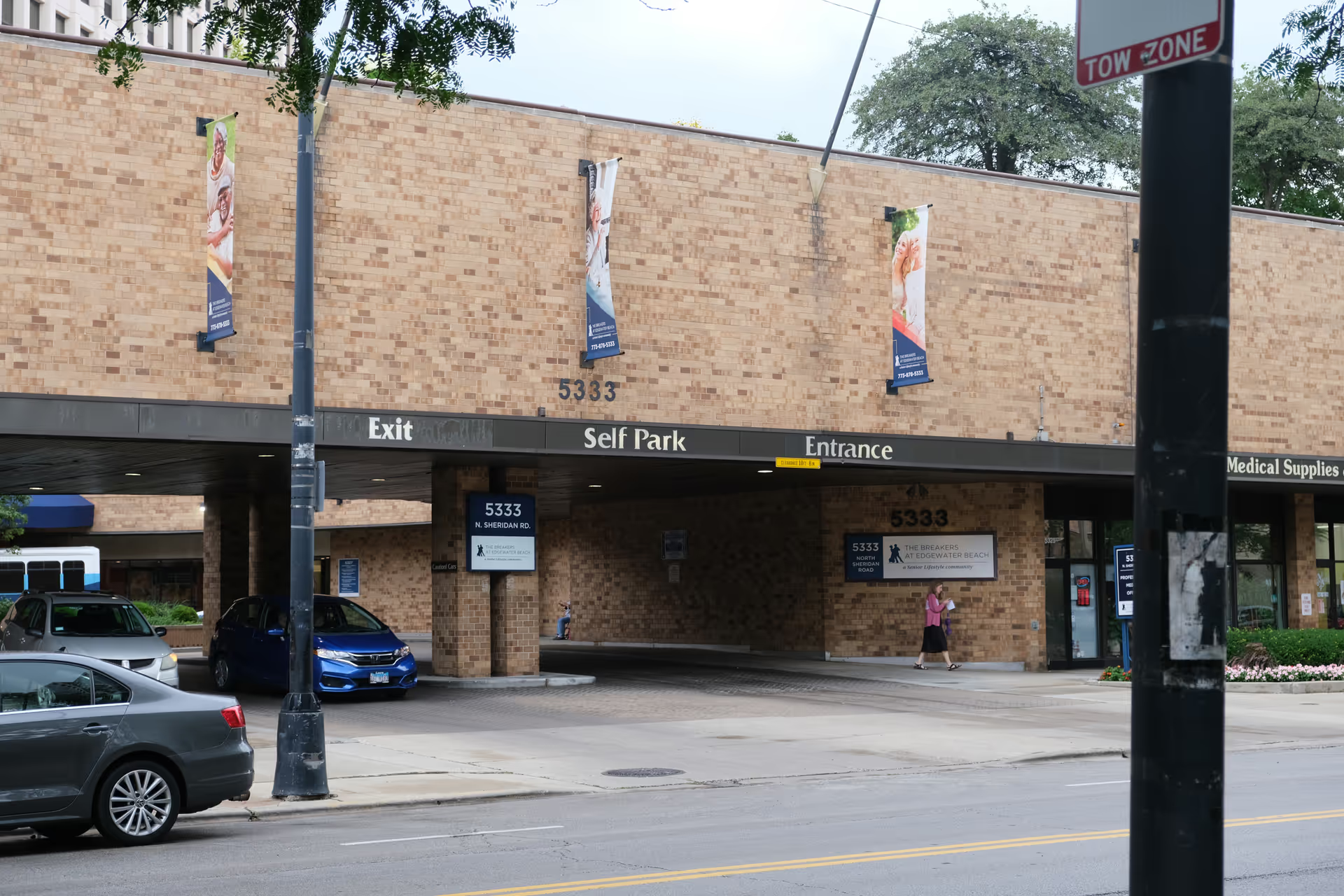
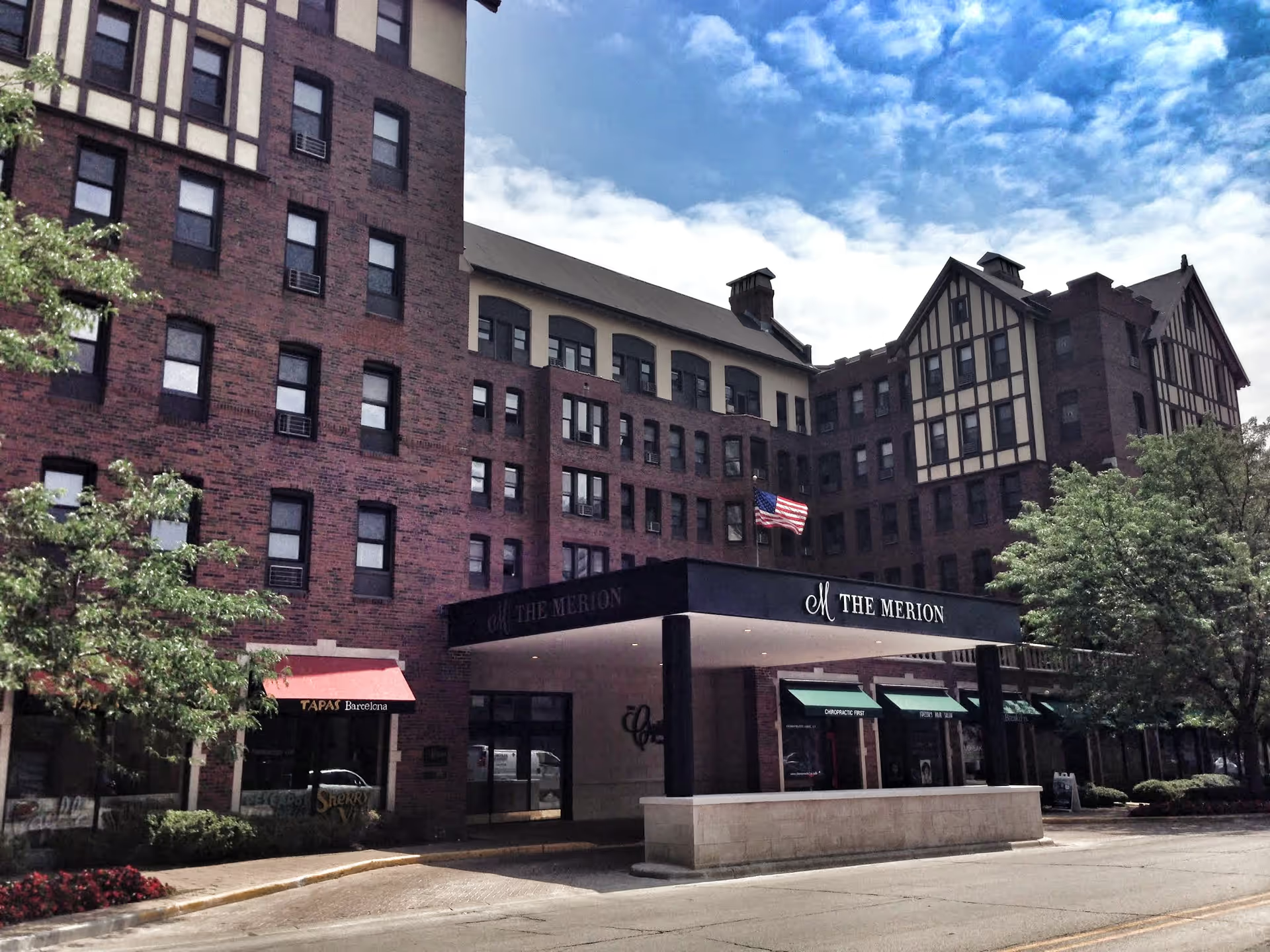
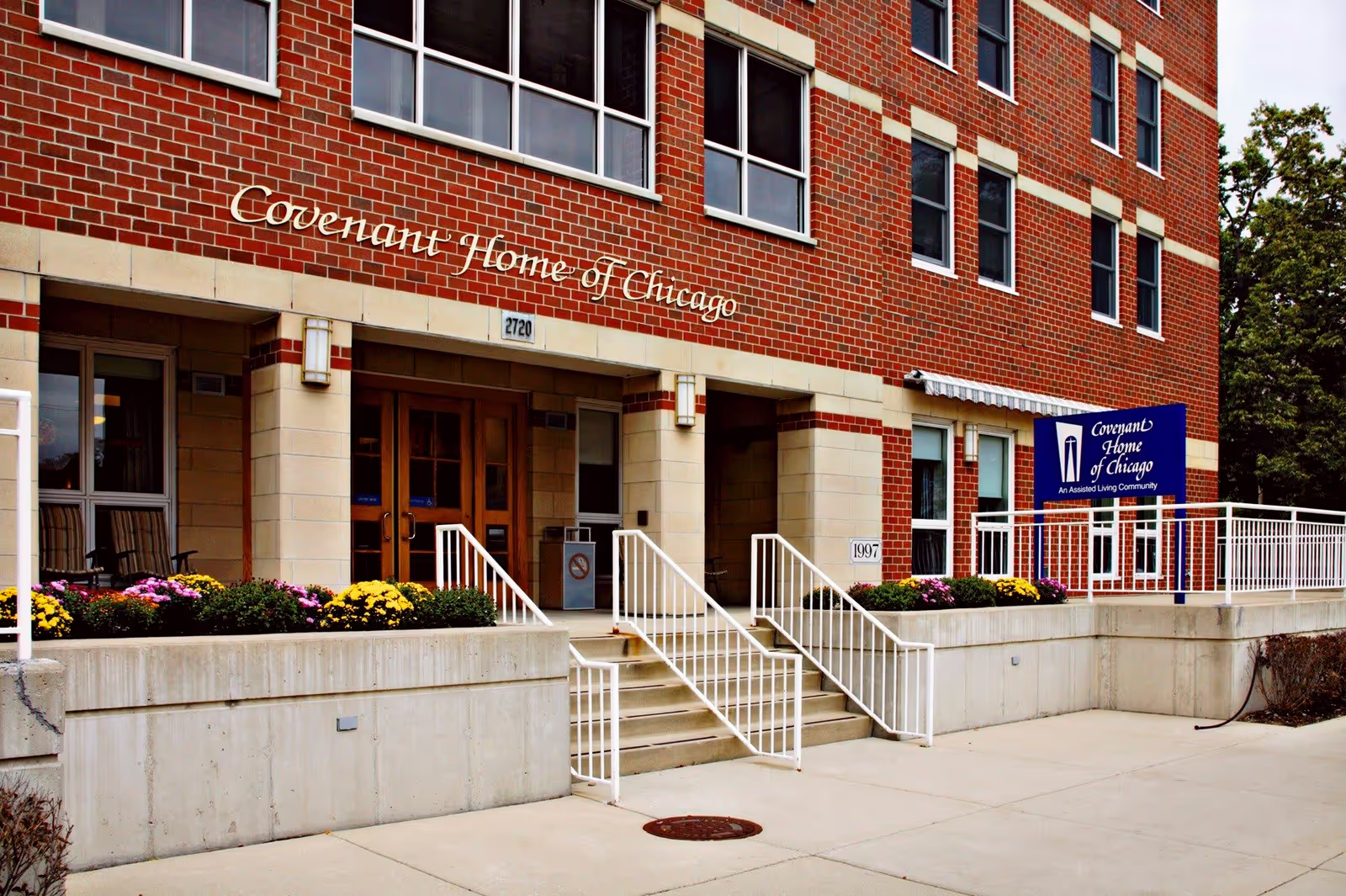
The reviews present a mixed picture of Atrium Health Care Center, with substantial divergence between highly positive experiences and serious operational concerns. Many families and residents praised the caring attitude of nursing staff, supportive social-work and admissions personnel, and helpful front-desk teams; short-term rehabilitation and discharge planning are frequently described as effective, and communal programming (events, TVs in rooms, three daily meals) is in place. At the same time, there are persistent themes that point to variability in day-to-day operations and quality.
Care quality and staff: Several reviewers described attentive, compassionate caregivers and strong teamwork on some units, including administrators who are responsive and social workers who assist with transitions. Conversely, other accounts highlight inconsistent staff responsiveness, delays in attending to personal-care needs, and concerns about medication-management and dosing oversight. These contrasting reports suggest that clinical consistency may depend on unit staffing and shift coverage rather than being uniform across the facility.
Dining and activities: The facility provides regular meal service and on-site activities; some families praised special events and positive resident engagement. However, meal quality feedback is mixed, ranging from favorable to dissatisfied, and multiple reviewers noted that the activity program exists but is unevenly activated — when programming is inactive, residents may spend extended periods in common areas with limited engagement.
Facilities and housekeeping: Positive comments describe tidy common areas and a generally orderly environment, but a number of reviews describe sanitation and pest-control concerns in resident rooms and storage, persistent odor management issues, and an aging physical plant with dim or outdated hallways. Housekeeping consistency appears uneven across units, and visitor screening and property-security practices were raised as potential weaknesses, including allegations of resident property loss.
Management and notable patterns: Administrators are identified by name in praise when they are engaged, and some families credit leadership with improvements over time. At the same time, reviewers describe admissions and room-assignment errors, gaps in clinical-incident response and family communication, and variable leadership follow-through across different cases. Overall, the pattern is one of a facility capable of delivering strong, recovery-oriented care under the right staffing and leadership conditions, but with operational variability that affects sanitation, supervision, medication processes, activity engagement, and property/security controls. Prospective residents and families should consider scheduling a focused tour that inspects resident rooms, housekeeping routines, activity schedules, and asks for specifics about medication oversight, staffing levels by shift, and visitor/property policies before making a placement decision.