Overall impression: Evergreen Senior Living - Decatur receives strongly divided feedback. Many residents and families praise the facility’s physical environment, the warmth and attentiveness of individual caregivers, and an active programs schedule. At the same time, consistent themes in negative accounts point to operational shortcomings that affect continuity of care for residents with higher clinical or memory-care needs.
Care quality and clinical operations: Reviewers describe two distinct experiences. Several accounts emphasize compassionate CNAs and nurses who provide individualized attention and continuity for long-term residents; these caregivers are credited with respectful bedside manner and helpfulness during routine needs. Counterbalancing those comments are recurring operational concerns: inconsistent staffing levels, high turnover, and limited on-site clinical coverage (nurse availability described as primarily on-call). Those constraints are linked in reviews to delayed responses to call lights, medication-administration inconsistencies, and the facility’s limited capacity to handle emergent mobility or fall events without external emergency services. There are also repeated mentions of gaps in dementia-specific training and memory-care preparedness, producing unmet expectations for residents who require specialized cognitive support.
Staff and management: Many reviewers singled out individual staff and departments (activity director, maintenance) for praise, and they report moments of above-and-beyond service. However, patterns of low morale, supervisory turnover, and perceived lapses in management follow-through appear in multiple accounts. Communication shortfalls include inconsistent family updates, difficulty resolving service issues, and policies around rehab or temporary transitions that have led to residents being displaced or their units reassigned. A small number of reports describe abrupt placement decisions and involvement of external authorities; such accounts indicate isolated but serious breakdowns in placement and safety communication that families should investigate directly.
Dining and housekeeping: Dining experiences are variable. Several residents praise generous portions, meal choice, and an open dining atmosphere; others describe uneven food quality. Housekeeping and sanitation feedback is mixed as well — common areas and décor are often described as attractive and well-maintained, while some accounts cite sanitation and housekeeping inconsistencies within particular resident rooms, bedding, or bathroom areas. Prospective residents should clarify routine housekeeping schedules, linen service options, and kitchen/dining quality expectations during tours.
Activities and social life: The activity program is frequently highlighted as a strength, with an engaged activity director organizing classes, trips, exercise options, and social events that many residents find meaningful. At the same time, some families say the social offerings fall short for residents with higher assistance needs or specific interests (for example, book clubs or specialized memory activities). The facility offers a mix of programming that appears to work well for many independent and mobile residents but may be less adequate for those who need one-on-one engagement or dementia-focused stimulation.
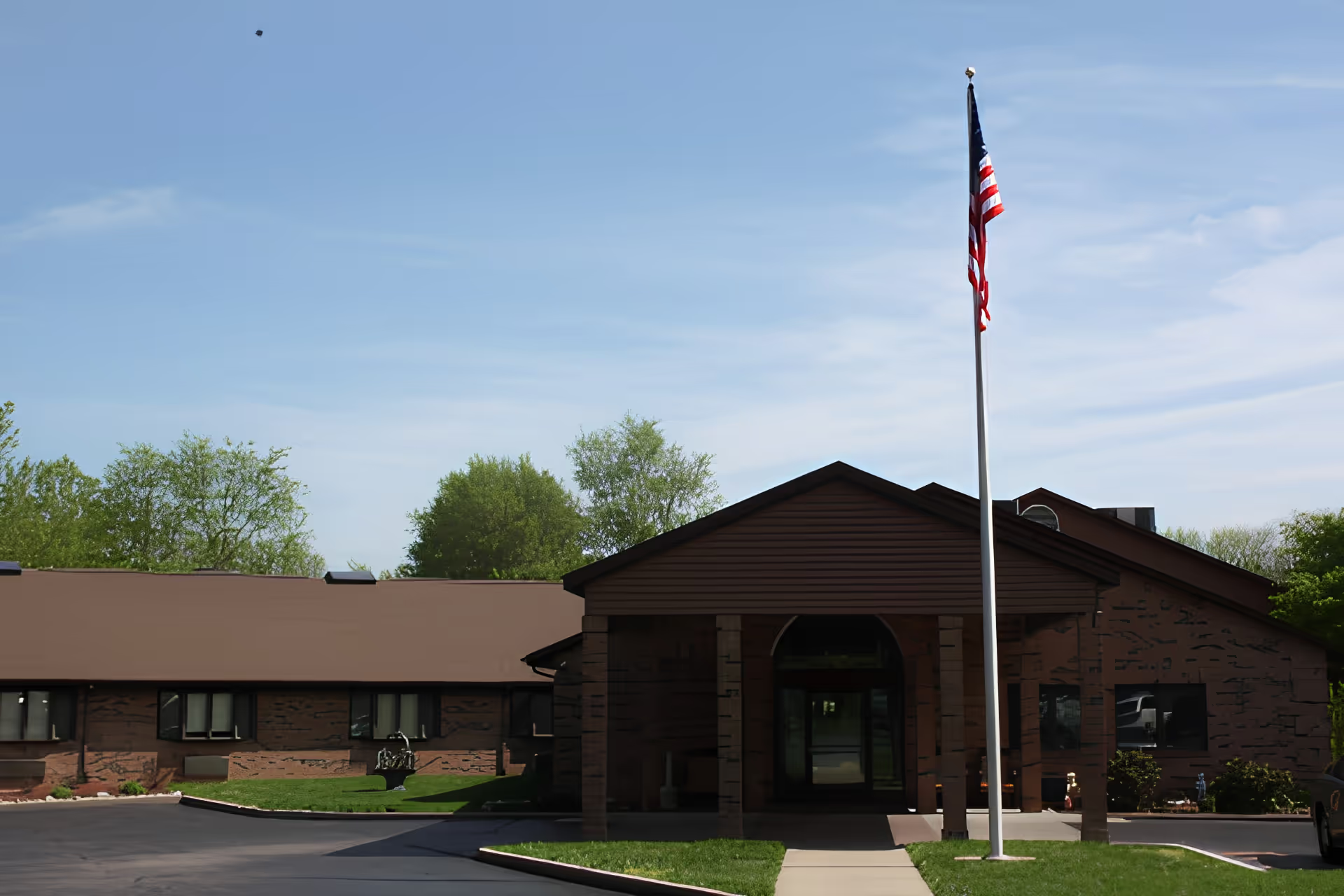
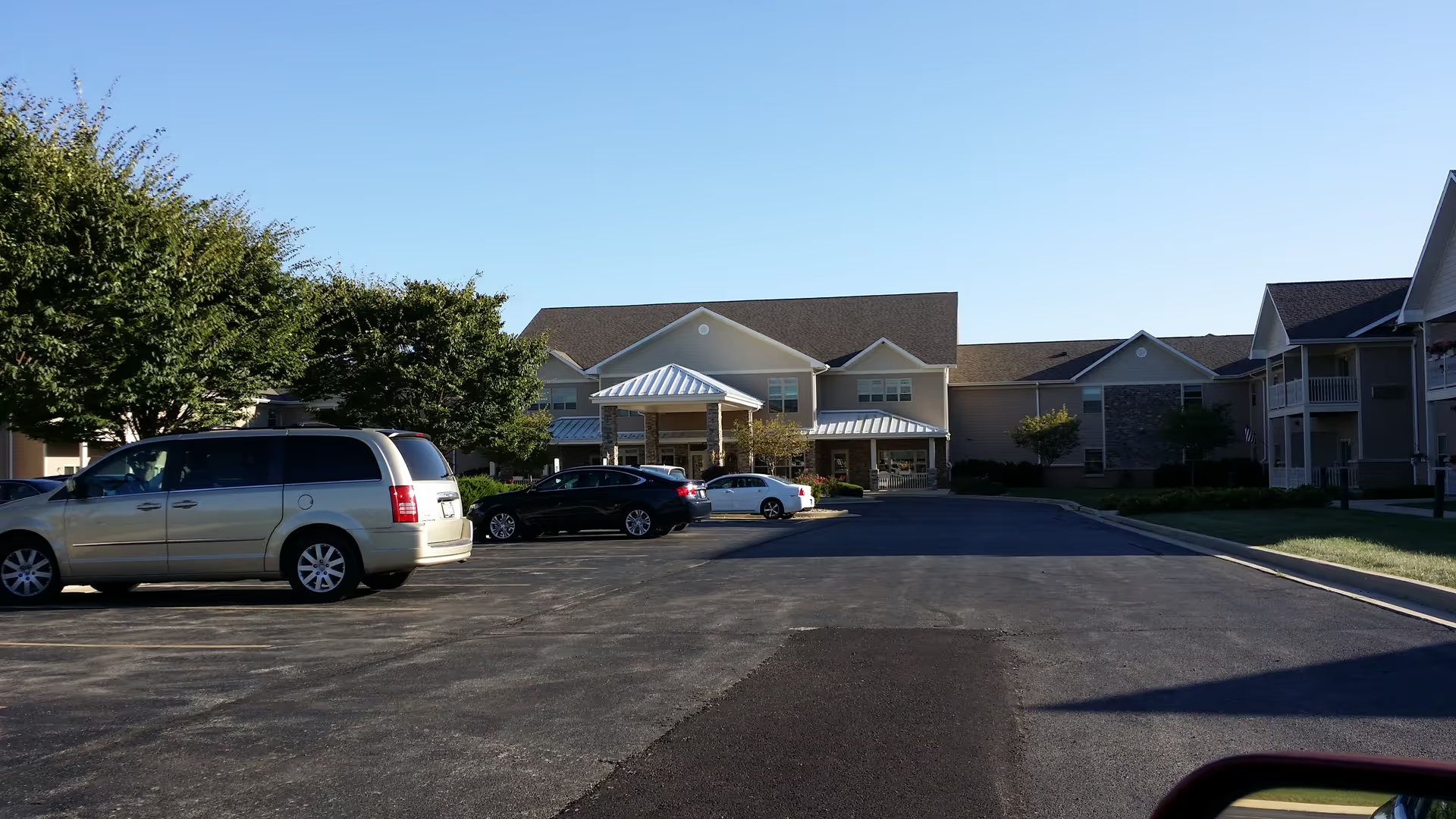
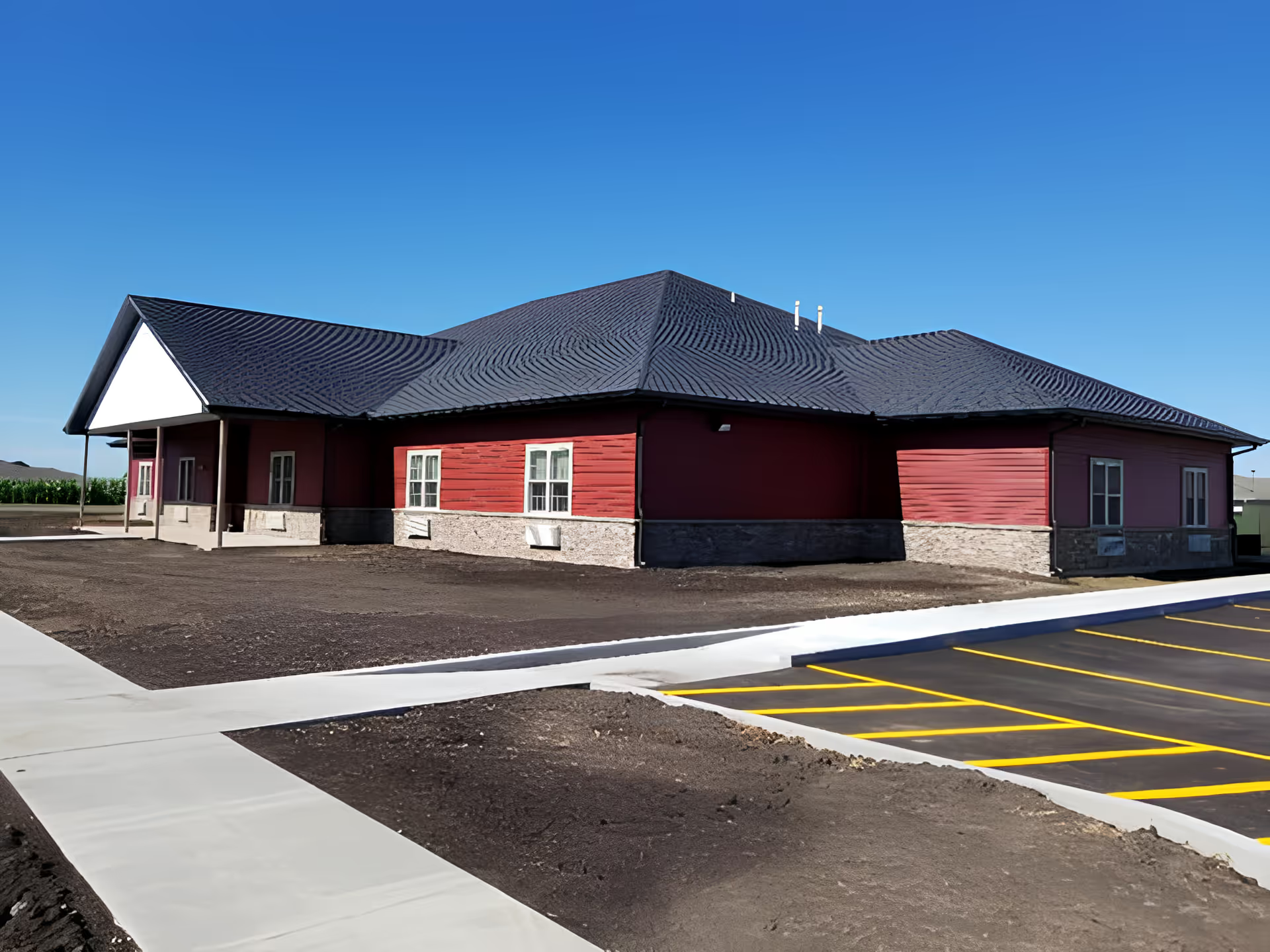
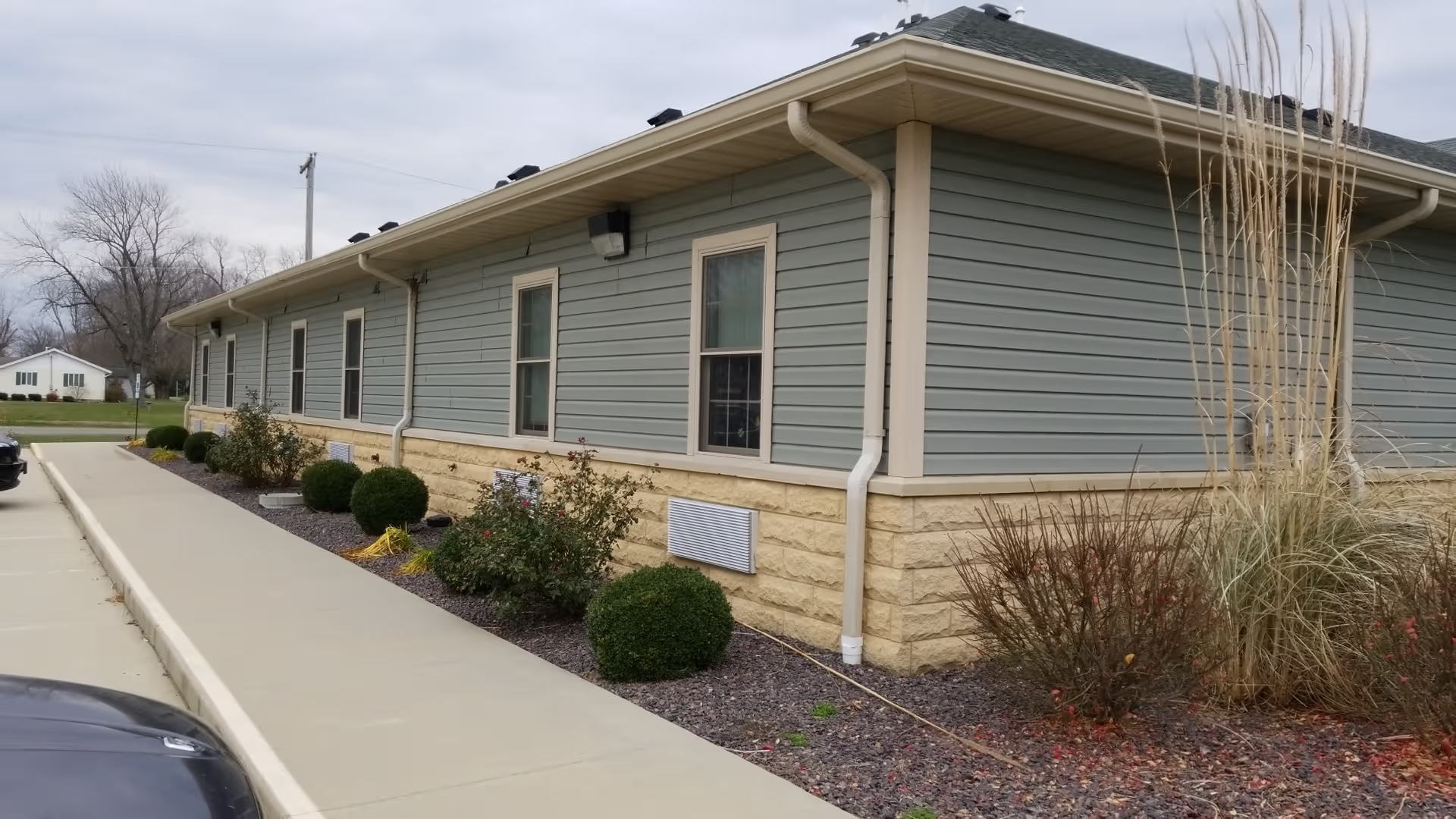
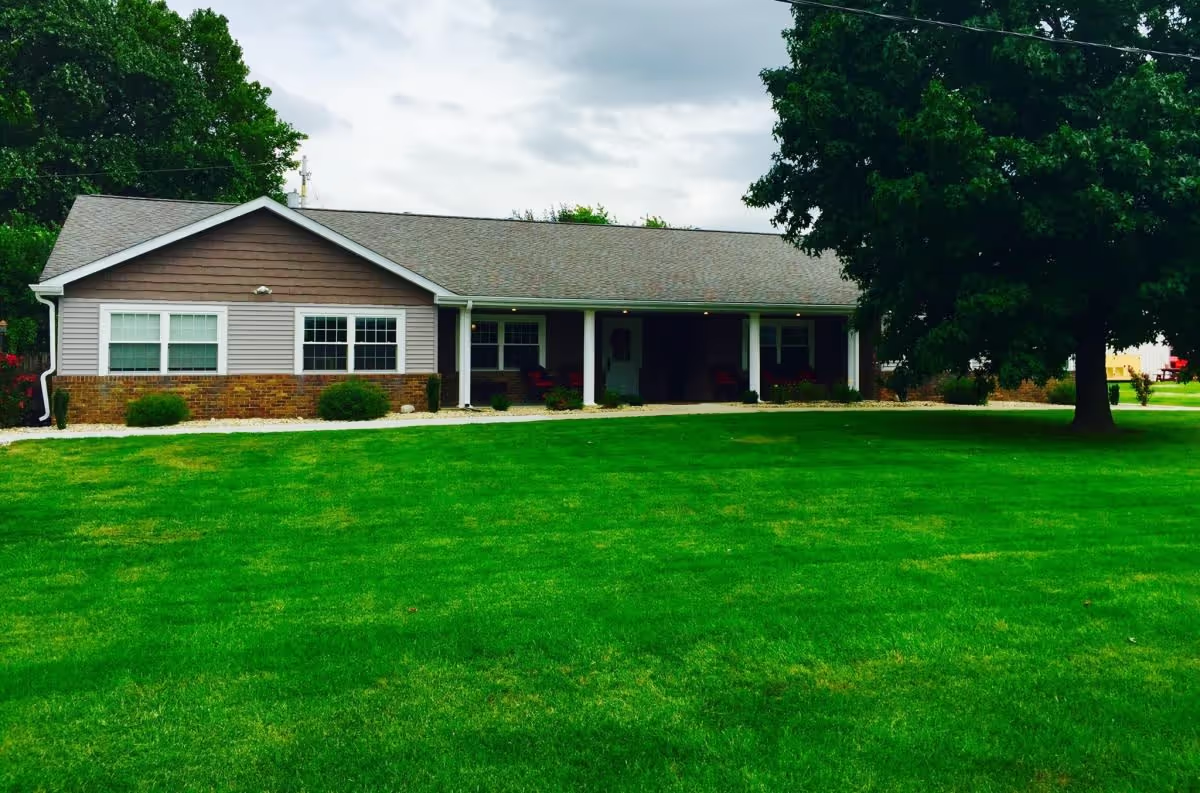
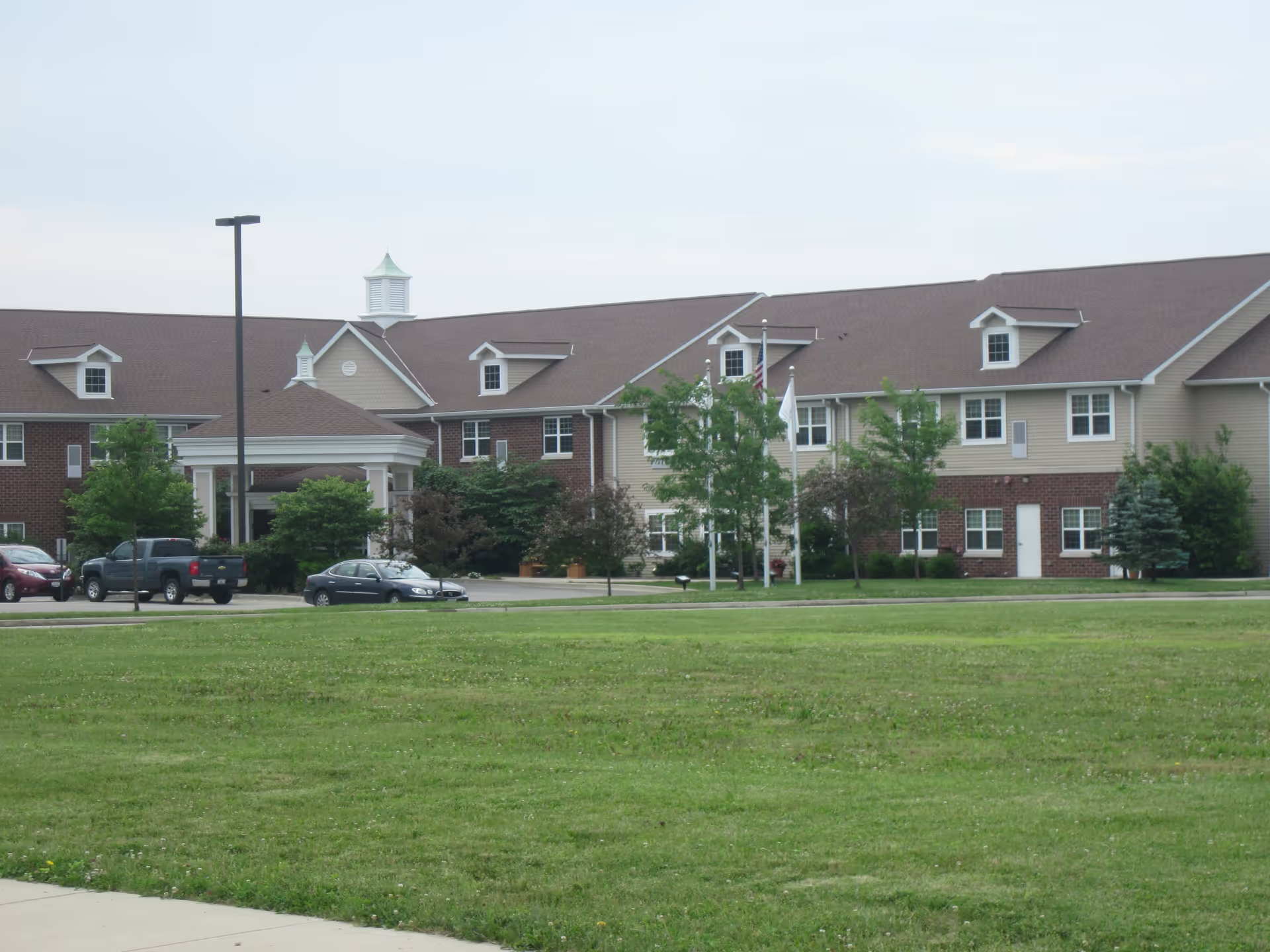
Facilities and safety features: Physical assets are a clear positive: roomy studio and one-bedroom layouts, attractive common areas, accessible location near shopping, and on-site fitness spaces. Noted operational weaknesses include thin walls and consequential noise transmission, which can affect resident comfort and sleep. Security and an open dining environment are described positively by multiple respondents, but families expressing clinical concerns recommend confirming staffing ratios and emergency-response protocols.
Patterns and recommendations for families: The pattern across reviews is one of polarization—residents with primarily social or independent needs often report a comfortable, active environment with caring staff, while families of residents with higher clinical or memory-care needs report inconsistent follow-through and operational gaps. Prospective residents and families should ask specific, documentable questions during tours: current staffing ratios by shift; on-site nurse coverage and clinical responsibilities; dementia-care staff training and programming; response-time metrics for call systems; written rehab/transition policies and how a resident’s apartment is protected during temporary stays; medication-management procedures; and housekeeping schedules. Speaking with long-term residents and their families, and requesting recent survey or inspection summaries, can also help clarify whether the facility’s strengths will meet the prospective resident’s individual care needs.